Short-term rentals in Cyprus can certainly be profitable: there are plenty of tourists, demand is high, and the returns can be attractive even when seasonality is taken into account. However, you cannot simply rent out your cosy property without any formalities — the island’s laws are now strict and require mandatory registration.
It is easy to see that the measures introduced by the government are partly intended to ensure that tourism-related revenue is properly accounted for. At the same time, renting out a property legally is not particularly difficult: the registration process is straightforward, taxes are relatively favourable, and the property can even be managed remotely, thanks to modern technology.
Are Short-Term Rentals Legal in Cyprus?
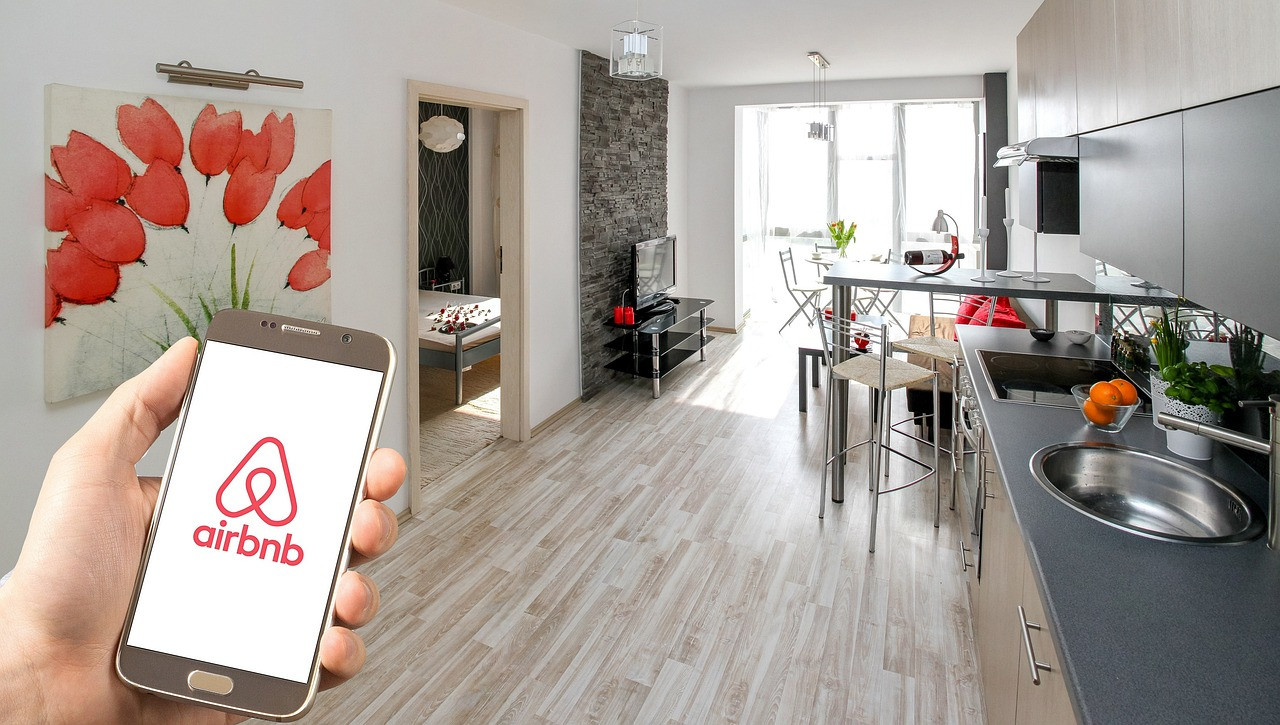
Anyone can rent out property in Cyprus — both citizens of the island and foreigners. Certain restrictions may be imposed by municipalities and condominiums/residential complexes, so these should be checked when purchasing a property. You cannot advertise your property without a licence number. And what counts as advertising? Posting listings on platforms such as Airbnb and Booking is also considered advertising. In the best-case scenario, the listing simply will not be published. In the worst case, you could face a fine of €5,000 and even up to one year in prison. It is therefore better to take the rules seriously and understand all the legal requirements.
What Is Considered a Short-Term Rental?
Traditionally, a short-term rental is considered to be a rental period of three months or less. Some landlords prefer to rent properties for at least a week, but stays of just two or three days are also possible.
Compared with long-term rentals, short-term rentals can generate higher income but also involve higher expenses. Seasonality must also be taken into account in most areas: during winter, an apartment or villa may remain vacant, sometimes for several months.
Important! In Cyprus, long-term rentals are not considered income from tourism activities, while short-term rentals are. This means landlords must comply with a number of additional requirements.
What Types of Property Can Be Rented Out?
There are no major restrictions — the main requirement is that the apartment or villa passes the necessary checks during registration (see the rules below). If the ministry grants permission for short-term rental, there should be no problems.
It is important to pay attention to limits and special conditions in gated residential complexes, where additional rules may apply to protect residents’ peace and privacy. Otherwise, some condominiums could effectively turn into ordinary hotels.
Protected areas and certain locations may also be subject to restrictions, which are enforced by the relevant municipality.
In terms of profitability, practically all of Cyprus offers good opportunities for tourist rentals. However, demand is naturally highest in coastal areas.
Tip! Limassol offers some of the highest potential rental returns, but apartments there also cost 5–20% more than in other Cypriot cities.
Who Can Own and Rent Out Property?
Anyone can own property and rent it out. The only point to keep in mind is that foreigners purchasing property need to obtain permission from the Council of Ministers. Applications are rarely rejected, and the process generally does not take long.
As far as rentals in Cyprus are concerned, both legal entities and individuals can register. The main difference lies in how their taxes are calculated.
Important point: some types of visas do not allow their holders to work in Cyprus. However, receiving income from renting out property is not considered employment under Cypriot law. It is treated as passive income.

Registration and Licence for Short-Term Rentals
It is better to obtain the necessary permission before the high season begins. If you start preparing the paperwork one or two months in advance, the process should go smoothly.
Where to Submit an Application
Short-term rentals in Cyprus must be entered in the Register of Self-Service Accommodation Establishments, which is administered by the Deputy Ministry of Tourism. The process is fairly straightforward:
- submit an online application for a rental permit through the Deputy Ministry of Tourism;
- provide all required property documents (see the list below);
- pay the registration fee (see below);
- obtain adequate property insurance (not merely basic minimum coverage);
- receive approval and a licence number, which is required to advertise the property on various online platforms.
The application process takes approximately one month, which is why it is better not to wait until the start of the season and to apply as early as possible.
Licence Cost and Validity Period
The registration fee is €222 for each property. The licence is valid for three years, after which it must be renewed and the relevant fee paid again.
Tax Registration and Opening a Local Bank Account
Owners of rental properties are required to pay taxes in Cyprus, which means they need to register as taxpayers. Particular attention should also be paid to registering the rental agreement. It must also be declared to the tax authorities, and there is a 100-day deadline for doing so.
Opening an account with a Cypriot bank is not mandatory, but it is advisable. Moreover, when purchasing property from a developer, you will generally need to do so anyway. Rental payments can be received through a foreign bank, including a Russian bank. However, paying taxes and contributions is much more convenient if you have a Cypriot bank account.
Property Requirements
The property must meet certain requirements. There is nothing extraordinary — the requirements mainly concern basic suitability and legal compliance:
- a rental licence in Cyprus can only be obtained for a completed property that is suitable for habitation — an unfinished property or a house undergoing renovation cannot be rented out;
- documents confirming ownership of the property are required;
- all relevant permits must be provided, including building and alteration permits, as well as room and floor plans;
- proof of electrical and fire safety compliance is required;
- insurance must be in place, including third-party liability coverage for tenants.
In cases where there are doubts about compliance, an inspector may visit the property to carry out an inspection.
Tip! For owners who rent out their property remotely, comprehensive insurance can be extremely useful. Such insurance can also include compensation for periods when the property remains vacant during the low season.

Rules for Listing a Property on Airbnb and Other Platforms
Airbnb, Booking and Bazaraki, a Cypriot platform, operate in accordance with applicable EU legislation governing property rentals. Therefore, the main rules follow from the requirements described above:
- the landlord must provide the licence number in the listing;
- photos must be high-quality and accurate, without the use of AI;
- the property description must be as complete and accurate as possible;
- the landlord must successfully complete identity verification;
- the landlord must prove the right to manage and rent out the property;
- clear and transparent house rules must be established.
If there is no licence number or the condominium does not permit this type of rental, the listing will not pass verification and will not be published.
DOM Real Estate offers its own platform for landlords. You can list your property here and contact specialists with any questions related to real estate in Cyprus.
Taxes on Short-Term Rental Income
Renting out property in Cyprus can be a profitable business not only because of the island’s strong tourist flow. The country also has a relatively favourable tax system that supports both individuals and legal entities. In some cases, income tax may not be payable at all, although certain contributions may still apply.
Income Tax
Individuals are exempt from income tax if their annual income does not exceed €22,000. An important point is that this threshold applies to ALL of an individual’s income in Cyprus, not only rental income.
If the threshold is exceeded, a progressive tax scale applies, with a maximum rate of 35%. More information about income tax for individuals and legal entities can be found in our article.
VAT and the Reduced Rate
VAT on rental income becomes payable once the annual threshold of €15,600 is reached, with income from business activities also taken into account. Since short-term rentals are part of the tourism sector, the reduced VAT rate of 9% applies.
Important! When purchasing a new property in Cyprus from a developer, VAT is only 5% if the property is intended exclusively for personal use. Renting it out is not considered personal use, so the full 19% rate will apply.
Special Defence Contribution
Non-domiciled residents are exempt from the Special Defence Contribution. In other words, a person generally needs to have lived in Cyprus for at least 17 years before becoming liable for this contribution.
GESY Contributions
GESY is Cyprus’ healthcare system, broadly comparable to Russia’s compulsory medical insurance system. All residents are required to contribute 2.65% of their total income to the system. The rate may be higher for:
- employers in respect of their employees;
- the government;
- self-employed individuals.
Once registered with GESY, a foreign resident can access healthcare services in Cyprus with most of the costs covered.
Maintenance Costs
Property ownership involves expenses in any case, especially with short-term rentals, where furniture, finishes and appliances are subject to greater wear and tear. Typical expenses for landlords include:
- utility bills, including waste collection fees (these may be higher, as the management company may recalculate charges due to the additional cleaning burden caused by a constantly changing number of tenants);
- annual repairs and maintenance, which may amount to 5–15% of annual income;
- the taxes and contributions on income mentioned above;
- insurance: basic coverage starts from around €150 per year, while comprehensive insurance costs approximately 0.1–0.3% of the property’s total value.
If you use the services of a property management company to handle the rental, you should budget around 15–20% for management fees.

For many holidaymakers, renting a private property is the best alternative to staying in a hotel. This gives Cypriot landlords plenty of opportunities: tourist areas perform well during the high season, and short-term rentals can generate a substantial income.
Obtaining permission to rent an apartment or house to tourists is relatively straightforward: the application can be submitted online, while the registration fee and taxes are comparatively modest. In addition, without a licence number, a rental listing cannot be published on online platforms. In short, it is much more convenient to do everything legally and avoid unnecessary concerns.
Read also:
- Cyprus Fruits in July: Season, Markets and Selection
- Electric Cars in Cyprus: Evolution of the Charging Station Infrastructure
- Amiantos Village: The Rise and Fall of Cyprus’ “Monte Carlo” in the Troodos Mountains
- Greek in Cyprus: Reviews of Courses and Schools
- How to Make Money from Real Estate in Cyprus? Flipping Guide 2026