Cyprus on the Road to E-Mobility: The Current Landscape
Over the past few years, Cyprus' electric vehicle market has grown significantly. Drivers no longer need to memorise the location of every charging station on the island—the network has become far more convenient and accessible. Municipalities and private companies continue to install new charging points, making it much easier than before to recharge before travelling from Limassol to the mountain villages.
Major Expansion of the Public Charging Network
Municipalities and energy companies are installing charging stations not only along the main highways. New charging points are also appearing at district hospitals, municipal car parks, and small villages. Locations are selected where traffic demand is highest, helping drivers avoid long queues.
Fast-Charging Corridors vs Urban Charging Hubs
Cyprus' charging network is essentially divided into two use cases. The first consists of DC fast-charging corridors along the main motorways, designed for quickly topping up the battery before continuing a journey. The second includes AC charging hubs located at shopping malls, supermarkets, and office buildings. While drivers go about their daily activities, their vehicles can recharge conveniently in the car park.
The Ratio of Electric Vehicles to Public Charging Points
The number of electric vehicles and public charging stations continues to grow. During the peak tourist season or busy hours, popular charging stations may be occupied, so it is advisable to check their availability in the operators' apps or services such as PlugShare before setting off.

Technical Specifications: Connectors, Charging Power, and Compatibility
To avoid unpleasant surprises at the charging station, it is important to understand in advance which cables and charging ports your vehicle uses.
Type 2 (Mennekes): The Standard for Everyday Charging
As in most European countries, the Type 2 (Mennekes) connector is the most common charging standard in Cyprus. It is the standard AC connector, typically supporting charging speeds of up to 22 kW. These charging points are commonly found in the car parks of shopping malls, hotels, and business centres. They are not intended for rapid charging—depending on the vehicle's battery capacity and the charger's output, a full charge may take anywhere from a couple of hours to overnight.
CCS Combo 2: The High-Speed Standard for Motorways
These chargers provide high-power DC charging, allowing most batteries to reach around 80% capacity in approximately 30 minutes. They are typically installed at petrol stations along major motorways, where drivers need a quick recharge before continuing their journey.
CHAdeMO Support for Japanese Imports
Many vehicles imported from Asian markets are still in use on Cyprus' roads. These cars rely on the Japanese CHAdeMO charging standard. Although newer multi-standard charging stations are gradually being upgraded, support for CHAdeMO remains available along key routes to ensure compatibility with Japanese-market vehicles.
The Digital Ecosystem: Apps, Operators, and Payment Methods
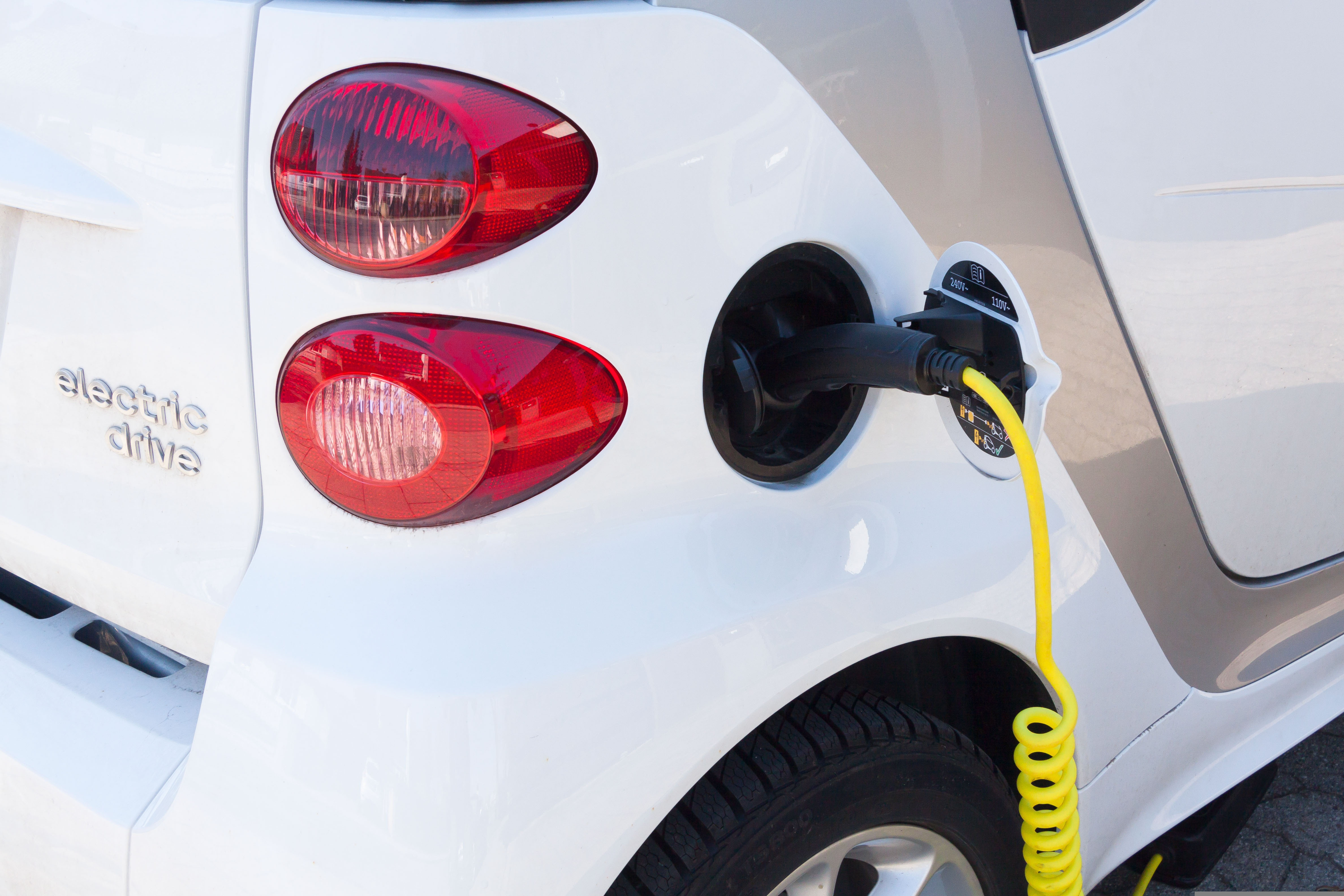
Using the public charging network largely relies on mobile apps and digital accounts provided by different charging operators.
The Electricity Authority of Cyprus Network (EAC e-Drive)
The island's main electricity provider operates an extensive network of charging stations. To use its chargers, drivers need to install the mobile app, create an account, and link a payment card in advance. The app also allows users to check the status and availability of charging stations in real time.
Commercial Operators and Private Networks
In addition to the EAC e-Drive network, Cyprus is also served by commercial operators, including P-Charge and EVPower. These companies install charging stations at petrol stations, shopping centres, office complexes, and other popular locations, gradually expanding the charging infrastructure for electric vehicle owners.
Aggregators for Real-Time Availability
Global charging maps and dedicated smartphone apps such as PlugShare and Electromaps make it easier for drivers to navigate the island. They provide up-to-date information on charging networks, user reviews, and the real-time status of charging stations.
Strategic Route Planning: From the Coast to the Mountain Peaks
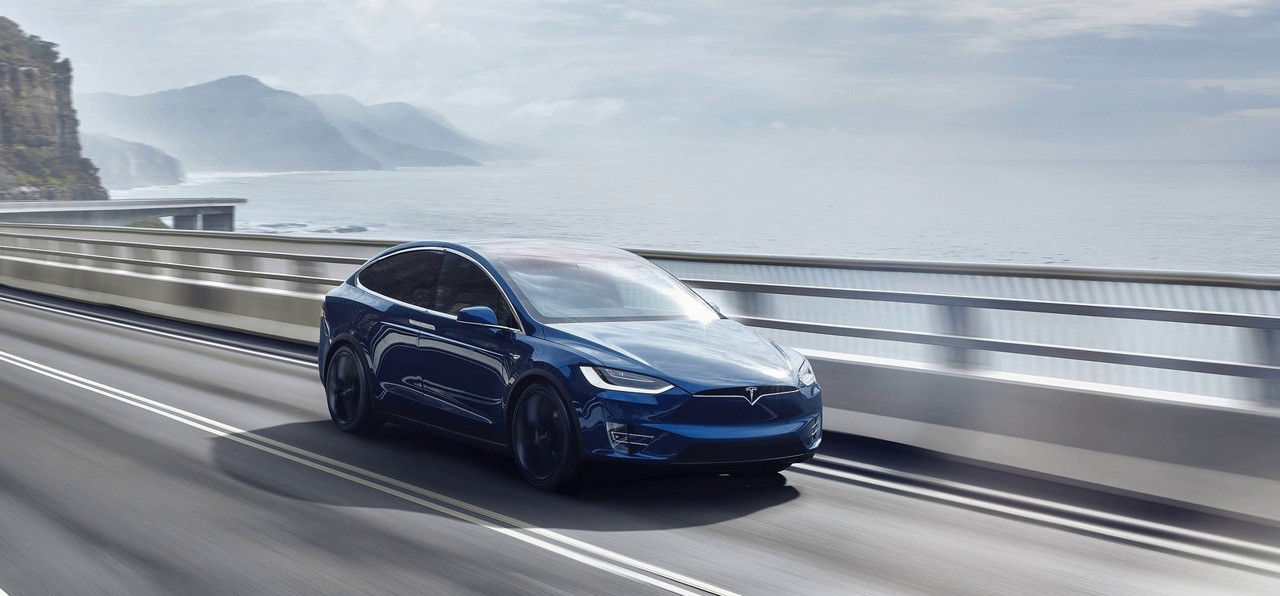
Cyprus' diverse landscape has a direct impact on an electric vehicle's energy consumption, making route planning especially important.
Elevation Changes and the Climb to Troodos
Driving from the hot coastal areas to the peaks of the Troodos Mountains requires significantly more power, causing the battery to drain much faster. On the way down, however, regenerative braking comes into play: the vehicle slows using the electric motor while recovering part of the kinetic energy and feeding it back into the battery.
The Impact of Climate and Air Conditioning
During the summer, air conditioning and battery cooling consume a considerable amount of energy. If you're planning a long journey, this additional power consumption should always be taken into account.
Travelling to Northern Cyprus
Northern Cyprus has its own charging network, so before travelling it is advisable to check which local apps and payment methods are required. Drivers should also remember to obtain the necessary car insurance at the crossing point.
The Financial Side: Charging Costs and Key Considerations
The cost of operating an electric vehicle largely depends on the pricing policy of the charging network you choose.
The Cost of Charging at Public Stations
Charging prices vary depending on the type of charger:
- Slow AC charging stations: offer the most affordable price per kilowatt-hour and are ideal for longer charging sessions.
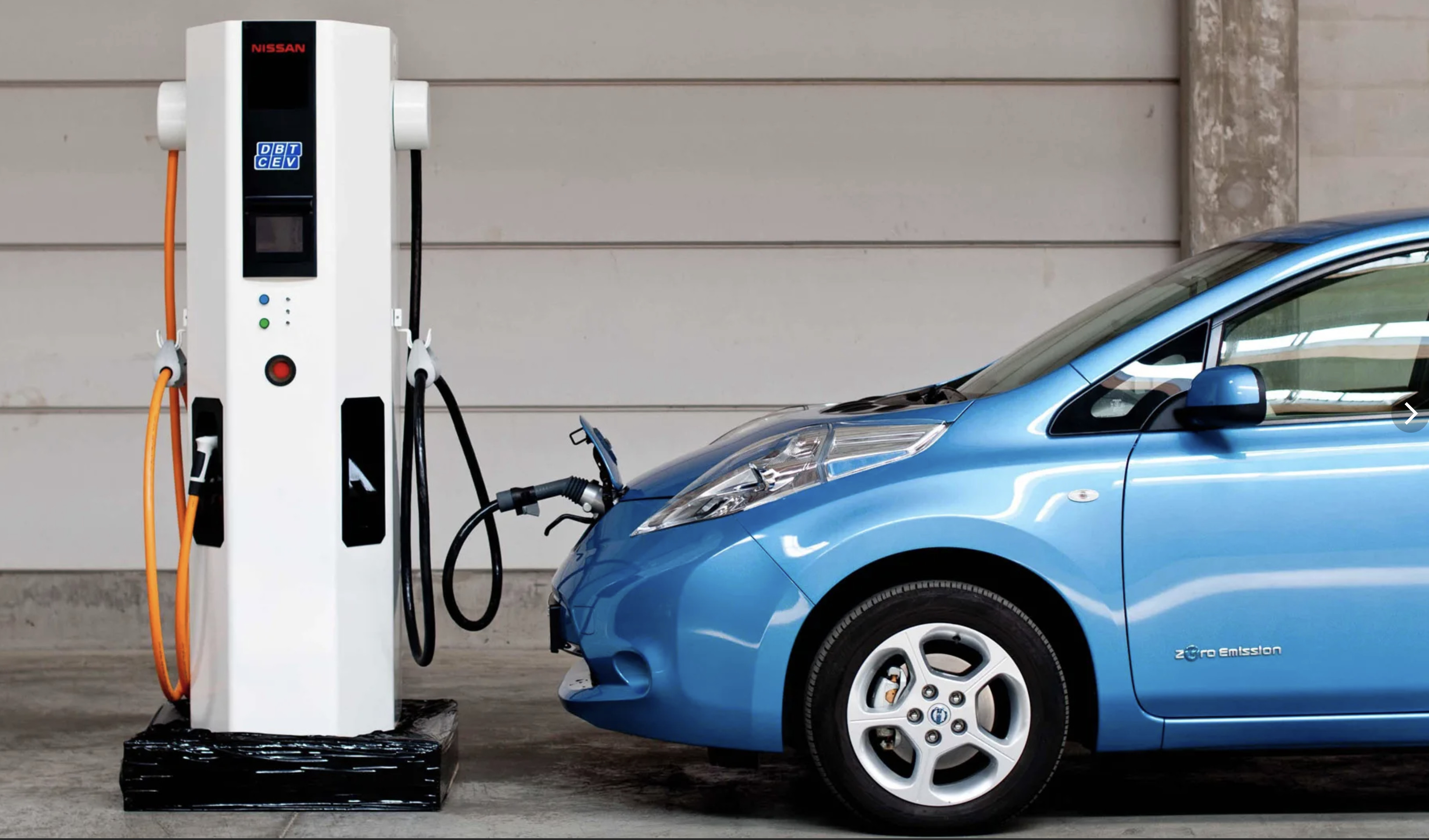
- Fast DC chargers: are more expensive due to their higher charging power and speed. For a typical electric vehicle with a 40–65 kWh battery, a fast charge to 80% at a motorway charging station usually costs around €15–30. Even so, it generally remains cheaper than filling the fuel tank of a conventional petrol-powered car.
Subscriptions and Payment Options
There are several ways to pay for charging. You can either pay for each charging session individually through the operator's mobile app or choose a subscription plan if you regularly travel around the island and want to reduce your charging costs.
Idle Fees
To prevent fully charged vehicles from occupying charging points for hours, many operators have introduced simple rules. At some fast-charging stations, drivers are typically given around 10–15 minutes to move their vehicle after the charging session ends. If the vehicle remains connected beyond that grace period, an idle fee may be charged. Out of consideration for other EV drivers, charging stations should not be used as ordinary parking spaces.
Frequently Asked Questions (FAQ)
Can I charge a rental electric vehicle at any public charging station?
In most cases, yes. Rental EVs are compatible with public charging stations across Cyprus, although you may need to install the mobile apps of different charging operators to activate their chargers. When collecting your rental vehicle, it is also advisable to ask where the charging cable is stored, how to open the boot, and any other useful operating details.
Do public charging stations in Cyprus provide charging cables?
Slow AC charging stations usually do not include a cable, so drivers are expected to use their own Type 2 cable. Fast DC chargers, on the other hand, have charging cables permanently attached.
How much does a full charge at a fast-charging station typically cost?
The cost depends on the battery capacity of the vehicle and the pricing policy of the charging operator. However, in terms of cost per kilometre driven, electric charging generally remains significantly cheaper than conventional fuel.
Are there enough charging stations in the Akamas Peninsula region?
The western part of the island, particularly around Akamas and Latchi, still has relatively few charging stations. If you are planning to travel to these remote areas, it is advisable to fully charge your vehicle beforehand—ideally in Paphos—and ensure you have enough range for the return journey rather than relying on finding a charger in isolated locations.
What should I do if a charging space is occupied by a petrol or diesel car?
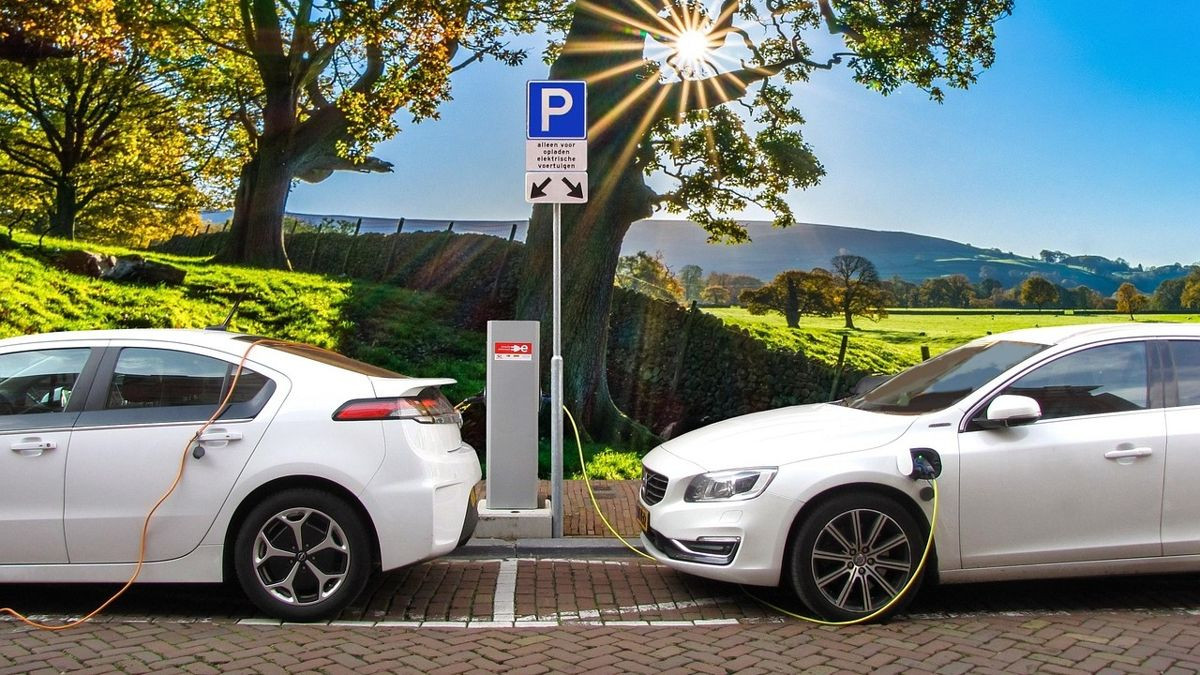
Occasionally, charging bays are occupied by internal combustion engine (ICE) vehicles. Rather than confronting the driver or attempting to move the vehicle, the easiest solution is to use a charging app to locate another available station nearby.

Read also:
- The Cost of Living in Cyprus in 2026
- The Papadopoulos Family Mansion in Limassol: An Architectural Gem on the Seafront
- Enduro and Motocross in Cyprus: A Guide to the Island's Best Mountain Trails in 2026
- Where to Watch English-Language Movies in Cyprus: The Best Cinemas in 2026
- How to Make Money from Real Estate in Cyprus: A Flipping Guide for 2026