Apartments in Cyprus usually have either one spacious bathroom or several small ones. In any case, there is enough space for designing and implementing the boldest ideas. Not to mention a private house, where the number of bathrooms can reach 4-5! This is really very convenient, especially if a large family lives there.
However, when equipping a bathroom, it is worth remembering several nuances: high humidity in Cyprus, the presence of children and pets, the total number of bathrooms. And, of course, don't forget about your own preferences!
1. Flooring and Wall Finishing
Starting repairs, of course, should begin with finishing. The bathroom is a practical place, but this does not mean that it cannot be made bright, beautiful, and unusual.

1.1. Finishing Material
The first thing that comes to mind is ceramic tiles. It is relatively inexpensive, environmentally friendly, durable, and not affected by moisture. Therefore, tiles have been holding leading positions for decades and are not going to give up.
However, there are several alternatives that may be even better:
- Self-leveling floor. Equally reliable, non-slip, and also allows creating a 3D effect (which can be a stunning option in the bathroom, for example, if you imitate the sea wave). The only drawbacks are the high cost of execution and the complexity of installation / dismantling.
- Water-resistant laminate. Warmer than tiles, non-slip, and looks very aesthetically pleasing. It does not swell from moisture and serves quite long. It is not suitable as the "top" for heated floors and requires a perfectly smooth surface for installation.
- Natural or artificial stone. Belongs to expensive materials, can also be very cold and slippery.
- Cork covering for the floor and walls. Looks environmentally friendly and aesthetically pleasing, non-slip, warm, and pleasant. Belongs to expensive finishing options.
- Moisture-resistant paint or plaster for walls. The easiest to implement option - it can be done by yourself. Assumes a wide range of colors (that is, any, plus the option of painting), can be easily cleaned of mold.
So, there is already something to choose from. Of course, there are other finishing materials - plastic panels, linoleum, wood, liquid wallpaper, etc. But here it is necessary to understand that beauty is in second place after practicality. Therefore, it is advisable to choose materials that are as moisture-resistant as possible.

1.2. Color palette and design decisions
It is not necessary to decorate the bathroom in traditional cool and calm tones. This is where you can give free rein to your wildest imagination. Since people don't spend much time in the bathroom, even the brightest, most "eye-catching" print won't get boring quickly. For example, similar experiments in the kitchen or bedroom will not be successful - they will quickly become tiresome and even annoying.
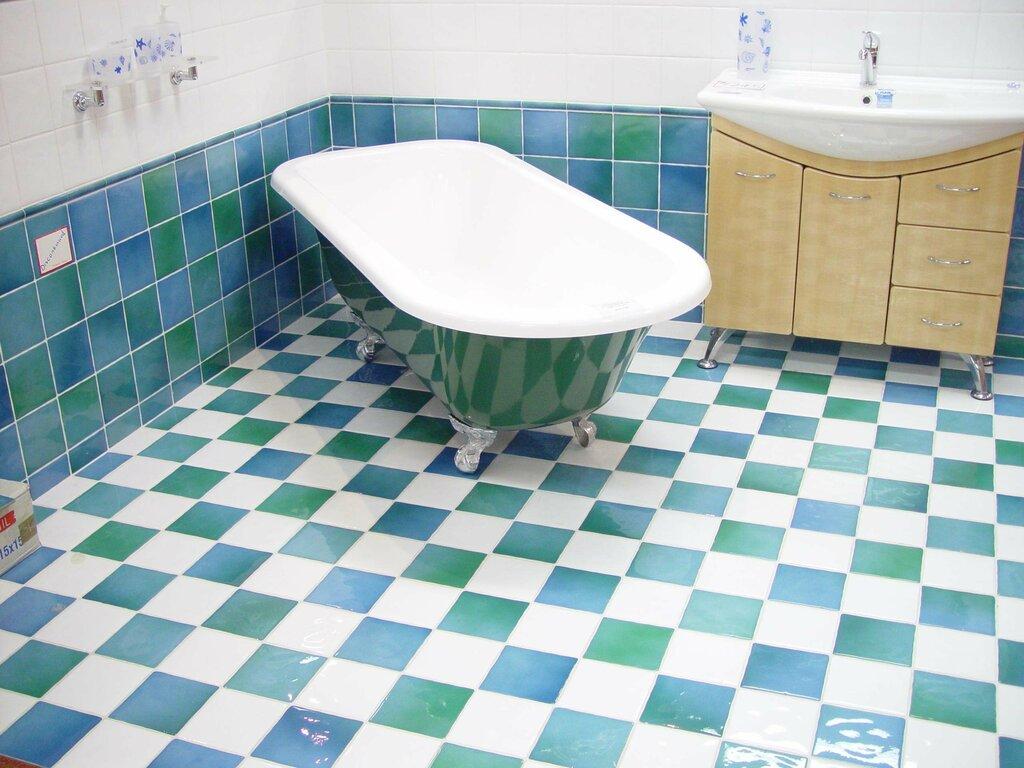
Therefore, the main recommendation is: if you want brightness and even absurdity - implement your ideas in the bathroom! And if not - then choose any calm palette that you like. Remember that dark tones look good in spacious rooms, and small bathrooms are better decorated with lighter tones, so the space will seem slightly larger.
2. Good ventilation
Needless to say, the bathroom should have powerful and high-quality ventilation? Even if there is a window in the room, it will not be able to provide proper moisture and air circulation. Therefore, it is necessary to consult specialists and make good ventilation. In Cyprus, this issue should be one of the first, as there are periods of high humidity on the island.
3. Lighting
A new trend that is gaining popularity is hidden lighting in the bathroom. At the same time, the lighting itself can be either normal white (warm or cool shade) or colored. Neon, multicolored lights, loft lamps - all this is possible thanks to modern technologies that allow protecting all lighting fixtures from moisture.
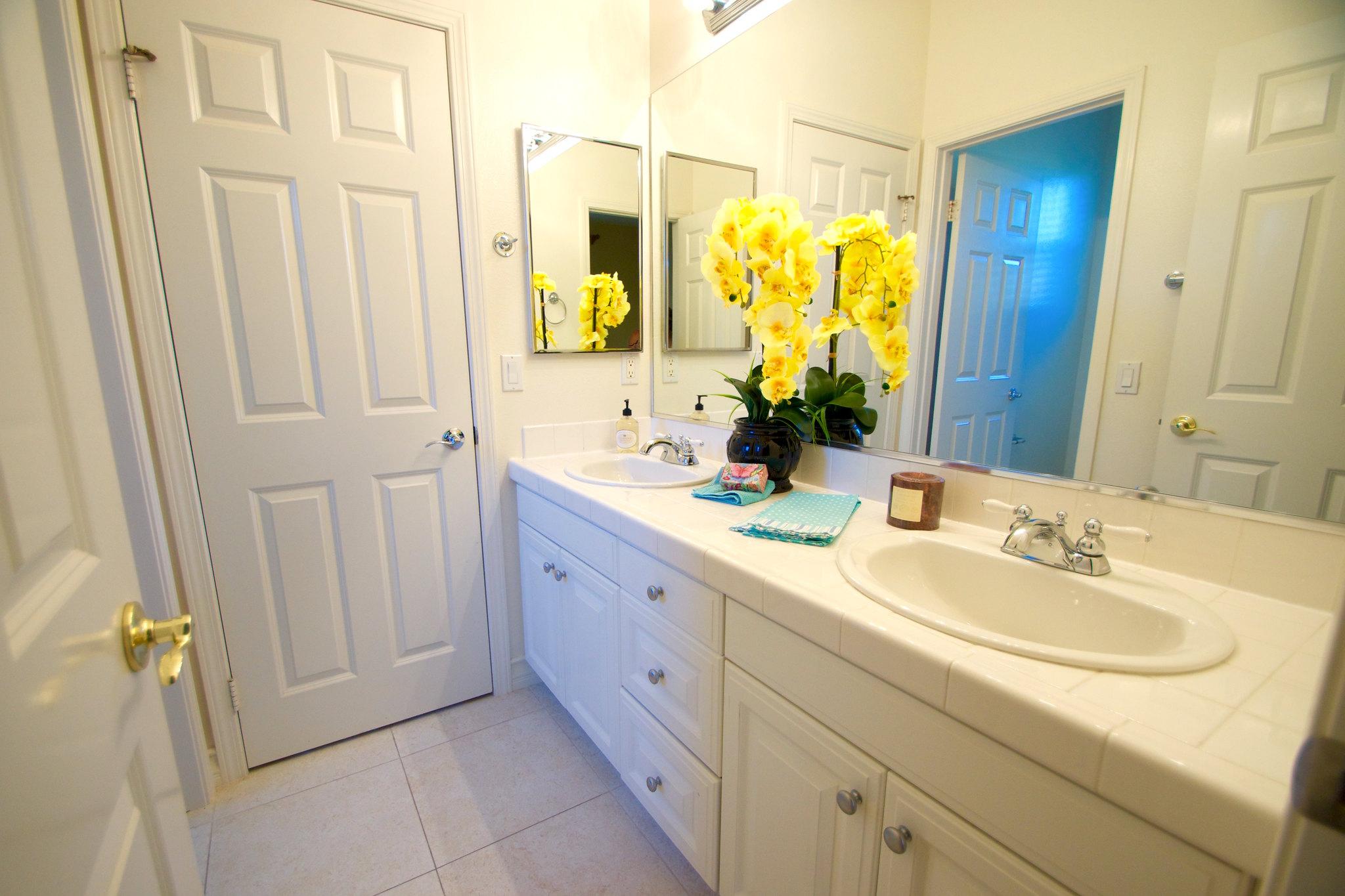
A good solution would be to divide the lamps into several (convenient depending on the purpose for which you entered the bathroom). This technique also allows you to save electricity, which is important for Cyprus. Another option is lamps with brightness adjustment. As strange as it may sound, they are also very suitable for the bathroom.
For rooms with windows, the solution would be to place spot LED lights over "strategically important" objects. Usually, this is the bath/shower and mirror. It is better not to obstruct the window itself, the maximum allowable is light blinds. It is recommended to stick a special film on the glass to protect it from fogging.
4. Bath or shower?
An eternal question that is solved strictly by a person's preferences. But here it is worth understanding that it is better to prefer a shower in Cyprus, and there are several serious reasons for this:
- Less water consumption. There are no natural sources of fresh water in Cyprus. Therefore, desalinated water is used for household needs, which is not very cheap. Moreover, the rate per cubic meter depends on the amount of water consumed per month. For example, if your family uses up to 50 m3 of water, then the price per cubic meter will be one, if up to 100 m3 - another, and if more than 100 m3 - then the third, and significantly higher.
- Less electricity consumption. Electric water heaters are installed in multi-storey buildings. They a) consume electricity b) heat a certain amount of water, and often there is not enough of it to fill a whole bath.
- Hot climate. The warm weather for 9 months of the year simply does not encourage lying and warming up in the bath. Refreshing shower is what most people prefer in hot weather.
In a large house with several bathrooms, the problem can be solved cleverly: install a bath in one bathroom and a shower in another. The first one will be used in winter, and the second one in summer. But if this option does not suit you for some reason, it is better to take a closer look at the shower.
3.1. Shower cabin or corner shower?
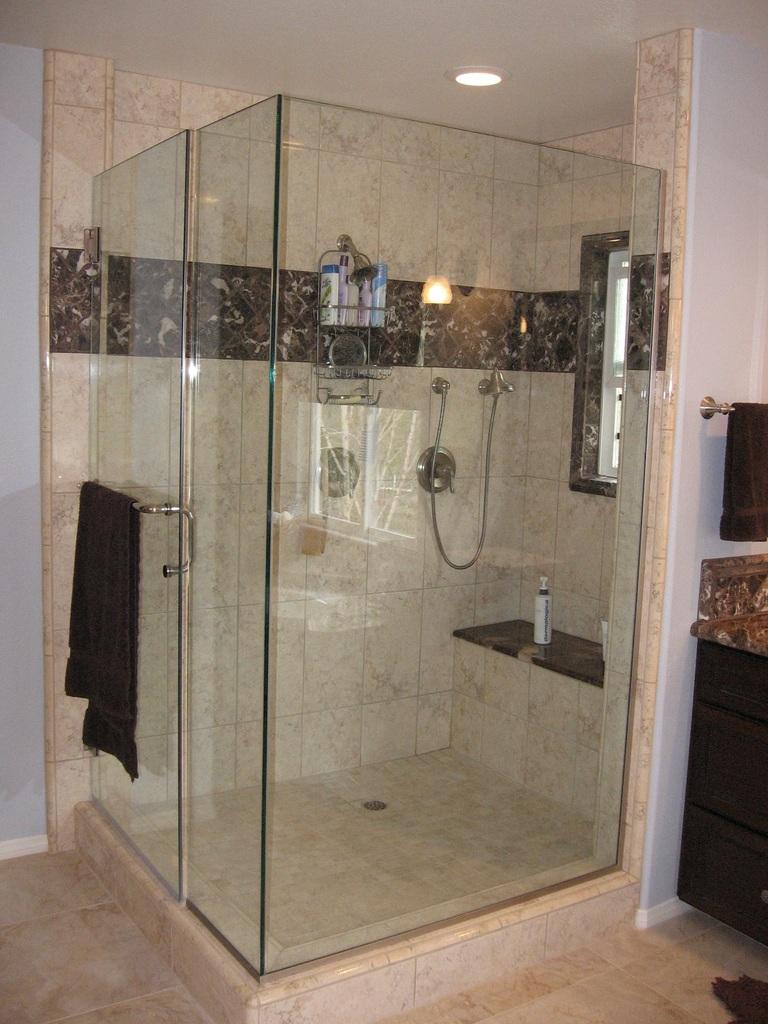
From the point of view of space saving and functionality, a shower cabin has more advantages. It is already equipped with everything necessary, and you can choose it according to your requests and the size of the bathroom.
But if you want more space, it is better to equip a corner shower. It allows you to allocate as much space as you need and supplement it with exactly the things you need.
Be sure to ensure that the corner shower has good lighting and tight doors. A small bench made of waterproof materials will also be a useful addition.
3.2. Bath
If all the arguments in favor of a shower in Cyprus seem unconvincing to you, then of course, it is worth choosing a bath. An additional water heater for a large volume of water or a capacious tank installed on the roof will be required "in the set" for it. The average bath requires approximately 150 liters of warm water, which means that the water heater should hold about half (i.e., 75 l). But after the bath, it is necessary to rinse off, which means that another 30 liters should be added. In total, a rather capacious tank with a volume of more than 100 liters will be required.
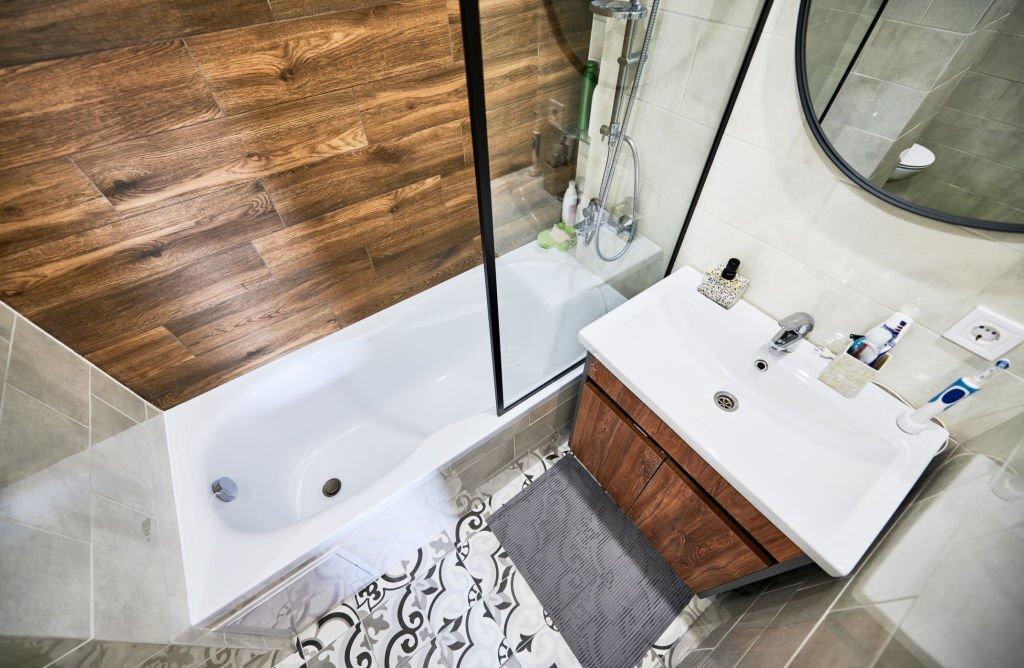
The bath itself can be of any shape and size, but it is better to choose something stylish and unusual - it is around the bath that the entire designer concept of the interior is formed. Pay attention not only to the volume and shape, but also to inconspicuous details: handles, drain, etc.
4. Sink
There are many types of sinks to choose from, and the one you choose will depend on your personal preferences. However, it's important to pay attention to the space underneath the sink. In a large and spacious master bathroom, you may choose to leave this space empty to maintain a minimalist look. But in a smaller bathroom, it's best to use this space functionally.
The best option is a closed cabinet where you can store anything from small household items to lighting fixtures.

5. Plumbing
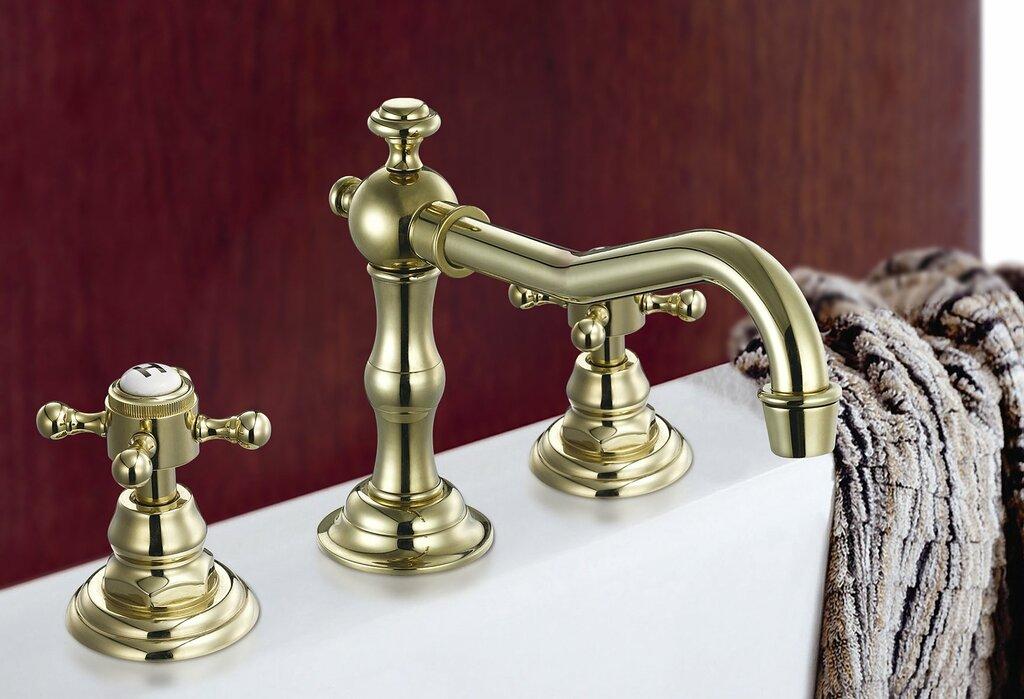
In any article about bathroom design, you'll always find the advice to not skimp on plumbing fixtures. This advice is especially relevant for apartments or homes in Cyprus. Quality plumbing fixtures not only last longer and work better, but also help conserve resources such as water and even electricity.
Here are some features that help save water:
- Aeration on faucets and showerheads. This evenly disperses water, reducing the amount needed to clean surfaces.
- Water pressure control lever. This allows you to adjust the strength of the water flow according to your needs.
- Touchless faucet with a sensor. This dispenses water only when necessary.
- Wide showerheads. Surprisingly, more nozzles means less water is needed. That's why rainfall showerheads are not only comfortable, but also economical.
- Toilet with a dirt-repellent surface. This not only uses less water for flushing, but also reduces the need for household chemicals, which is environmentally friendly.
- Dual flush. This is a classic feature that allows you to choose how much water to use for flushing the toilet.
Also remember that faulty plumbing fixtures (including pipes) can create a significant water leak, even from just a drop of water.
6. Space for children
If you have children at home, it's worth considering their convenience. The main "problem" is their small height. For a toddler, it's worth equipping special stands that can be built into furniture and pulled out/pushed in as needed.
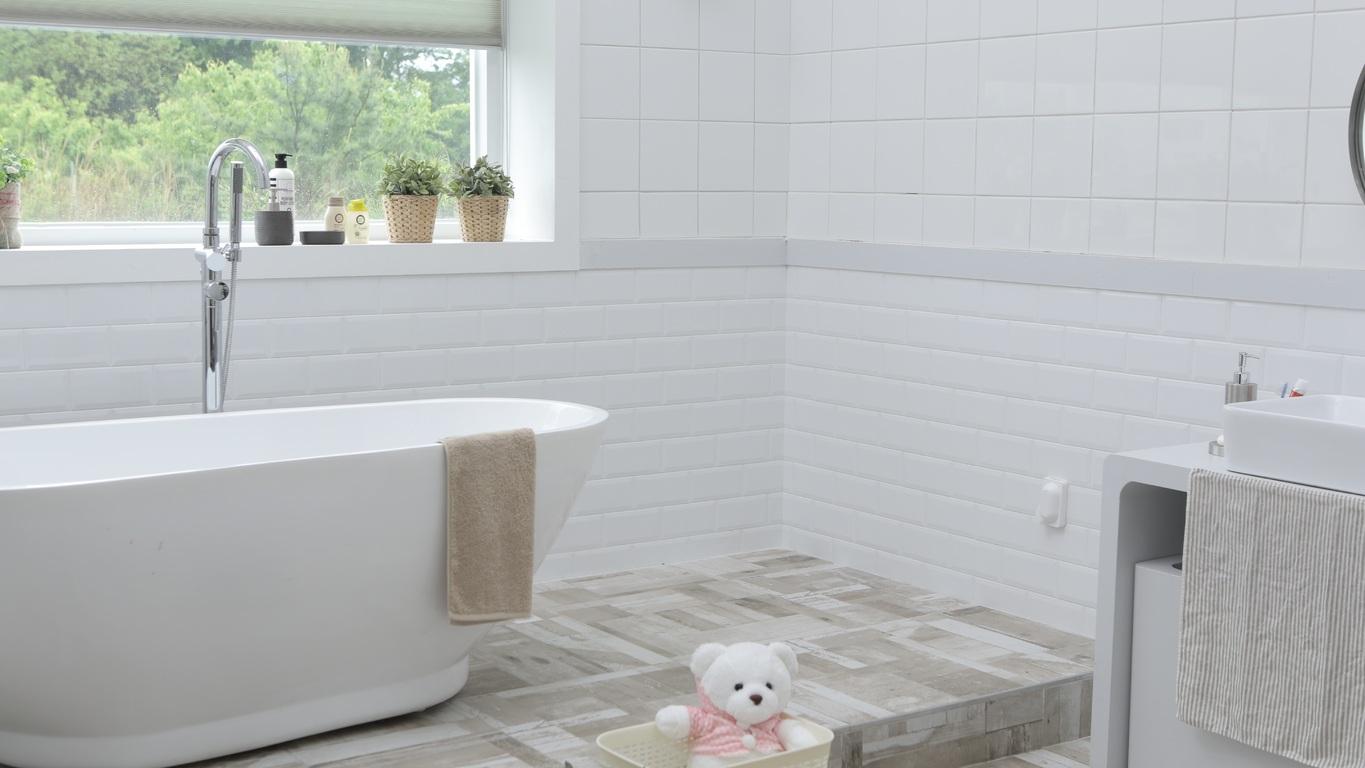
It is recommended to make the floor surface non-slip. This can be achieved by using a specific coating (such as poured floors or cork) or rubber mats. It's also a good idea to put them in the shower or corner.
If space allows, allocate a separate cabinet for the child to store their things. And place it so that the child can use it as conveniently as possible.
7. Furniture
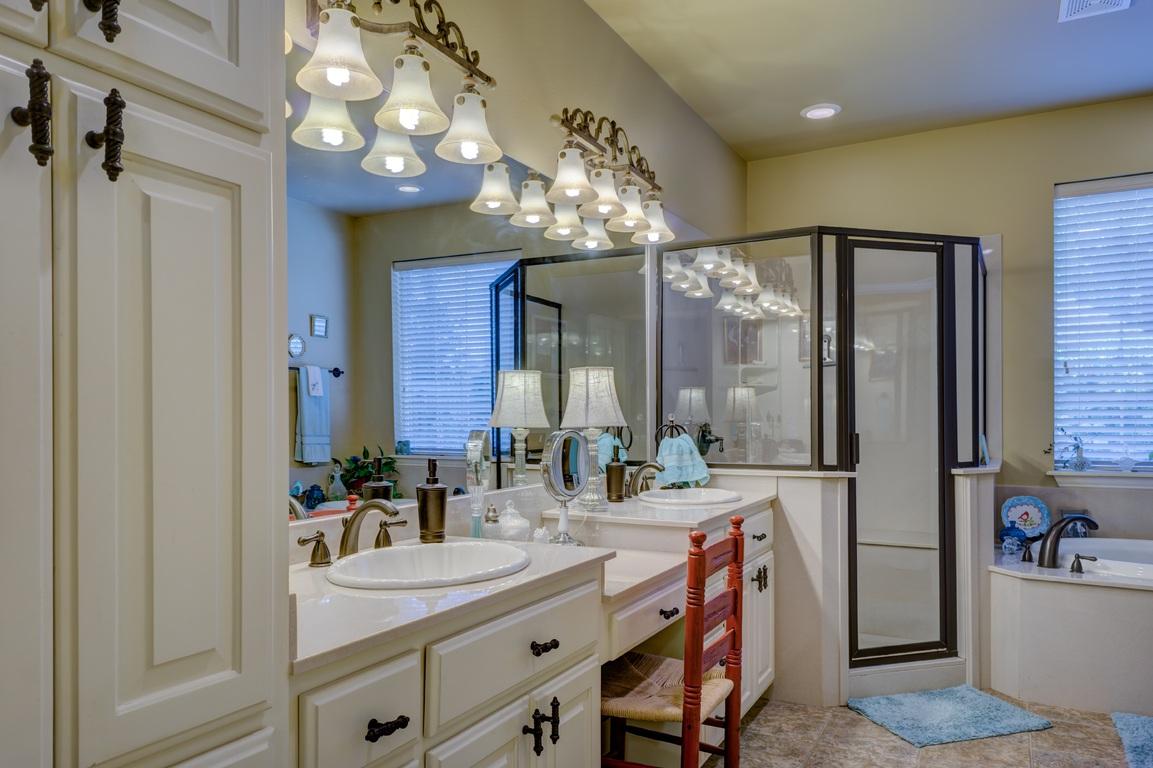
As a rule, furniture for the bathroom is chosen to be concise, without bright finishes, and with the most convenient shape. This can be both open shelves and closing cabinets. The latter option has several advantages: it hides everything that "doesn't fit" into the interior and protects the contents from excess moisture.
Recently, there has been a trend of completely getting rid of furniture, but this option is not practical. As experience shows, it's still better to have at least one cabinet. If you really want a "clean" space, the storage area can be mounted in such a way that it blends in with the walls and is not visible.
8. Pleasant and useful little things
In addition to all the main things, it is important to think about the little things that will be useful and convenient every day.
8.1. "Utility" sink
The first thing to talk about is a place to wash things (such as shoes, rags, and maybe even dog paws?). It is more reasonable and hygienic to separate it from the shower or bath. If you have a large house and there is a utility room, you can install a utility sink there, but in an apartment, it can be installed in the shared bathroom. The main thing is to have enough space for it.
8.2. Bidet
An underestimated item of hygiene, which, however, is increasingly found in European bathrooms. Usually it is chosen in conjunction with a toilet and they try to place it next to it. But it is not necessary - it is possible to move the bidet behind a separate partition, if the space allows.
8.3. Absence of various items
Shower gel, skincare products, toothbrushes and toothpaste, sponges, creams. All of this is appropriate in the bathroom, but visually creates a mess and even chaos. This issue should be resolved immediately: come up with storage spaces for things that stand out from the interior. You will be surprised how much better your bathroom will look after removing all the "foreign" objects from visible places!
8.4. Music and aroma lamps
Many people cannot take a shower without invigorating music. And someone even likes to sing along. Why not treat yourself and install a built-in music system? Modern technologies allow not only listening to music in the bathroom, but also setting the time for its inclusion. Ideal for those who find it difficult to wake up in the morning, for example.
It is also worth thinking about a place to install aroma lamps and sticks if you use them. They require some space, so it is better to plan this moment in advance.

Are you interested in real estate in Cyprus? Check out DOM! The agency's website offers the largest database of real estate in the country - more than 30,000 residential and commercial properties across the island! Here you will find information on the latest development projects. Choose and contact professional brokers who will help you make the right choice!
Also read:
- 10 ways to reduce electricity costs in Cyprus
- Two floors, a terrace, and a gorgeous sea view: new developments in Cyprus with exclusive apartments
- Paphos or Limassol: pros and cons
- TOP 5 mistakes in the interior design of a new apartment
- TOP 10 residential projects in Nicosia with permanent residency included
- How to find the market value of your apartment in Cyprus