Some time ago we walked through the tourist area of Parekklisia in the east of Limassol (first part of our trip, the second one), and last time we walked through the tourist part of Pyrgos.
Today it's time to explore the historical centers of both districts. How can they interest their potential residents?
Parekklisia Historical Center
As already mentioned, Parekklisia is a rather old settlement whose roots date back to the eighth millennium BC. Today it is a quiet and serene village near Limassol, connected to the city by two roads. You can get here either by turning off the expressway at the Pyrgos-Parekklisia turn and driving straight, or by driving through the historical core of the village of Agios Tychonas (we have already written about it too), and then passing undeveloped fields and hills.
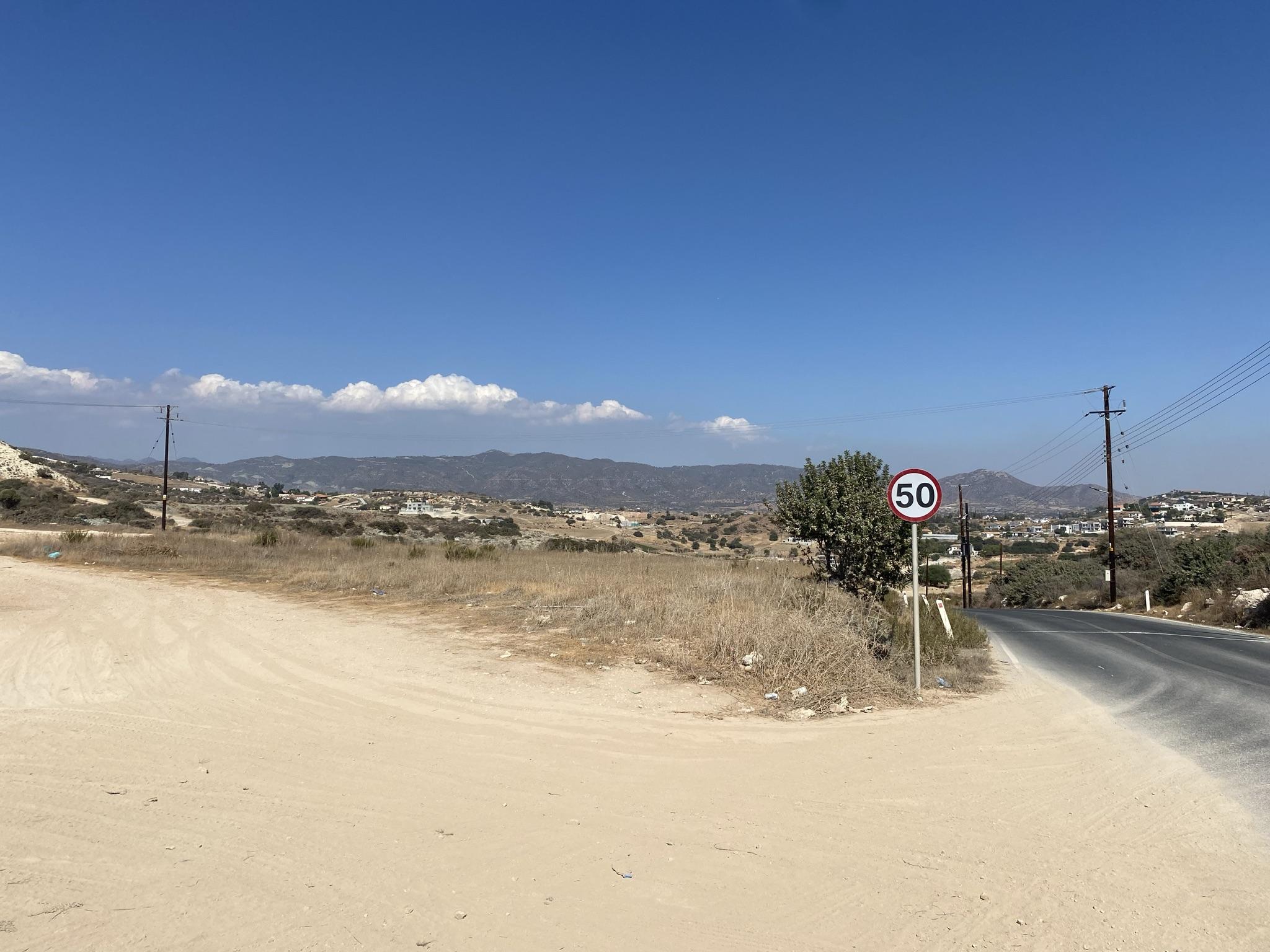
You will have to drive through the desert lands
The historical center of Parekklisia is very similar to Agios Tychonas in terms of the building architecture – traditional stone houses.
The difference is that in Parekklisia, unlike Agios Tychonas, historical buildings form the most central area (in Agios Tychonas, the residential area south of the center consisted of historical buildings, but not the center).

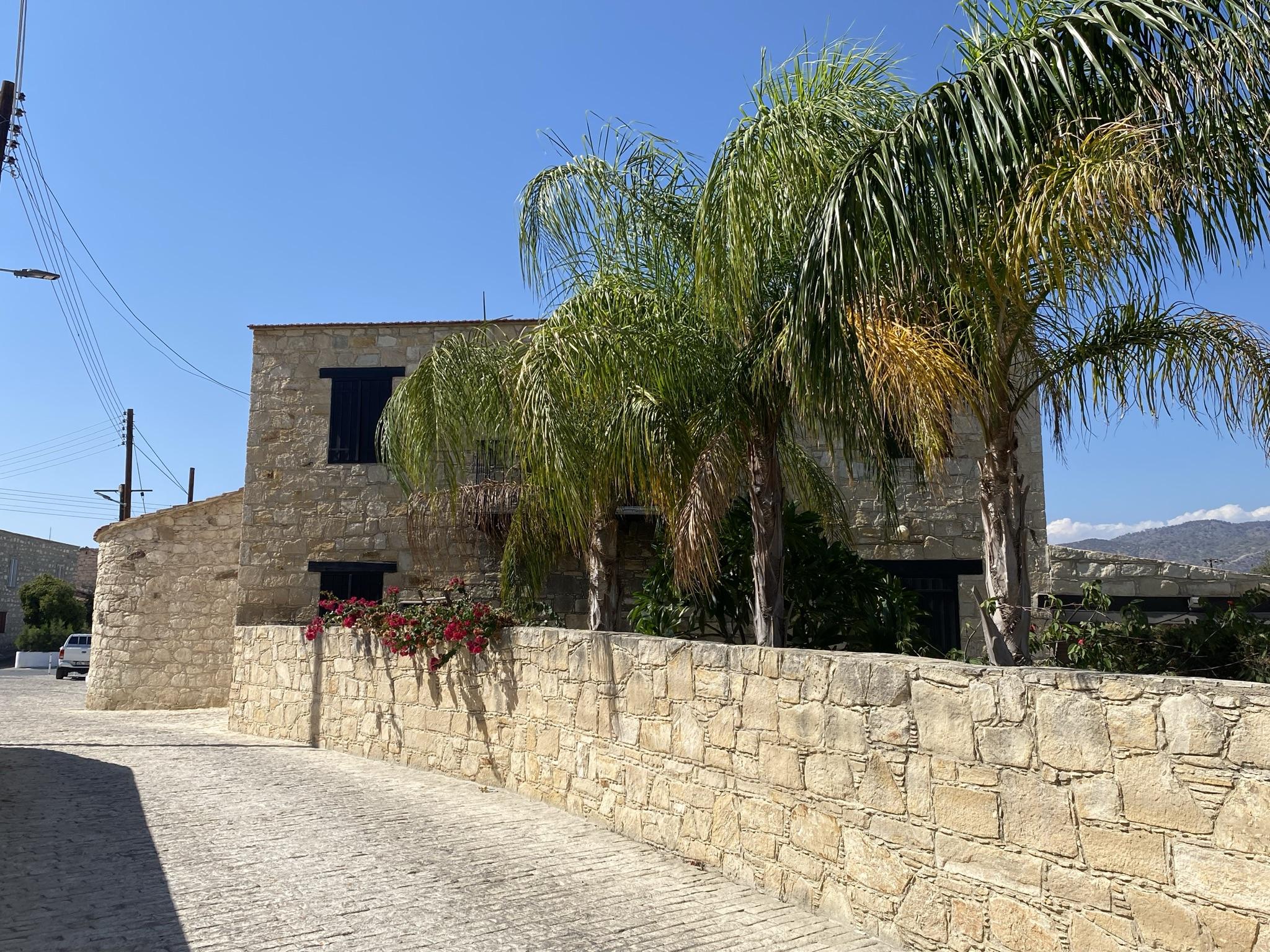
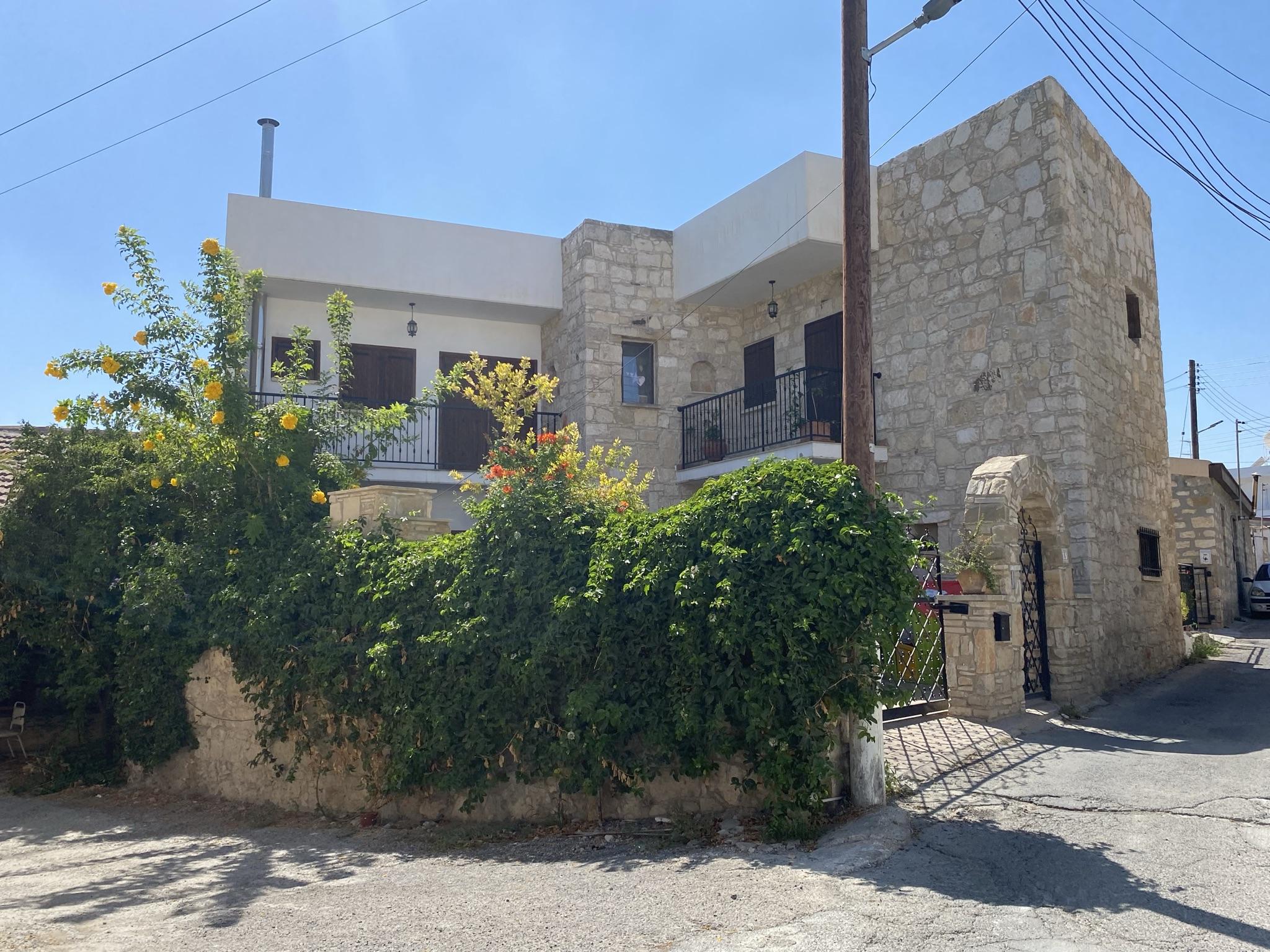
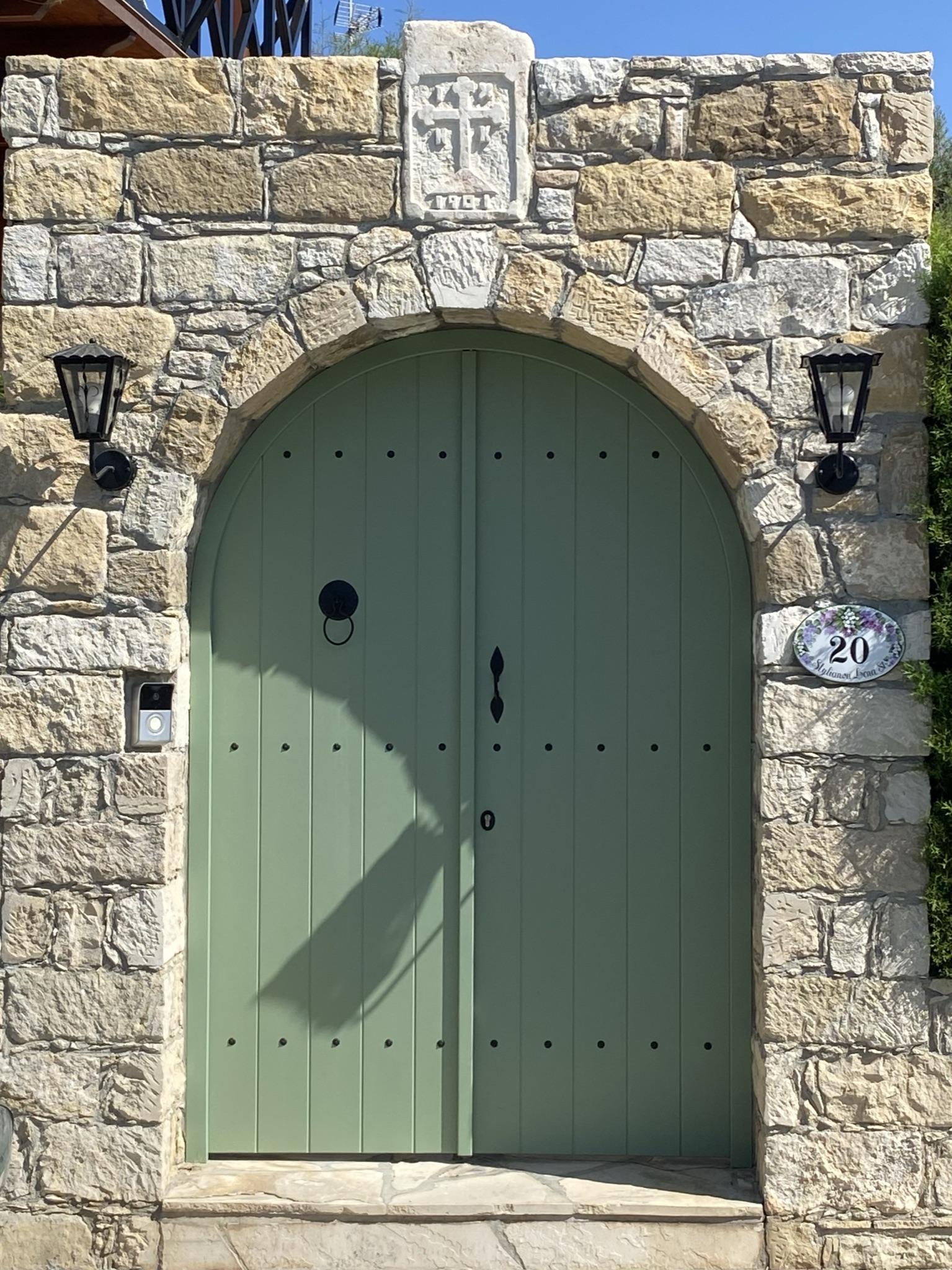
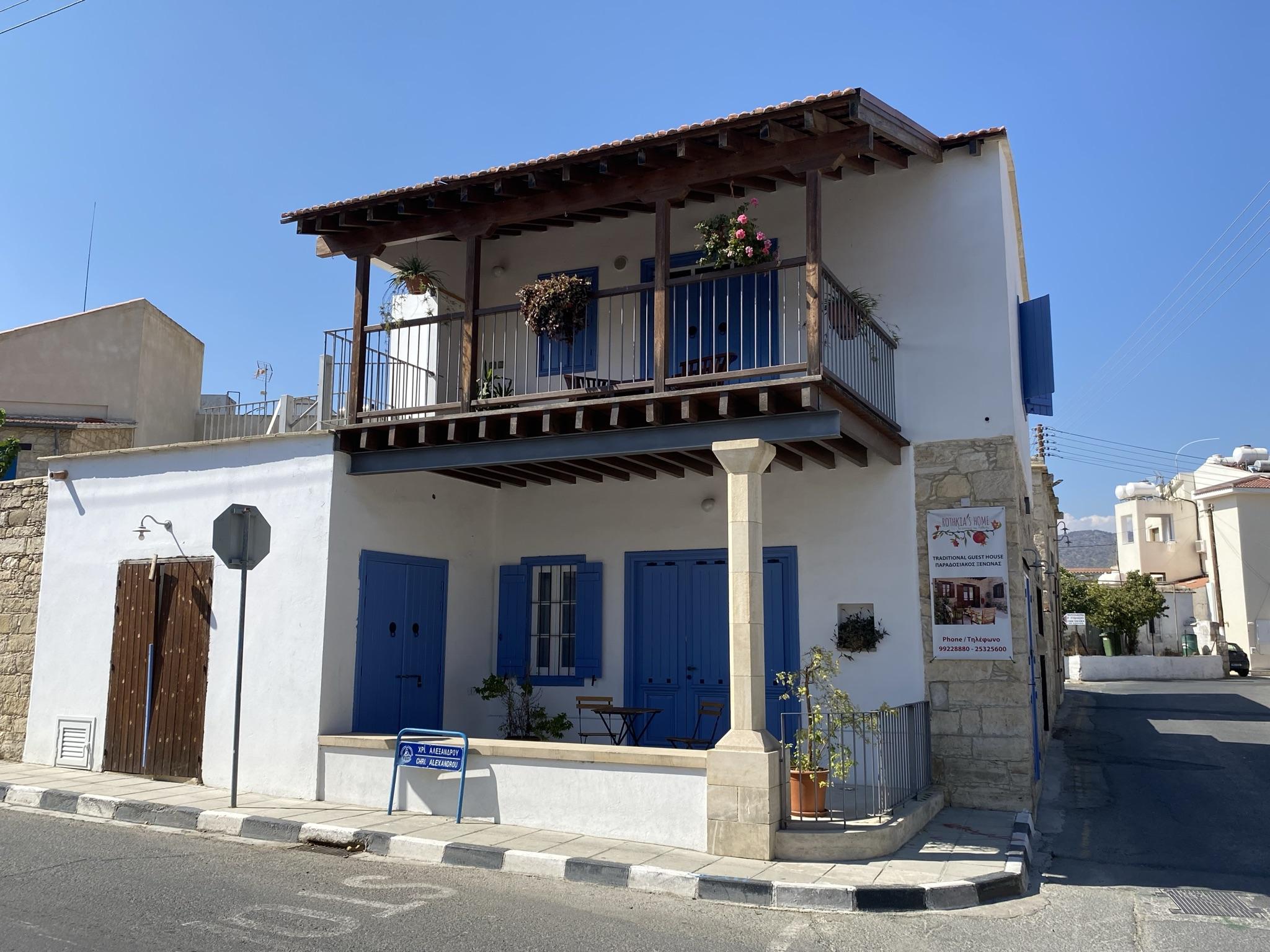
The contrast with Agios Tychonas is also that in the center of Parekklisia there are three places where you can have a delicious lunch.
They are all close to each other, thanks to which the evening and night life of the village center (especially on weekends) can be very stormy and noisy.
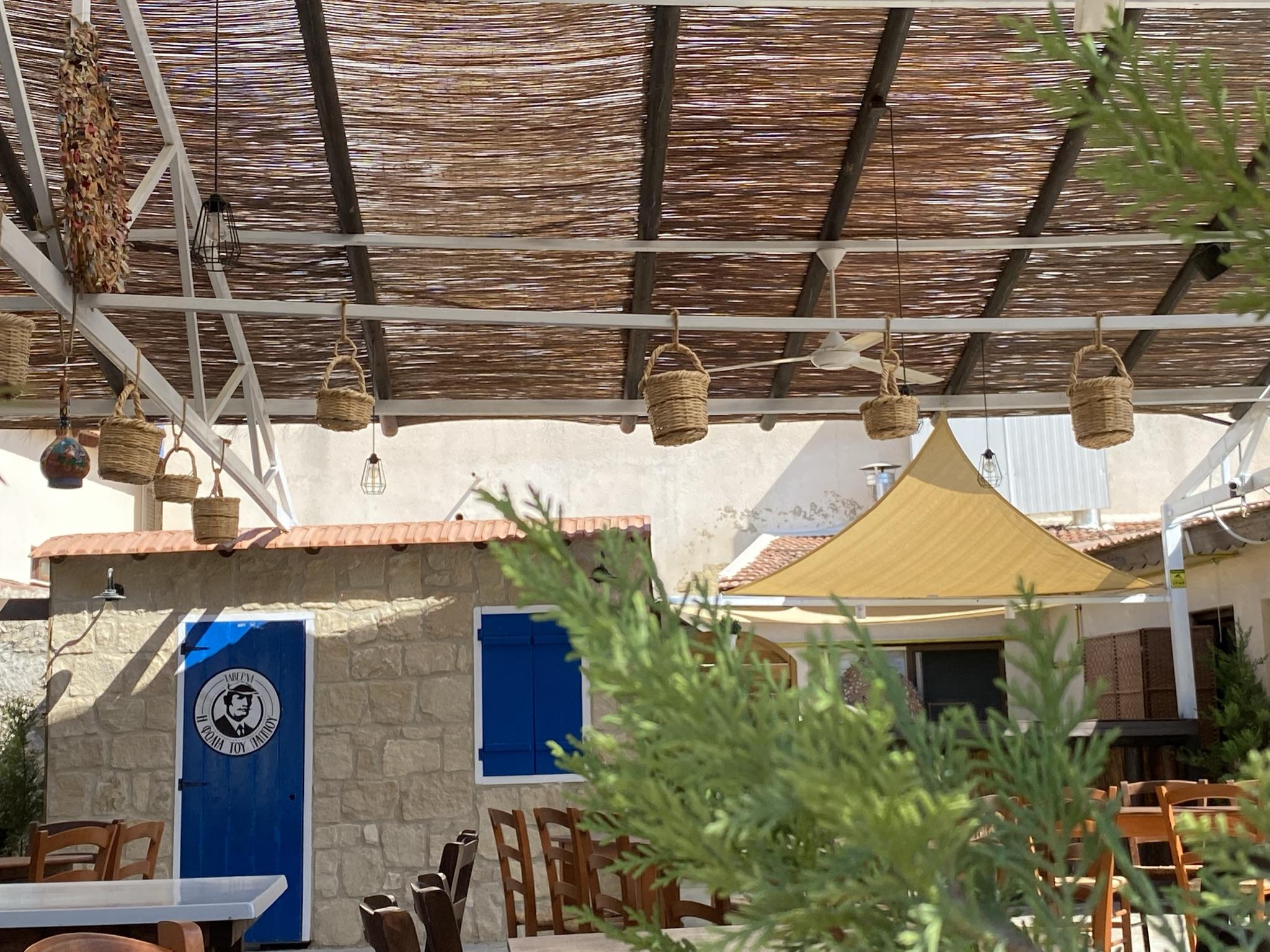
In the courtyard of one of the cafes
In the center of the village there are two temples that are of historical value.
The medieval Church of the Honest Cross was built in the XIII century. It was around this temple that the village of Parekklisia was formed, the name of which means "chapel". The temple looks very laconic externally, there is no external decoration or embellishments. The church even looks a bit like prehistoric buildings from Khirokitia or Kalavasos.
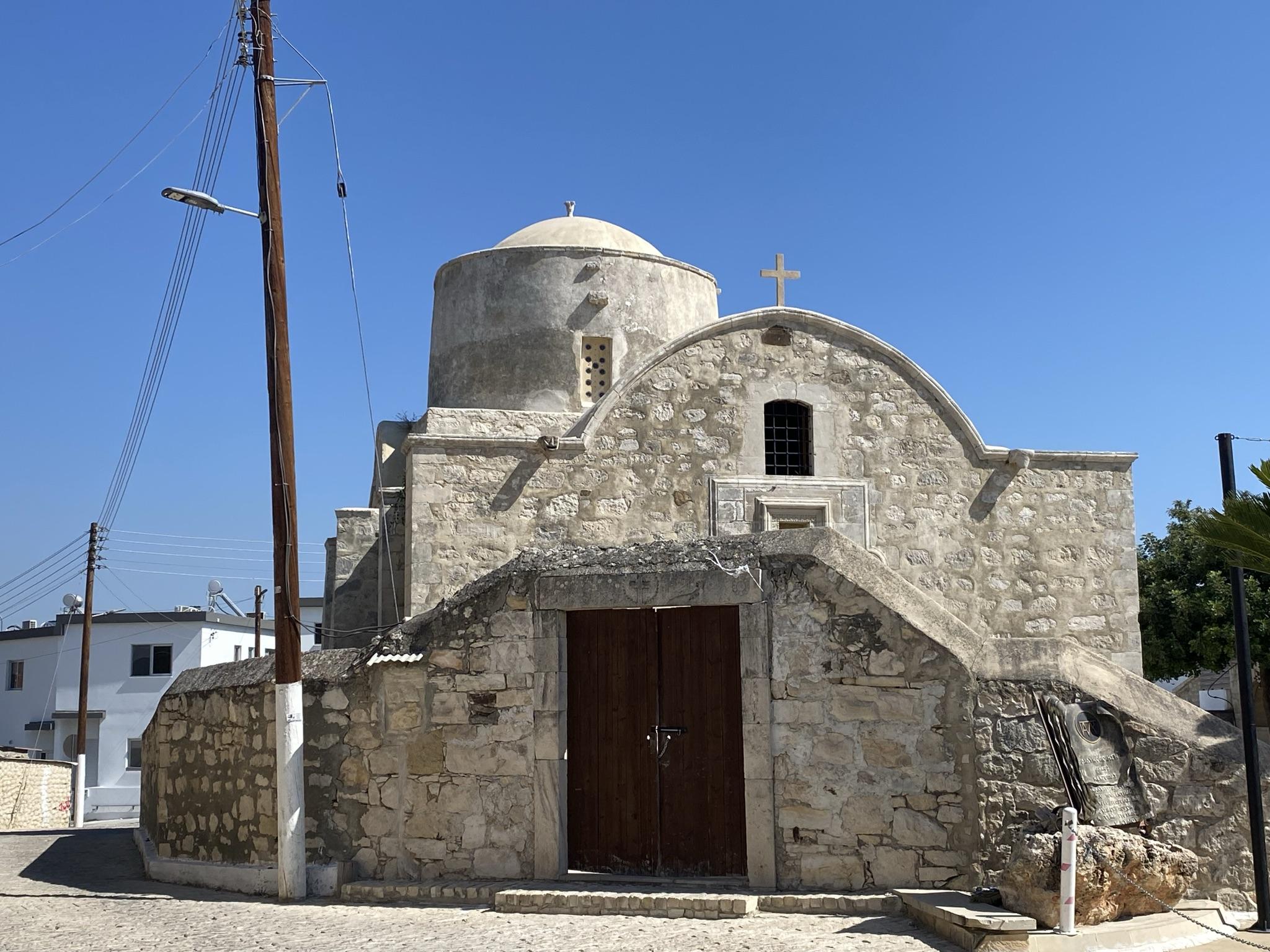
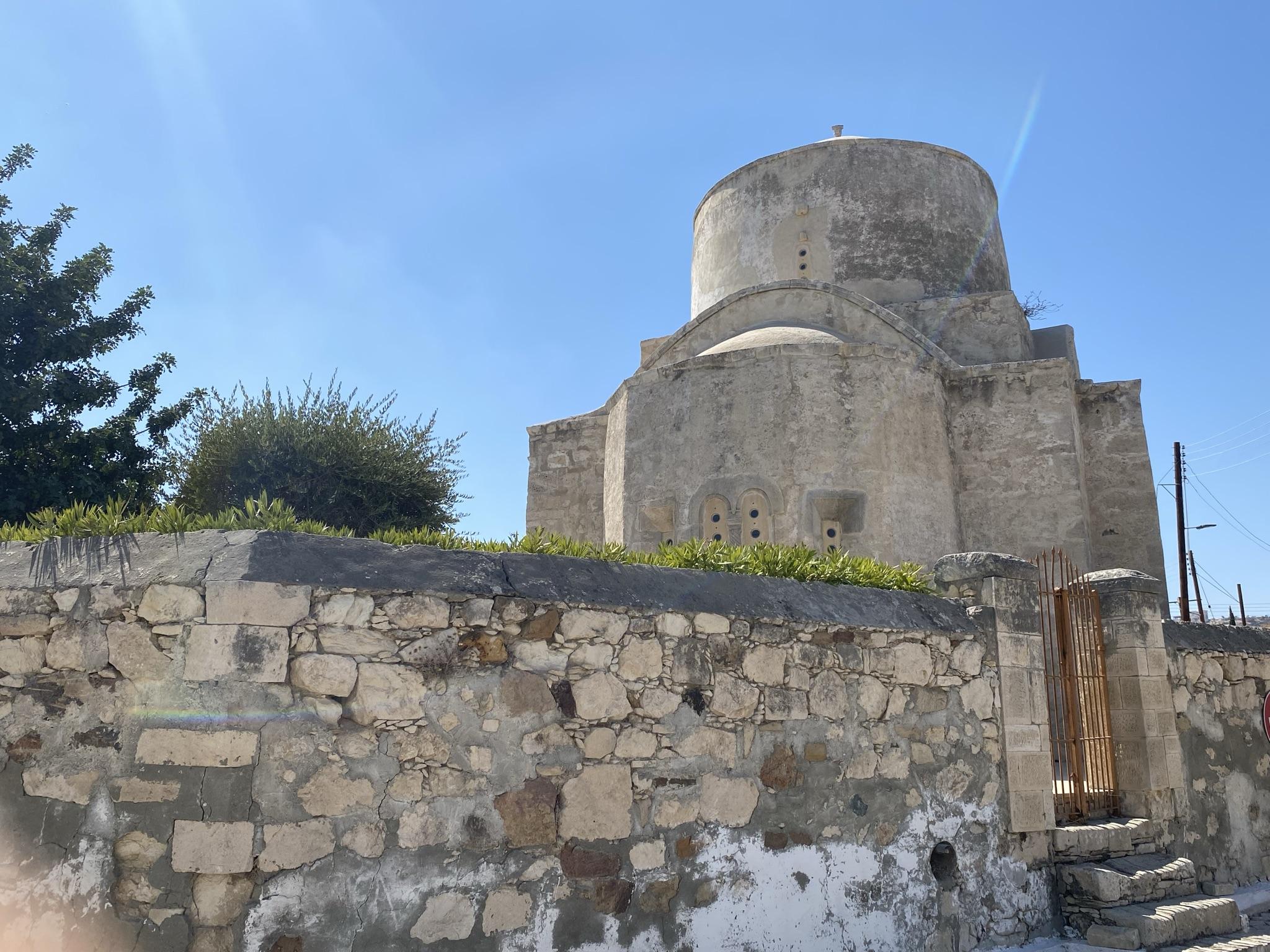
A small public space has been made opposite the temple, where local events are held periodically.

300 meters from the old one there is a (relatively) new church in honor of the Archangel Michael, built in the early twentieth century. This is a neo-Byzantine style much more familiar to the Cypriots, which is very popular on the island even now.
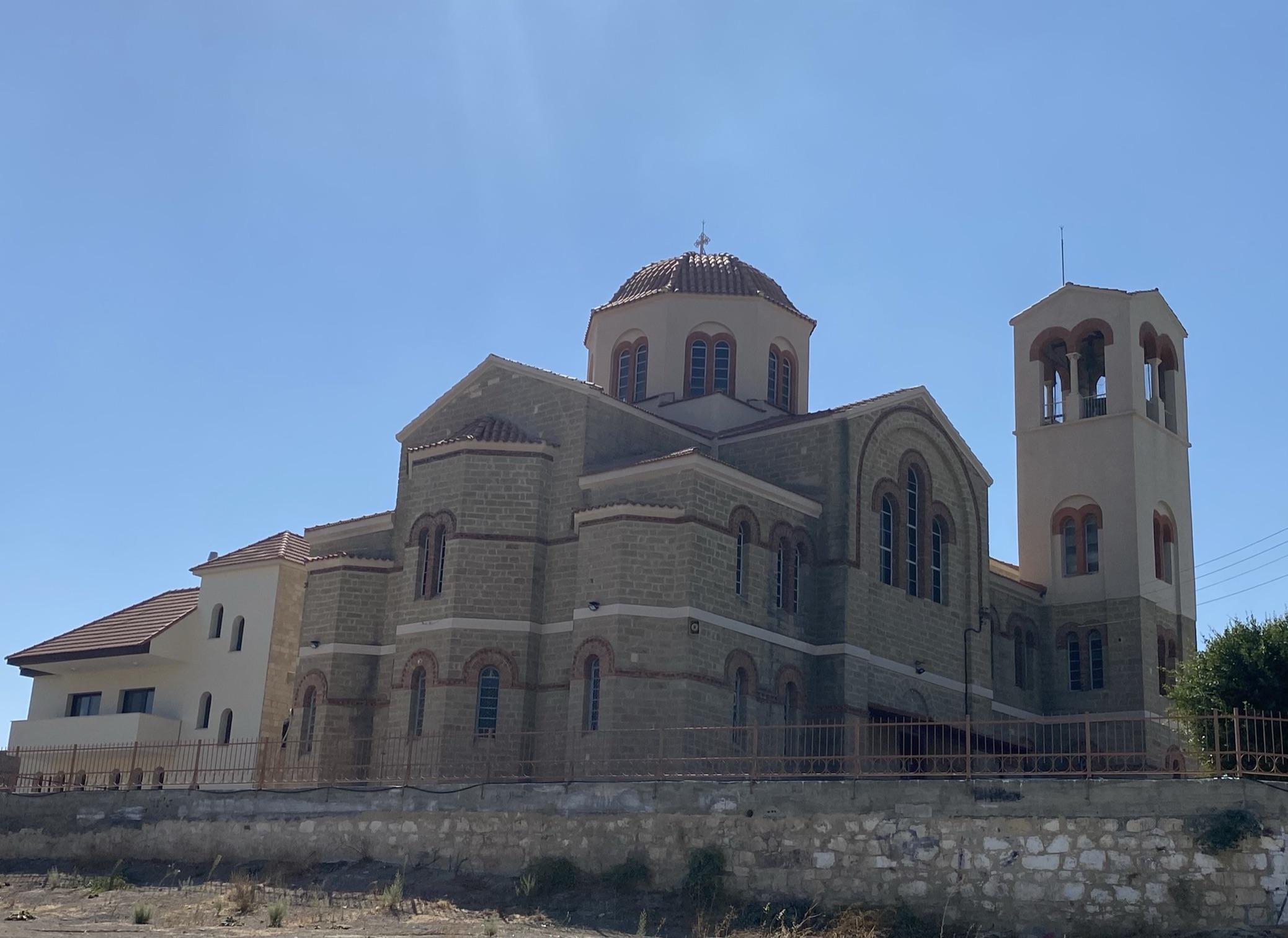
The temple has a spiritual center. Just look at these arcades and windows!
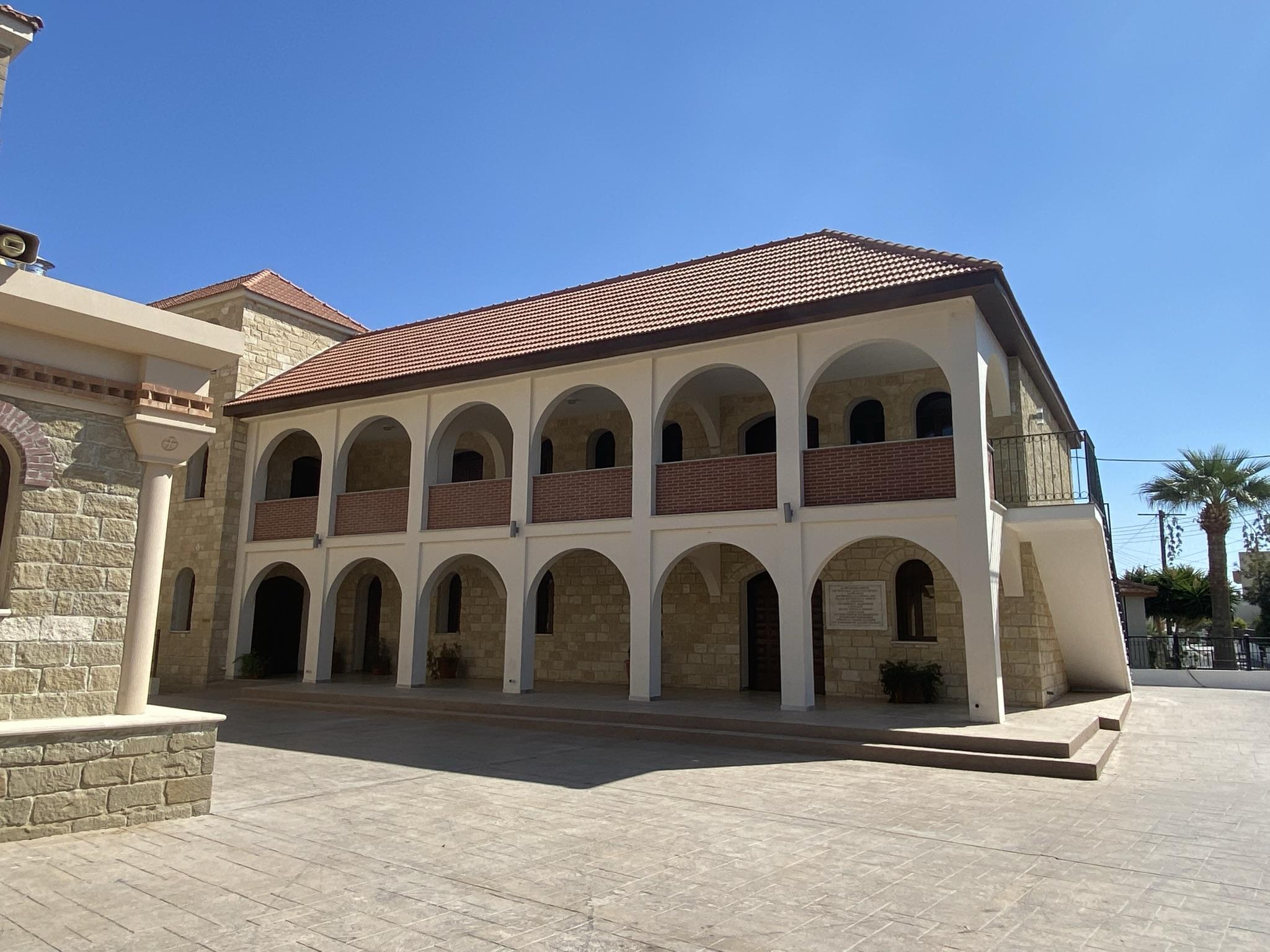
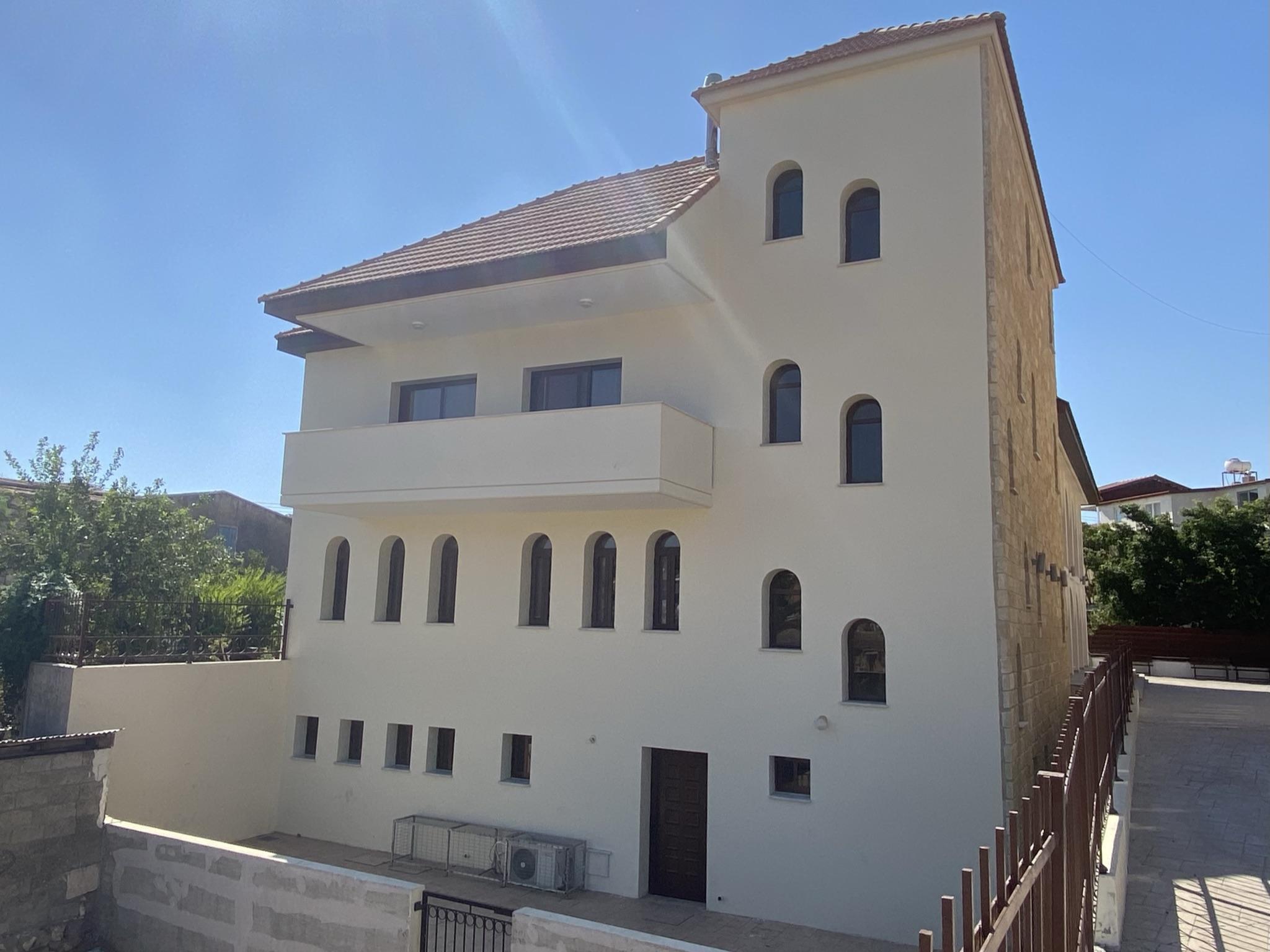

A little more of the historical center:
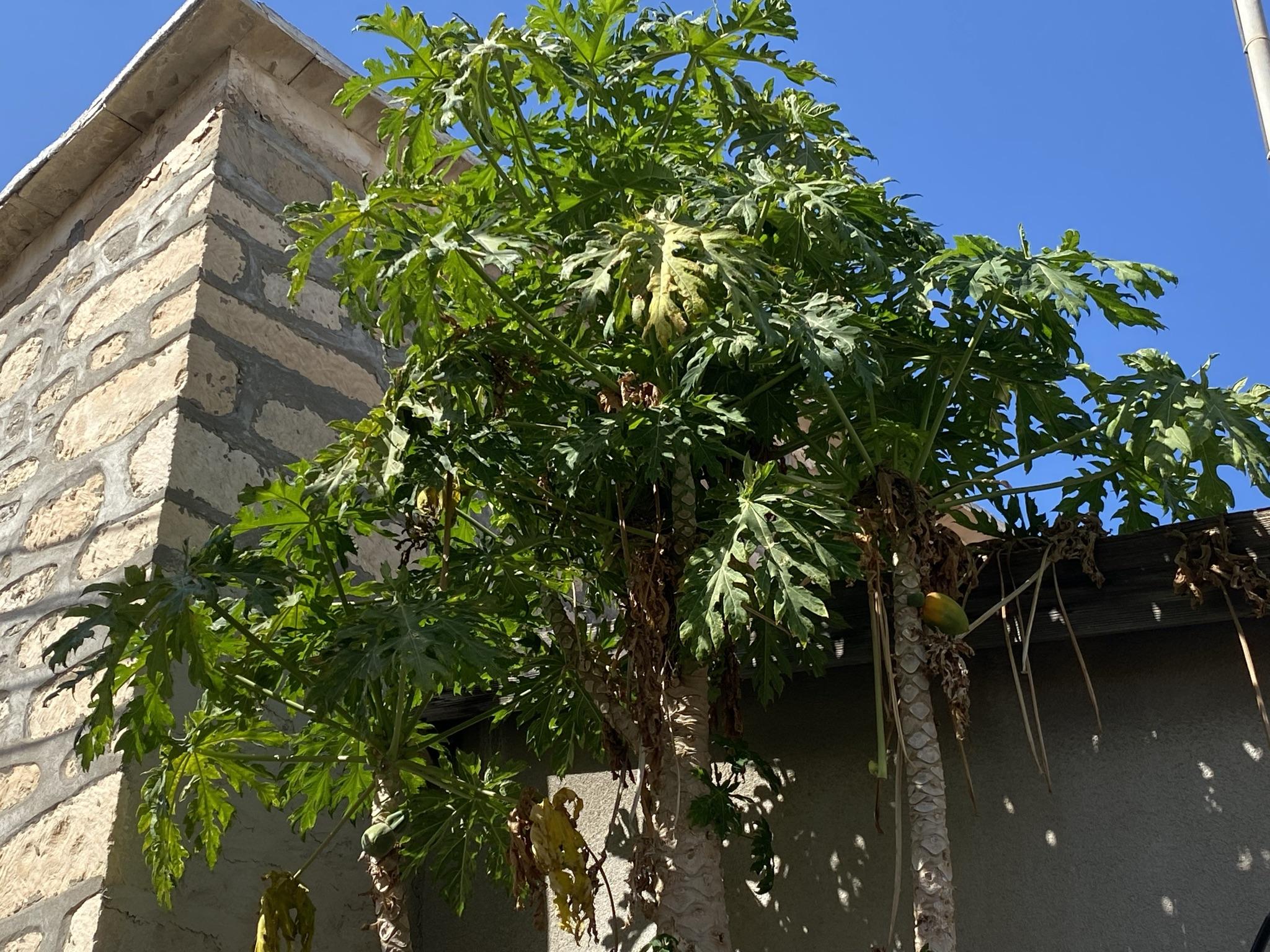
This is papaya, a ripening fruit is visible on the tree
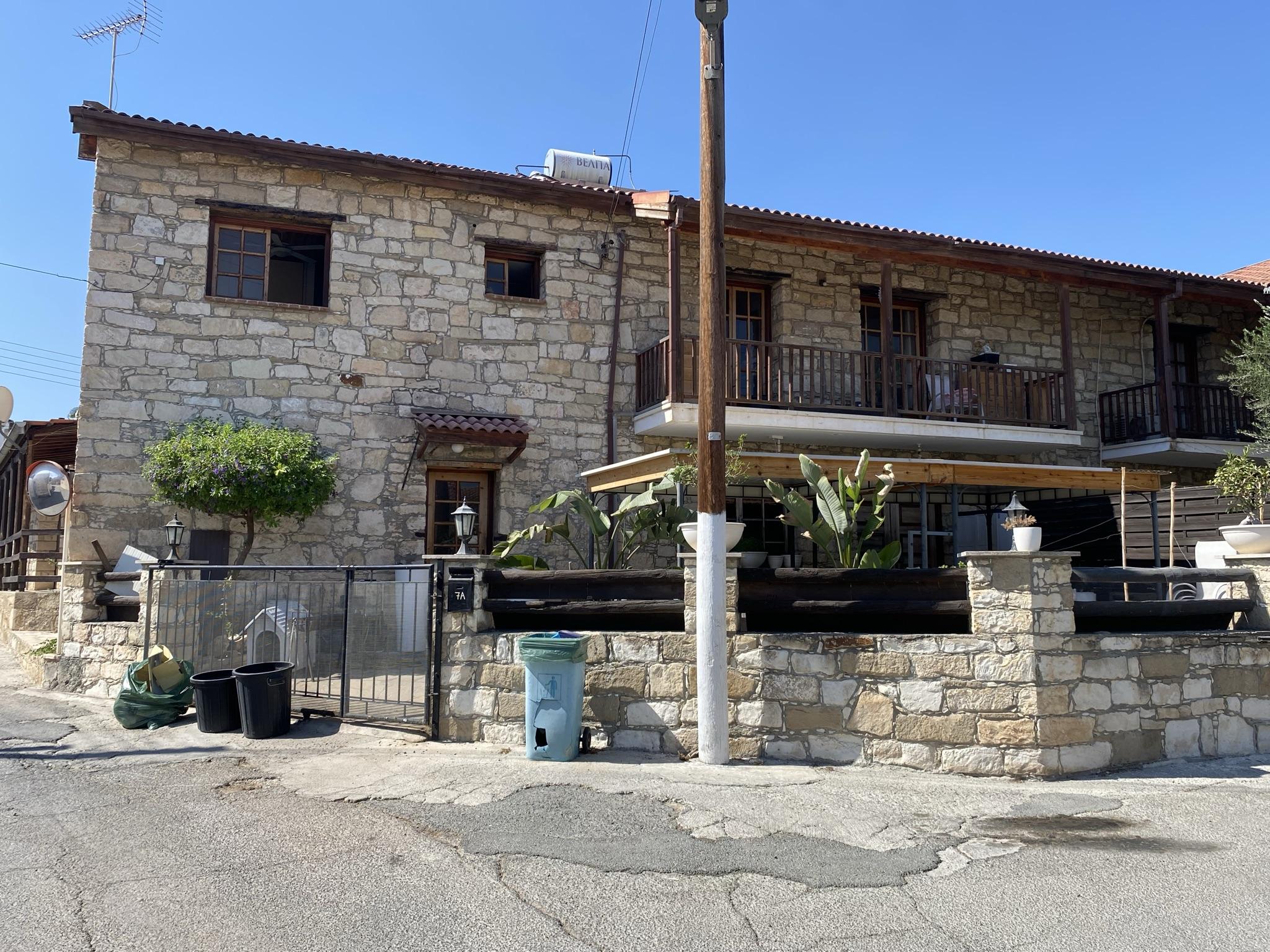
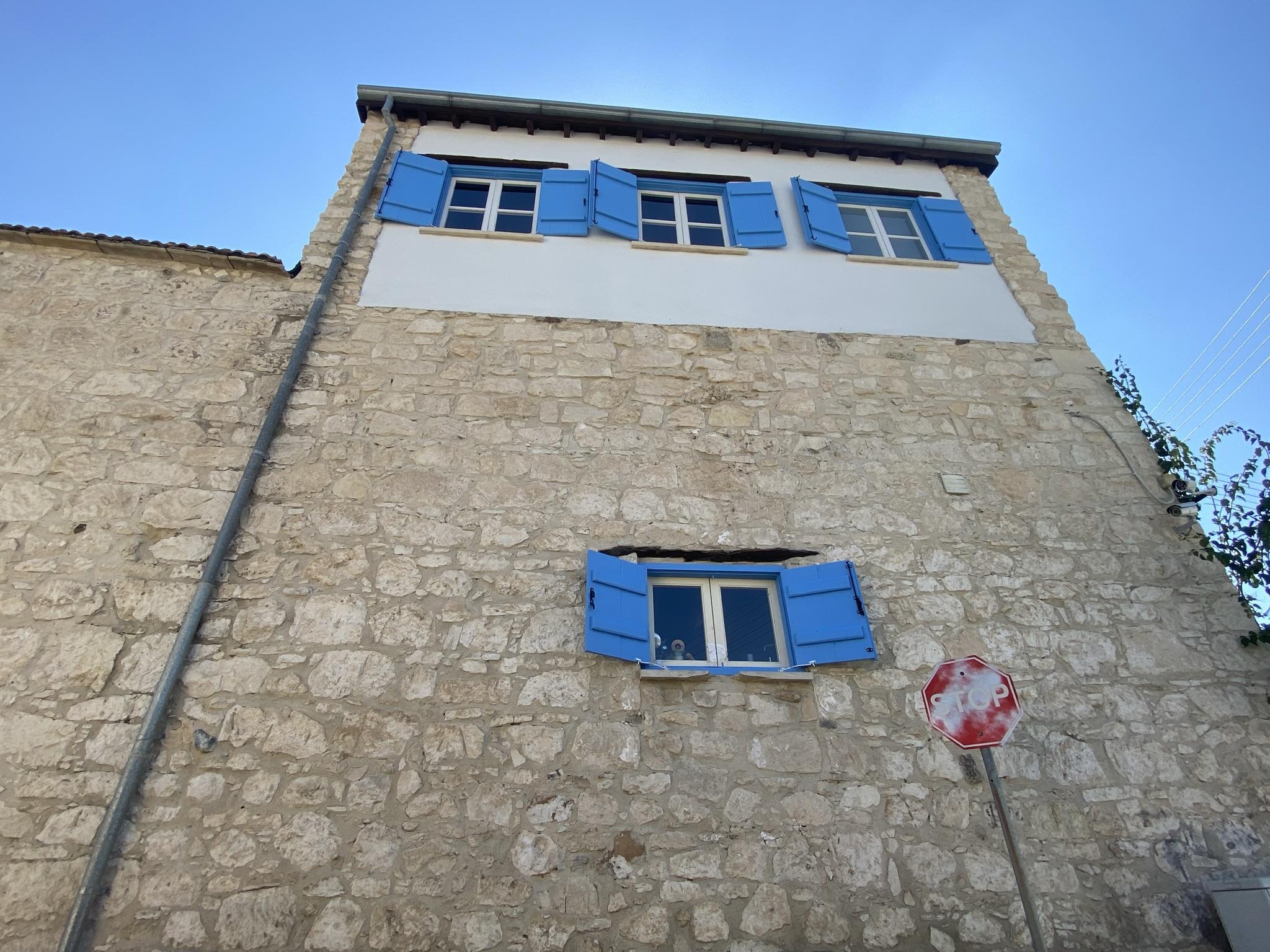
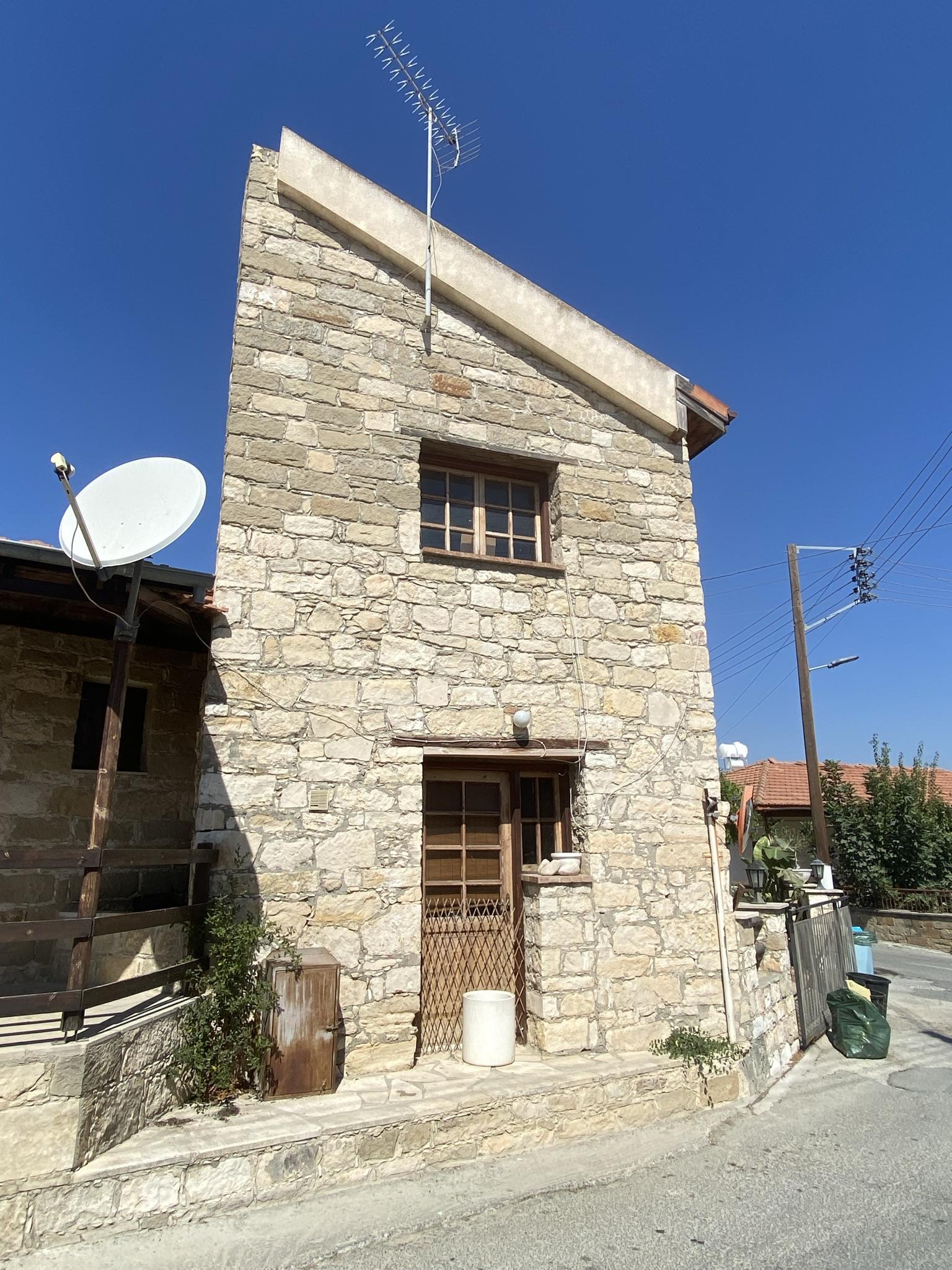
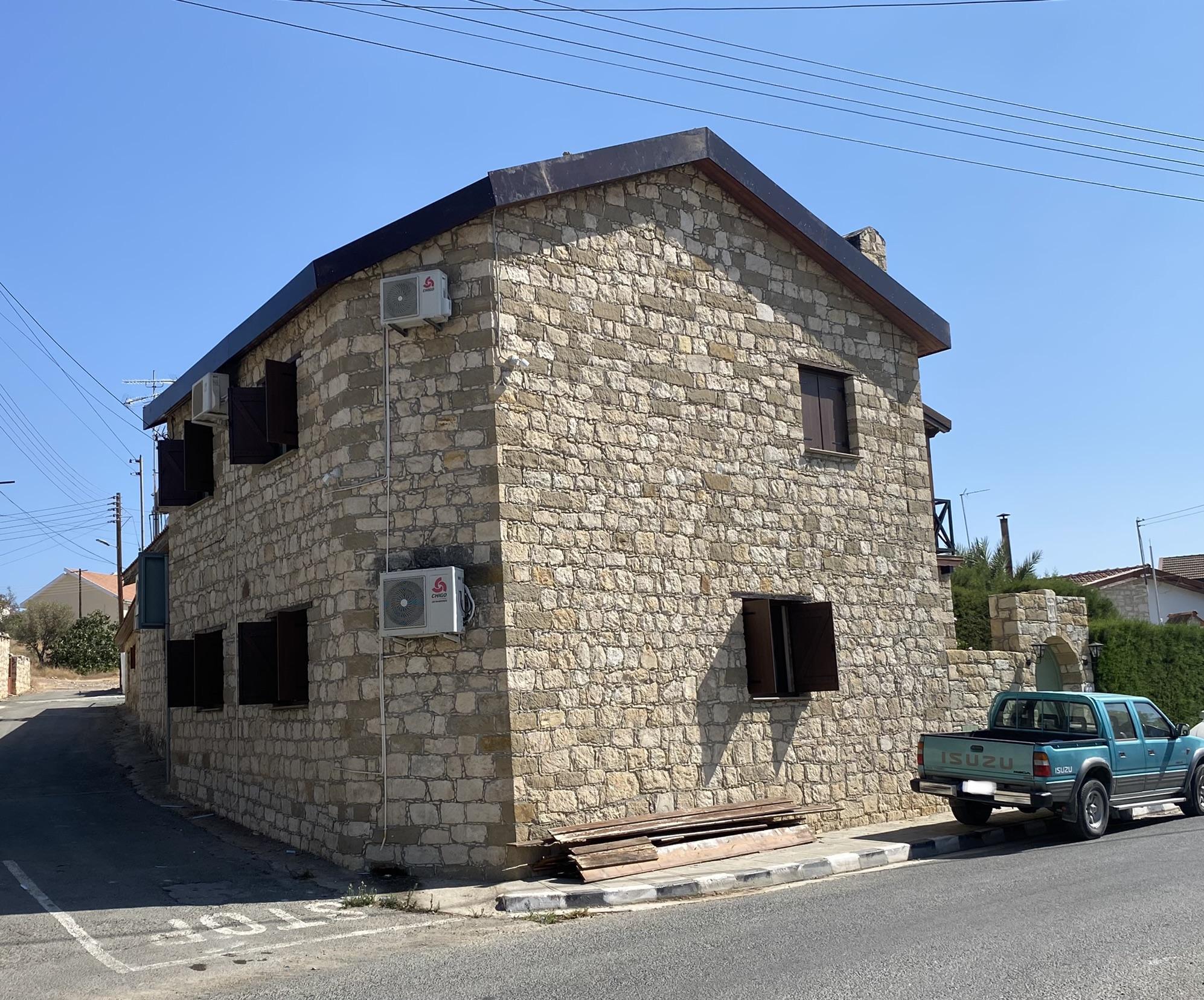
The center has good examples and architecture of the 20th century:
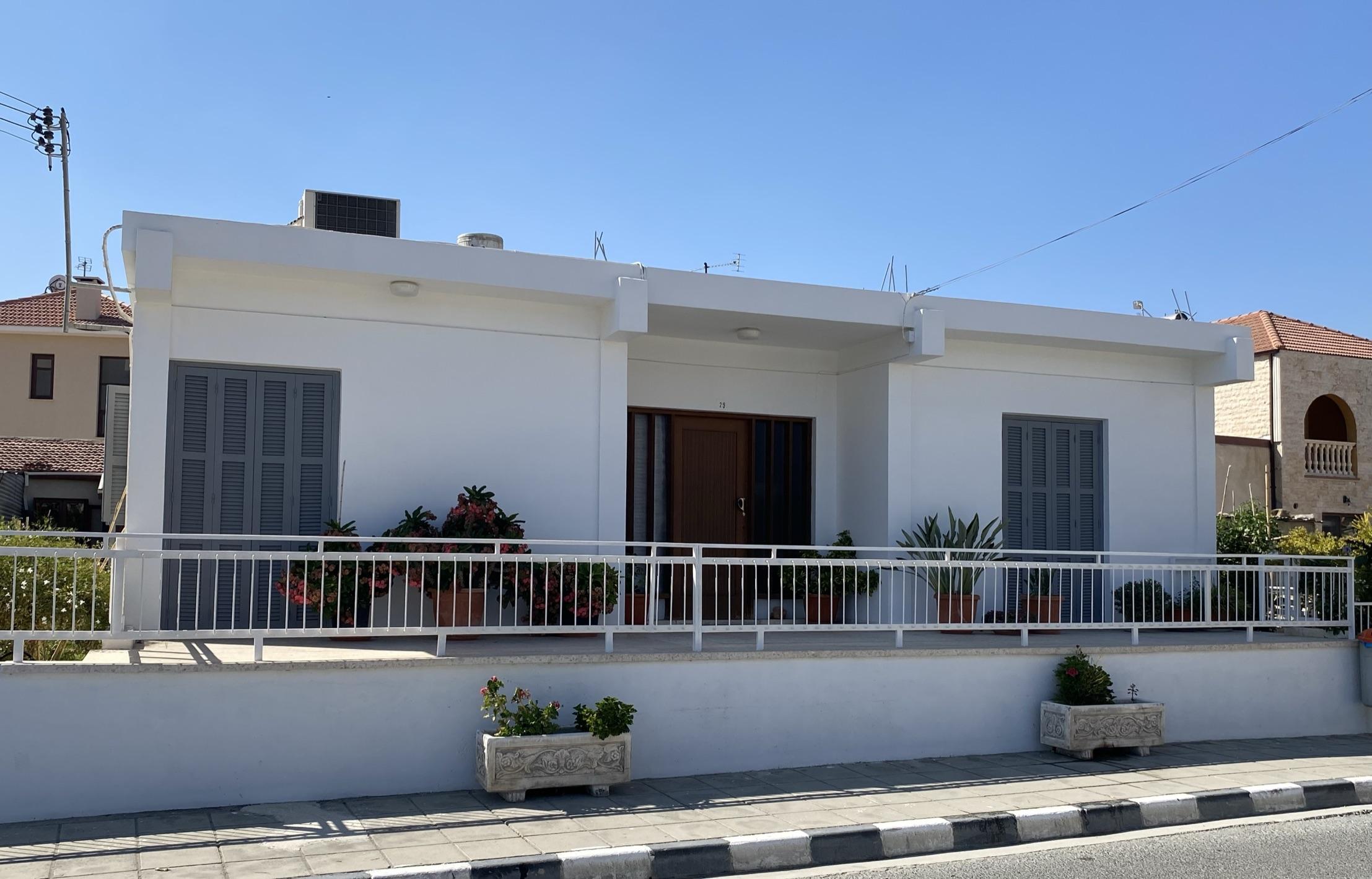
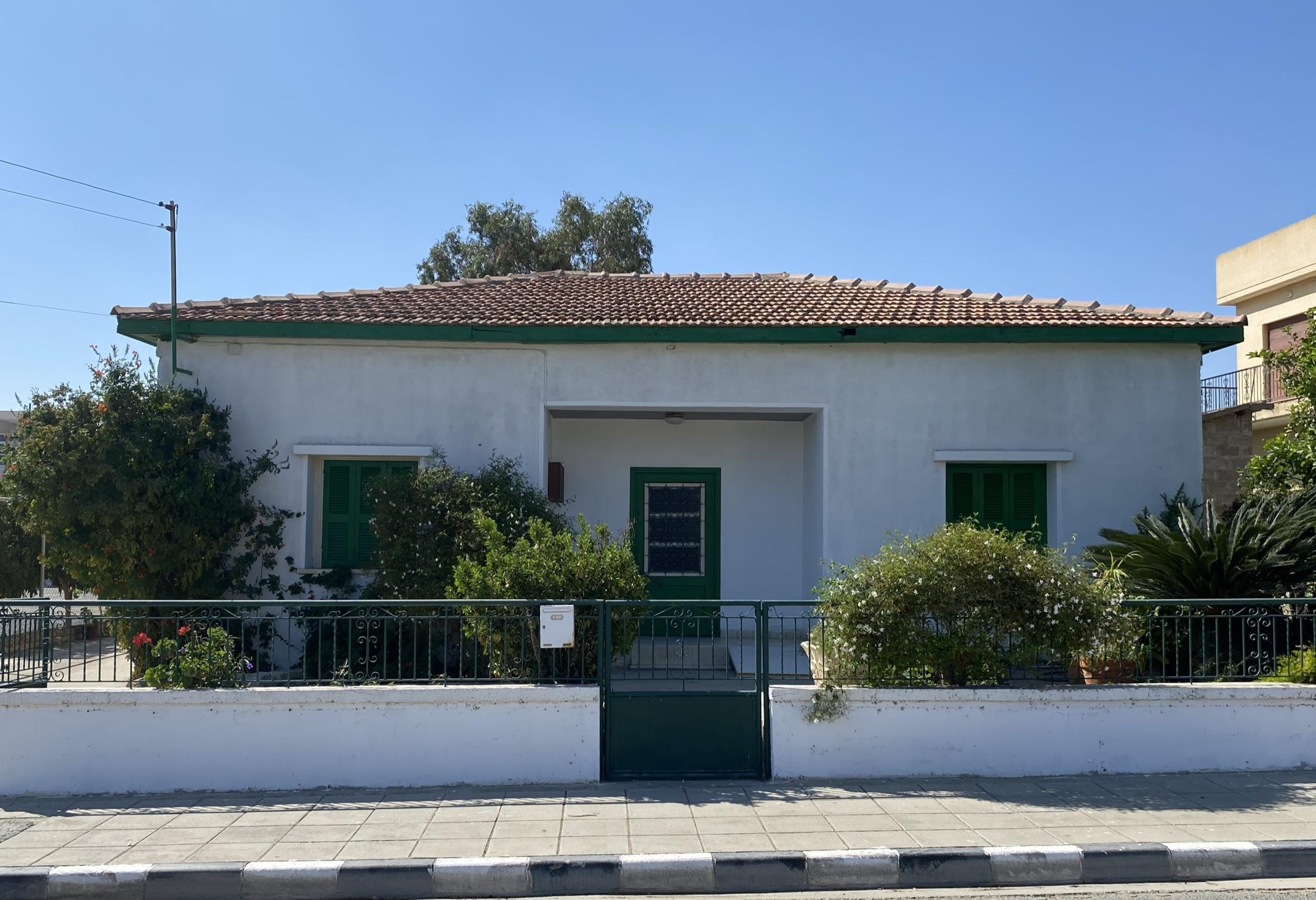
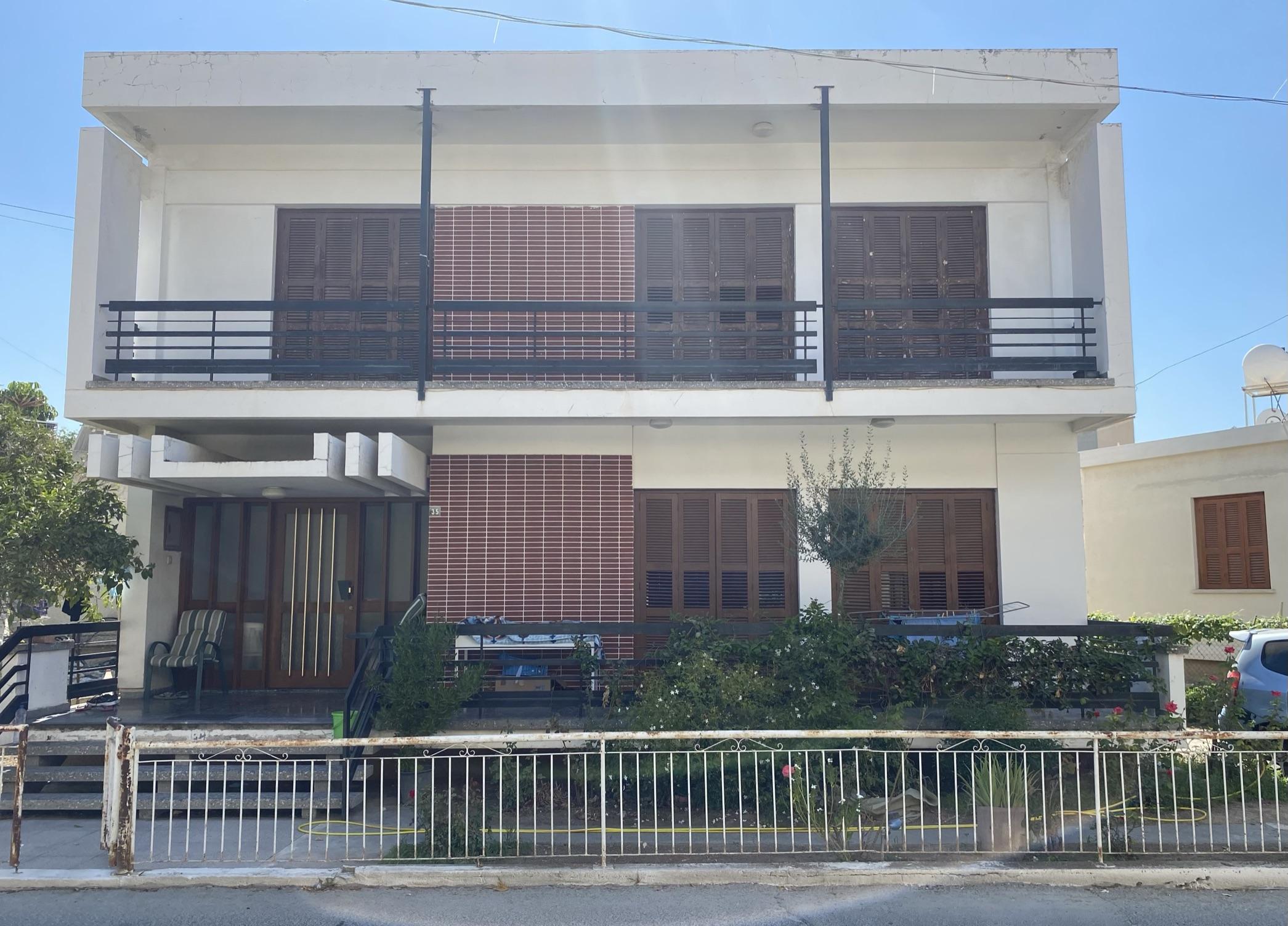
The historic center is surrounded by newer districts. The fastest growing of them is the area to the north.
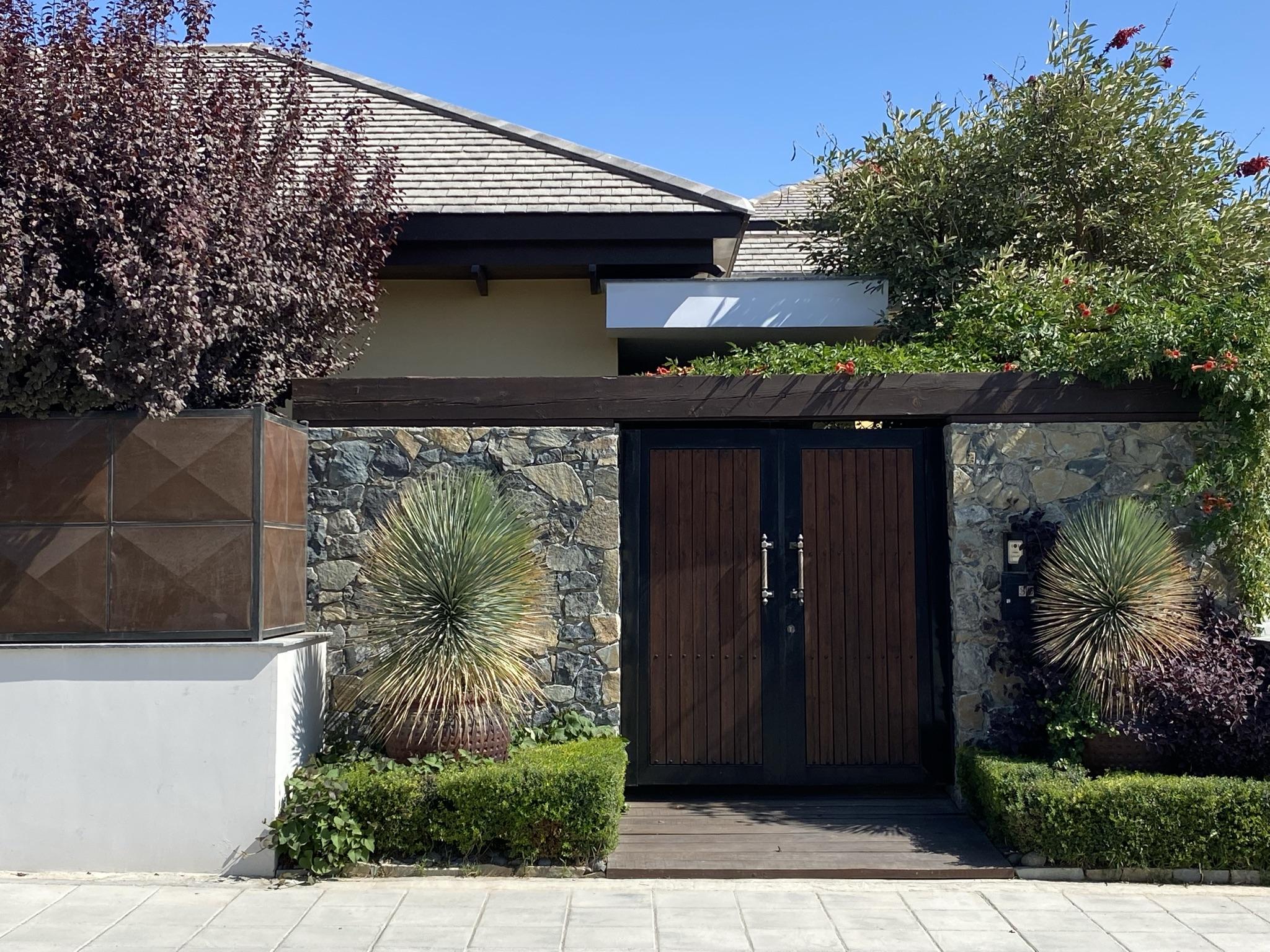
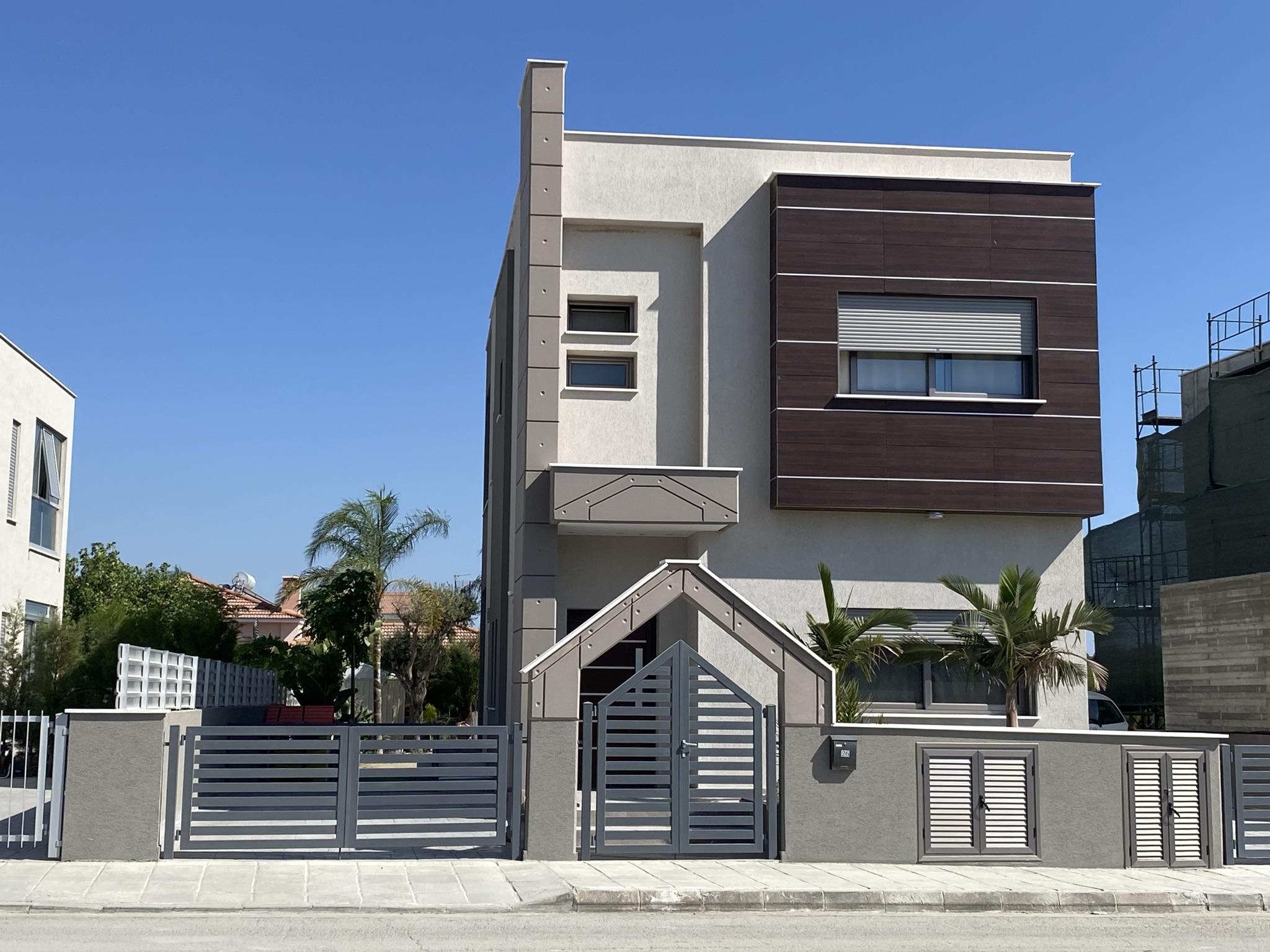

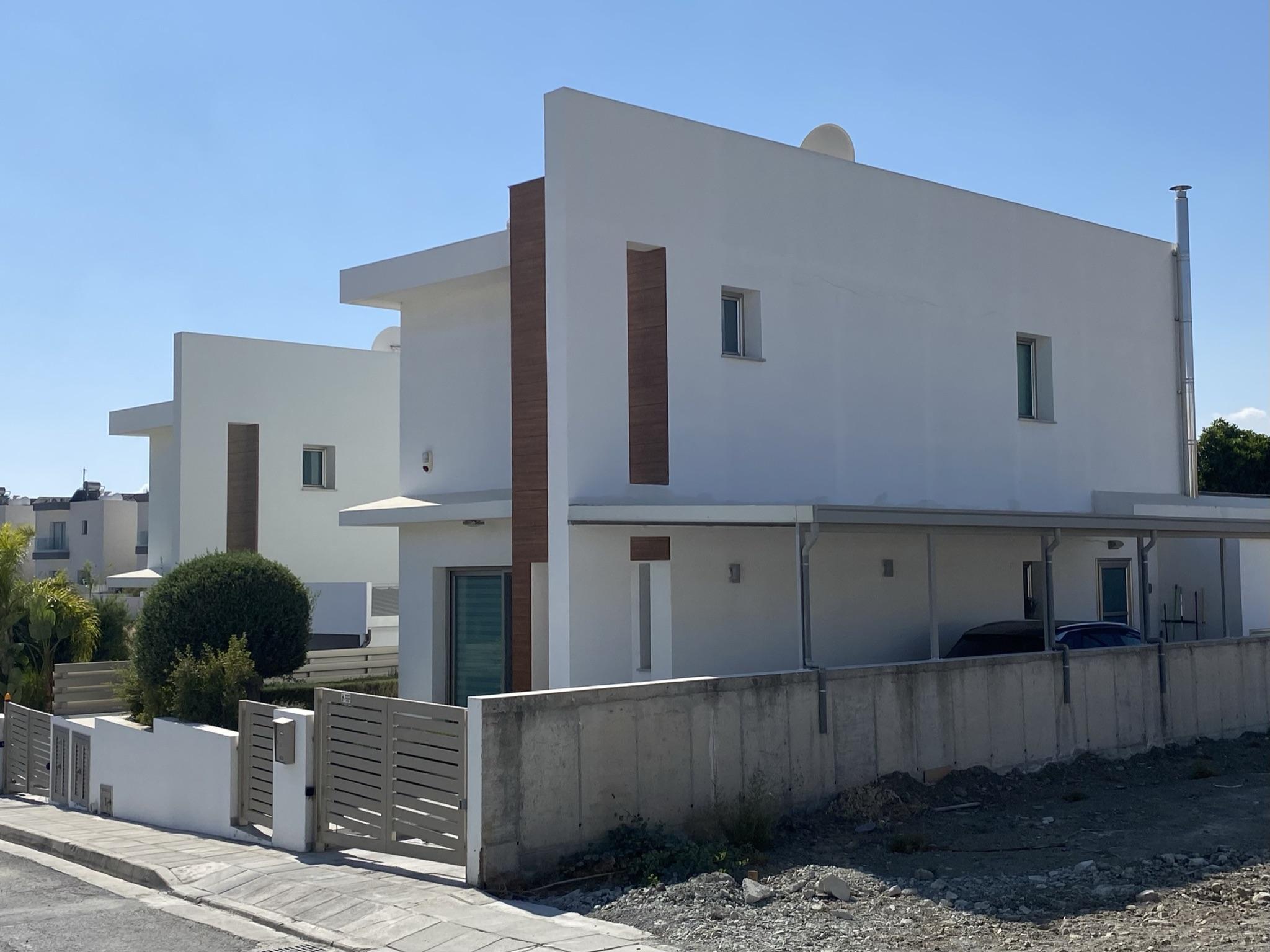
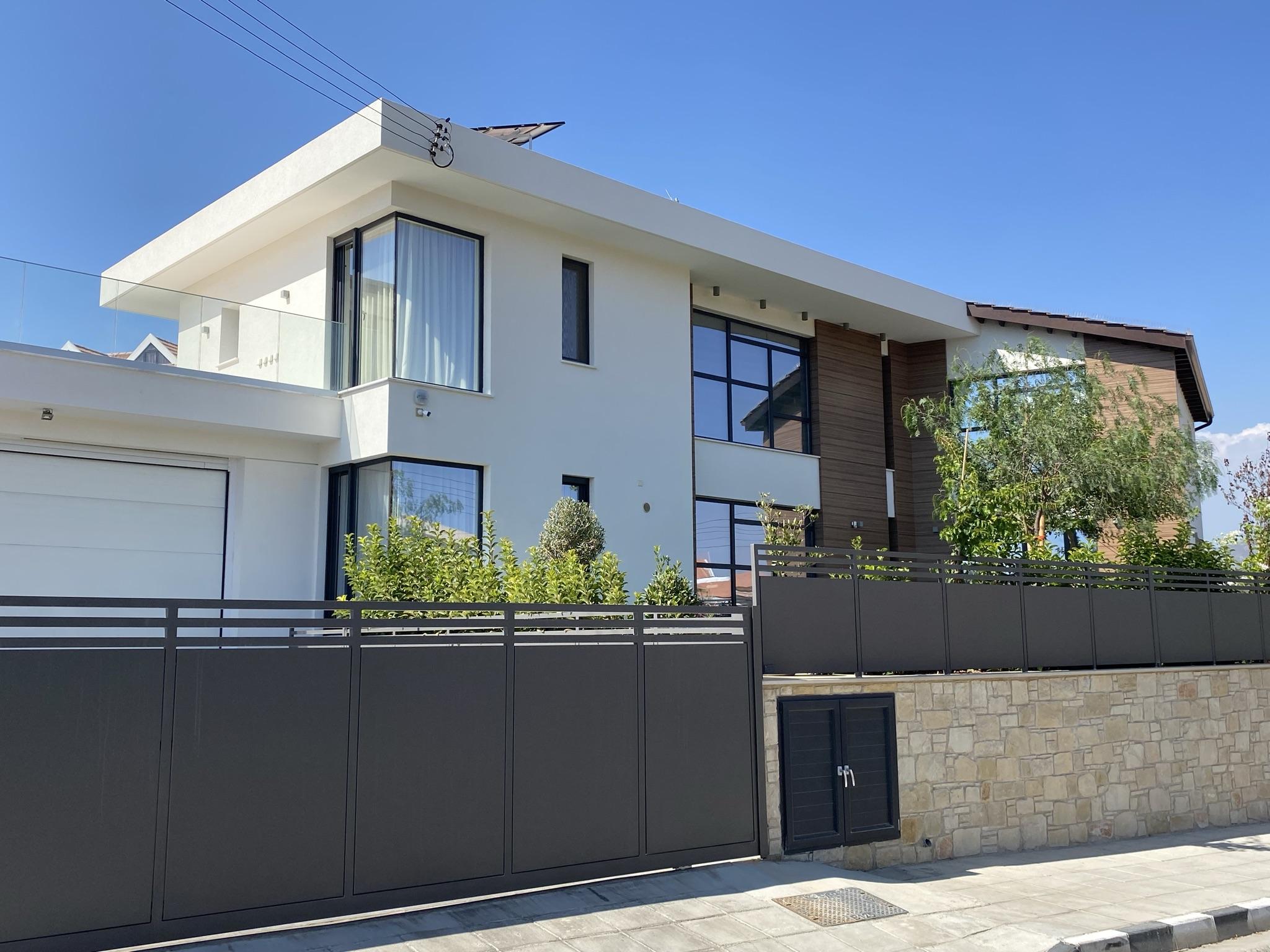
On the territory of Parekklisia there is a large and quite famous winery Hadjiantonas Winery.
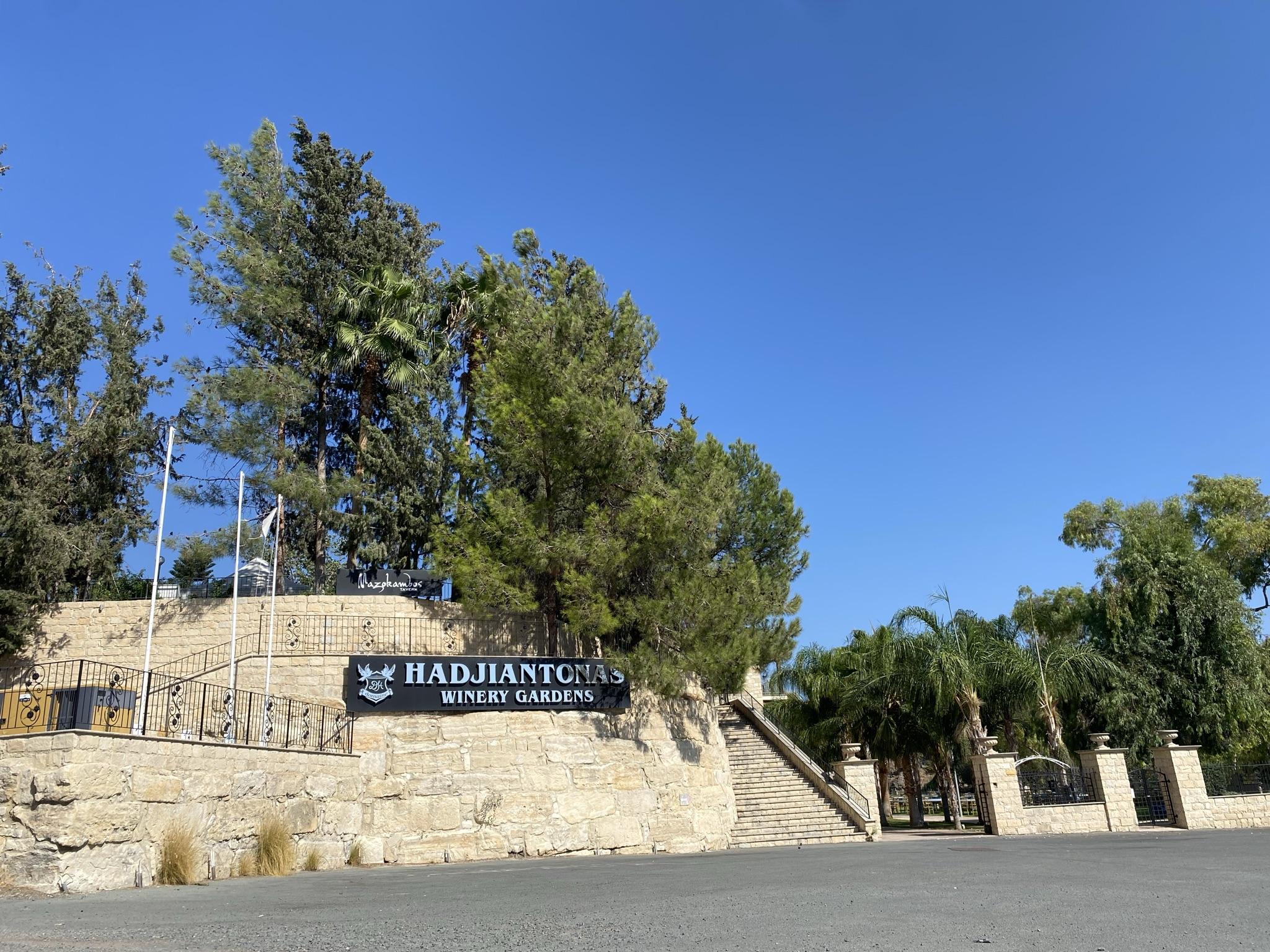
However, two-thirds of the territory of Parekklisia is occupied by fields or wastelands. This means that the development of these places is still ahead. The village is waiting for its developers, who will be able to make it a fashionable place to live.
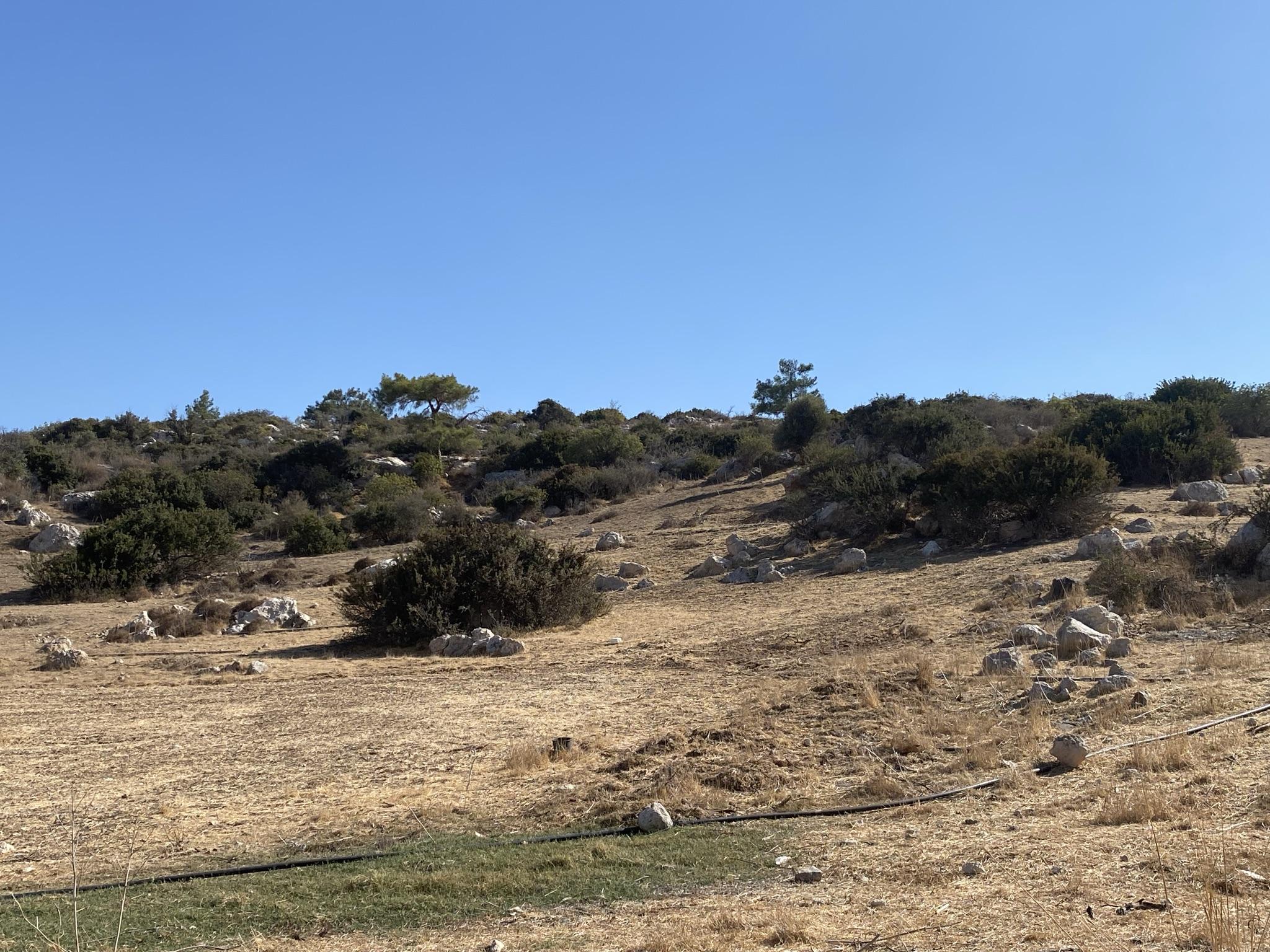
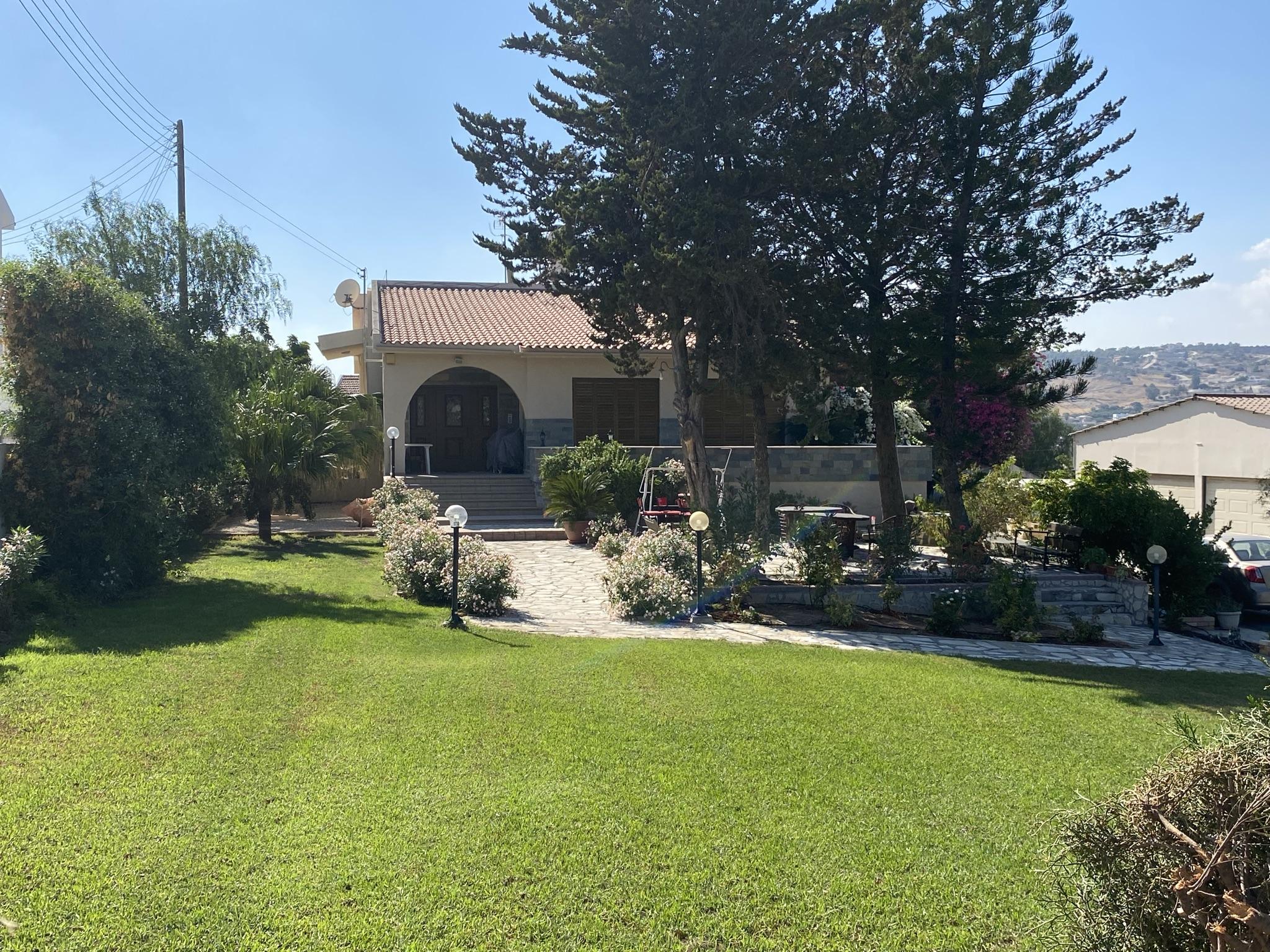
It is worth remembering that something similar has already happened in the tourist area of Parekklisia. The suburban area, which 10 years ago was popular only thanks to its two large 5-star hotels, today has become a high-rise development area, maximizing the available opportunities. I want to believe that such a boost in development awaits that part of the village that lies behind the highway.
In one of the courtyards of a village house, such an unexpected find came across:
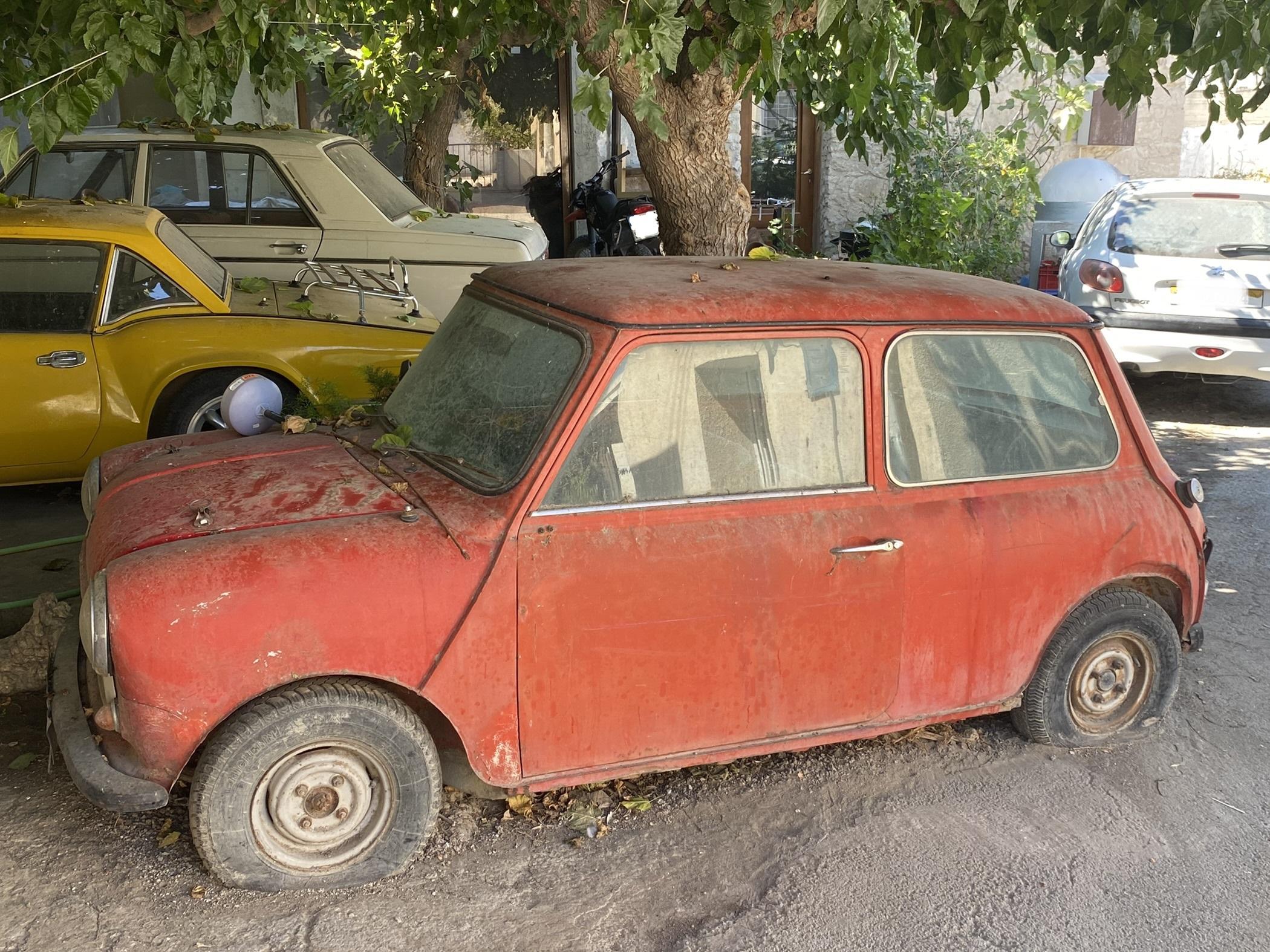
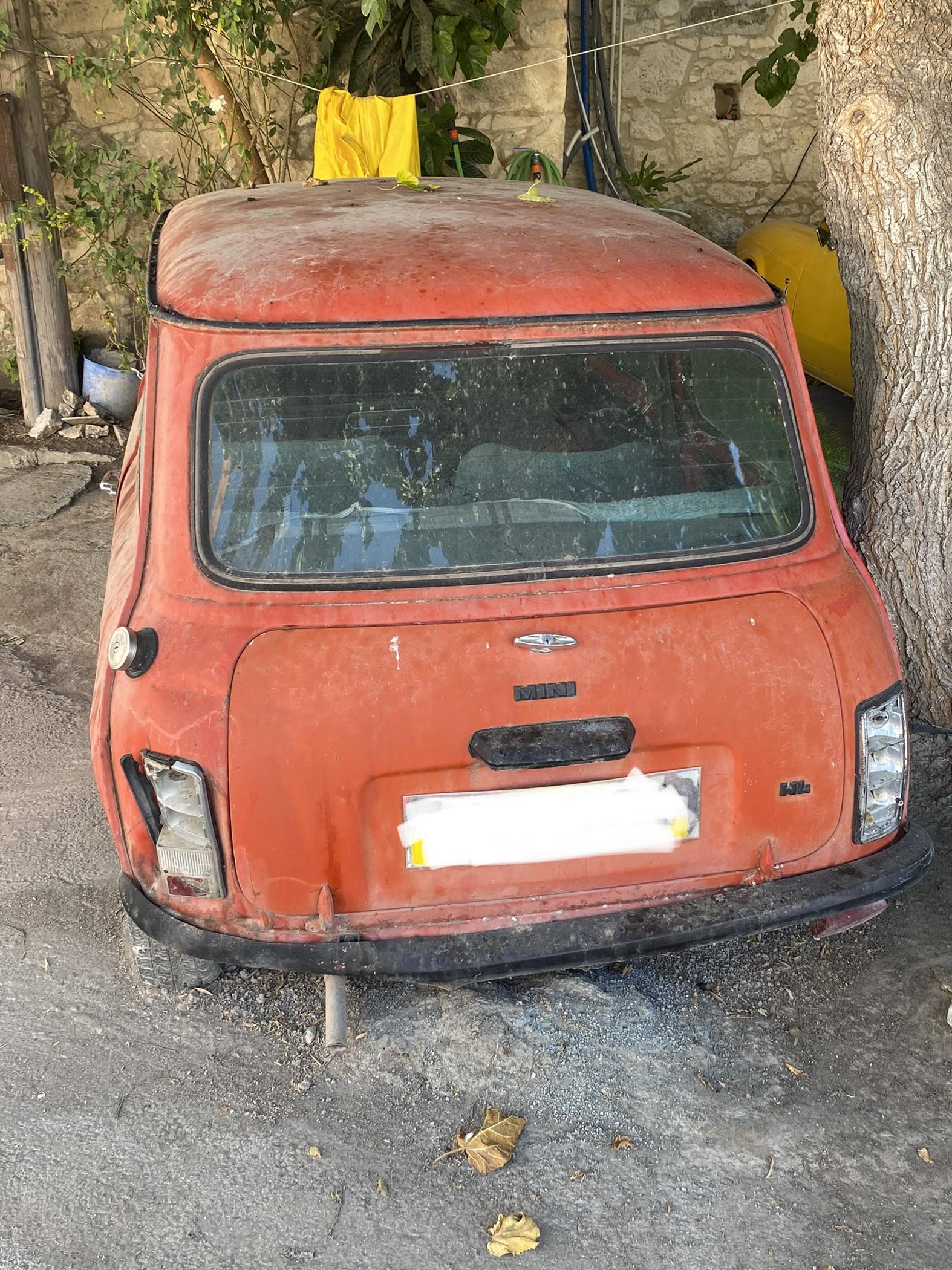
Apparently, this is a 1959 Morris Mini. The price of such a car in good condition can reach 20 thousand euros.
The historical center of Pyrgos
If there is at least a little history and atmospheric development preserved in Parekklisia, then in Pyrgos, it must be admitted, this is almost nothing. The historical core of the village of Pyrgos is formed around two points – the Church of the Most Holy Theotokos of Pyrgotissa and the cemetery. It seems to be the only village near Limassol where a cemetery is located in the center, directly opposite the local administration building and the main square.
In addition to its location, it is notable for an ancient temple on its territory. The temple, built at the end of the XIII-beginning of the XIV century, is dedicated to the Most Holy Theotokos Nerophorus. It got its name due to the fact that in this church they prayed for the gift of rain.
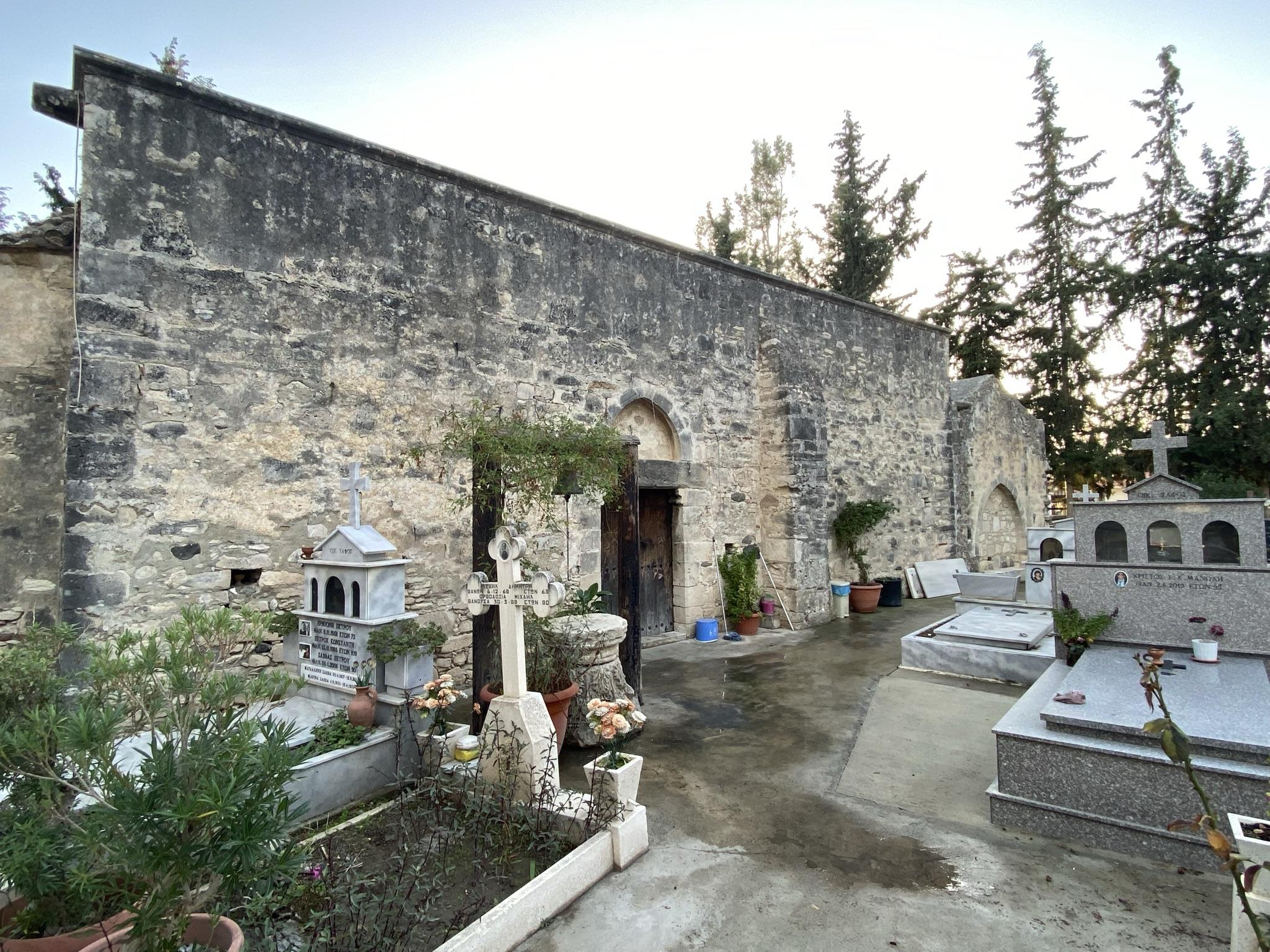
The church is interesting for its unusual shape. Or rather, an almost cubic extension to the western wall. The temple seems to stretch along the space occupied by it.
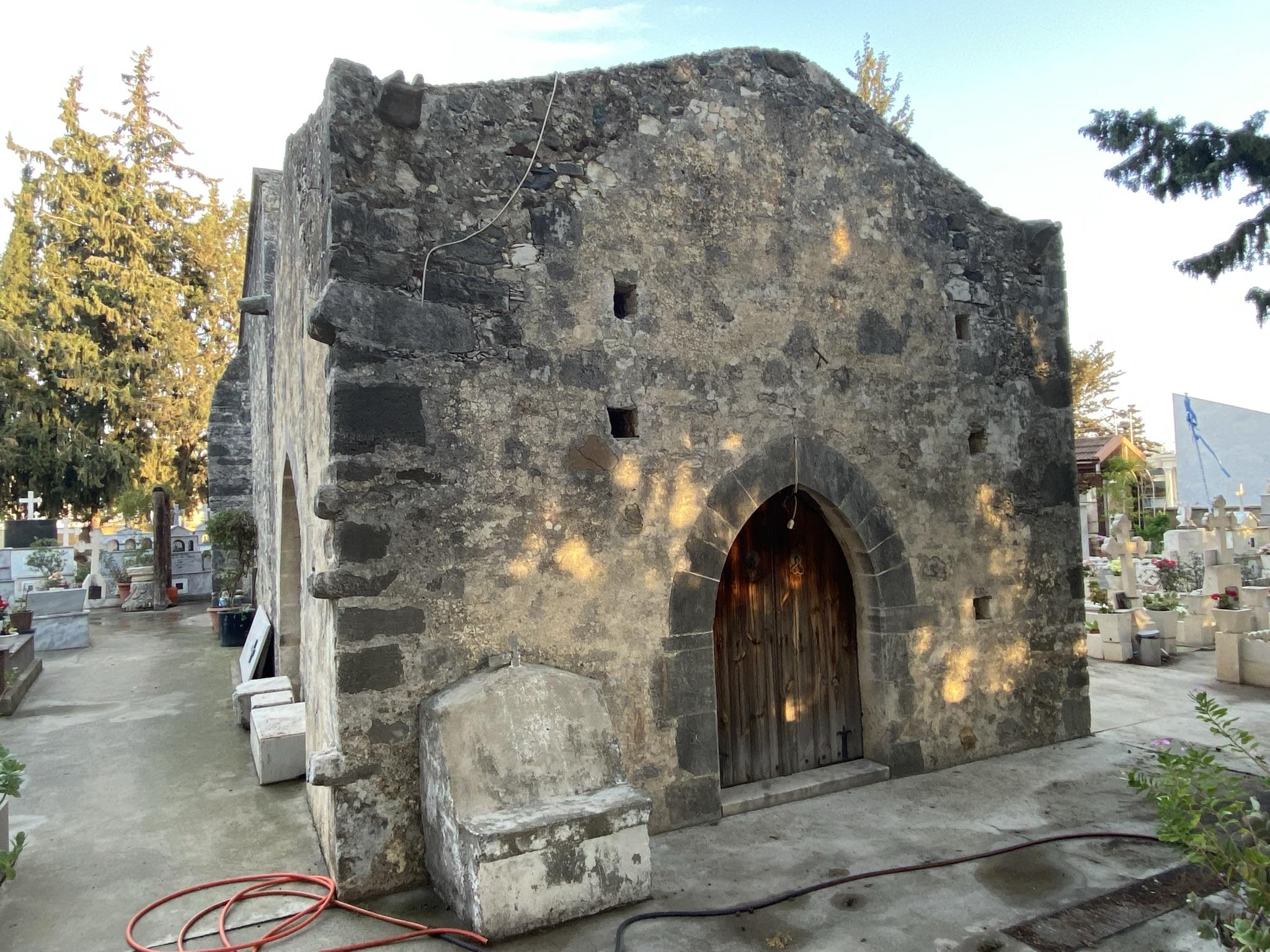
At the entrance to the cemetery there is a monument to the volunteers of the EOKA organization who fought with the British in the 1950s.
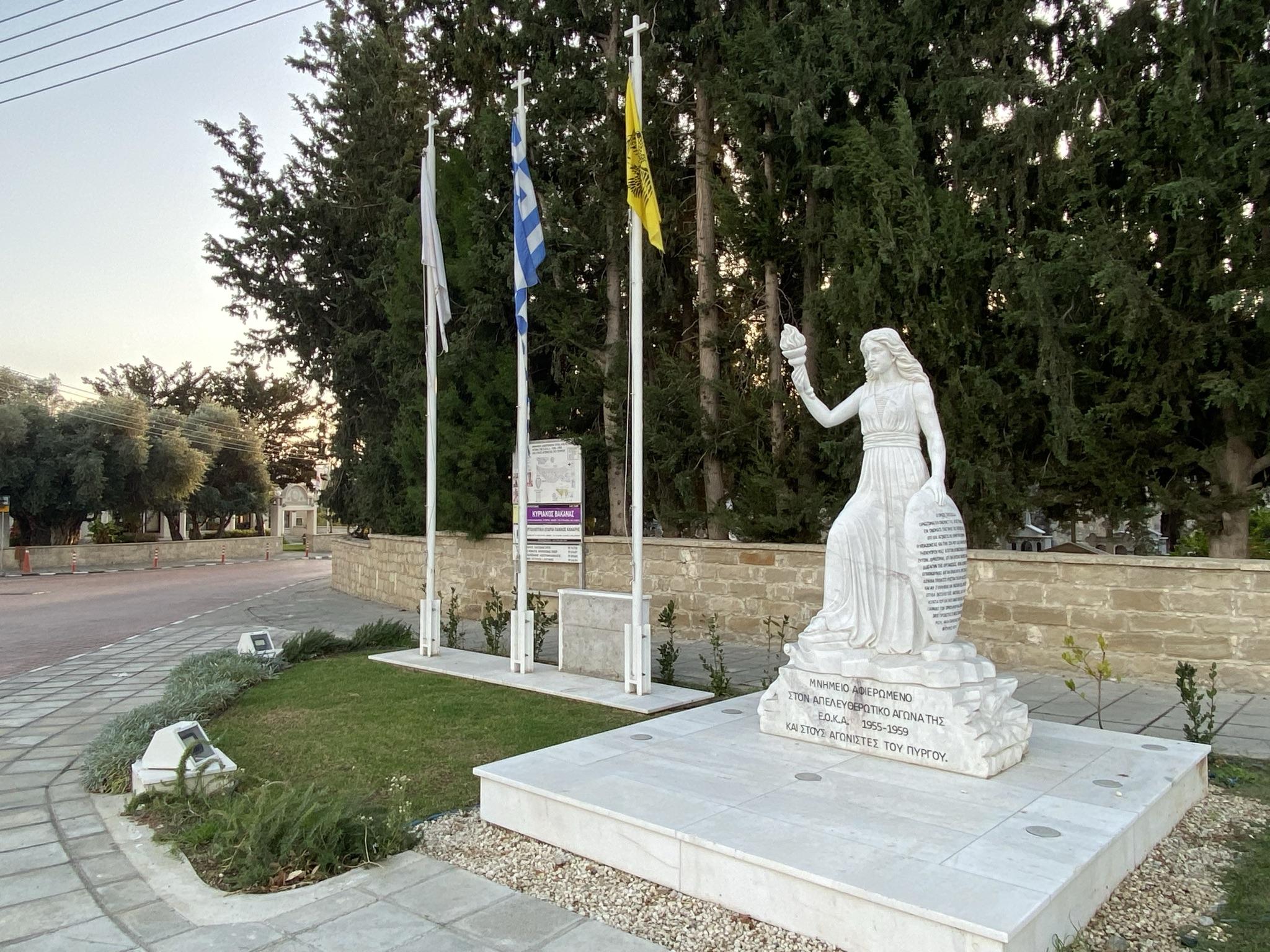
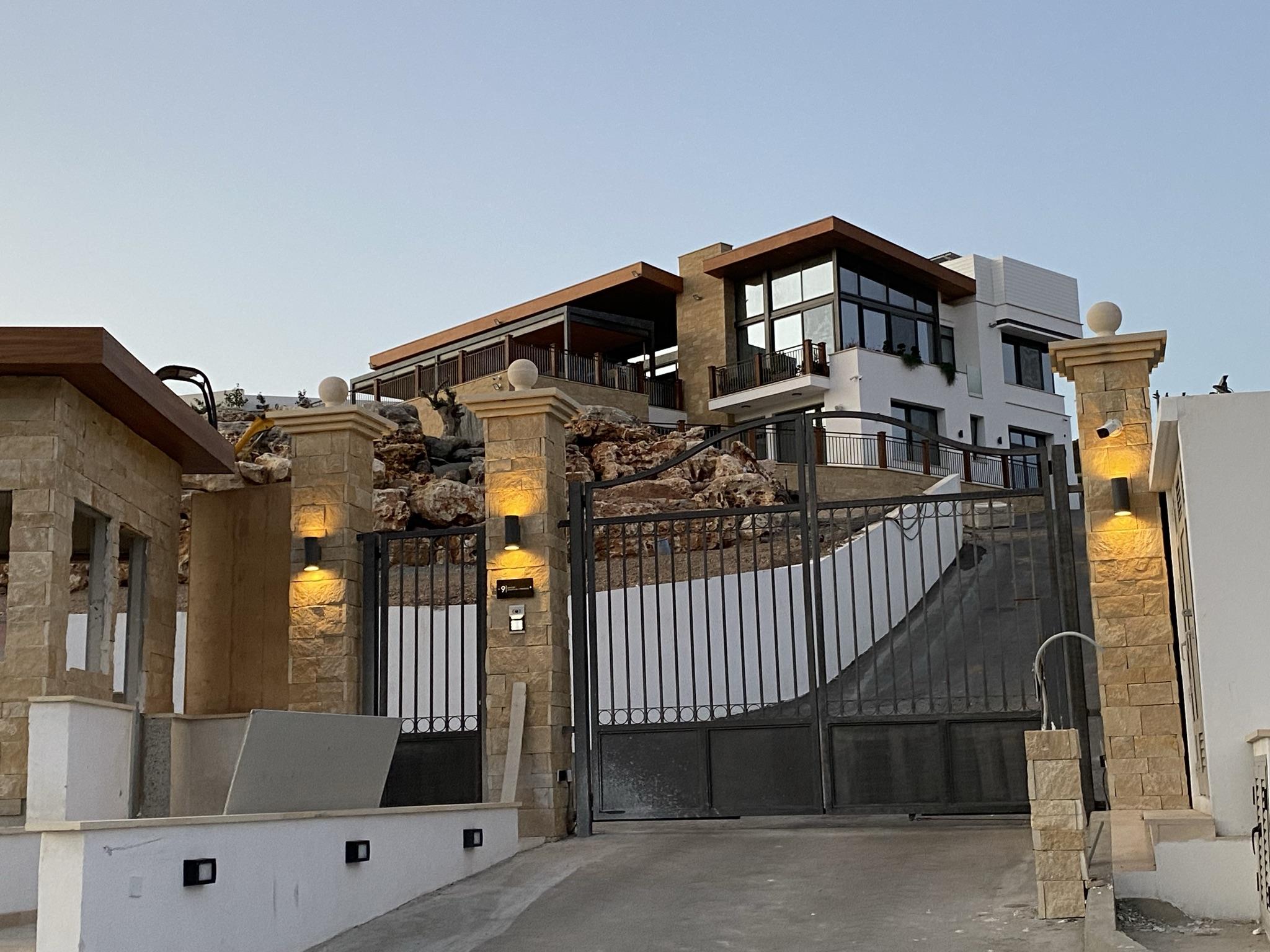
Modern villas are being built at the entrance to Pyrgos.
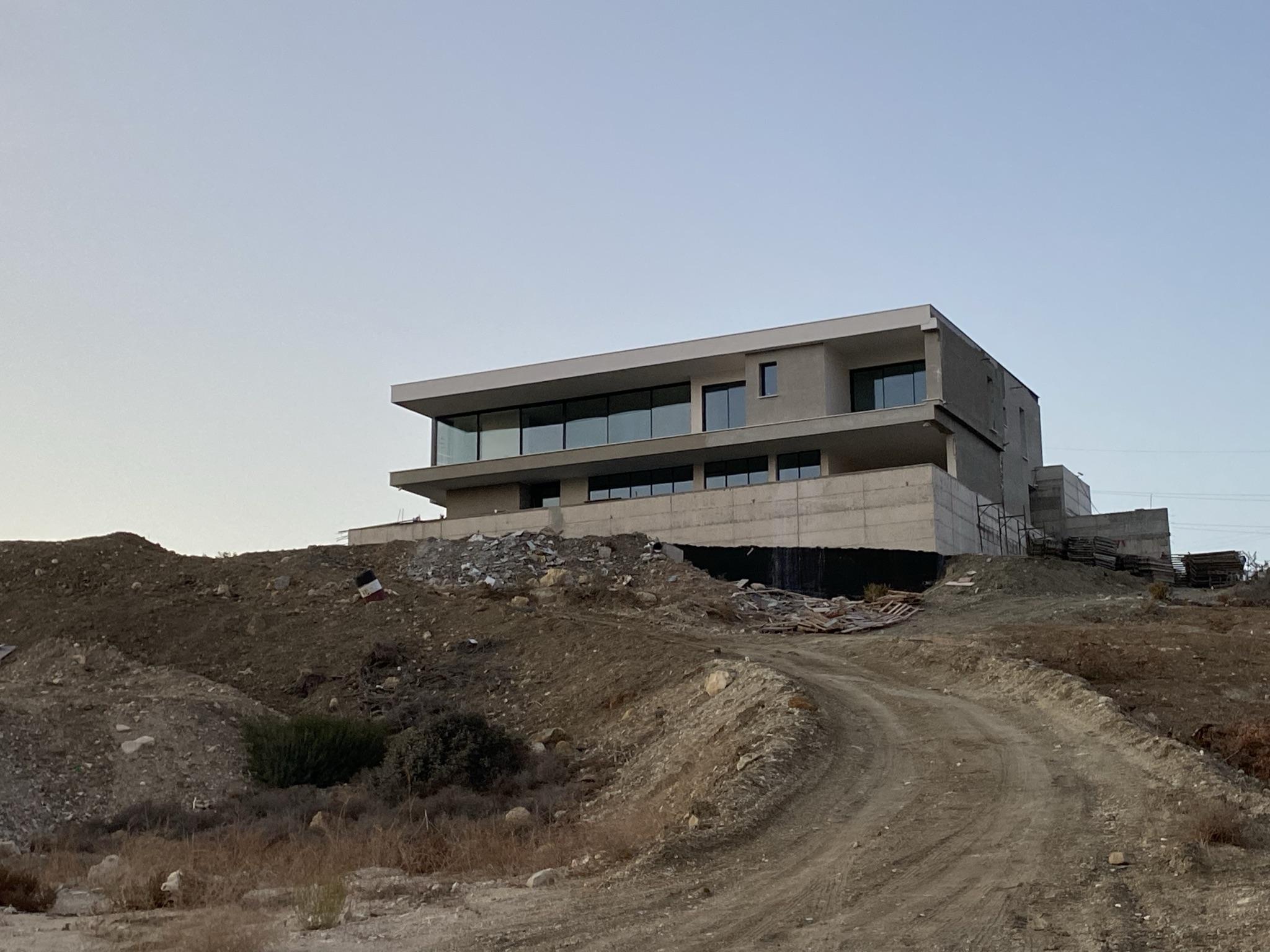
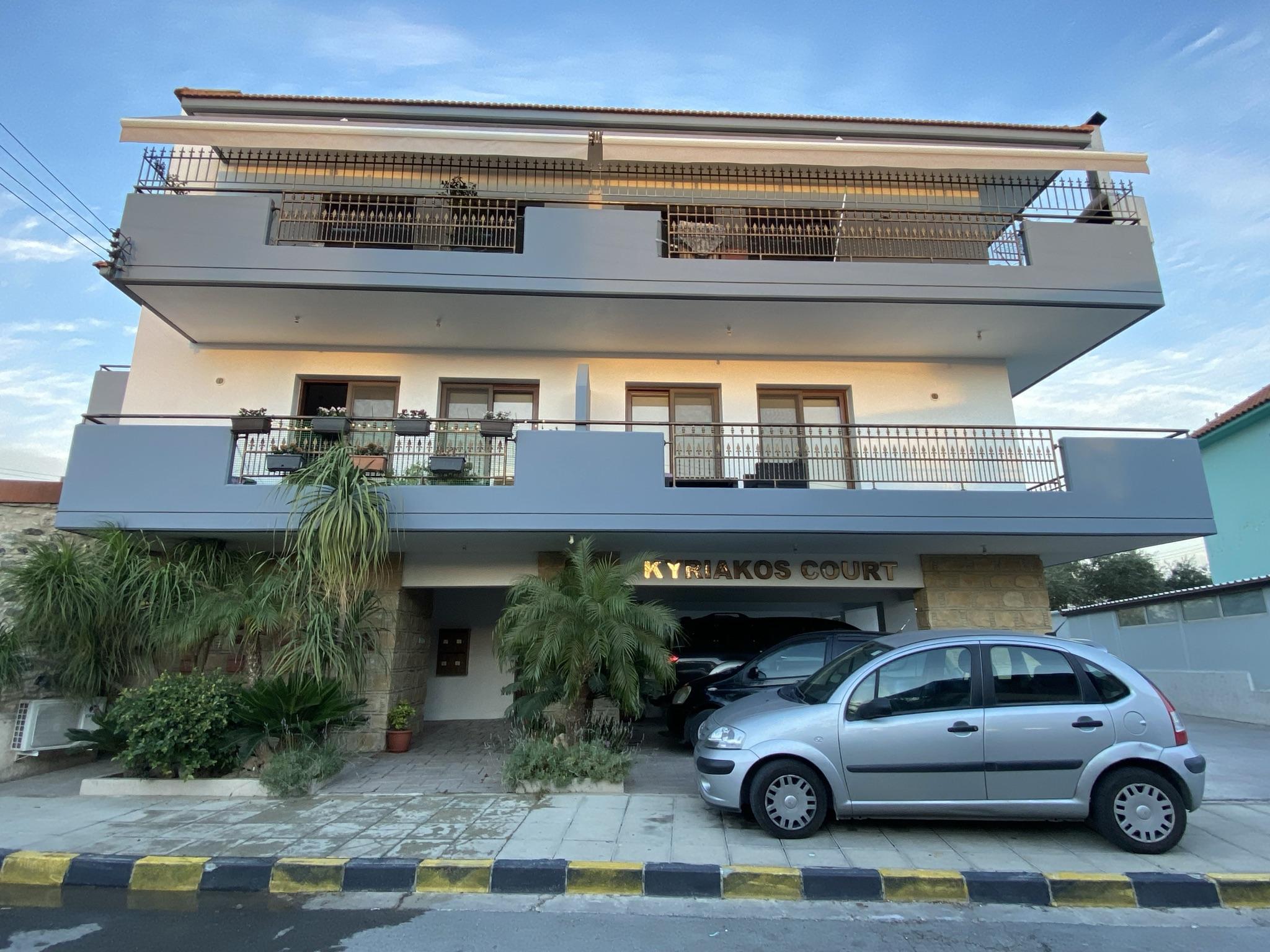
There are several examples of apartment buildings. For example, this one:
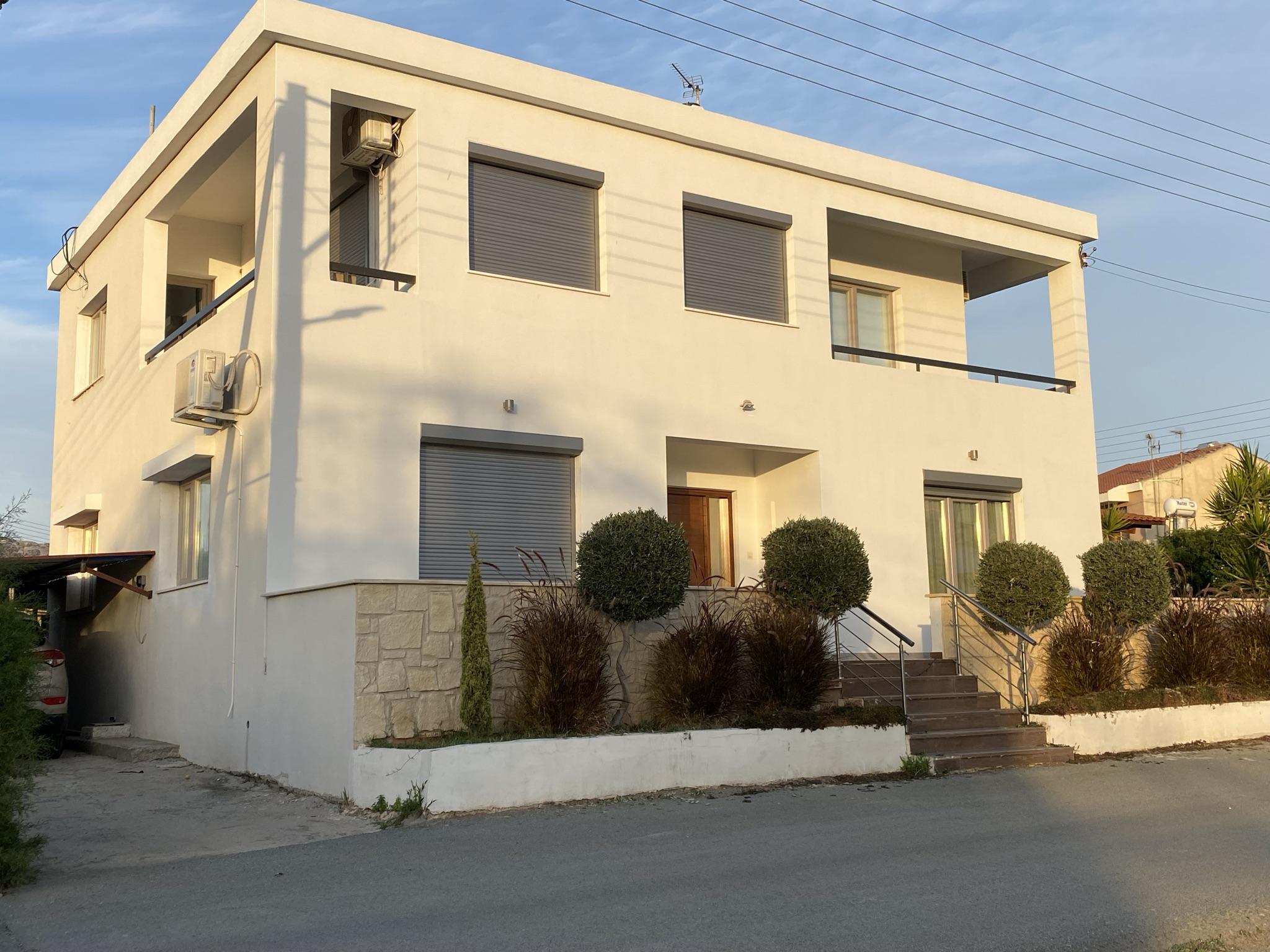
And quite a few private houses.
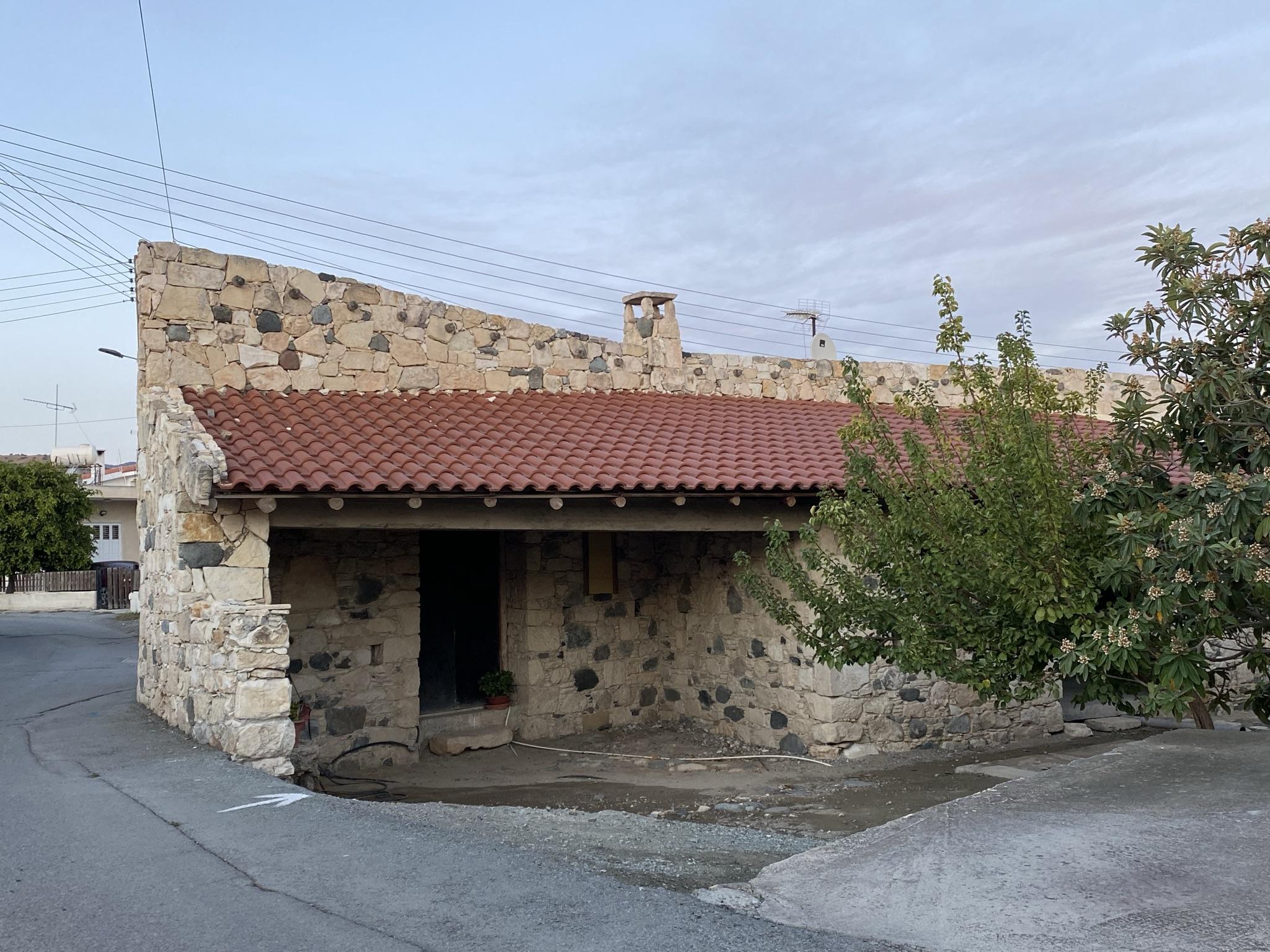
It is not so easy to find a historical (or stylized historical) house in Pyrgos.

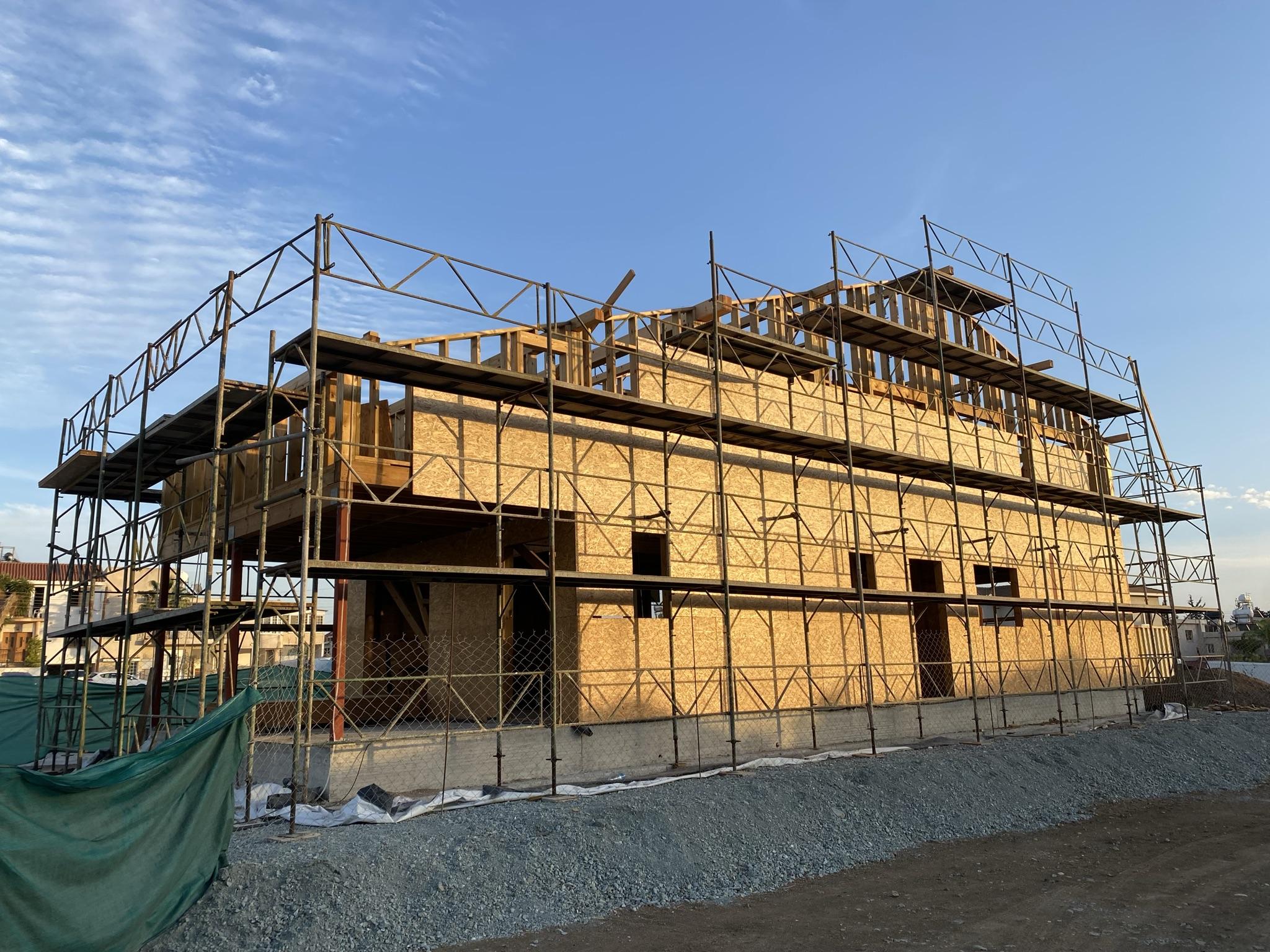
A house that is being built from chipboard panels
In general, the historical area of Pyrgos would have made a very sad impression if not for the local temple.
It began to be built in 1886, and was completed only in 1902. 40 people worked on the construction, who took a vow to build a church for free, receiving only one portion of lunch as a daily reward, which was prepared for them by local women. The stone for construction was taken in the mountains near Pyrgos, delivered to the village either on donkeys or on their own.
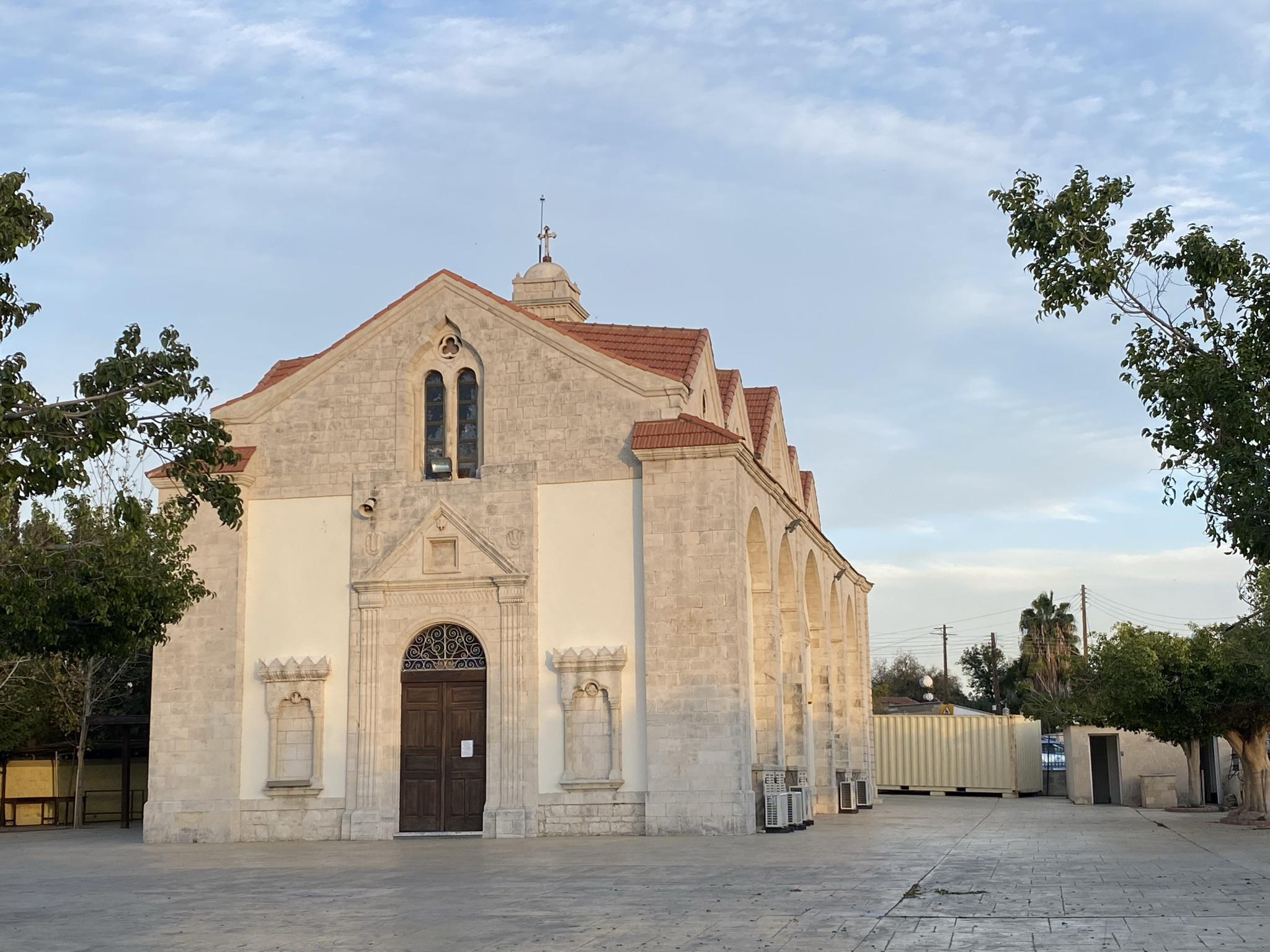
The church is a single-nave basilica. The chosen architectural style was quite popular at the end of the XIX century. It is characterized by symmetrical pointed barrel vaults along the length of the roof and a bell tower from the north-eastern edge.
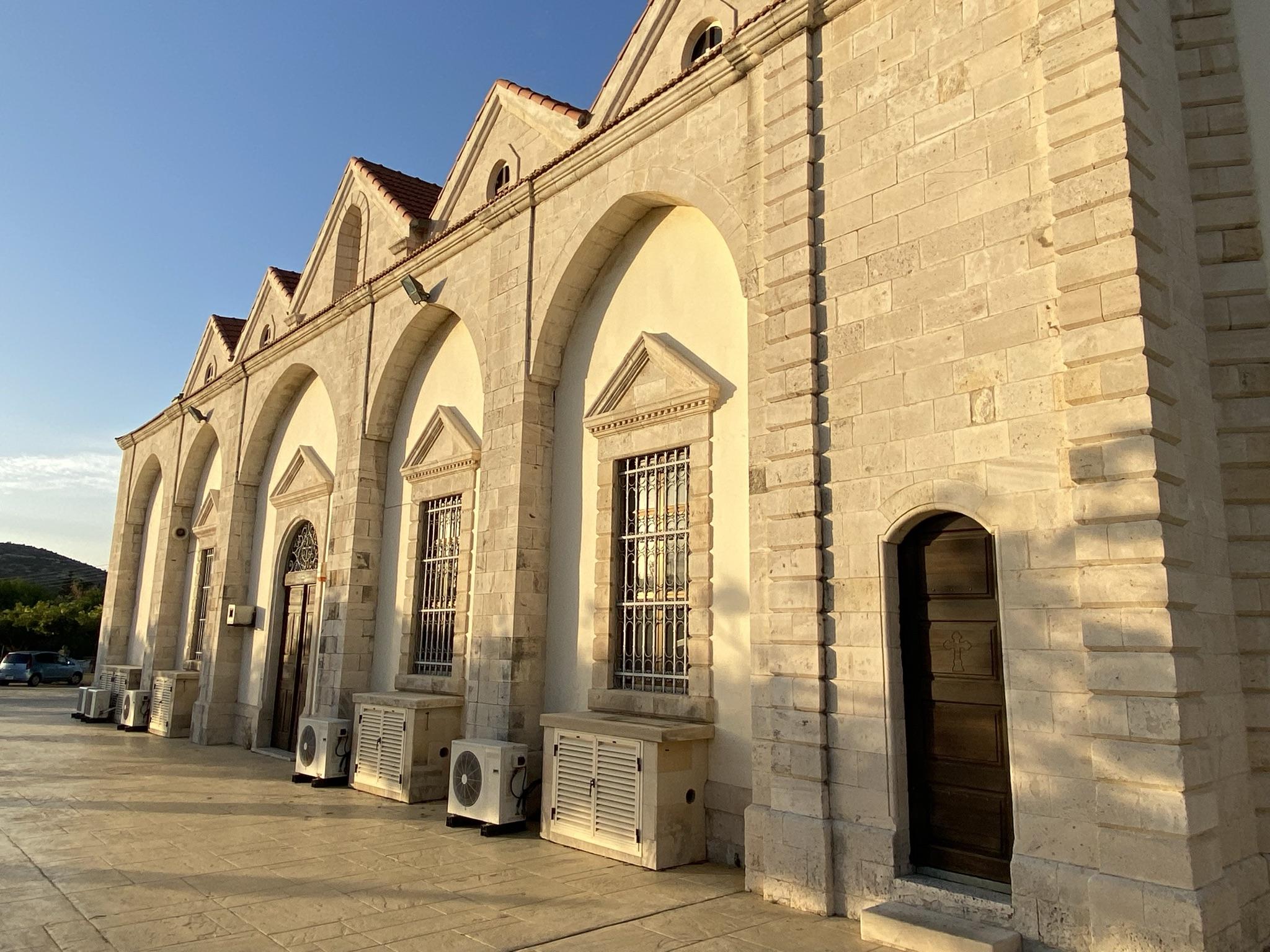
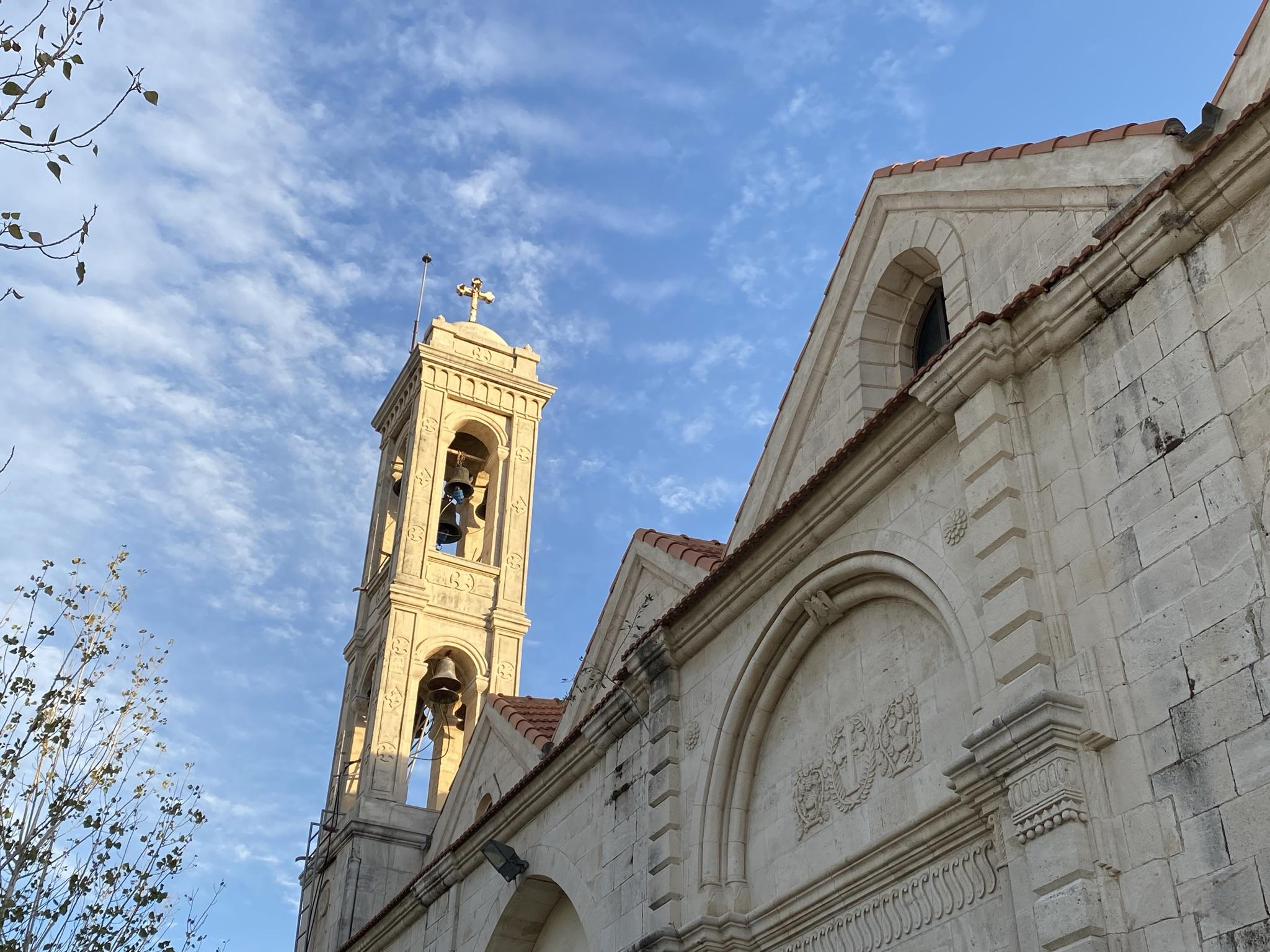
The walls are dissected by blind pointed arches, the windows are decorated with stone frames. The entrance portal is richly decorated (which is generally characteristic of this style).
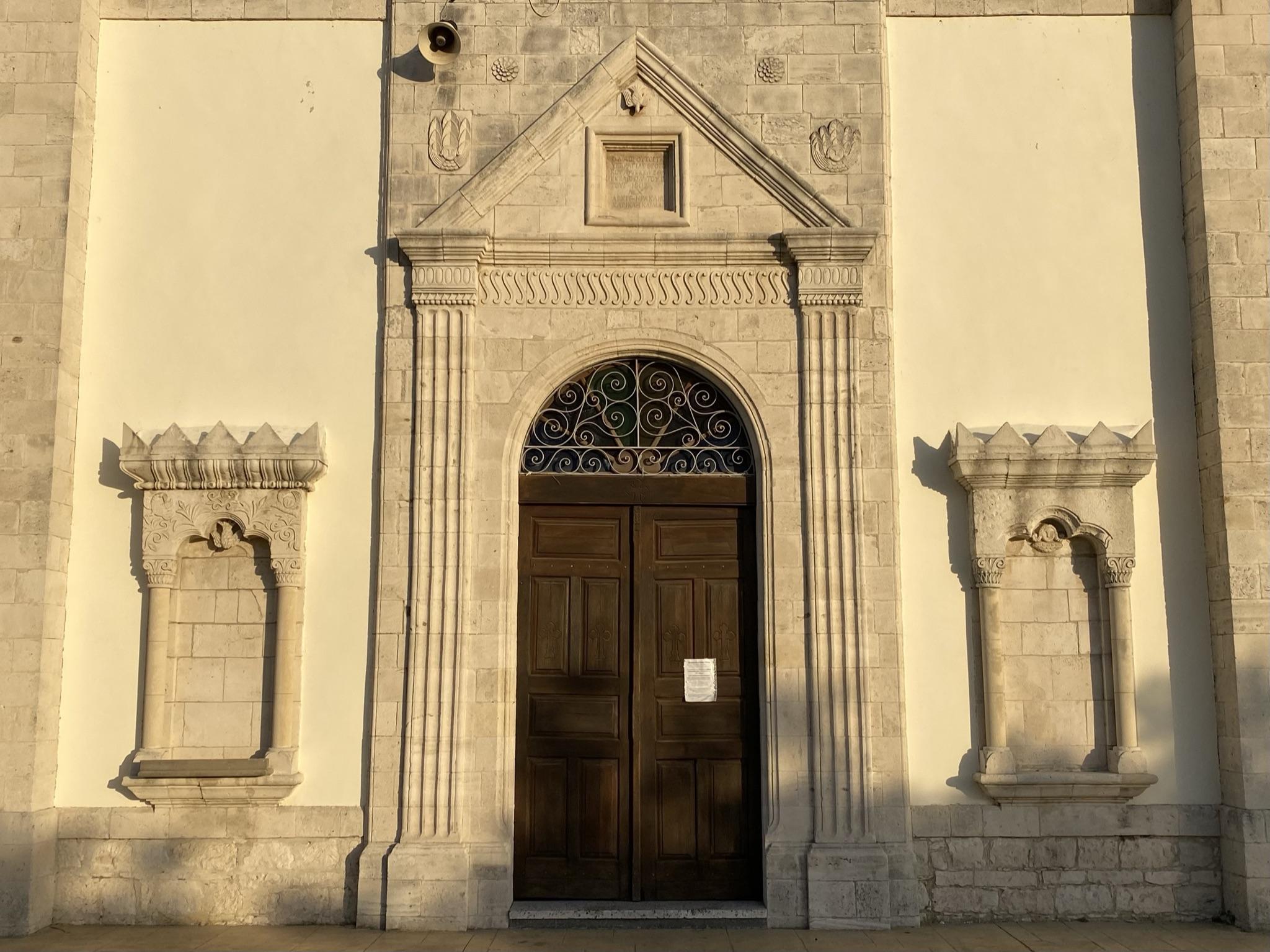
Decorative frames are on the right and left of the entrance
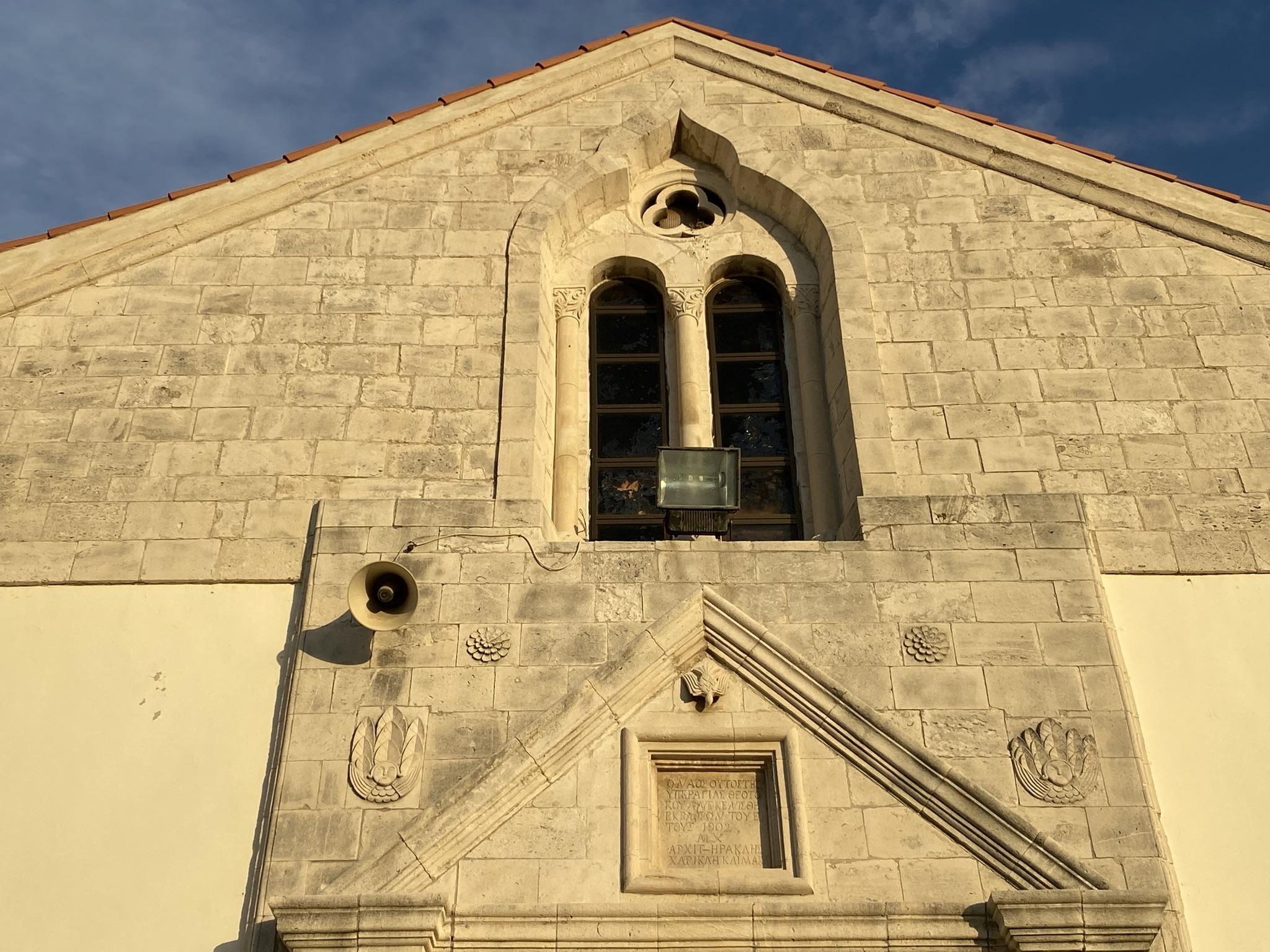
A Gothic window is made in the western wall
In general, the historical center of Pyrgos, unlike the historical core of Parekkilisia, cannot attract investors with the special spirit of a traditional Cypriot village. It makes sense to go here for those who are looking for a good option for living near Limassol and do not care about the special historicity of their place of residence, and for those who are in search of a quiet and measured routine.
Interested in housing in Cyprus? Visit the DOM. The portal presents the largest real estate database in the country – from residential to commercial. Choose and contact professionals who will help you make the right choice!
See also:
- Parekklisia: a walk through the homeland of seals
- Where is it better to live in Limassol: coast vs mountains
- How to buy a property in Cyprus?
- TOP 6 apartments in new buildings in Cyprus with spectacular views
- The most popular areas to stay in Limassol
- First acquaintance with Larnaca
- Permanent residence in Cyprus