August is the time of year when the sea becomes almost irresistible. When it is +40°C outside, there is only one thing on your mind — getting into the cool Mediterranean water as soon as possible. Fortunately, Cyprus has a beach for every mood — shallow water and golden sand or pebbles and deeper sea. To make sure your day at the beach does not bring any unpleasant surprises, there are a few things worth knowing. In this article, we will explain what the different beach flags mean, how lifeguards work in Cyprus, what dangers can be encountered in local waters and what to keep in mind so that both you and your children can enjoy the sea safely.
What the Flags on Cyprus Beaches Mean
According to the latest data, more than 123 beaches in Cyprus can be classified as organised beaches, and most of them have lifeguards on duty. A simple system of coloured flags is used to show whether it is safe to swim at any given time. Let’s take a look at the flags you may see on Cyprus beaches and what they mean:
- Green flag — means that the sea is calm and swimming is safe.
- Yellow flag — means there may be waves, currents or strong winds, so caution is required. Swimming is permitted, but only for experienced swimmers.
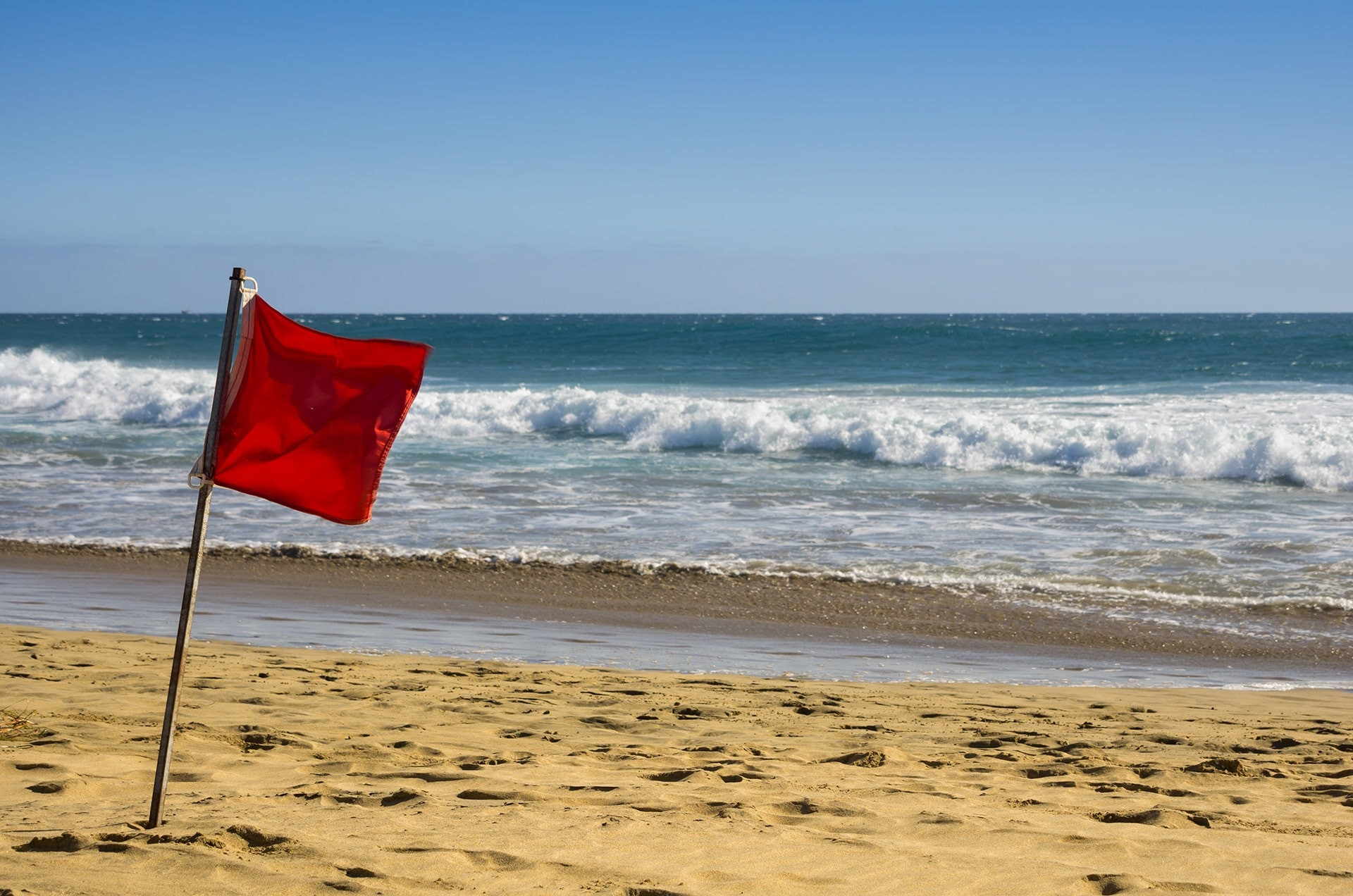
- Red flag — indicates that swimming is prohibited and the sea is dangerous due to strong waves, currents or other factors. Entering the water is not recommended even for strong swimmers.
- Red-and-yellow flags on Cyprus beaches mark an area supervised by lifeguards. Swimming between these flags is recommended.
- Black-and-white chequered flag — marks an area for water sports such as jet skis, boards, kayaks and other activities. Swimming is prohibited here.
- Purple flag — warns of potentially dangerous marine life, such as stinging jellyfish.
Even if you are a confident swimmer, you should not ignore beach flags or lifeguards’ instructions — the rules apply to everyone. But what should you do if there are no flags at all? Most likely, it is a wild beach or there are no lifeguards on duty. Either way, it means you swim at your own risk. Cyprus has many wild beaches, most of which are perfectly safe, but it is better to find out about a particular location in advance. Ask locals — they will usually know the area well. You can also look for advice on forums. And remember to assess the conditions yourself: depth, waves and wind. Beach safety in Cyprus is fairly straightforward, especially if you do not swim too far from shore or swim alone. If you are visiting with children, choose a beach where lifeguards are definitely on duty.
What Is a Blue Flag?
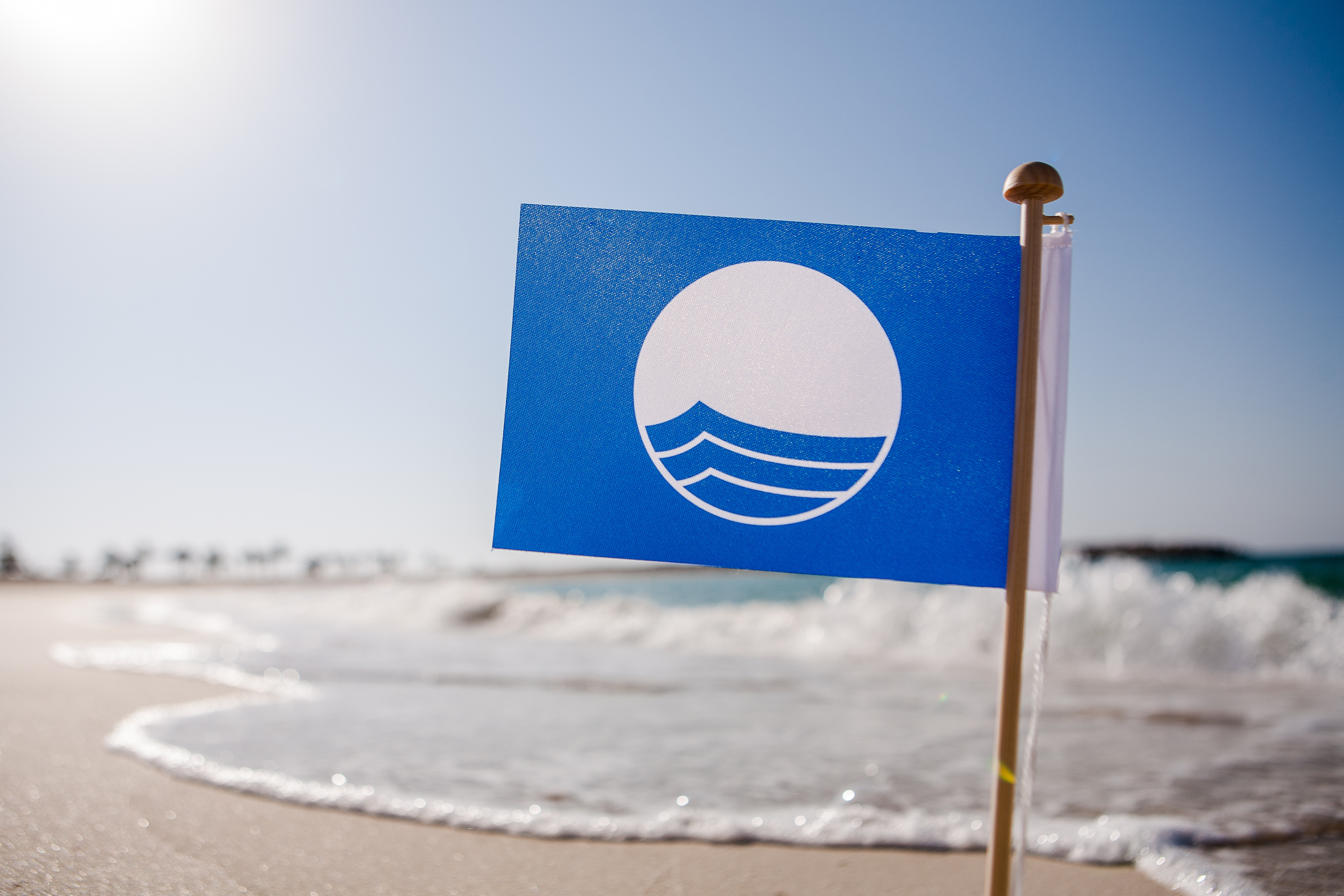
The Blue Flag is a completely different matter. Red, yellow and green flags are displayed by lifeguards, while the Blue Flag is awarded by the international Foundation for Environmental Education (FEE). It does not indicate what is happening in the sea at that particular moment. Instead, it reflects the overall quality of the beach: how clean the water is, whether the infrastructure meets the required standards and whether the area is properly maintained. So, the Blue Flag is essentially a quality mark for the beach rather than an indication of whether it is safe to swim at that moment.
How Lifeguards Work on Cyprus Beaches
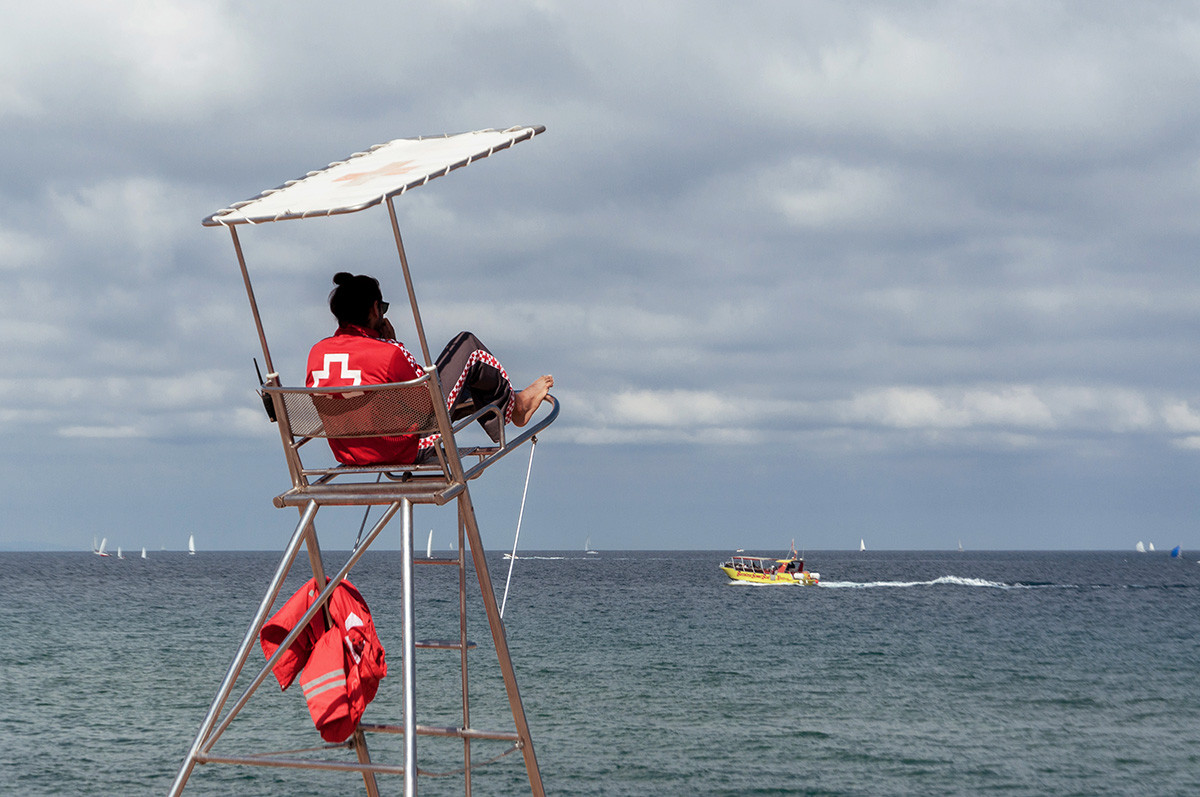
During the high season in Cyprus, lifeguards are on duty at virtually all popular beaches. They undergo special training and operate within the national SALAMIS beach safety plan — so they are not simply individuals sitting in towers with binoculars, but part of a coordinated system. Lifeguards monitor sea conditions, raise flags that immediately indicate whether it is safe to swim, provide first aid and carry out rescue operations when necessary.
Patrol Areas and Working Hours
In general, lifeguards in Cyprus work only on organised beaches equipped with lifeguard towers. The swimming season usually runs from April to October, and on some popular beaches until November. Lifeguard working hours vary depending on the beach and municipality, but they most commonly work from 10:00 to 17:00. At the most popular beaches, their hours may be extended. Exact working hours can usually be found on the information board at the entrance to the beach.
How to Signal for Help
If you need help in the water, raise one arm and try to keep it above the surface. You can also wave to make sure you are noticed. If you are close enough to shore to be heard, shout and call for help from lifeguards or other beachgoers. Most importantly, do not panic or waste energy fighting the waves. And, of course, if you see someone else in trouble in the water, immediately alert a lifeguard or call 112.
Currents, Waves and Other Marine Risks
Swimming at Cyprus beaches is one of the great pleasures of summer. The sea is generally calm, but there are still a few things worth knowing about.
What to Do If You Get Caught in a Rip Current
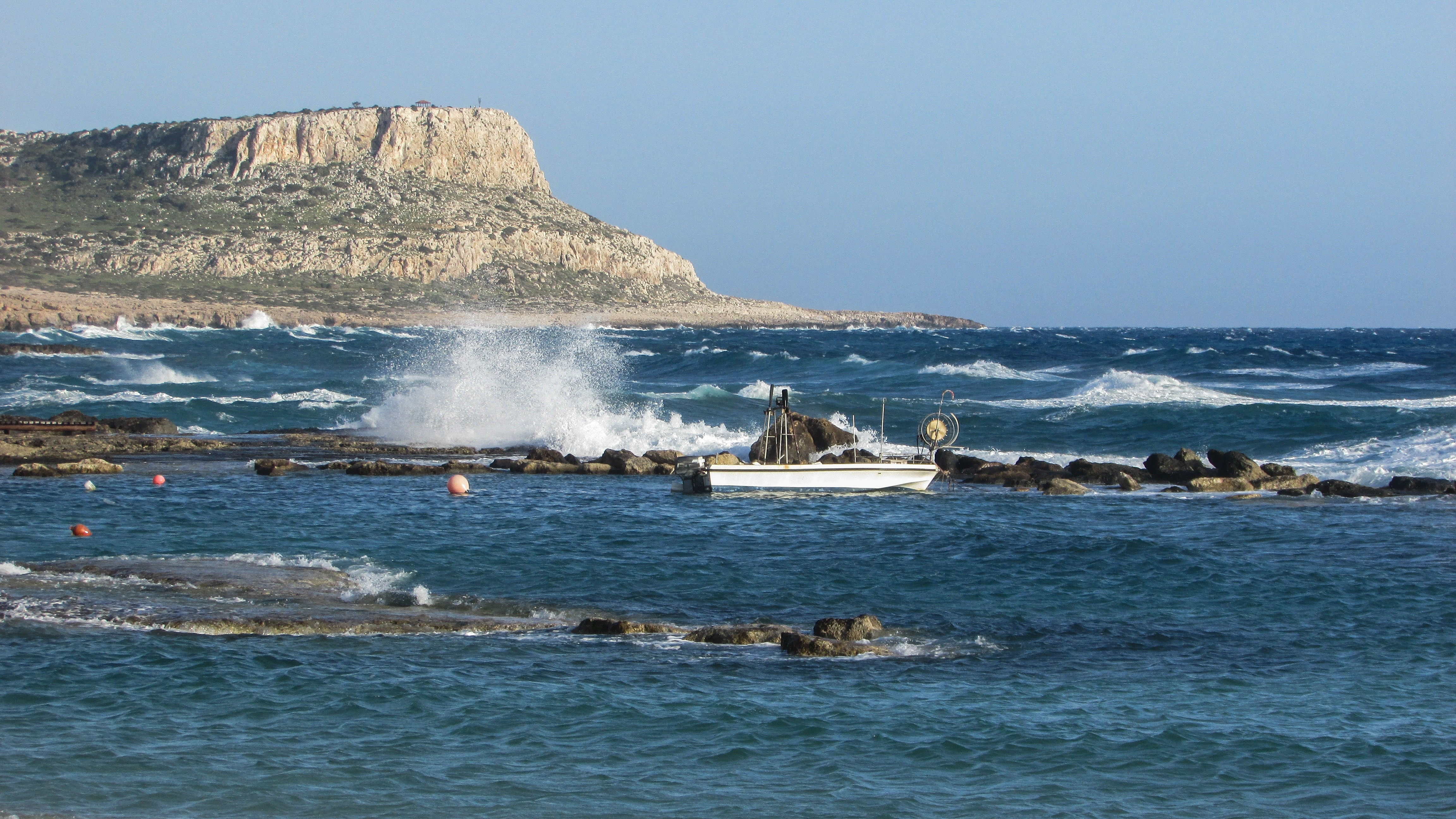
Although waves around the coast of Cyprus are rarely dangerous, strong currents and high surf can sometimes occur. To stay safe at Cyprus beaches, check the weather and beach flags before swimming and, of course, follow lifeguards’ instructions. It is also important to be aware of rip currents. A so-called “rip current” is a narrow stream of water that carries swimmers away from the shore towards the open sea. It can occur even when waves are relatively small and can be dangerous, particularly for inexperienced swimmers. A rip current may be recognised by the following signs:
- a particular area of water appears darker or unusually calm;
- there is a noticeable “gap” between breaking waves;
- a line of foam, sand or seaweed can be seen moving away from the shore;
- waves are breaking on both sides, but not in the centre.
If you are caught in a rip current, do not panic and do not try to swim directly back to shore, as this will only exhaust you more quickly. Instead, swim parallel to the shore until you are out of the current, and then turn towards land. If you cannot get out on your own, roll onto your back to conserve energy and raise your arm to signal for help.
Rocks, Jellyfish, Sea Urchins and Watercraft
Some beaches in Cyprus have rocky seabeds, so water shoes can be very useful — rocks in the water can be slippery. Jellyfish and sea urchins are also worth keeping in mind. Jellyfish are not frequent visitors to Cypriot waters, but they can be washed towards the shore after storms or during strong currents. The peak jellyfish season is in summer, from July to September. Only two species are considered particularly dangerous:
- Pelagia jellyfish (Pelagia Noctucula), also known as the “purple jellyfish” because of its colour;
- Nomad jellyfish (Rhopilema nomadica) — one of the largest jellyfish species, with a bluish-white bell.
Although their venom is not fatal, being stung by one of these jellyfish can be extremely unpleasant. Their venom can cause severe pain, inflammation and allergic reactions. It is therefore better to avoid swimming if you see a purple flag on the beach or if lifeguards have issued a specific warning.
Sea urchins are mainly found near rocky areas and reefs. Although Mediterranean sea urchins are not venomous, their spines are quite sharp and can cause painful injuries. It is therefore best not to step on them barefoot or touch them with your hands, and to be particularly careful when snorkelling. You should also stay away from areas designated for water sports, which are easy to recognise by their black-and-white chequered flags. These indicate areas where jet skis, boats and kayaks are operating, making swimming unsafe. If you are visiting a wild beach, first check whether there is any watercraft operating nearby.
Rules for Swimming with Children
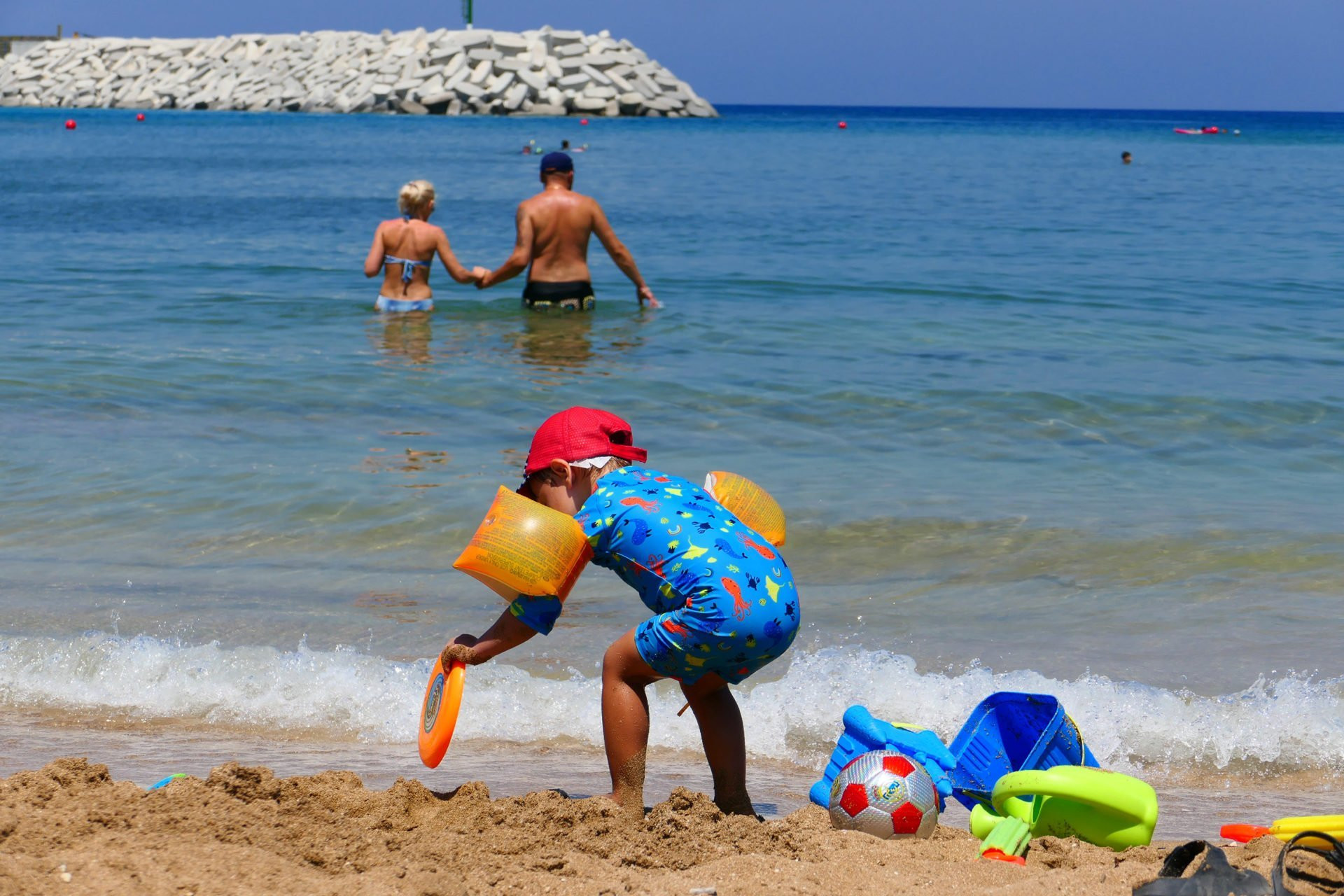
Cyprus has plenty of shallow beaches that are ideal for families with children. But even warm water and calm conditions are no reason to become distracted. Children in the water need constant supervision. Never leave a child alone at the water’s edge, and swim only at organised beaches where lifeguards are on duty. Ideally, choose a beach with a gently sloping sandy entrance and always swim in the area between the red-and-yellow flags, under lifeguard supervision. Do not allow children to go deeper than they are genuinely comfortable with. Even a good swimmer can become disoriented if suddenly hit by a wave, caught by a current or faced with a sudden drop in the seabed.
One more important point: armbands, inflatable vests and swimming rings are swimming aids and toys, not lifesaving equipment. A wave can easily overturn them, while the wind can carry them far from shore. For children who are not yet confident in the water, a certified life jacket is the best option. It is recommended not only for swimming but also when travelling by boat or kayak.
The rule is simple — your child should always be within arm’s reach and remain in your field of vision. And do not forget about the sun. SPF 30–50 sunscreen and UV-protective swimwear will help prevent sunburn and make a day at the beach more comfortable. When choosing swimwear, look for a UPF 50+ rating for the most reliable protection.
What to Do in a Water Emergency
Most visits to Cyprus beaches pass without incident. But it is always worth staying alert in case someone needs help. If you notice someone in difficulty in the water, every minute can matter.
How to Help Someone in Trouble
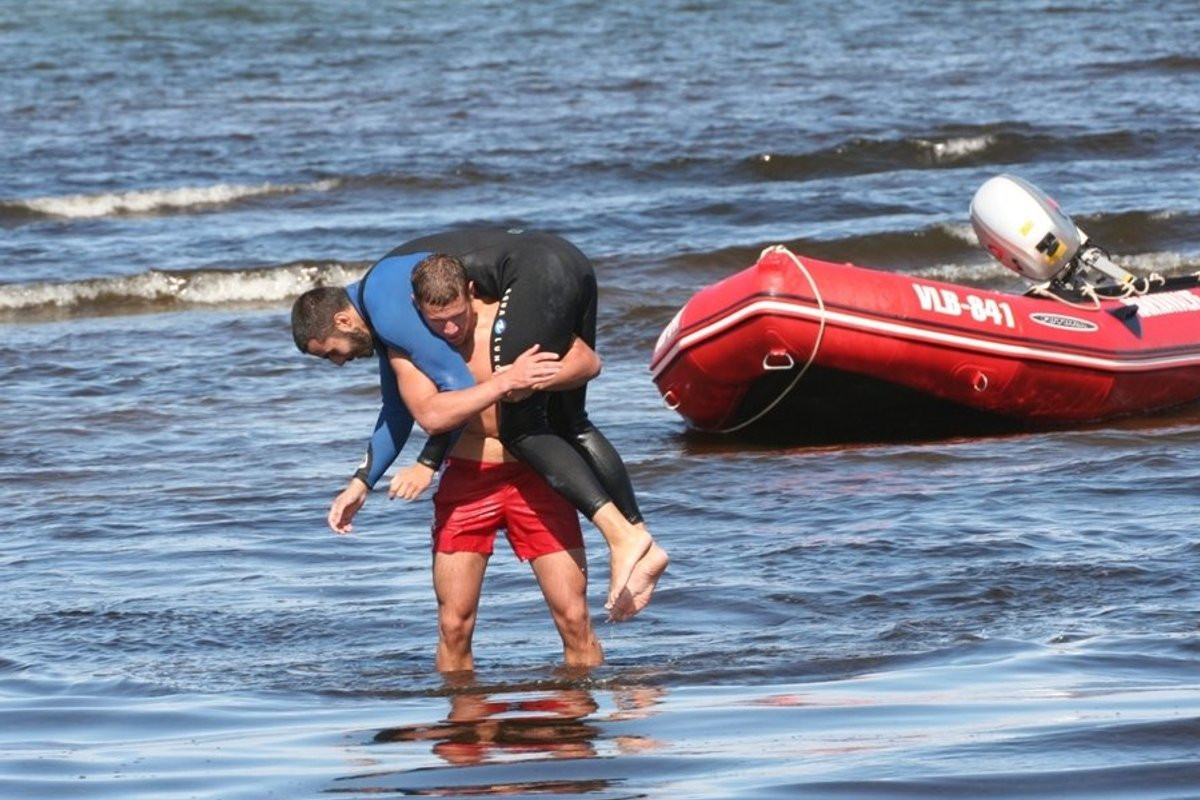
If lifeguards are present, alert them immediately and follow their instructions. If there are no lifeguards nearby, ask another beachgoer to call for help. If you have access to a lifebuoy, rescue buoy or another floating object, throw it to the person in trouble and remain on shore. A panicking person may grab onto anything nearby and could easily pull you underwater with them. So, if you are not confident in your abilities, do not put yourself at risk. If you decide to swim out to help, always take something buoyant with you and keep it between yourself and the person in trouble. This will make it easier to keep them afloat while also protecting you.
Emergency Numbers and First Aid
Once the person has been brought ashore, check whether they are breathing and responding to you. If they are not breathing, begin CPR and follow the emergency dispatcher’s instructions. In Cyprus, the emergency number for all urgent assistance is 112. The operator will dispatch the necessary services, including an ambulance, police or fire service. When calling, provide the following information:
- what happened;
- where the person is located;
- how many people need assistance;
- whether the person is still in the water or already on shore;
- what condition they are in.
If the person is unconscious but breathing normally, place them on their side and continuously monitor their breathing until help arrives. If an automated external defibrillator (AED) is available nearby, use it, but it is best to follow the emergency service’s instructions rather than acting at random. Even if the person fully recovers after an incident in the water, they should still be examined by a doctor, especially if they lost consciousness or experienced breathing difficulties.
This year, more than 56 beaches in Cyprus were awarded the Blue Flag. And there is a good reason for that — the island really is one of the safest destinations for a beach holiday. There are plenty of shallow beaches, generally calm seas and no dangerous predators or deadly venomous marine animals. Remembering just a few simple rules is enough to make sure nothing gets in the way of enjoying the sea air, warm surf and that famously relaxed “siga-siga” atmosphere.
If you would like to enjoy Cyprus beaches not only during your holidays but all year round, it may be time to consider owning an apartment in Larnaca or Paphos — two of the most popular destinations for beach holidays. Then you will not have to worry about booking a hotel or finding accommodation during the peak season every time — Blue Flag beaches could be within walking distance.
Read also:
- Cyprus Fruits in July: Season, Markets and Selection
- Electric Cars in Cyprus: Evolution of the Charging Station Infrastructure
- Amiantos Village: The Rise and Fall of Cyprus’ “Monte Carlo” in the Troodos Mountains
- Greek in Cyprus: Reviews of Courses and Schools
- How to Make Money from Real Estate in Cyprus? Flipping Guide 2026