Cyprus is an ideal destination for elderly people looking for relaxation and recuperation. Calm seas, gently sloping beaches and well-developed infrastructure make it a comfortable resort even for those with limited mobility. The only factor that poses a risk is the hot weather. This should be kept in mind when planning a holiday.
How to Prepare for a Holiday in Cyprus
It is wise to prepare in advance for a family holiday in Cyprus. This includes:
- taking out insurance for all family members;
- researching the best resorts in Cyprus for elderly people and children;
- planning a daily schedule around the cooler and hotter hours of the day;
- consulting a doctor, especially if there are any chronic health conditions.
Doctor's Consultation, Medication and Insurance
A consultation with a specialist is advisable even if the elderly traveller is healthy and has recently undergone a medical check-up. After all, the Mediterranean island has high humidity, particularly along the coast, as well as high daytime temperatures. Therefore, before travelling to Cyprus, it is better to take precautions and have a full consultation with a doctor. Medication for the trip should also be prepared carefully:
- prescription medication is best brought with a doctor's certificate;
- melatonin is considered a medicine and carrying large quantities may raise questions at customs;
- essential medication should be brought with a small reserve, as an excessively large supply of medicines may also attract attention;
- in addition to regular medication, it is worth bringing basic remedies for gastrointestinal problems, high or low blood pressure (even if the person does not normally experience such problems at home, a different climate may trigger unpleasant symptoms), insomnia, etc.
For elderly travellers visiting Cyprus, it is advisable to choose extended travel insurance with a higher level of coverage.
Choosing an Area and Accommodation
The coolest place in Cyprus during summer is, of course, the Troodos Mountains. Daytime temperatures there generally remain below +28°C, while evenings and nights bring refreshing coolness. The region is quite large, and visitors can stay in a picturesque village to enjoy peace, tranquillity and local character, as well as walks along beautiful forest trails. Active seniors may enjoy routes leading to waterfalls and ancient churches, while some trails are also suitable for wheelchairs. If a beach holiday in Cyprus is the priority, the following resorts are worth considering:
- Protaras, Paralimni and Kapparis (Ayia Napa area). Excellent sandy beaches with gentle access to the sea, many of them awarded the Blue Flag and equipped for people with disabilities. These areas are particularly quiet and safe and are well suited to family beach holidays.
- Larnaca. Good beaches, an easy-to-navigate city and plenty of nearby attractions. It is a good choice for holidays in Cyprus with elderly parents who are interested in the island's culture and history.
- Paphos. This city has become particularly popular with British retirees, many of whom buy property here for extended holidays or simply spend several months of the year in the city. As a result, much of the local infrastructure is designed to make elderly residents and visitors feel as comfortable as possible. Like Larnaca, Paphos is renowned for its rich history and offers plenty of opportunities to discover the heritage of the ancient world.
- Limassol. This city is suitable for active elderly travellers who are not particularly concerned about the Cyprus heat. Good beaches are combined with a lively urban atmosphere, and Limassol also offers some of the island's best wellness resorts.
When choosing a hotel in Cyprus, it is important to consider how suitable it is for families. Elderly people and children may require specific facilities. For seniors, useful features include low beds, specially equipped bathrooms and toilets, easy access via lifts and ramps, and quieter forms of entertainment.
How to Plan a Safe Daily Routine
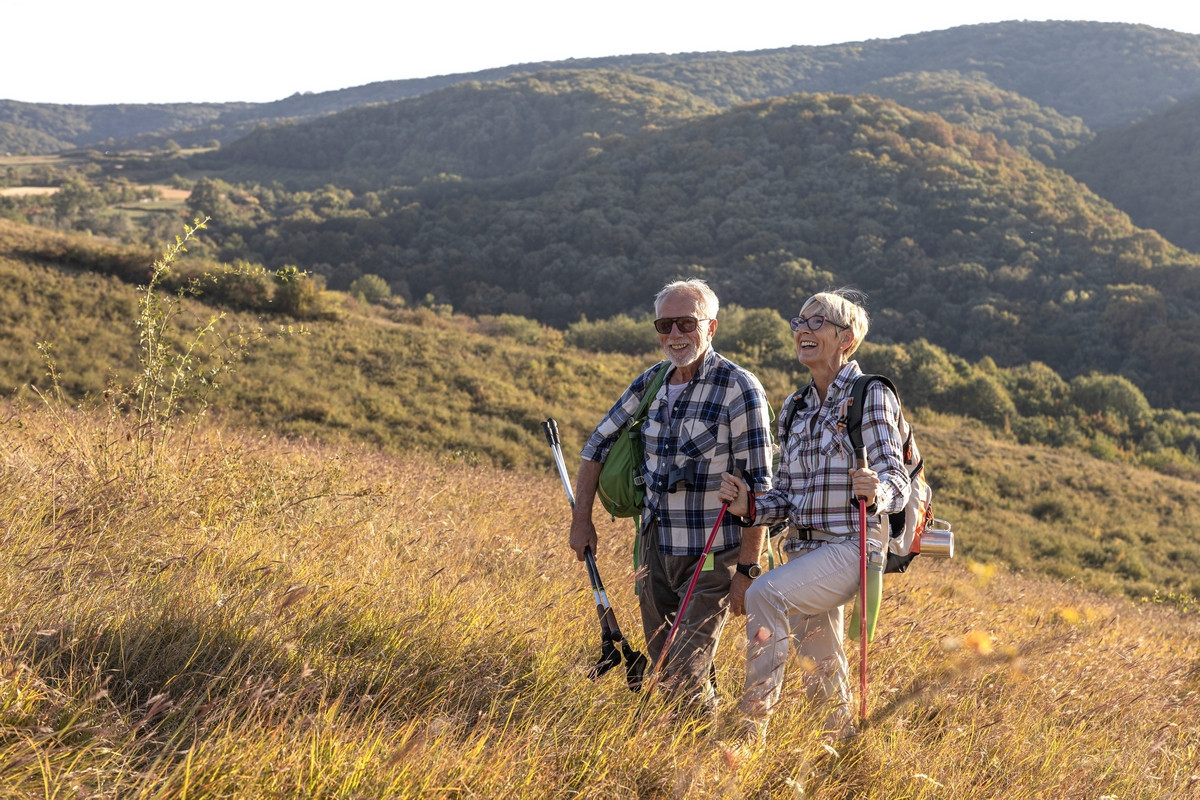
During summer, elderly people tend to feel the Cyprus heat most strongly in the middle of the day, during the traditional “siesta” hours. It is therefore best to plan each day so that the hottest part of the day is spent indoors in an air-conditioned environment.
Cooler Cyprus: The Best Time for Walks and Relaxation
A holiday in Cyprus will be much more comfortable if you avoid being outdoors between 11:00 and 15:00. These hours can be used for:
- lunch and an afternoon rest or nap;
- visiting museums;
- walking high in the mountains, where temperatures are cooler.
Morning is ideal for visiting the beach with elderly parents. In the early hours, the sun is still relatively low, the heat is less intense and the sea is usually calm. In addition, even popular beaches are generally quieter before 9:00, allowing visitors to enjoy the scenery and peaceful atmosphere.
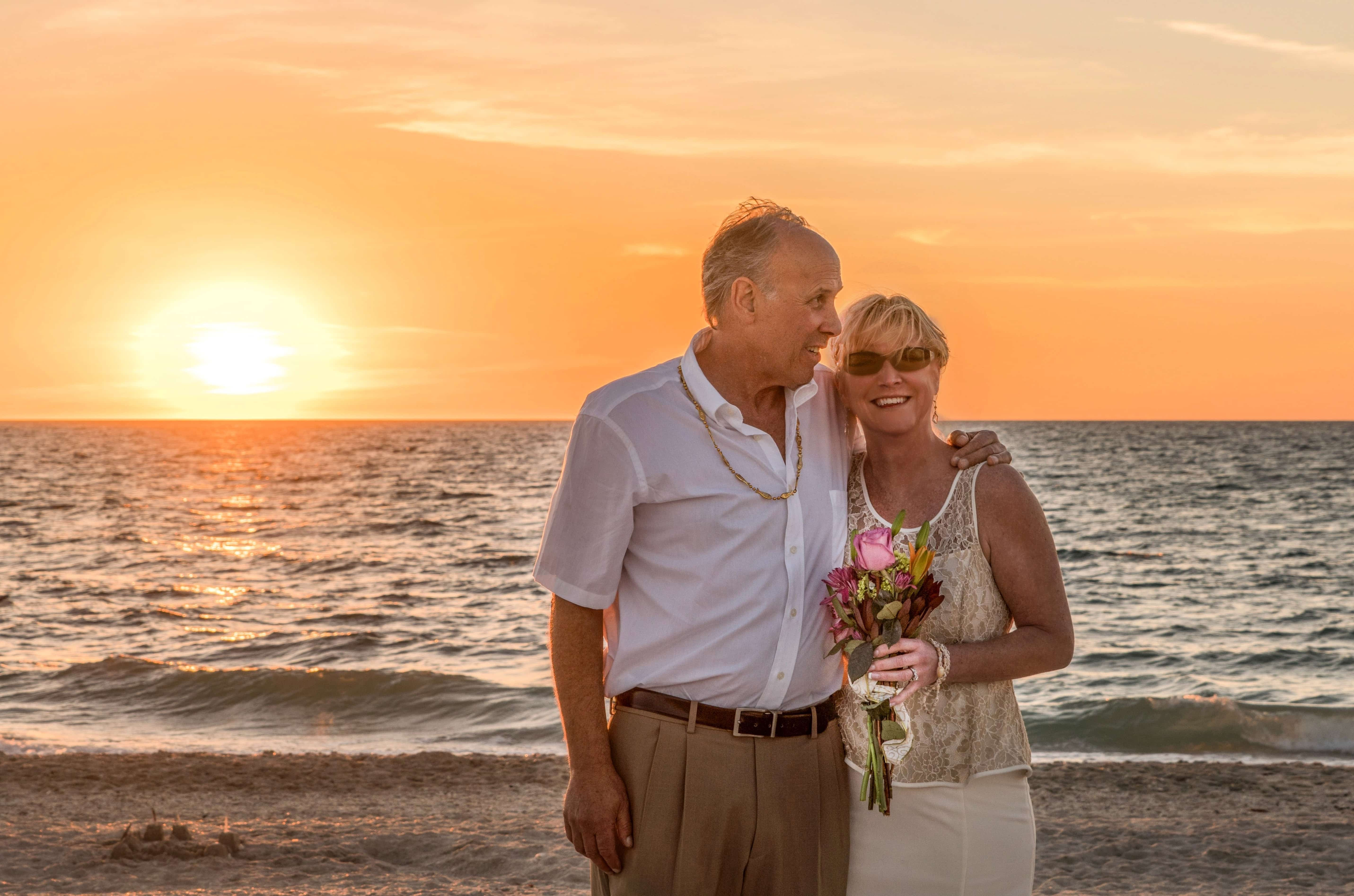
Evenings are perfect for walks along streets and seafront promenades. Swimming may no longer be the main attraction, but watching the sunset certainly is. Some of the most spectacular sunsets can be seen in Paphos.
Tip! Pebble beaches heat up during the day, so they may still be uncomfortably hot in the evening.
Water and Food
In Cyprus, bottled water is generally preferred for drinking. Bottled water is readily available throughout towns and cities, so there is usually no need to carry several heavy litres around.
When travelling through the countryside or going on longer trips, the situation is different: it is important to carry an adequate supply, ideally around 1 litre per person for every two hours. Water can be useful not only for drinking but also for cooling down, for example by wetting a hat.
Eating during hot weather should include plenty of fluids, fruit and vegetables. Cyprus offers no shortage of these, but there are three points worth keeping in mind:
- Cyprus is a meat-loving island. Many traditional dishes contain meat, including fairly fatty varieties. There is no need to avoid meat altogether, but consumption should be moderate, with some meals replaced by fish and seafood, which are also widely available on the island.
- Cypriots, like many Mediterranean people, enjoy generous meals, so portions can be very large. One dish is often enough for two people, while a meze can provide plenty of food for a group. A substantial meal with elderly parents is best planned for the early evening, with only a light snack before bedtime.
- Frappe is an iced coffee drink sold almost everywhere in Cyprus. It can be tempting in hot weather, but elderly people may prefer to limit their caffeine intake, particularly later in the day. If they do want coffee, early morning is usually the better time.
Safe Ways to Cool Down
It is worth remembering that excessive cooling can also cause discomfort during summer. To stay comfortable during a holiday in Cyprus, it is best to cool down sensibly:
- Wear clothes made from natural materials or breathable synthetic fabrics. Dense artificial fabrics are best avoided.
- Choose comfortable open footwear, preferably with supportive or orthopaedic insoles for longer walks.
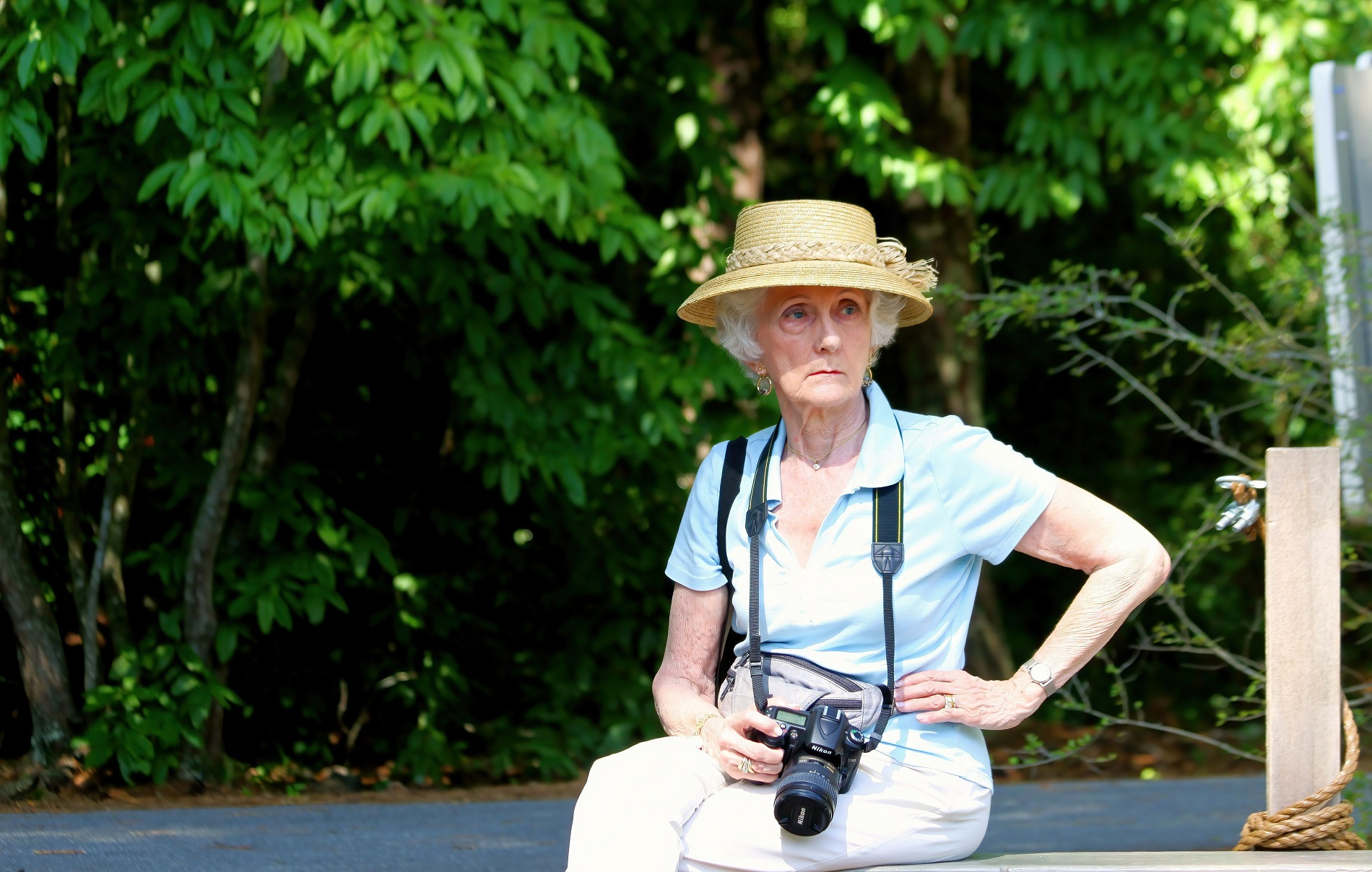
- Wear a hat; a wide-brimmed hat is ideal. A sun umbrella can also be used.
- Maintain adequate hydration and drink regularly throughout the day, taking individual medical advice into account where necessary.
- Very cold drinks may be uncomfortable for some people, so cool rather than ice-cold drinks can be a better option.
- Avoid sitting directly in a strong stream of cold air from an air conditioner or fan.
- A shower can be cool rather than ice-cold. Cold compresses can also help when someone feels overheated.
Small portable fans are widely available and easy to carry. They do not provide powerful cooling, but they improve airflow and can be very useful during hot weather.
How to Choose Routes for Walks and Trips
A walking or driving route should include suitable rest stops, take the time of day into account and ideally have alternative options in case someone begins to feel unwell.
Shade and Even Surfaces
For morning walks, look for routes with plenty of tall trees that provide protection from the rising sun. If you are planning a forest trail, check in advance whether the path is too rocky or steep. For evening walks, choose well-lit locations so that elderly travellers are less likely to trip and can move around comfortably.
Rest Stops, Toilets and Shops
Check in advance where shops, shopping centres, toilets, parks and benches are located along the route. They can be marked on a map beforehand so that there is no need to search for them when they are urgently needed. The most convenient infrastructure is usually found along seafront promenades and nearby areas, so staying close to the coast can be practical. If the walk is planned in the countryside, make sure you carry everything you may need in sufficient quantities.
Mobility Aids
Mobility aids can be rented in larger cities. It is worth remembering that accessibility varies considerably between Cyprus resorts, so the surrounding urban environment should be checked in advance.
Transport and Getting Around
Air-conditioned buses operate within the larger cities of Cyprus. For longer trips outside the cities, renting a car or taking a taxi is usually the most comfortable option. It costs more than public transport, but can make travelling considerably easier for elderly passengers.
Hotels often provide transfer services, and it is worth asking in advance whether they can arrange an individual transfer or taxi.
How to Organise a Beach Holiday in Cyprus
The island of Aphrodite is famous above all for its beaches. Naturally, a holiday in Cyprus with elderly parents is likely to include plenty of time by the sea, although there are many other activities to enjoy as well.
Easy Access to the Sea and Beach Infrastructure
A gentle sandy entrance to the sea is ideal for elderly people and those with limited mobility. Some of the best options can be found in Protaras, Larnaca and selected locations in the Paphos district, including Latchi and Polis. If an elderly person uses a wheelchair, choose a beach equipped with an accessible path leading to the water or a special sea-access system. Suitable beaches include:
- Ayia Napa and Protaras area: Vrysi, Fig Tree Bay, Louma, Ayia Thekla, Vathia Gonia, Landa and Pantachou;
- Larnaca and surrounding areas: Finikoudes, Mackenzie, Kastella, Yannathes, Pyla, Pervolia, Ormideia and Alaminos;
- Paphos and surrounding areas: SODAP, municipal beaches in Paphos, Geroskipou and Polis, Latchi, Coral Bay and Neo Chorio;
- Limassol area: all sections of Akti Olympion, Germasogeia, Agios Tychonas and Parekklisia.
These beaches offer facilities designed to make beach visits more convenient, including changing facilities and sunbeds.
Tip! Beach equipment is available for rent for €2.50, while SeaTrac systems that provide independent access to the sea for people with mobility difficulties can be used free of charge.
Sea Conditions and Safe Swimming
Sea conditions in Cyprus are generally calm during summer, although conditions can vary from day to day. Beaches located in sheltered bays are usually better protected from wind and waves, making them a good choice for elderly swimmers. Other important safety measures include:
- always use a beach umbrella and avoid sitting in direct sunlight for long periods;
- visit the beach early in the morning;
- drink enough water, avoid overeating and excessive alcohol or caffeine, and keep any necessary medication nearby;
- choose fully equipped beaches rather than remote wild beaches, as organised beaches generally have lifeguards during designated hours;
- use sunscreen and other forms of sun protection.
What to Do if Someone Feels Unwell
Even when all reasonable precautions are taken, hot weather can still disrupt your plans. It is therefore useful to know the signs of heat-related illness and the basics of first aid.
Signs of Overheating and Heatstroke
Stop the activity and move the person to a cool, quiet place as soon as possible if they experience symptoms such as:
- weakness and dizziness;
- darkening or blurred vision;
- an abnormal or unusually rapid heartbeat;
- intense thirst accompanied by nausea;
- red or flushed skin around the face, neck or upper chest;
- headache;
- heavy sweating.
Move the person to a cooler environment, let them rest and begin cooling them with cool wet cloths or similar measures. If they are fully conscious and able to drink safely, offer cool water. Seek urgent medical assistance if more serious symptoms develop, including:
- vomiting;
- a very high body temperature;
- signs of severe dehydration;
- seizures or severe shaking;
- loss of coordination or falls;
- fainting or near-fainting;
- confusion, hallucinations or disorientation;
- shortness of breath even while resting.
While waiting for medical assistance, continue cooling the person and keep them in a cool environment or at least in the shade. Do not give food or drink to someone who is confused, unconscious or unable to swallow safely.
Pharmacies, Medical Centres and a Personal Doctor
Check in advance where nearby pharmacies are located. They can be useful even if you have brought a complete supply of medication with you.
Your insurance documents should include information about medical centres covered by the policy. It is useful to save their details in advance and keep them easily accessible so that you can reach the appropriate facility without delay if necessary.
Finding a local doctor may be worthwhile if an elderly traveller has serious chronic conditions requiring regular monitoring, or if the chosen resort is located far from a city and major medical facilities.
Tip! It is relatively easy to find Russian-speaking doctors in Cyprus through local expatriate communities and social media groups.
Cyprus can be an excellent destination for elderly travellers when the trip is planned with the summer climate and individual health needs in mind. The sea is beautiful, many beaches are accessible, and the infrastructure in numerous resorts is particularly well suited to family holidays. In addition to spending time at the beach, visitors can explore the island, enjoy Cypriot cuisine and discover the culture and history of ancient civilisations. The key to enjoying the Cyprus summer safely is careful planning and a sensible daily routine.
Read also:
- Cyprus Fruits in July: Season, Markets and What to Choose
- Electric Cars in Cyprus: The Evolution of Charging Infrastructure
- Amiantos Village: The Rise and Fall of Cyprus' “Monte Carlo” in the Troodos Mountains
- Greek in Cyprus: Reviews of Courses and Language Schools
- How to Make Money from Property in Cyprus: Flipping Guide 2026