
European countries are abandoning “golden visa” programs one after another, which for many years served as a fast-track route for investors to obtain residence permits. In 2025, Spain completely closed its immigration channel based on property purchases starting from €500,000. Ireland discontinued its investment program back in 2023. The Netherlands followed suit in 2024. The United Kingdom had already scrapped its Tier 1 Investor program earlier, in 2022.
Portugal, although it has retained its golden visa, has significantly changed its conditions. Since 2023, the purchase of residential property no longer qualifies investors for the program. Investors are now offered alternative options: investing €500,000 in Portuguese investment funds or €250,000 in support of cultural projects.
Greece has also raised the bar. In Athens, Thessaloniki, Mykonos, and Santorini, the minimum threshold for real estate investment is now €800,000. In other regions, it is €400,000. Only purchases of buildings requiring renovation retain the €250,000 threshold. However, analysts note that the tightening of rules in southern Europe is not a temporary phenomenon, but a sustained trend driven by rising housing prices and pressure from the European Union.
Cyprus Remains an Island of Stability
Against the backdrop of this Europe-wide contraction of the investment immigration market, Cyprus looks especially attractive. The permanent residency program through investment here not only remains active, but also retains stable and transparent conditions.
To obtain a residence permit, non-EU citizens need to invest €300,000 in the country’s economy. These funds can be directed toward the purchase of a new-build residential or commercial property, invested in shares of local companies employing at least five people, or placed in units of investment funds registered in Cyprus.
A key difference between the Cypriot program and many others is that the investor receives not a temporary residence permit, but permanent residency from the outset. This status extends to the spouse, minor children, as well as student children up to the age of 25, provided they are financially dependent on the parent.
A mandatory requirement is a stable annual income from abroad. For the main applicant, this threshold is €50,000 per year. Adding a spouse increases the required amount by €15,000, and each child adds another €10,000. A certificate of no criminal record from the country of origin and medical insurance are also required.
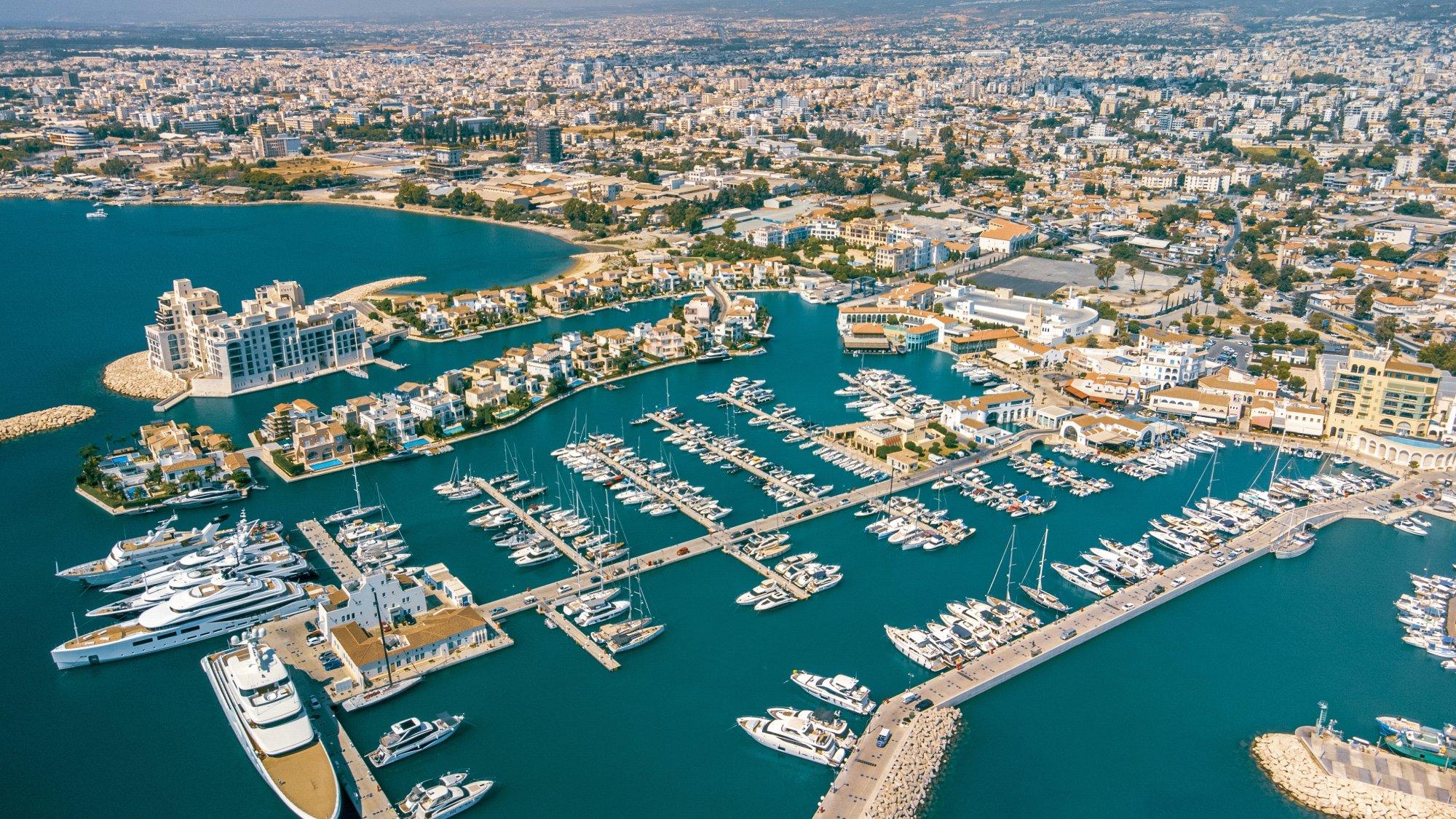
Minimum Stay Requirements and the Path to Citizenship
One of the main advantages of the Cypriot program is its flexibility. A permanent residency holder does not need to live on the island continuously. It is enough to visit Cyprus at least once every two years for the status to remain valid. This makes the program ideal for those who are not yet ready to relocate fully, but want to have a reliable “backup option” in the European Union.
As for the right to work, there is an important restriction. A golden visa holder cannot take up paid employment in Cyprus. However, they may serve as an unpaid director in the company in which the investment was made, as well as receive dividends from shares they own.
After eight years of legal residence in Cyprus, an investor may apply for citizenship, provided all required criteria are met. A Cypriot passport offers visa-free access to more than 170 countries worldwide, including all Schengen states and the United Kingdom.
Tax Advantages: What Non-Dom Status Provides
Cyprus has long established itself as a jurisdiction with a favorable tax climate, and 2026 has brought new positive changes for investors. One of the key tools is non-dom status, or non-domiciled resident status. This status exempts its holder from paying the Special Defence Contribution on dividends, interest, and passive rental income.
Since January 1, 2026, the rules have become even more flexible. Previously, non-dom status was valid for a maximum of 17 years. Now, after this period expires, it can be extended for two additional five-year periods by paying €250,000 for each extension. This change makes Cyprus even more attractive for wealthy investors planning a long-term presence on the island.
Also in 2026, the procedure for being recognized as a tax resident under the “60-day rule” was simplified. Previously, applicants had to confirm that they were not tax residents of another country. This requirement has now been abolished. The Special Defence Contribution rate on dividends for domiciled residents has been reduced from 17% to 5%.
How Cyprus Compares with Other Countries
For clarity, it is worth comparing the conditions of the Cypriot program with those offered by other European countries where golden visas are still available. Hungary offers one of the lowest entry thresholds — €250,000 through investment in certified investment funds. The residence permit is valid for 10 years and can be extended for another 10. At the same time, the Hungarian program allows official employment and business activity, which sets it apart from others.
Greece, despite raising thresholds in popular locations, remains in demand because certain categories of properties — for example, the renovation of commercial buildings — still qualify for the minimum investment amount of €250,000. The program does not require a minimum stay period for status renewal.
Italy is aimed at wealthier investors. The entry threshold is €500,000, which can be invested in shares of Italian companies, government bonds, or charitable projects. The residence permit is valid for two years, with the possibility of renewal if the investment is maintained.
Malta offers a permanent residency program that combines the purchase or rental of property with a government contribution and a charitable donation. According to expert estimates, the minimum costs under the Maltese program start from €169,000 when renting property, or from €474,000 when purchasing.
What to Keep in Mind When Making a Decision
Investment immigration specialists advise looking not only at the minimum investment amount, but also at the total cost of the application process. In addition to the main investment, applicants will need to pay government fees (€500 for the applicant, spouse, and minor children, plus an additional fee for adult children), legal support costs averaging €3,000–€3,500, and Alien Registration Certificate cards at €70 for each family member.
It is important to distinguish between resident status and tax resident status. Obtaining permanent residency in Cyprus does not automatically make an investor a tax resident. To become one, it is necessary to spend at least 60 days a year on the island and meet certain conditions. Only then do the benefits associated with non-dom status come into effect — exemption from tax on dividends, interest, and capital gains from the sale of securities.
Another important point is the instability of migration legislation in Europe. Recent years have shown that golden visa programs can be changed or closed at any time under pressure from the European Union or domestic political forces in a particular country. Therefore, experts recommend making a decision and starting the application process without delay if the Cypriot permanent residency program truly matches your goals.