
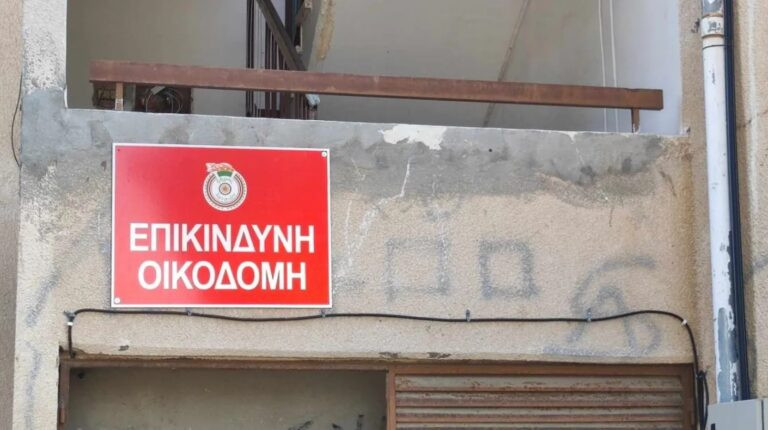
Larnaca has become the second region in Cyprus after Limassol where authorities have begun taking strict action against unsafe housing. Following a series of large-scale inspections, two apartment buildings in the Faneromeni and Chrysopolitissa areas were officially declared extremely dangerous for habitation.
Residents of these buildings will receive notices in the coming days requiring them to vacate their apartments within three days. The decision comes amid growing concern over the condition of Cyprus’s aging housing stock and follows the recent fatal building collapse in Germasogeia.
According to District Governor Angelos Hadjicharalambous, inspections uncovered serious structural risks requiring immediate evacuation. Specialists are currently assessing another 14 properties, with final conclusions expected in the near future.
Inspections Reveal the Scale of the Problem
Authorities acknowledge that the situation with unsafe buildings in Larnaca is far more serious than initially estimated. Government agencies were originally aware of approximately 563 potentially dangerous properties. However, after cross-checking documents and conducting additional analysis, the number could exceed 900.
To systematize the information, the district administration is creating a digital registry of dilapidated and hazardous structures. Some properties have already been referred for further evaluation by independent engineers and construction experts.
Experts note that a significant share of the problems is linked to the aging of apartment buildings constructed several decades ago without modern seismic standards and quality-control requirements. Additional risk factors include high humidity, lack of major repairs, and unauthorized alterations.
Where Residents of Unsafe Buildings Will Be Relocated
One of the main challenges for authorities is finding temporary accommodation for evacuated residents. This is the first operation of this scale in Larnaca, and local services have already requested support from the Ministry of the Interior and the Deputy Ministry of Social Welfare.
Additional pressure is being created by the government housing program “KTIZO.” Under this initiative, four more residential buildings in Larnaca are also preparing for evacuation due to unsatisfactory technical conditions.
Across Cyprus, the number of buildings classified as dangerous or potentially unfit for habitation had previously been estimated at around 1,300. Following the latest inspections, this figure could rise significantly.
Impact on Municipal Services and the Construction Sector
Due to the emergency inspections, some staff from planning and building departments have been temporarily reassigned to work on unsafe properties. The local administration warned that this may lead to delays in issuing building permits and processing applications for other municipal services.
Larnaca authorities have already apologized to residents and developers for any inconvenience, emphasizing that public safety and the prevention of further tragedies remain the top priority.
Against this backdrop, real estate specialists note that the inspections could have a significant impact on the secondary property market in Cyprus. Buyers are increasingly interested in the technical condition of buildings, the availability of engineering assessments, and the history of renovations before purchasing property.
As the number of problematic buildings continues to grow, authorities are discussing the need for a large-scale program to modernize older housing, tighten construction oversight, and create new financing mechanisms for major repairs to apartment buildings.