
A sharp rise in rental prices has been recorded in Cyprus. According to the latest estimates, rental costs have increased by around 40% over the past five years, significantly affecting housing affordability for local residents. This was stated by AKEL leader Stefanos Stefanou during a discussion on housing policy.
How the housing market in Cyprus has changed
In recent years, the real estate market on the island has undergone major changes. In cities such as Larnaca, the rent for a standard apartment has more than doubled and can now reach €1,200–1,500 per month. Property purchase prices have also risen sharply, nearly doubling over a short period. A similar situation is observed in Limassol, where rental prices per square meter have doubled. Coastal areas have become the most expensive on the island.
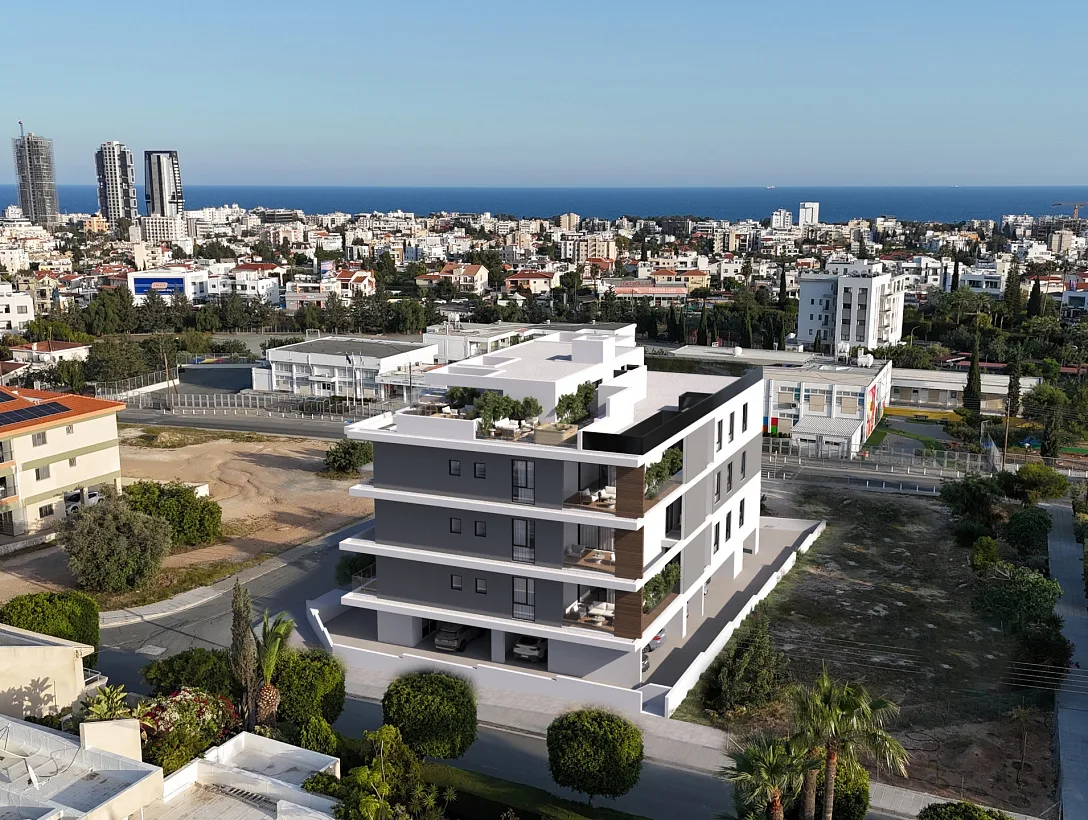
According to Larnaca Mayor Andreas Vyras, the vast majority of new residential projects are aimed at foreign buyers. In some suburbs, the share of housing available to local residents remains minimal, further increasing the imbalance in the market.
Causes of rising prices and housing shortages
Experts attribute the sharp increase in prices to several factors. Strong demand from foreign investors plays a significant role, as does the popularity of short-term rentals via online platforms, which reduces the supply of long-term housing. Additional pressure comes from stricter mortgage lending conditions, with banks limiting the share of monthly payments relative to household income.
The situation is further aggravated by the lack of a long-term government housing strategy. According to Eurostat, more than 11% of Cyprus residents face serious housing difficulties, while the EU average remains significantly lower. This points to a systemic issue affecting an increasing number of households.
Social impact and scale of the problem
Rising housing costs are already having a noticeable impact on living standards. Around 140,000 people on the island live below the poverty line, and when including vulnerable groups, the figure approaches nearly half the population. Young families are increasingly postponing home purchases or are forced to spend a significant portion of their income on rent.
According to experts, Cyprus will need at least 40,000 new housing units over the next 10 years to stabilize the market. Without increasing supply, the situation may continue to worsen, especially in major cities and tourist areas.
Proposed measures and government actions
Cypriot authorities are taking steps to improve housing affordability, focusing on the construction of new residential units and support for young families. Plans already include the development of several thousand housing units in the coming years, along with subsidy and grant programs for buyers and renters.
Additional measures under discussion include regulating short-term rentals and creating a unified body to coordinate housing policy. Some policymakers propose introducing restrictions similar to those in European cities to return part of the housing stock to the long-term rental market.
Despite these efforts, experts agree that isolated measures will not fully resolve the issue. Without a comprehensive approach—including investment control, development of social housing, and balancing market interests—affordable housing in Cyprus may remain scarce for many years to come.