
The authorities of Limassol and the Cyprus Land Development Corporation (KOAG) continue to discuss the future of one of the largest affordable housing projects on the island. The large-scale program was designed to build 600 apartments to be offered under an “affordable rent” scheme. However, in 2026 the project encountered several major challenges at once, including a sharp increase in land prices, disputes over the allocation of shares between the state and the municipality, and demands to hold architectural competitions for the next stages of construction.
Despite these difficulties, both sides emphasize that they do not intend to abandon the project. The Limassol authorities acknowledge that the housing crisis in the city has reached a critical level, while both rental and property purchase prices continue to rise. Over the past few years, Limassol has become the most expensive city in Cyprus, with average apartment rents increasing by dozens of percentage points due to strong demand, limited supply, and the steady influx of foreign professionals and investors.
The First Apartments Are Already Under Construction
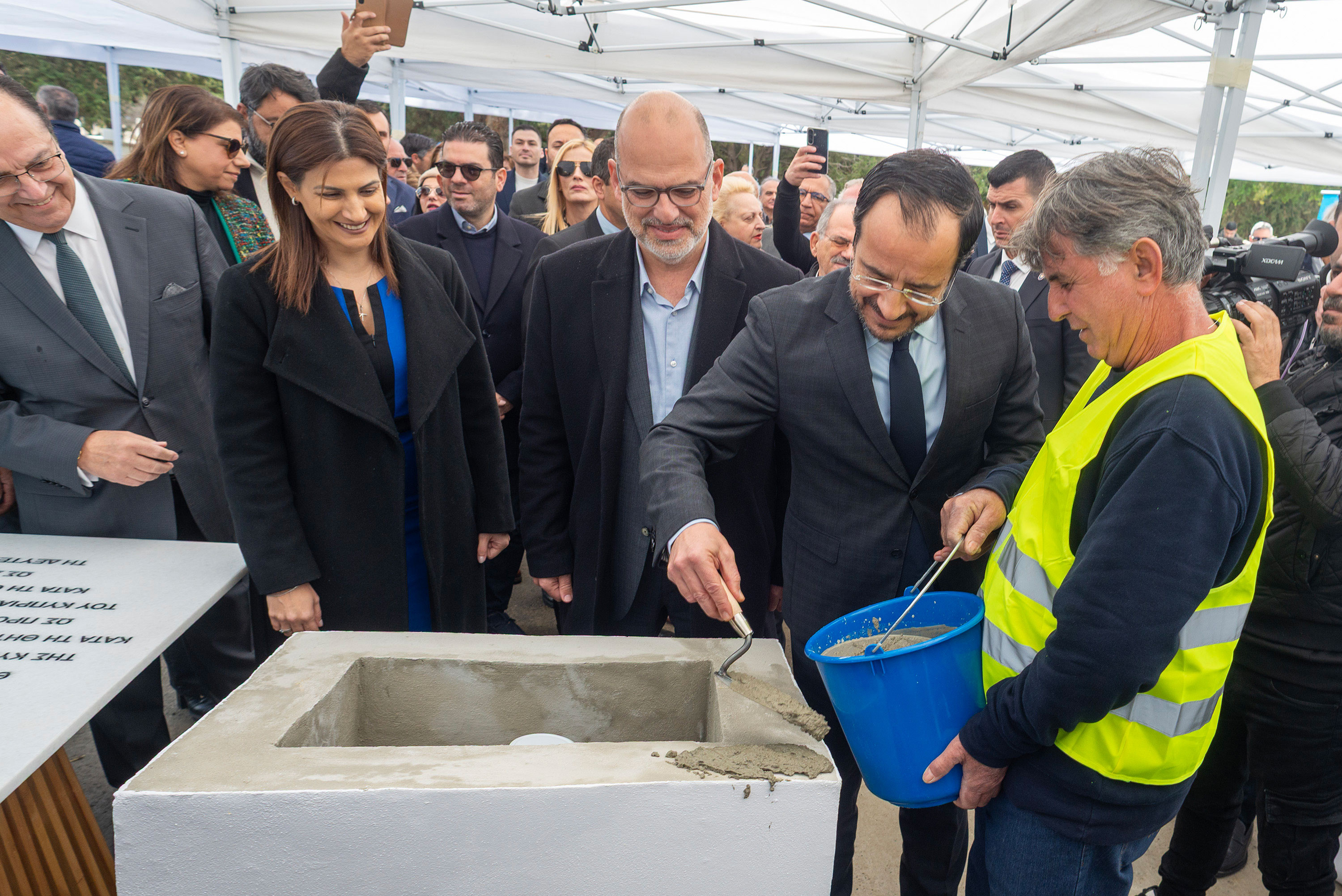
After nearly ten years of discussions, the project has finally begun to take shape. In the Agios Nikolaos area, construction is already underway on the first residential building, which will contain 36 apartments. Over the next 12 months, four additional buildings are expected to break ground, bringing the total number of apartments to 138.
However, the project is still far from its original target of 600 apartments. The next stages include the construction of 180 apartments in Agios Ioannis and a further 280 apartments as part of the third phase of the project in Agios Nikolaos.
The main challenge is that land prices in Limassol have risen sharply in recent years. This is especially true in Agios Ioannis, which is located near major modern developments and not far from the coastal zone. Today, land values there are almost equal to construction costs, fundamentally changing the project’s financial viability.
Disputes Over Profit Allocation
The original cooperation model between the municipality and the state housing agency envisioned an approximate 68% to 32% distribution in favor of the organization responsible for construction. However, Limassol authorities now argue that due to the significant increase in land values, the municipality should receive a substantially larger share.
This issue has become one of the main reasons for delays in the next stage of the project. Plans for 87 apartments in the first phase in Agios Ioannis have already been prepared, and an application for planning permission has been submitted. Nevertheless, the project has effectively stalled at the municipal level because of the need to approve changes related to green areas and site layout.
At the end of April, Cyprus Interior Minister Konstantinos Ioannou sent an official letter to the Mayor of Limassol requesting clarification of the city’s position. The ministry is concerned by reports that the municipality is considering alternative housing developments outside the city center.
Limassol Calls for a New Construction Approach
The Limassol Municipal Council unanimously supported the continuation of the project, but only on the condition that the terms of cooperation are revised. The city authorities also want state guarantees that tenants will meet their financial obligations on time. Municipal officials note that they have already faced significant arrears in other housing programs.
Additional disagreements concern the very format of the project. The municipality stresses that this should be affordable housing for working residents rather than traditional social housing. Officials believe that modern European housing models should be explored and adapted to the specific conditions of Limassol.
Architectural Competitions Could Reshape the Entire Project
Another important issue is the use of architectural competitions. The Limassol Municipal Council insists that all future phases of the project should be carried out exclusively through open architectural competitions. Previously, such tenders were prepared internally by the development organization, but city authorities are seeking greater participation from independent architects and the public. This is particularly relevant for the largest third phase, which includes 280 apartments.
In addition, the municipality proposes applying the principles of the New European Bauhaus, a modern European concept focused on sustainable and comfortable urban spaces. This approach aims to create a higher-quality living environment with active resident participation in planning future housing complexes. However, such requirements could significantly increase construction costs and delay implementation. Government officials and related agencies have already cautiously indicated that these demands may complicate project financing.
Limassol Is Searching for New Housing Sites
Against the backdrop of the housing crisis, Limassol authorities are also considering other ways to address the shortage of affordable homes. The municipality is prepared to provide a large plot of land in Polemidia for the construction of a new residential complex that could potentially include more than 1,000 apartments along with supporting infrastructure.
Officials are also discussing the transfer of unused building coefficients from other municipal plots, including the prestigious Enaerios seafront site. This would make it possible to increase development density in other parts of the city and create additional affordable housing.
Experts note that affordable housing has become one of the most pressing issues in Cyprus. In Limassol, apartment rents have risen so sharply in recent years that many young families and middle-income employees can no longer afford to live in the city. For this reason, the implementation of projects like this is viewed by the authorities as one of the key social priorities for the coming years.