
On Cyprus, the first phase of the ambitious government program Ktizo is nearing completion. The program concerns refugee housing, as thousands of people had spent years living in unsafe and uninhabitable apartment buildings. The first newly built residential block in the Latsia area of Nicosia is expected to be delivered in just two months. However, the joy of relocation has been overshadowed by a serious financial barrier. Elderly people who have waited decades for decent housing are now at risk of being left without a roof over their heads because they cannot afford the mandatory contribution required for the new apartments.
The situation is made worse by the fact that the rental subsidy for temporary accommodation, previously provided to displaced residents, will soon come to an end. People who left dangerous buildings at the authorities’ request have found themselves trapped: the new homes are almost ready, but moving in without money is impossible, while the old buildings have already been demolished.
How the Ktizo Program Works and Where the Debt Comes From
The Ktizo program involves the demolition of 46 dangerous apartment blocks in government housing settlements across Cyprus and the construction of modern replacements. The state covers most of the expenses. However, future residents are required to contribute their share — around 10% of the value of the new property. The amount depends on the apartment size: €10,000 for a one-bedroom apartment, €20,000 for a two-bedroom apartment, and €25,000 for a three-bedroom apartment.
At first glance, these sums may seem modest by Cyprus housing standards. But the issue is that the program’s beneficiaries are mostly first- and second-generation elderly refugees, many of whom survive on very limited incomes. They do not have such savings, and obtaining a loan has proven impossible.
Age Becomes a Sentence for Banks
Both the executive and legislative authorities in Cyprus have explored multiple scenarios to help affected residents. Negotiations were held with banks and with the Housing Finance Corporation. Authorities even considered support through the Central Equal Burden Sharing Agency. All efforts ultimately failed. Banks refuse to issue loans to people over the age of 65, regardless of their credit history or the size of the loan. For financial institutions, this is considered too high a risk, and the government, it appears, cannot dictate lending policies to private banks.
The situation has also gained political significance. Refugees claim that during a meeting at Latsia municipality, the Interior Minister personally assured them that the issue would be resolved. Residents were promised that a mechanism would be found to cover or restructure their contributions. However, now that only weeks remain before the building’s completion, it has emerged that no special program or reserve fund was ever created. According to those affected, the promise was never fulfilled.
One Million Euros Has Already Been Distributed, but Help Is Still Insufficient
Certain steps have nevertheless been taken. A €1 million fund financed through private donations was established to support the most vulnerable groups. A special vulnerability committee has already distributed these funds among 106 applicants. But this is catastrophically insufficient to cover the needs of everyone requiring assistance. The selection criteria are extremely strict, taking into account exceptionally low income, severe health problems, and advanced age. Many refugees who are not considered among the poorest, yet still cannot raise €10,000–20,000, remain excluded from any support.
What the Ministry of Interior Says
Official ministry representative Margarita Kyriakou reminded the public that the terms of the program had been known from the very beginning. All refugees received written and verbal notifications regarding the required contribution. The ministry stresses that it did indeed approach banks, and some of them offered more favorable lending conditions for Ktizo participants. However, the government has no power to alter banks’ age restrictions.
The key message from the Interior Ministry is that payment arrangements are private agreements between refugees and contractors. The rental subsidy, as previously announced, will end immediately after the completion of the new housing. No additional state grants for this category of citizens have been included in the budget.
Construction Progress and the Scale of the Crisis
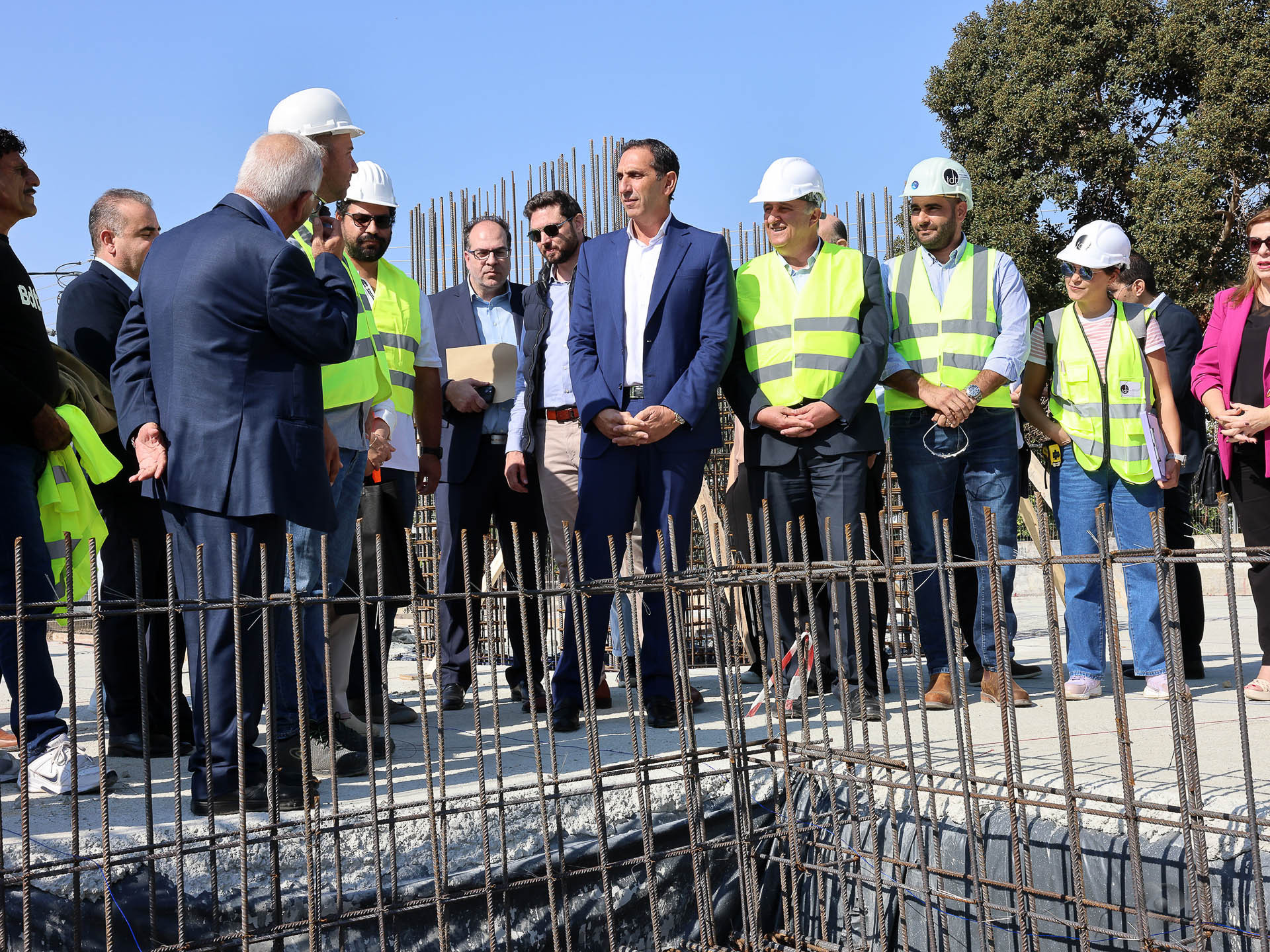
Despite growing social tensions, construction continues according to schedule. The first building in Latsia is expected to be delivered in June. Another residential block in Strovolos is scheduled for completion in July. Construction work is currently underway at four more sites: three in Nicosia (Latsia, Aglantzia, and Anthoupoli) and one in Limassol. Building permits have already been issued for two additional projects in Limassol, while the permit for Larnaca is in its final approval stage. The second phase of the plan includes not only demolition and reconstruction but also major renovation of less dangerous buildings.
The program applies to three categories of residents. These include first-generation refugees (those displaced to southern Cyprus after the events of 1974), their children (the second generation), and later buyers of apartments in these unsafe buildings, regardless of whether they are refugees. All of these people have a choice: either participate in the reconstruction and pay the additional contribution or decline participation. Those who refuse receive a one-time financial compensation equivalent to the state grant and the value of their land share. However, this compensation is generally far too low to purchase alternative housing on the open market at current prices.
Thousands of elderly people in Cyprus have become trapped in a situation where the state has built homes for them but failed to guarantee access to those homes. Ironically, the newly constructed apartment blocks are already visible from the windows of their temporary accommodation, yet moving in without money remains impossible. Unless an urgent political solution or a new lending scheme is introduced in the coming months, many elderly refugees risk losing access to the very housing being built for them.