Cyprus is undoubtedly one of the best destinations for recreational drone flying and commercial aerial photography. The island offers breathtaking scenery, a wide variety of landscapes, and clear skies almost year-round. It is therefore no surprise that many aerial photography enthusiasts visit Cyprus to capture its beauty from a bird’s-eye view.
In addition to its stunning natural environment, Cyprus operates within the European EASA regulatory framework, offering clear and transparent laws and rules governing drone use. For those interested in flying a drone in Cyprus in 2026, we have prepared a guide to help you navigate the island’s airspace safely and without complications.
Can You Fly a Drone in Cyprus Today?
Following a series of unprecedented drone-related attacks earlier this year, the Cypriot government introduced a temporary drone flight ban in March 2026. The restriction has since been lifted, and civilian drone operations are once again permitted. However, to comply with all Cypriot aviation regulations and EASA rules, it is important to ensure that you have all the necessary documentation. These include:
- Registration. If you operate any drone equipped with a camera, or if your drone weighs more than 250 g, you will almost certainly need to obtain an Operator Registration Number from the Cyprus Department of Civil Aviation, as well as an A1/A3 Remote Pilot Certificate.
- Insurance. While insurance is not mandatory for standard recreational flights conducted in unrestricted areas under the basic Open Category rules, third-party liability insurance with coverage of €1 million may be required in the following cases: operations within Airport Zone B, flights conducted under special operational authorizations, and certain professional drone activities.
- Maximum Altitude. Under Open Category regulations, the maximum permitted flight altitude is 120 m above ground level. Flying higher may require special authorization.
- Visual Line of Sight (VLOS). Your drone must always remain within your visual line of sight, regardless of whether the flight takes place during the day or at night. In practice, this means you must be able to see the drone with your own eyes and determine its position and orientation at all times.

EASA Drone Categories and Pilot Requirements
According to the regulations of the European Union Aviation Safety Agency (EASA), most low-risk recreational and commercial drone operations fall within the so-called Open Category. To comply with its requirements, drones must:
- remain within visual line of sight (VLOS) at all times;
- fly at a maximum altitude of 120 m above ground level;
- not carry dangerous goods;
- not drop objects that could endanger people.
The Open Category is further divided into three subcategories depending on the size of the drone, its proximity to people, and the overall level of operational risk:
1. A1 Subcategory (Flying Over People). This subcategory allows flights over individual people, but not over large crowds. For example, it does not permit flights above gatherings of people or mass events such as concerts, demonstrations, or sporting events. In general, you may safely fly a drone in parks, near buildings, or in residential areas provided there are no large crowds nearby. Drones permitted under this subcategory include lightweight models:
- Class C0 drones (up to 250 g);
- Class C1 drones (up to 900 g).
For pilots operating ultra-light drones weighing less than 250 g, the requirements are minimal. However, for Class C1 drones, it is mandatory to:
- complete online training;
- pass the A1/A3 online theory examination;
- register as a drone operator.
In addition, the following requirements must be observed:
- All drones in Cyprus must remain within Visual Line of Sight (VLOS) at all times.
- The maximum flight altitude must not exceed 120 m.
- Carrying dangerous goods or dropping materials and objects that may endanger people is prohibited.
2. A2 Subcategory (Flying Close to People). The A2 subcategory permits operations at a minimum distance of 30 m from people, making it particularly popular for professional and commercial filming, real estate video inspections, and urban photography. Furthermore, if your drone supports a certified low-speed mode, this distance may be reduced to 5 m. This subcategory generally allows the use of Class C2 drones (up to 4 kg), including:
- DJI Mavic 4 Pro
- DJI Mavic 3 Pro
- DJI M30T
- Autel EVO Max
To operate in the A2 subcategory, pilots must first obtain an A1/A3 certificate and complete the required theoretical training and examination. The next step is self-practical training and studying additional safety materials. Pilots must then successfully pass a further theoretical examination and obtain the A2 Certificate of Competency, also known as the A2 Remote Pilot Certificate.
A3 Subcategory (Flying Far from People). This subcategory does not permit flights directly over people. In general, drones in Cyprus must remain at least 150 m away from residential, commercial, industrial, and recreational areas. Only flights over sparsely populated or uninhabited areas are allowed, making this subcategory an ideal option for commercial projects, monitoring operations, and research activities. A wide range of drones may be used within the A3 subcategory, from lightweight to larger models, including:
- Class C2 drones
- Class C3 drones
- Class C4 drones
The requirements for pilots are generally less demanding than in the previous subcategories. To gain the right to fly, pilots must complete A1/A3 online training, pass the theoretical examination, and obtain operator registration.
Registration and Licensing: A Guide for Tourists and Residents
Operator ID and Flyer ID: What Is the Difference?
Operator ID. In Cyprus, as in all EU countries, you must register as an operator for most recreational and professional drone flights, particularly if your drone is equipped with a camera/sensor or weighs more than 250 g. Once registered, you will be assigned a unique operator registration number, also known as an Operator ID. This unique identifier links the responsible individual or organization to the operation of the drone.
In Cyprus, the Operator ID must generally be displayed on the drone and uploaded to the Remote ID system. If you own multiple drones, the same Operator ID should be used across all of them. Operator registration remains valid for three years and can subsequently be renewed.
Flyer ID / A1/A3 Remote Pilot Certificate. The A1/A3 Remote Pilot Certificate is the European equivalent of the UK's Flyer ID.
It confirms the pilot’s qualifications and demonstrates knowledge of airspace regulations, safety requirements, and emergency procedures. To obtain a Remote Pilot Certificate in Cyprus, you must be at least 16 years old. You must also complete online training and successfully pass an online examination with a minimum score of 75%. This certificate is mandatory for most pilots operating within the Open Category and remains valid for five years.
Temporary Registration for Visitors
As Cyprus follows the EASA regulatory framework, citizens of EU countries who already hold a valid EU/EASA operator registration and a valid Remote Pilot Certificate (A1/A3 or A2) can generally use these credentials in Cyprus without needing to obtain separate local registration.
However, if you are visiting from a non-EU country and Cyprus is the first European state where you plan to fly your drone, you must register as a drone operator in Cyprus. To do so, you must be at least 18 years old. Fortunately, the entire process is completed online, after which you will receive your Operator ID electronically. In addition, you will need to obtain an A1/A3 Remote Pilot Certificate.
Remote ID Requirements
In recent years, the Remote ID system has become an important regulatory requirement in Cyprus as part of the broader European drone framework. For example, the Cyprus Department of Civil Aviation requires the operator registration number to be uploaded to the drone’s remote identification system whenever the drone model supports this functionality.
Remote ID helps authorities track and identify drones by transmitting key information such as the Operator ID, drone identification details, location, speed, and flight altitude, and in some cases, the pilot’s location. The system enhances safety and transparency in drone operations throughout the European Union. In general, most drones carrying C1–C6 class markings, as well as many modern commercial and recreational models, are required to support Remote ID broadcasting.
Restricted and No-Fly Zones in Cyprus
Airport Geozones (Red and Yellow Zones)
Red Zones (Zone A). Under international aviation regulations, the areas surrounding Larnaca International Airport and Paphos International Airport are classified as Red Zone A, meaning that drone operations are completely prohibited within their airspace. Due to the extremely high risk of conflict with manned aircraft, violating these restrictions can result in substantial fines and even imprisonment.
Yellow Zones (Zone B). The areas surrounding airports are designated as Yellow Zones, meaning that flights are restricted rather than entirely prohibited. Drone operations within these zones are permitted only after obtaining special authorization from the Cyprus Department of Civil Aviation. Applications must generally be submitted several working days before the planned flight, and operators must also obtain third-party liability insurance with coverage of approximately €1 million.
Military Bases and the Green Line
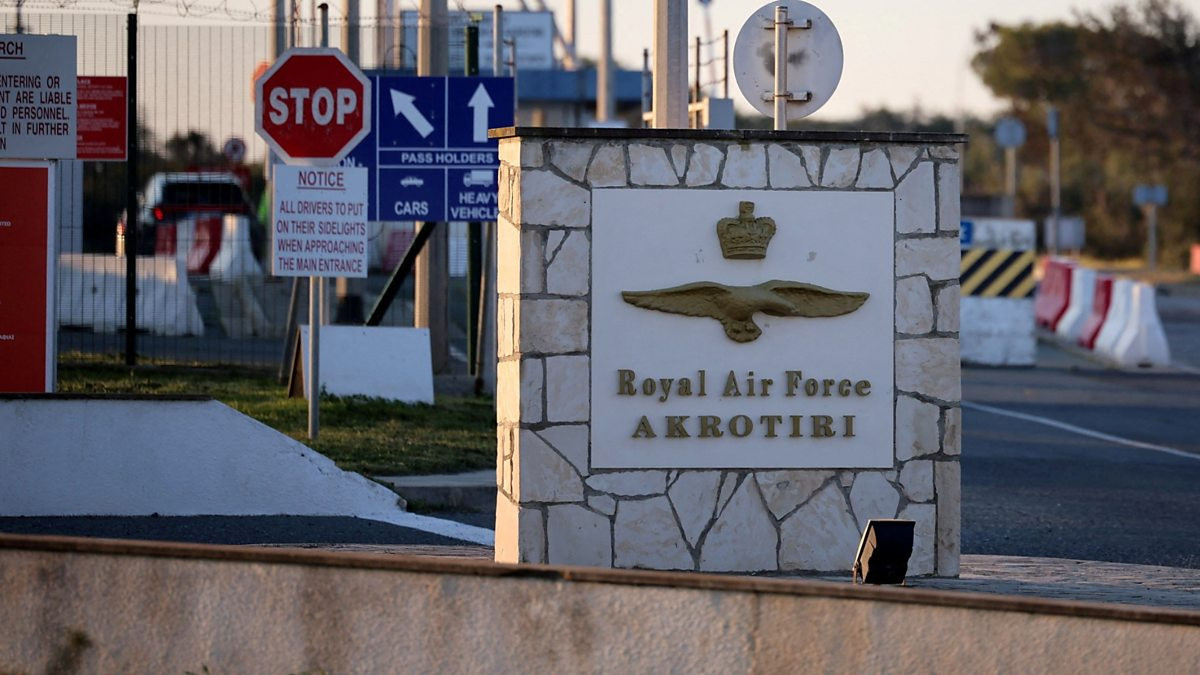
Due to its complex geopolitical situation, Cyprus contains several strategically important locations, including British military bases and the so-called Green Line (buffer zone), where drone operations are either completely prohibited or heavily restricted. Flights over military bases, military facilities, or in their immediate vicinity are generally forbidden unless special authorization has been granted. These sensitive areas include:
- the British Sovereign Base Areas of Akrotiri and Dhekelia;
- Cyprus National Guard military installations;
- areas surrounding military airfields;
- certain radar and defense facilities.
It should be noted that following recent attacks targeting RAF Akrotiri Air Base, Cypriot authorities are exercising increased vigilance regarding any drone activity in the vicinity of this area.
Natura 2000 Sites and Archaeological Monuments
Cyprus is home to numerous protected natural areas, many of which form part of the European Natura 2000 network. These sites are protected under the EU Birds Directive and Habitats Directive and are intended to preserve the island’s rare flora and fauna. Birds are particularly sensitive to drone activity, which means that flights over Natura 2000 sites may be heavily restricted and, in some cases, require special authorization.
Another category of protected areas consists of Cyprus’s archaeological sites. Under local regulations, drones must not fly over archaeological monuments, within their boundaries, or in their immediate vicinity without approval from the relevant authority.
The primary authority responsible for protecting the archaeological heritage of the Republic of Cyprus is the Department of Antiquities. The strict restrictions are intended to prevent damage to historically significant sites, reduce risks to tourists and visitors, and ensure the preservation and security of the island’s cultural heritage. Such protected locations include:
- Kourion
- Paphos Archaeological Park
- Choirokoitia
- Other sites managed by the Department of Antiquities
Useful Tip: Always check the Cyprus Geo-Zones Map. It provides up-to-date information from the Cyprus Department of Civil Aviation on areas where drone operations are permitted, restricted, or completely prohibited.
Mandatory Insurance and Safety Standards
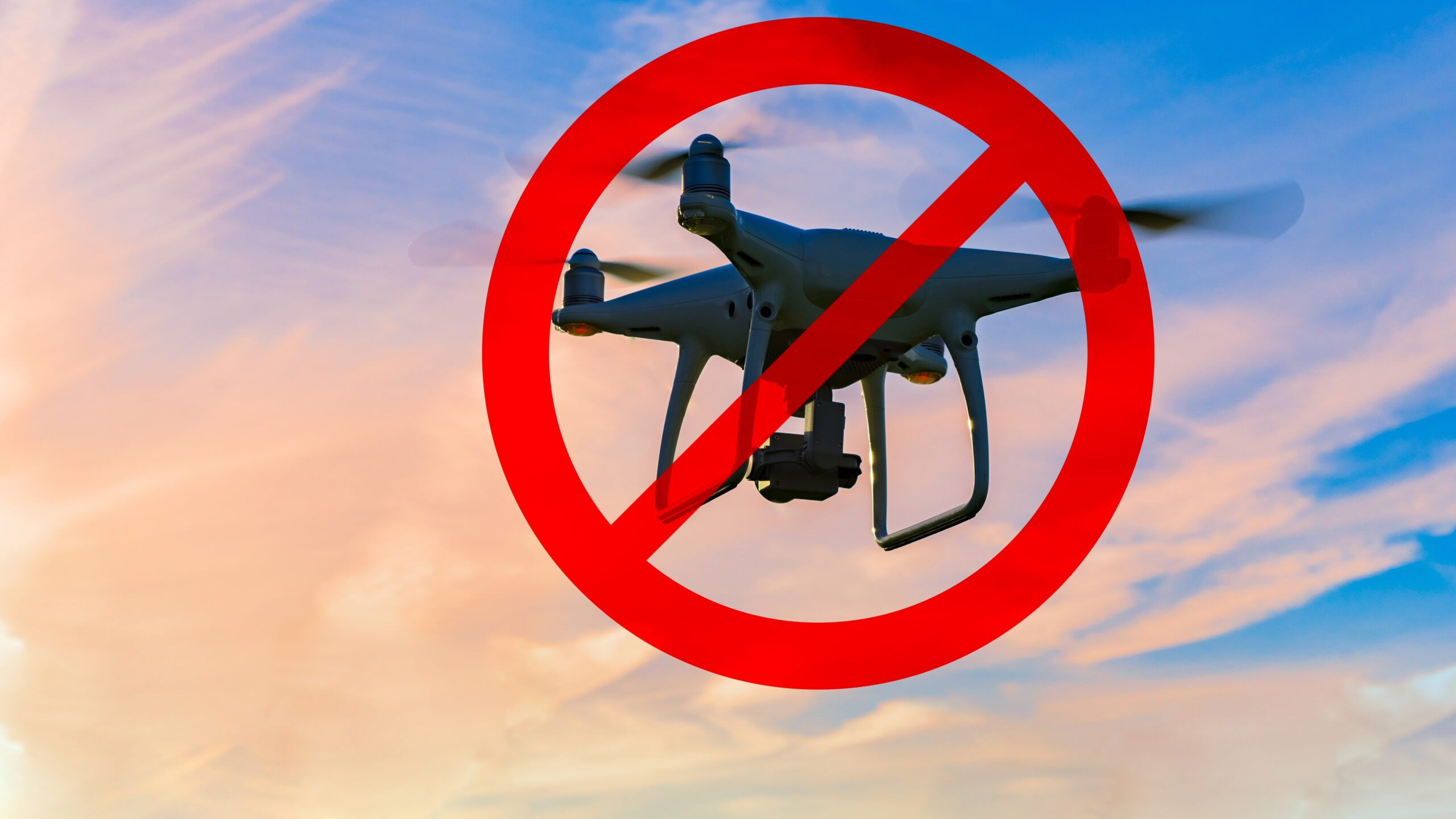
Although third-party liability insurance is not mandatory for certain low-risk drone operations, it is required for flights that need special authorization, including:
- professional and commercial aerial photography and videography;
- infrastructure inspections;
- mapping and surveying operations;
- flights within restricted airport airspace.
Insurance Requirements and Supporting Documentation
According to the requirements of the Cyprus Department of Civil Aviation, third-party liability insurance with coverage of €1 million is mandatory for:
- operations within Airport Zone B (yellow restricted zones);
- flights conducted under special operational authorizations.
Such insurance generally covers:
- bodily injury to third parties;
- damage to vehicles, buildings, and structures;
- property damage.
However, it does not cover:
- damage to your own drone;
- normal wear and tear of equipment;
- intentional unlawful acts.
To obtain flight authorization and airspace approval, the Cyprus Department of Civil Aviation will typically require the following:
- insurance certificate;
- insurance policy number;
- insurance coverage amount;
- insurance validity period;
- operator details matching the registration records.
Flying After Sunset and Legal Considerations
Under the latest EASA regulations, night drone operations are not prohibited. However, you must comply with all standard Open Category requirements, including:
- Keeping the drone within Visual Line of Sight (VLOS) at all times.
- Observing the applicable altitude limitations.
- Complying with all geozone rules and airspace restrictions.
In addition, all drones flown at night must be equipped with a flashing green light. It should also be noted that due to recent geopolitical tensions in the region, Cyprus imposed a nationwide ban on civilian drone operations in March 2026. Although most restrictions have since been lifted, certain geozones—including military bases, airports, archaeological sites, and Natura 2000 areas—remain subject to strict regulation.
As these measures may change at any time, pilots are strongly advised to check the latest official notices before every flight, particularly when operating at night.
Night flights and aerial photography after dark can be especially impressive. However, it is important to remember that nighttime drone operations may involve certain risks:
- loss of spatial orientation;
- the risk of unintentionally entering restricted geozones;
- reduced visibility and greater difficulty maintaining VLOS;
- an increased risk of collisions;
- more difficult identification of people and vehicles on the ground;
- the risk of disturbing wild birds and animals in their natural habitats;
- public safety and privacy concerns when flying in populated areas.
Because of these additional risks, any violation committed during nighttime operations is likely to be treated more seriously by Cypriot authorities and may result in stricter penalties.
Practical Tips for Drone Pilots in Cyprus
How to Handle Extreme Heat and Strong Winds
Cyprus boasts some of the most spectacular landscapes in Europe, but it is also known for its extremely hot, dry summers and strong winds. During the summer months, especially in August, temperatures in the island’s inland regions can exceed +40°C. Such extreme heat can be harmful to sensitive lithium batteries, which tend to degrade rapidly when exposed to high temperatures.
To avoid this, always store batteries in the shade and never leave them in direct sunlight or inside parked vehicles. In addition, hot air is less dense, meaning drone motors must work harder to generate lift. For this reason, it is advisable to reduce flight durations during the hottest parts of the day.
In general, the safest and most rewarding times for aerial photography are the early morning hours—from sunrise until 10:00 a.m.—and the evening period after 5:00 p.m. until sunset. These times offer ideal lighting conditions and visibility while minimizing the impact of extreme weather on your drone. Strong winds are another major operational challenge in Cyprus, particularly for ultra-light drones. The windiest areas include coastal and mountainous regions such as Cape Greco, the Akamas Peninsula, the coastal areas around Paphos, and the Troodos Mountains. At the same time, Nicosia and surrounding inland areas frequently experience strong gusty winds during summer afternoons.
Best Apps for Real-Time Airspace Checks
- The official Cyprus Department of Civil Aviation Geozones Map should always be your first source of information before flying in Cyprus. It provides up-to-date details on airport zones, restricted and prohibited areas, as well as locations requiring special authorization. Since local regulations may change without prior notice, it is important to review the map before every flight.
- UAV Forecast is one of the most popular applications among drone pilots for checking weather conditions. It displays wind speed, wind gusts, visibility, the number of available satellites, the geomagnetic Kp index, and an overall flight suitability rating (Fly / No Fly).
- OpenSky is widely used by drone enthusiasts because it allows users to track air traffic in real time.

Frequently Asked Questions
Can I fly a DJI Mini 4 Pro in Cyprus without a license?
For many recreational flights conducted under the Open Category, particularly with lightweight drones such as the DJI Mini 4 Pro, a separate operational authorization is generally not required.
However, obtaining an Operator Registration ID and an A1/A3 Remote Pilot Certificate may still be mandatory, depending on the nature of the operation and whether the drone is equipped with a camera. Before flying, it is advisable to review the requirements of the Cyprus Department of Civil Aviation (DCA) and the applicable EASA regulations.
What penalties apply for flying in a no-fly zone?
The severity of penalties varies significantly depending on the type of restricted area and the nature of the violation. For example, breaching regulations within a Red Airport Zone (Zone A) may result in substantial fines and even imprisonment. Flying within military airspace or the buffer zone may lead to security investigations, drone confiscation, administrative sanctions, and legal prosecution. Likewise, operating over Natura 2000 sites or archaeological monuments may result in fines and difficulties obtaining future flight authorizations.
Can I use a UK or US drone pilot license in Cyprus?
If Cyprus is the first EU country in which you intend to operate a drone, EASA regulations require you to obtain an Operator Registration Number and an A1/A3 Remote Pilot Certificate in Cyprus.
Do I need authorization for commercial real estate filming?
It depends on the nature of the operation. If the filming involves flights near people, residential buildings, or within densely populated urban environments, additional permissions may be required, including property owner consent and specific operational authorizations for the filming activity.
Are drone flights permitted on the beaches of Ayia Napa and Protaras?
While drone operations over beaches in Cyprus are generally not prohibited, it is important to avoid flying over crowded beaches. In addition, certain Natura 2000 protected areas, such as the Cape Greco region, may be subject to additional restrictions and special drone operating rules.
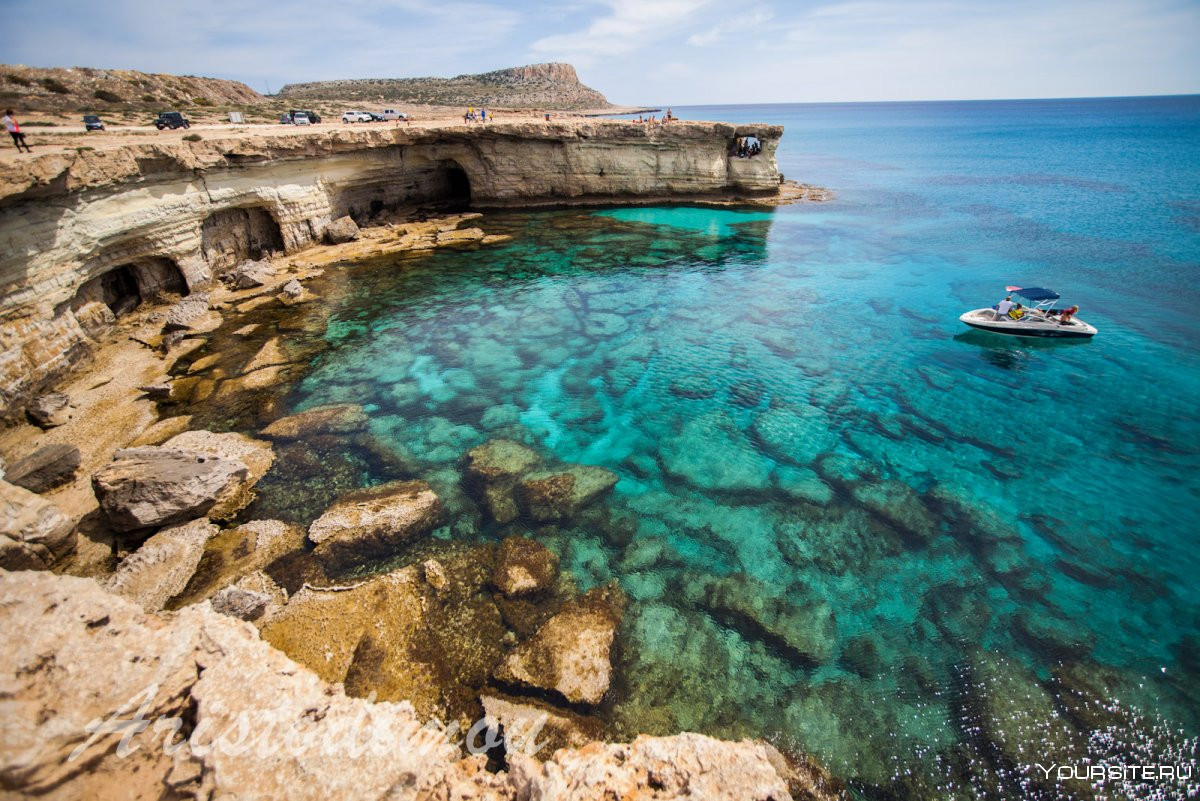
Flying a drone always provides unforgettable experiences, especially in Cyprus, where the island’s landscapes become even more spectacular when viewed from above. However, to avoid unpleasant surprises in the form of fines or penalties, it is essential to stay informed about the latest laws and regulatory requirements. We wish you clear skies, safe flights, and hope that your next drone adventure in Cyprus will be truly unforgettable.
Read also:
- The Cost of Living in Cyprus in 2026
- Cyprus: The Island That Gave the World Copper
- Halloumi in Cyprus: An Authentic Recipe from Village Housewives and the Secrets of Cheesemaking
- 5 Villages in Cyprus That Are Definitely Worth Visiting in May
- Selling an Apartment in Protaras with a Tenant: Nuances Realtors Rarely Talk About