Spring is one of the most beautiful seasons in Cyprus. The entire island bursts into bloom, with lush green grass that has not yet dried under the hot Cypriot sun. Plains and forest clearings are filled with flowers, from yellow wild mustard and colorful poppies to delicate wild orchids.
But spring is also the perfect time to discover local wild edible plants, which are excellent sources of vitamins and minerals. In this article, we will take a gastronomic journey through five of the island’s most popular foraged plants, exploring how they look, where they grow, and what they taste like.
Wild Plants: A Key to the Health and Longevity of Cypriots
You may think you are already familiar with Cypriot cuisine. However, the island is home to many traditional dishes that are rarely found in tourist restaurants, and their ingredients are often unavailable in ordinary supermarkets. If you are lucky, you might spot them early in the morning at a local market.
Green vegetables, known in Greek as “horta,” have formed the foundation of the Cypriot diet for centuries. Even today, in villages across the island, elderly women can still be seen walking through meadows and forest paths in search of tender wild greens. Although dozens of edible wild plants grow in Cyprus, here are five of the most popular species that can still be found on the island in May.
“Vlita” (βλίτα) — Green Amaranth
One of the best-known Mediterranean wild plants is green amaranth, known in Cyprus as “vlita.” This annual plant grows up to about 60 cm tall and has a thick green stem with broad leaves. It is highly adaptable and can be found on plains, at the edges of fields and gardens, as well as in foothill areas. Green amaranth has a mild, pleasant flavor without excessive bitterness and a softer texture than many other wild greens.
Vlita is rich in iron and minerals, making it highly nutritious. At the same time, it is easy to digest and gentle on the stomach. Locals usually boil or lightly sauté the leaves and serve them with lemon juice and olive oil.
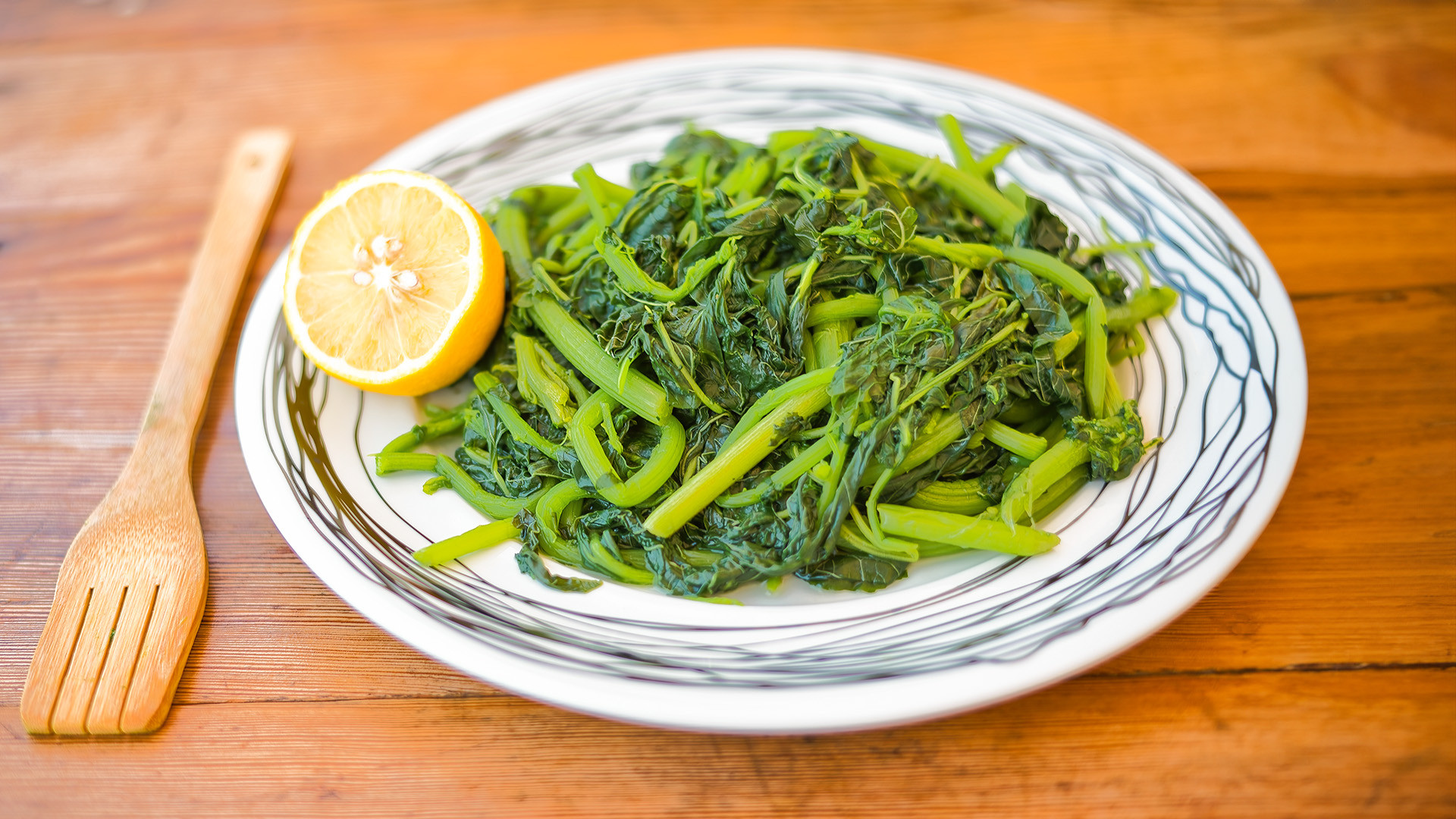
“Glisterida” (γλιστρίδα) — Purslane
This hardy plant belongs to the succulent family. In Cyprus, glisterida is most commonly found on the plains, both in coastal areas and on the central plain around Nicosia. It tolerates heat exceptionally well and is easy to grow in a home garden.
Purslane is a creeping plant with thick reddish stems and juicy rounded green leaves. It has a delicate earthy flavor with a light tangy note. In Cyprus, it is most often eaten fresh with olive oil and lemon juice, and it also makes an excellent addition to salads.
Recent studies have shown that purslane is one of the richest plant sources of omega-3 fatty acids. It contains approximately 0.1 mg/g of eicosapentaenoic acid (EPA), one of the key long-chain polyunsaturated fatty acids. This is among the highest concentrations of omega-3 found in edible plants. Purslane is also rich in vitamins C and B, carotene, magnesium, calcium, and iron.
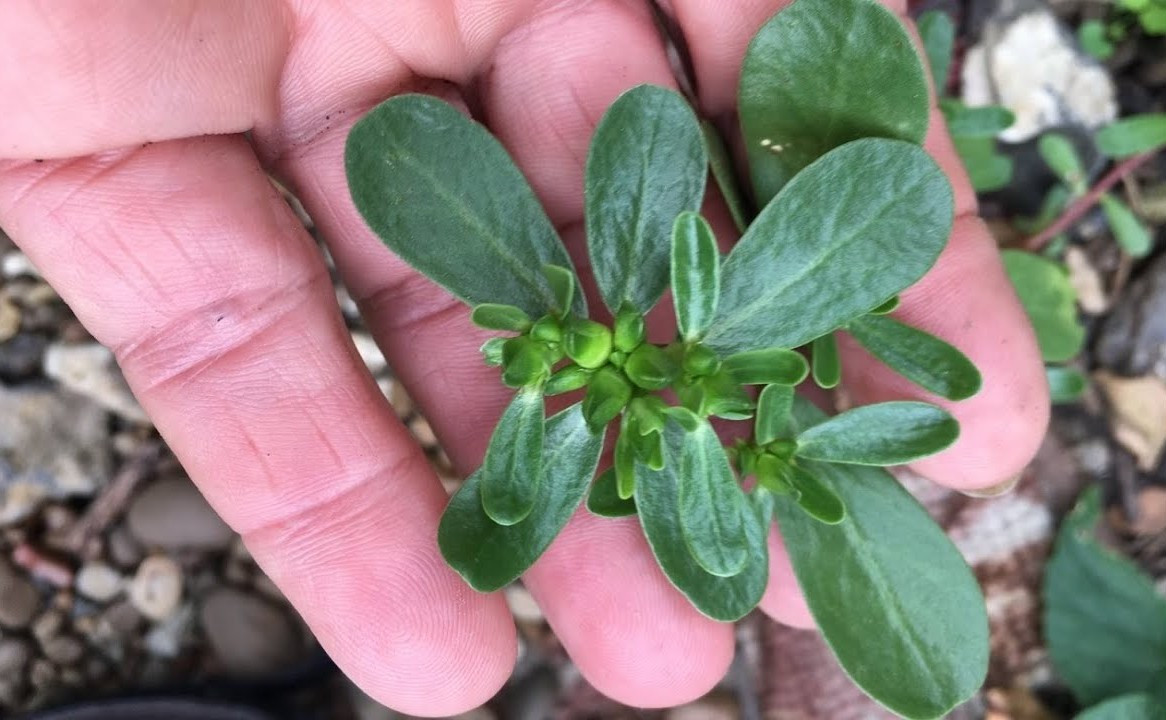
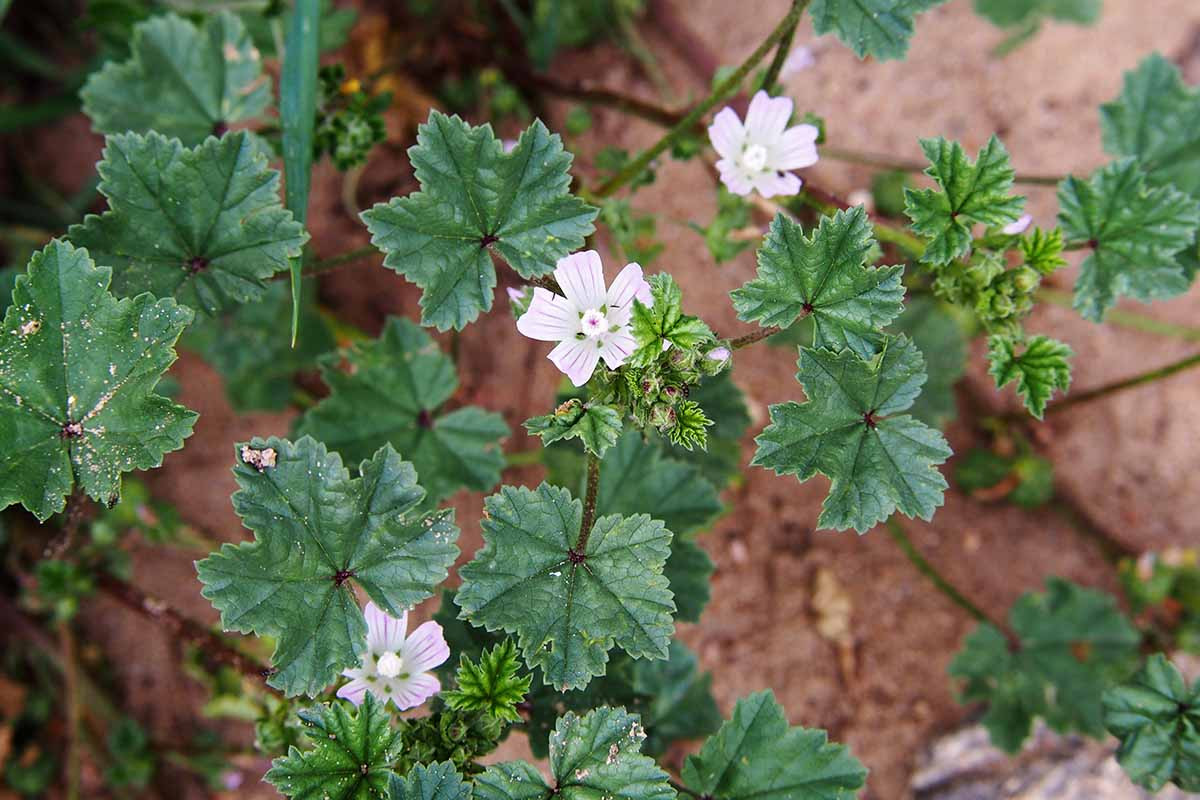
“Moloha” (Μολόχα) — Mallow
Mallow is perhaps the most widespread wild edible plant in Cyprus. It can be found throughout the island in forests, fields, along roadsides, and in both villages and cities. This resilient plant thrives at virtually any altitude, and its season typically lasts from February to June.
Mallow belongs to the Malvaceae family and has soft rounded leaves and stems that may reach around 60 cm in length. It became especially popular during the Byzantine period (7th–12th centuries AD). It is believed that people prepared soups from its leaves and fried the thick stems in oil. To this day, mallow remains a common ingredient in Cypriot cooking. It is used in soups, served boiled as a standalone dish, or added to bean and legume recipes. Mallow has anti-inflammatory properties and is rich in vitamins A and C, calcium, magnesium, iron, and selenium.
“Radikia” (Ραδίκια) — Wild Chicory
Another highly popular wild green in Cyprus is wild chicory, known as “radikia.” This perennial plant belongs to the daisy family. It has long serrated leaves of a deep green color and grows widely along the edges of agricultural land and in the foothills of the Troodos Mountains.
Radikia is hardy and tolerates harsh weather conditions well. Its leaves are firm and have a pronounced earthy and bitter flavor. This bitterness is precisely why it is so appreciated by locals, who believe that the best horta should have a slightly bitter taste. The leaves are usually boiled and served with olive oil and lemon, and they are sometimes combined with other dishes.

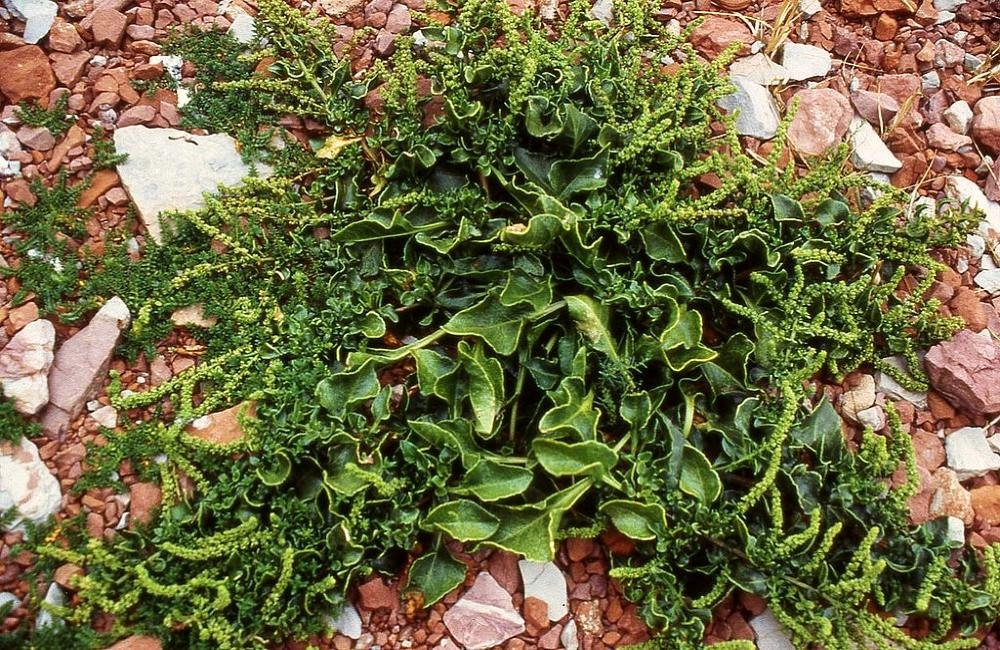
“Arkolachanon” (Αρκολάχανον) — Sea Beet
This perennial plant is commonly found in coastal areas around Larnaca, Limassol, and Paphos. It also grows in mountain regions near villages such as Agros and Palechori. Sea beet can be recognized by its broad, long, dark green leaves. They resemble spinach, but are firmer and more resilient to the touch. This is no coincidence, as sea beet is considered the wild ancestor of cultivated beet and spinach-like greens.
Sea beet has a pronounced earthy flavor reminiscent of spinach and is an excellent source of magnesium, iron, and antioxidants. Locals typically boil it and serve it as a standalone dish, or add it to omelets, pies, and legume-based meals.
Ancient Wisdom and New Trends
For generations, Cypriots have passed down their knowledge of local plants. Grandmothers and mothers taught children and grandchildren how to identify edible species, where to gather them, and how to prepare them. Fortunately, this knowledge has not been lost. Today, as younger Cypriots rediscover their roots, wild greens (χόρτα) are found not only in traditional home cooking but also in some of the island’s finest restaurants. Leading chefs are reinterpreting classic recipes and revealing new dimensions of flavor. Special foraging groups and workshops on collecting and preparing edible wild plants are also becoming increasingly popular.
Here are a few practical tips for beginners:
- Avoid collecting plants near highways and industrial areas.
- Wash all plants thoroughly to remove soil, dust, and insects.
- The best time to forage is early in the morning, when temperatures are cooler and leaves are at their freshest.
- Study each plant carefully to avoid confusing edible species with toxic look-alikes. A plant identification app can be very helpful.
- Do not hesitate to ask local residents, especially older generations, for advice. They are true experts in wild plants.
- Bring pruning shears, gardening gloves, and a cloth bag or basket.
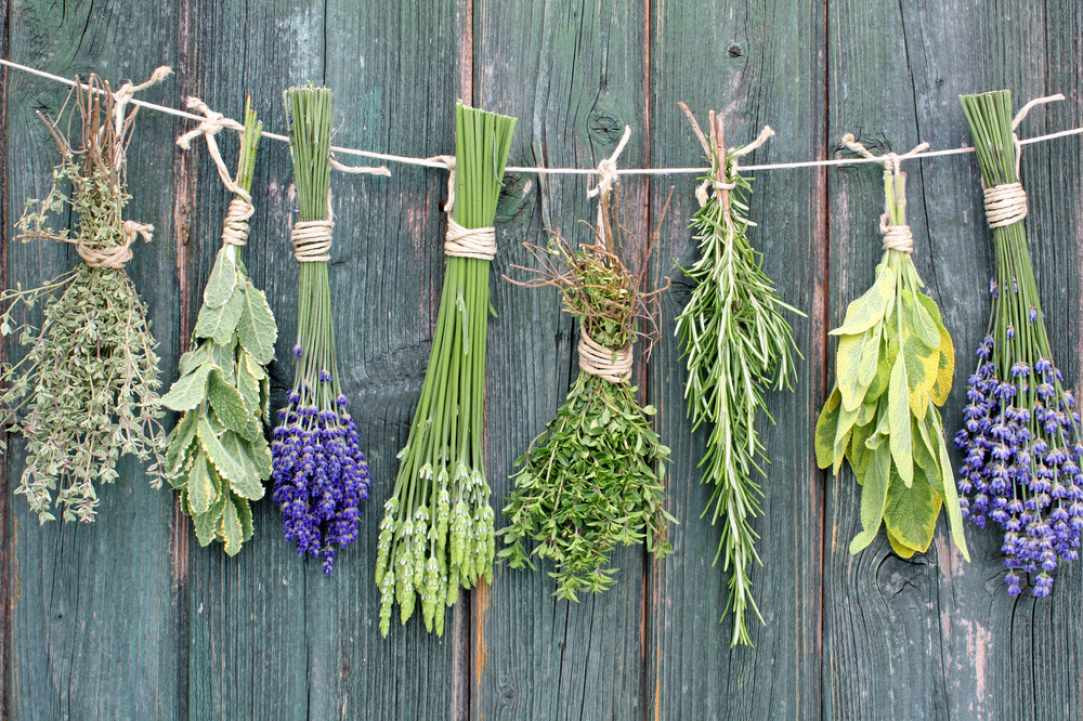
Spring in Cyprus is the perfect opportunity to combine scenic walks with culinary discoveries. The island’s flora is remarkably diverse, with scientists estimating that between 150 and 300 species of edible wild plants, herbs, berries, and fruits grow here. In spring, Cyprus becomes a true treasure trove of seasonal greens, fragrant herbs, and unusual flavors. We wish you enjoyable walks and successful discoveries during your foraging adventures!
Read Also:
- The Cost of Living in Cyprus in 2026
- Cyprus: The Island That Gave the World Copper
- Kyperounta Sanatorium: A Forgotten Gem of Cyprus’s Colonial Architecture
- Giving Birth in Cyprus: Costs and Citizenship Procedures in 2026
- A Cyprus Summer Without Surprises: How to Rent the Perfect Home and Enjoy Your Vacation