

Road traffic in Cyprus will not create much stress even for those who have never previously tried left-hand driving. Nevertheless, a number of fines for small violations may frighten, cause confusion and indignation. How to avoid trouble and fines on the island — below.
General situation on Cyprus roads
Cypriots cannot imagine their lives without a car. This is due to a very weak public transport system: to get to a more or less remote place, you need your own vehicle. Or at least a motorcycle.
Locals drive like any southerners: relaxed, sometimes unpredictable, sometimes even ignoring minor rules. But at the same time they treat each other very respectfully, try not to interfere — and are especially friendly if they see tourists on the road.
Hint: rented cars have red license plates, so distinguishing island guests from regular residents is very easy.
Cyprus traffic police may be tolerant of minor violations (for example, exceeding the speed limit by a few km/h), but are extremely strict in certain situations:
- talking on the phone while driving, eating or even drinking;
- violations related to children (absence of a child seat or booster, smoking) — in Cyprus they literally adore children and treat their safety with great care, this is a national trait;
- driving under the influence of alcohol;
- driver or passenger not wearing a seat belt;
- use of anti-radar devices and radar detectors.
Daily police raids identify violators and issue significant fines. This also indirectly includes the presence of prohibited substances and counterfeit items in the vehicle.
Important! Paying a fine on the spot is prohibited: this is considered a bribe to a police officer.
It is also worth knowing a few more points:
- in Cyprus, traffic jams are common in large populated areas, so it is better to plan trips earlier or later than peak hours, especially when leaving or entering a city;
- on the island there are dirt roads in foothill and mountainous areas; during bad weather they may be washed out, causing landslides;
- when snow falls in the mountains, traffic for non-four-wheel-drive vehicles or cars without snow chains is closed;
- car rental will be significantly cheaper than taxi services.
Outside Cyprus cities, narrow and winding roads may pose a challenge. For those used to wide metropolitan roads, this may seem inconvenient. To avoid incidents, without sufficient experience and confidence it is better not to take risks.
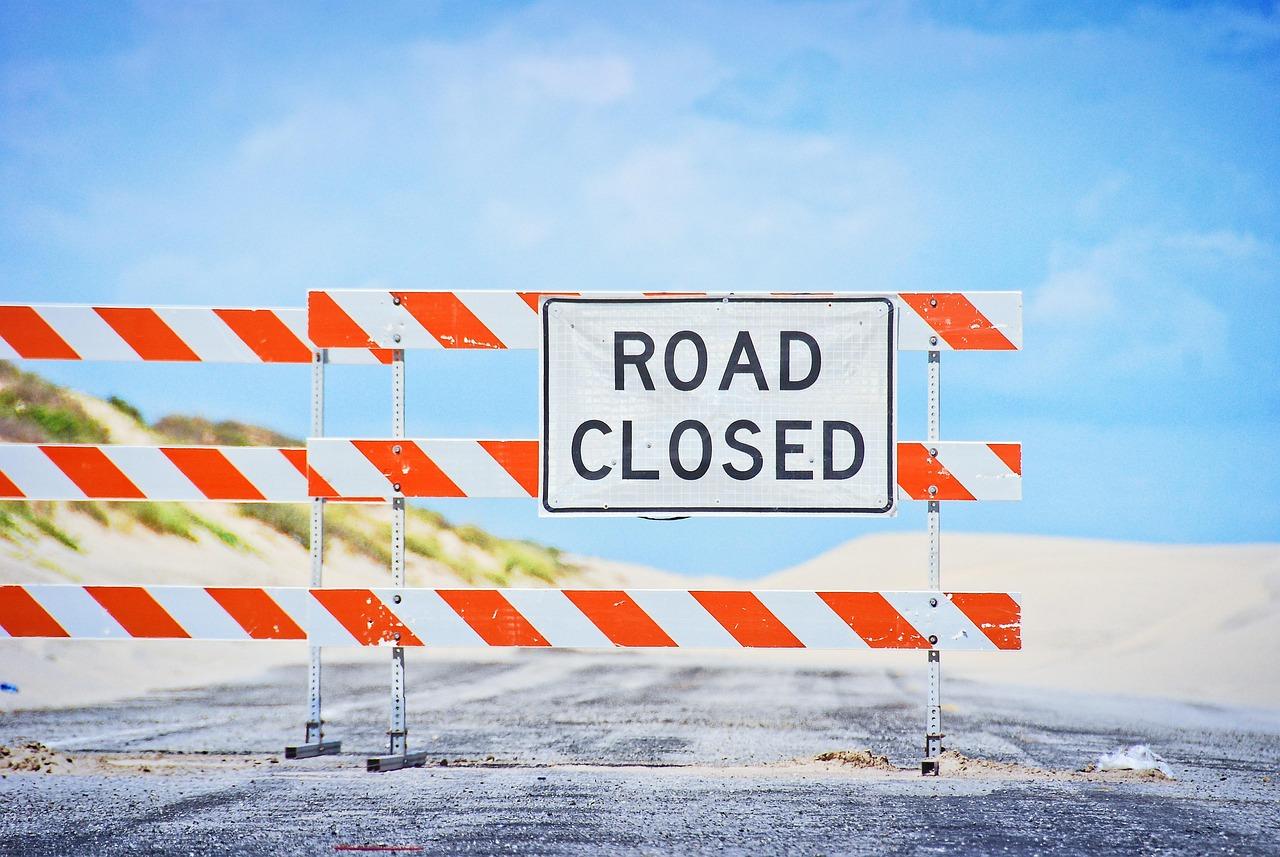
Road signs and markings
There are noticeably fewer road signs in Cyprus than in other European countries. This is not an illusion: local road infrastructure really “draws” everything on the asphalt: directional arrows, duplicated stop lines, diagonal hatching, waiting zones.
For example, if a lane is separated by a solid line and a turning arrow is painted on it, going straight will be considered a violation even without an additional sign.
Yellow lines near curbs deserve special attention. A single line usually means parking restrictions by time or days, while a double line means a complete prohibition on stopping. Tourists often mistake them for a decorative element; however, ignoring markings almost always results in a penalty: in Cyprus this is a classic violation category with fines.

Speed limits in Cyprus
Speed limits are simple. You must carefully watch the speedometer. Basic values are established at the level of Republic of Cyprus legislation and apply by default if there are no additional signs:
- built-up areas — 50 km/h;
- rural roads — 80 km/h;
- motorways — 100 km/h with a mandatory minimum of 65 km/h.
Important! Monitoring is carried out not only by police patrols but also by automatic recording systems. Cameras calculate average speed over km sections of road or record violations at a specific point. Therefore even brief acceleration before a camera may result in a fine.
A typical mistake tourists make in Cyprus is following the traffic flow. Local drivers may sometimes drive faster than the limit, but that does not mean it is allowed. If the system records deviation from the norm, a speeding fine will be issued — and saying “everyone else drove the same way” will definitely not matter.

Fine system and violation amounts
The state fine system is transparent: each violation is classified and has an established range of penalties. The final fine amount may depend on circumstances — repetition, degree of danger, or court decision.
Here are several approximate amounts:
- phone in hand — 150 euros (300 euros for repeat offense);
- unfastened seat belt for adults and absence of child seat/booster for children — 150 euros (300 euros for repeat offense);
- dangerous distracting action — about 85 euros;
- running a red light — approximately 300 euros;
- parking in a disabled space — up to 300 euros;
- smoking with a child present — 85 euros.
Separate fines are provided for speeding:
- If the driver exceeds the speed by less than 30%, the amount is calculated simply: 1 euro for each additional km/h above the limit. For example, +20 km/h means a fine of 20 euros.
- When the excess falls within the 30–50% range, the rate increases to 2 euros for each extra km/h.
- If speed exceeds the norm by 50–75%, a rate of 3 euros per km/h over the limit is applied.
- If the excess is more than 75%, the case is transferred to court — where the penalty is determined individually.
In serious violations, not only monetary fines but also temporary detention of the driver is possible. In cases of intoxication, sanctions increase proportionally to the alcohol level up to court proceedings.
Reference! Often the contract states in small print that a processing fee of about 30–50 euros will be charged for handling the fine.
A separate category — unpaid fines. Their accumulation may lead to a warrant, license confiscation, or even criminal liability. Therefore it is recommended to check for fines regularly!
What to do if you violate traffic rules in Cyprus
If a violation is recorded by a camera or patrol, the information will appear in the database automatically. You can check fine information online through the website www.CyCameraSystem.com.cy. Simply enter document details and the vehicle number. The system will display fine information, including the number of notices and their reference numbers.
Then payment of the fine is possible through the official police portal www.police.gov.cy with redirection to a secure payment page (Police Fines / Warrants section). Electronic payment is considered complete only after transaction confirmation — it is better to keep the receipt.
If the car owner was not driving at the moment of recording, the law requires reporting who was operating the vehicle. This can be done remotely by providing the details of the actual driver. This procedure applies when the violation is committed without the owner-driver, for example in a rental car or company vehicle.

If you disagree with the notice, do not pay immediately but prepare for court proceedings. This is the official way to challenge the sanction. Otherwise the notice comes into force and responsibility is considered acknowledged.
The main practical advice: treat the rules seriously. Even if it seems that control is minimal, digital recording systems operate constantly, and consequences of ignoring notifications may appear unexpectedly — for example during your next entry to Cyprus or when attempting to process vehicle documents. It is also worth remembering that traffic violations in Cyprus may lead to criminal liability, and then it will be almost impossible to obtain permanent residence on the island.
Read also:
- Cyprus wedding traditions — rituals, symbols and features of local celebrations
- Traditional Cypriot jewelry: history, Lefkara silver and filigree technique
- TOP-10 new developments in Limassol to be completed in 2026
- Kindergartens in Cyprus. How they work, how much they cost, and what parents should know
- Childbirth in Cyprus. Cost and citizenship processing 2026