
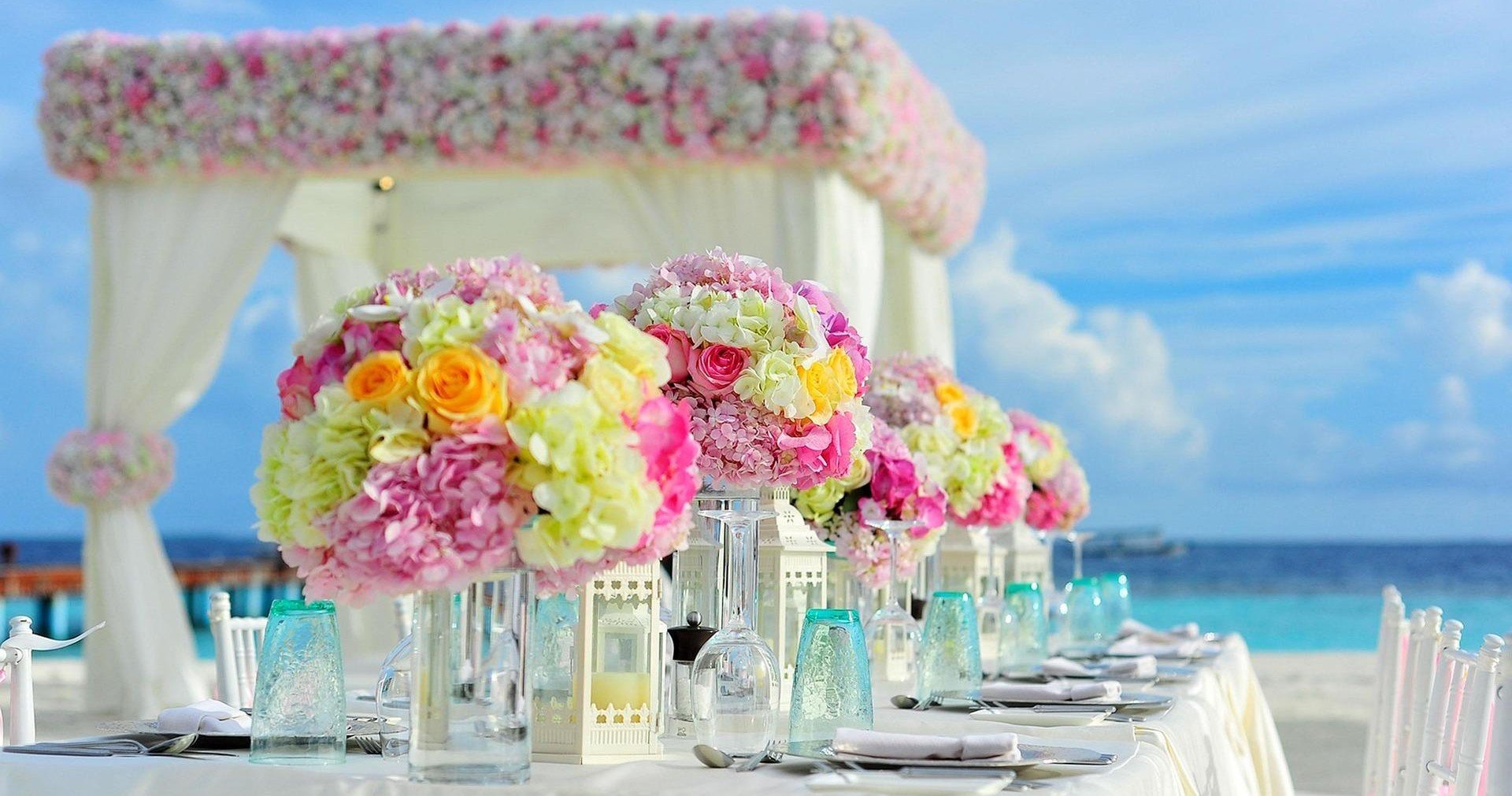
Having visited a traditional Cypriot wedding for the first time, a person from Russia cannot come to their senses for a long time. This event is not just a family occasion, but a vivid cultural phenomenon that includes dozens of traditions and hundreds of guests. A wedding has always been seen as the business of the entire community, not just one small family. So talk about scale: a Cypriot wedding looks large-scale, noisy, and emotionally intense. You are lucky if you have seen it at least once with your own eyes!
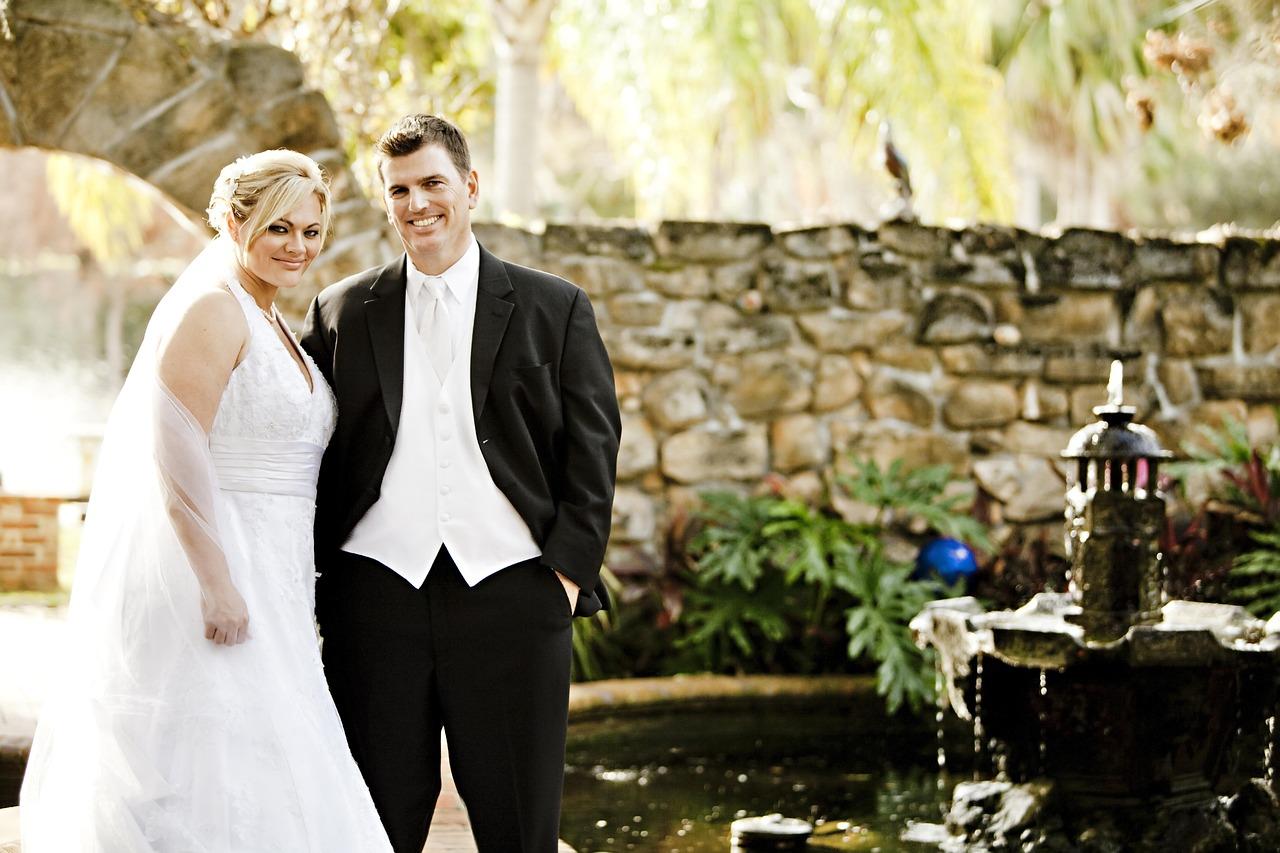
Deep-rooted wedding traditions of Cyprus: a brief overview
A special rhythm to the celebration is set by small but interesting rites. They were formed at the intersection of three cultures at once: Greek, Turkish, and European (primarily British). Many are passed down from generation to generation and are still observed—even despite the fact that the modern world has changed a great deal.
What surprises and delights:
- the ritual of shaving the groom to live music right before the wedding;
- the dance with the clothes: they are placed in a basket, covered with a red cloth, fumigated with incense, and danced with to traditional music; after that the groom is dressed in the clothes;
- tying a red belt around the bride as a sign of blessing;
- children's games and jumping on the wedding bed to attract children (Cypriots love children very much);
- pouring granulated sugar into the bride's gloves as a symbol of a sweet life;
- the placing of crowns during the church wedding ceremony;
- writing the names of friends on the soles of the bride's shoes as a way of fortune-telling about marriage;
- throwing half a pomegranate instead of a bouquet;
- throwing an iron object onto the roof of the house;
- the “golden dance” with money being pinned to the bride's dress—as a form of support for the new family;
- the wedding used to last three days, although now it is shortened to two days and even one day.
All these elements make wedding customs a real scenario, which modern newlyweds can adjust at their discretion.
In some regions and villages you can find something completely unusual and unknown to anyone.
For example: in some places in Cyprus, newlyweds eat sugar-coated almonds after the church ceremony. This promises them a sweet life and a large number of children.
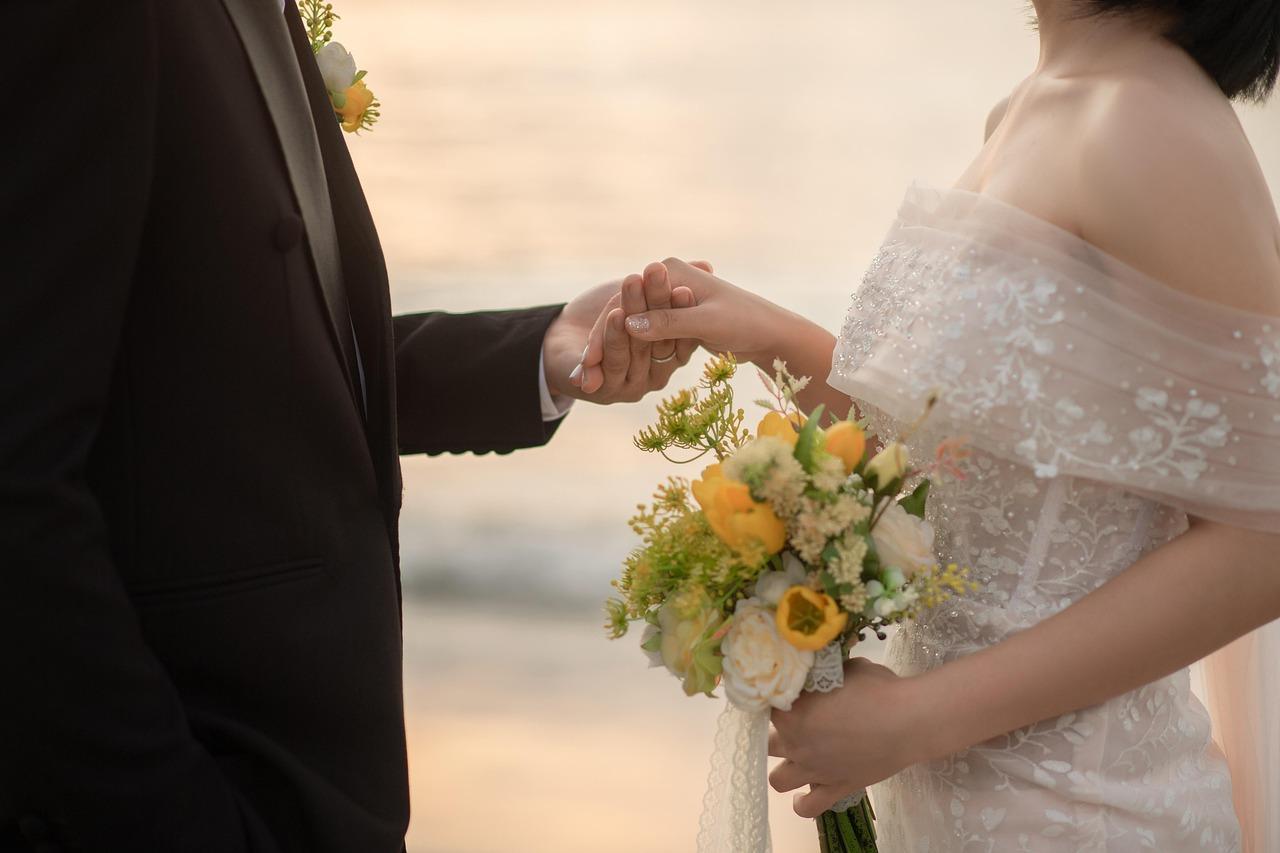
Pre-wedding rites: matchmaking and the official engagement
Historically, the wedding process began long before the ceremony. The first important step was matchmaking, when older relatives negotiated the union of two families. Today, this stage has almost disappeared from everyday practice and is perceived as a folkloric element, although just a few decades ago it was taken seriously.
But the official engagement still retains its significance. Close relatives gather for it, and sometimes a priest is invited for a blessing. The event may take place at the groom's home or in a restaurant, where the details of the future celebration, the date, and the format of the event are discussed.
Interesting! The engagement is held long before the wedding, usually 6–12 months before the marriage.
Modern “hen parties” and “stag parties” more often resemble friendly get-togethers. However, even in them people try to leave a light hint of the traditional way of life: symbolic gifts are given to the future spouses, playful contests are held, and people dance to live music.
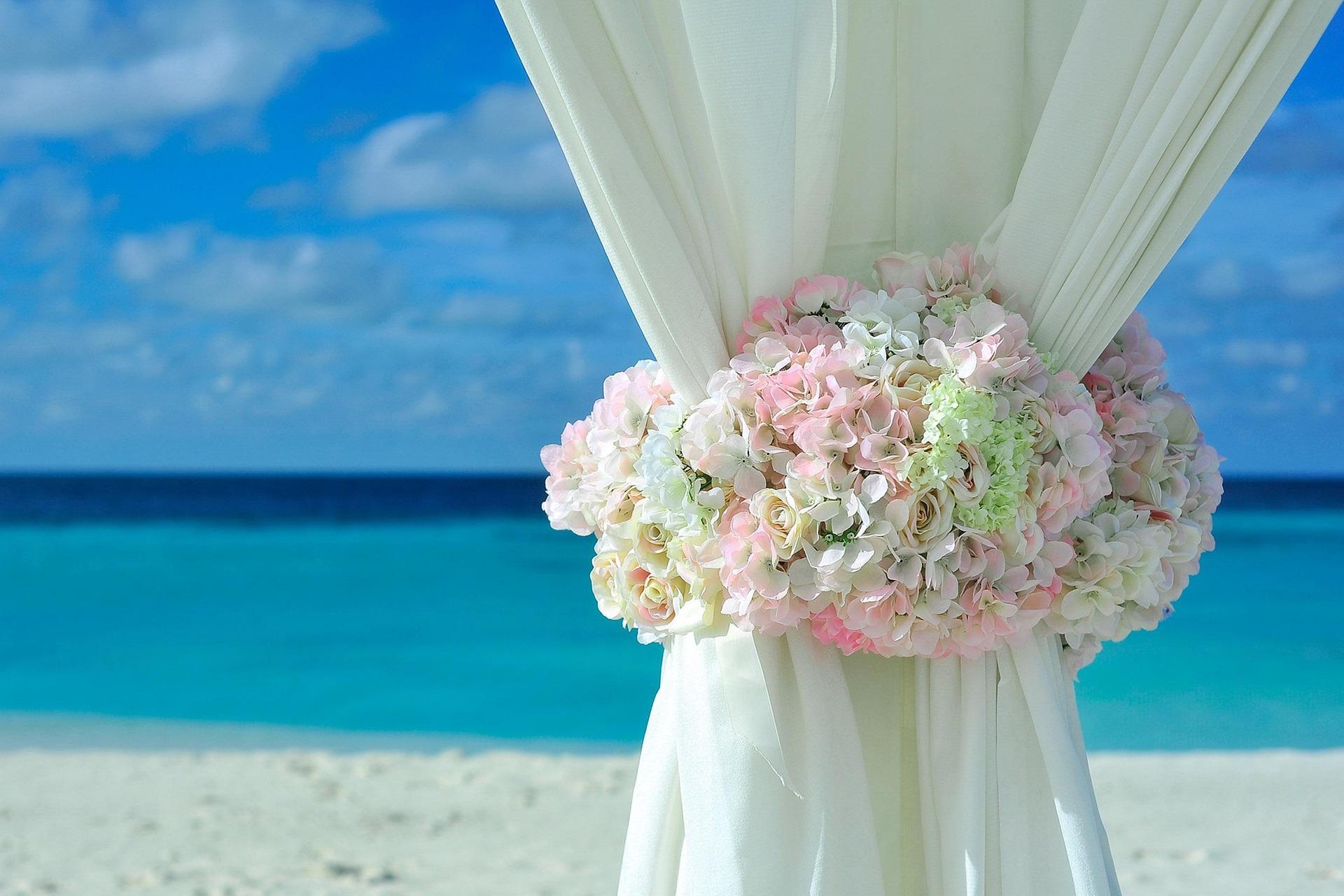
Wedding day: sacred rituals and their symbolism
The groom's morning
By tradition, the groom and bride stay in different homes and do not see each other until the ceremony begins. Both there and there, from early morning on the wedding day, friends and relatives gather to carry out various rituals.
The best man—koumbaros—carefully shaves the groom's beard to the accompaniment of a violin, and the process is accompanied by jokes and songs from friends. Sometimes a professional barber is invited. Although nowadays it is more correct to say “barber”?
Interesting! The shaving rite is not as simple as it seems. It carried deep symbolism: it marked a man's transition to a new social status, his renewal, and the “building up” of masculinity.
In addition, the “wedding clothes dance” is performed: the groom's suit is placed in a basket, covered with a red cloth, and fumigated with incense. A friend of the groom (and other guests and relatives, if they wish) dances with the basket, making three circles—this gesture is meant to bring prosperity to the future family.
The bride's preparations
Dressing the bride is a separate ritual with deep symbolism. In the past, the bride was prepared by her girlfriends; now their help is purely symbolic. More and more often, a makeup artist and hairdresser are invited to the bride's home.
The culmination of the girl's preparations is the moment when her father ties a red belt around her waist. This gesture signifies purity, parental blessing, and a wish for fertility. A touching tradition has also been preserved, when small children jump and play on the wedding bed—it is believed that this attracts joy and healthy babies into the home. Nowadays, a decorated bed is set up separately for children, where they can play.
Interesting! Usually a small boy is the first to go play: in Cyprus, male firstborns are still preferred.
Another curious element is pouring granulated sugar into the bride's gloves. Relatives put a pinch into each finger. It is not hard to guess that this is how they wish the bride a sweet life in abundance.
Church wedding in an Orthodox church
Cypriots remain deeply religious, so a church wedding is still considered almost mandatory. They plan the ceremony in advance: there are days when the rite is forbidden due to church holidays or fasts, and it is important not to choose those. Moreover, church weddings are held strictly on Sundays.
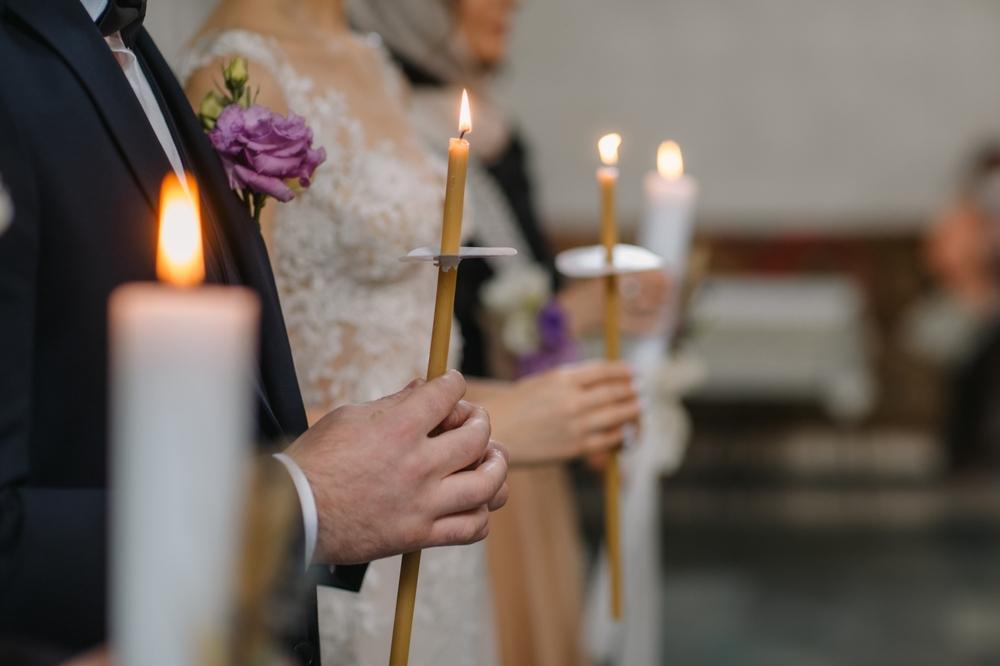
The documents required for the church are the same as for registration with a state authority. During the sacrament, crowns are placed on the newlyweds' heads—a sign of a spiritual union and shared responsibility. Usually only the closest people are present in the church.
Wedding celebration: a grand feast for the whole community
A cultural feature of Cyprus is inviting the whole village to the celebration. And this is not just an expression: without exaggeration, at least several hundred people attend the wedding feast! And by Cypriot standards, that is still an intimate wedding.
Previously, the entire groom's village and the entire bride's village were invited. The event lasted three days and brought together several thousand people. Today, the scale has become more modest, but it still significantly exceeds the familiar formats of other countries.
Interesting! Some sources report a “record-holder wedding” with 10 thousand guests, others speak of 7 thousand guests. But you can still go crazy trying to imagine such a scale.
Most often, refreshments are organized in a tavern or restaurant on a “buffet” basis, where guests move freely, socialize, and dance. There is no formal toastmaster, but someone among the guests may organize something fun.
Cypriots consider it extremely impolite to skip an invitation, so guests sometimes manage to attend weddings of several couples on the same day. It's not that easy! But locals manage: for them, such busy weekends are nothing new. The newlyweds stand on a special podium for an hour or even longer, accepting congratulations and wedding gifts from all the guests. In the past, they had to stand for 4–5 hours: a thousand guests, you have to greet everyone, chat... can you imagine? And EVERYONE definitely gave something: a souvenir and money. In return, the guest received a sweet “response”: a small edible souvenir.
Interesting! Such huge weddings paid off very well, by the way. So well that the couple not only covered all the reception costs, but could also buy property together!
The “money dance” of the newlyweds
To this day, the “golden dance” of the couple is alive and well in wedding traditions. During the newlyweds' first dance, guests pin banknotes to the clothes of both the bride and groom. In the past, all guests took part, and by the end of the dance the bride's outfit was completely hidden under the banknotes. Nowadays, only relatives and close friends pin money, but it still looks spectacular and helps the newlyweds recoup the costs of the celebration.
Most often, the dances take place to live music: folk ensembles play traditional melodies, and guests eagerly join in.
Before the “golden dance,” the bridesmaids write their names on the soles of the bride's shoes: whose name wears off faster, that one, according to belief, will be the first to get married.
Interesting! Instead of a bouquet, the bride throws half a pomegranate—a symbol of a large, many-child, and abundant family.
Modern weddings in Cyprus for foreigners
Official marriage registration
You can get married not in Russia but in Cyprus, and this will not require some exorbitant package of documents. Rather, you will have to spend money on their translation and the placement of an apostille. Therefore, this option is not that popular—but it is still possible for those who really want to do it.
To hold a wedding with official marriage registration, you need to choose a municipality in advance and pay the established fee, the amount of which is published on the city's official resources. The basic amount includes registration and the issuance of documents, while holding the ceremony on weekends or public holidays is paid additionally. An off-site wedding ceremony is possible on the beach, in a hotel, or on a yacht, but such formats are arranged separately with the same administration.
For the document to have legal force outside the country, an apostille is placed on the certificate, and the translation is done after returning home. The package of papers includes:
- domestic and international passports of both newlyweds;
- certificates of no marriage from their local registry office;
- birth certificates of the groom and bride;
- divorce certificates if one of those marrying was previously married;
- a spouse's death certificate if one of those marrying is widowed.
All originals and copies are translated into English and notarized. Clear planning of the legal processes will greatly simplify wedding organization and reduce the risks of unforeseen situations.
Symbolic wedding
A symbolic ceremony has no legal force and is usually held after official registration in another country (for example, at home). This greatly simplifies paperwork, saves money on document processing, and leaves room for imagination.
Most often, foreigners choose the format of a traditional themed seaside wedding. However, Cyprus also has other formats that are no less interesting and romantic! For example:
- by an ancient castle or classical ruins;
- in a luxury hotel with bonuses for newlyweds;
- on a private yacht;
- in a secluded natural location (waterfall, bathing pool).
If desired, you can contact a specialized agency that will handle all organizational issues—from logistics to decor. But some people want full creative control for their wedding, so they take on the organization themselves.
Beautiful locations for an off-site wedding
Choosing the venue directly affects the atmosphere of the wedding. Cyprus offers a variety of landscapes and incredible locations. Choosing, in fact, is not that easy! The main thing is that the newlyweds agree. The most popular places for a beautiful marriage ceremony or wedding photo shoots:
- Paphos. The city is known for ancient mosaics, charming ruins, and incredible sunsets. Here it is easy to combine historical ambience and a seascape in one scenario. Sunset photo shoots against the backdrop of ruins and a rocky coast look especially striking. The spaces suit both intimate formats and large-scale events.
- Limassol. A modern promenade, yacht marinas, and developed infrastructure make it possible to create a dynamic, modern, and elegant celebration format. The location is convenient in terms of logistics and guest accommodation. It is easy to choose restaurants, seaside venues, and panoramic terraces here.
- Cape Cavo Greco. A natural park with picturesque cliffs, azure water, and panoramic views of the Mediterranean Sea. The place attracts with a sense of space and untouched nature. Ceremonies at sunrise and before sunset look especially expressive. The location is ideal for romantic and minimalist styling.
- Troodos. Villages with stone houses, vineyards, and mountain landscapes create an atmosphere of coziness and seclusion. Such a background pairs well with wine tastings and a leisurely celebration format close to the traditional one. The space lends itself to a warm, family atmosphere and suits those looking for an alternative to the already overdone seashore.
- Larnaca promenade and the ancient fort. The The historic fortress provides a distinctive architectural accent, which is great for creating atmospheric photos. Here, antiquity and resort lightness combine well.
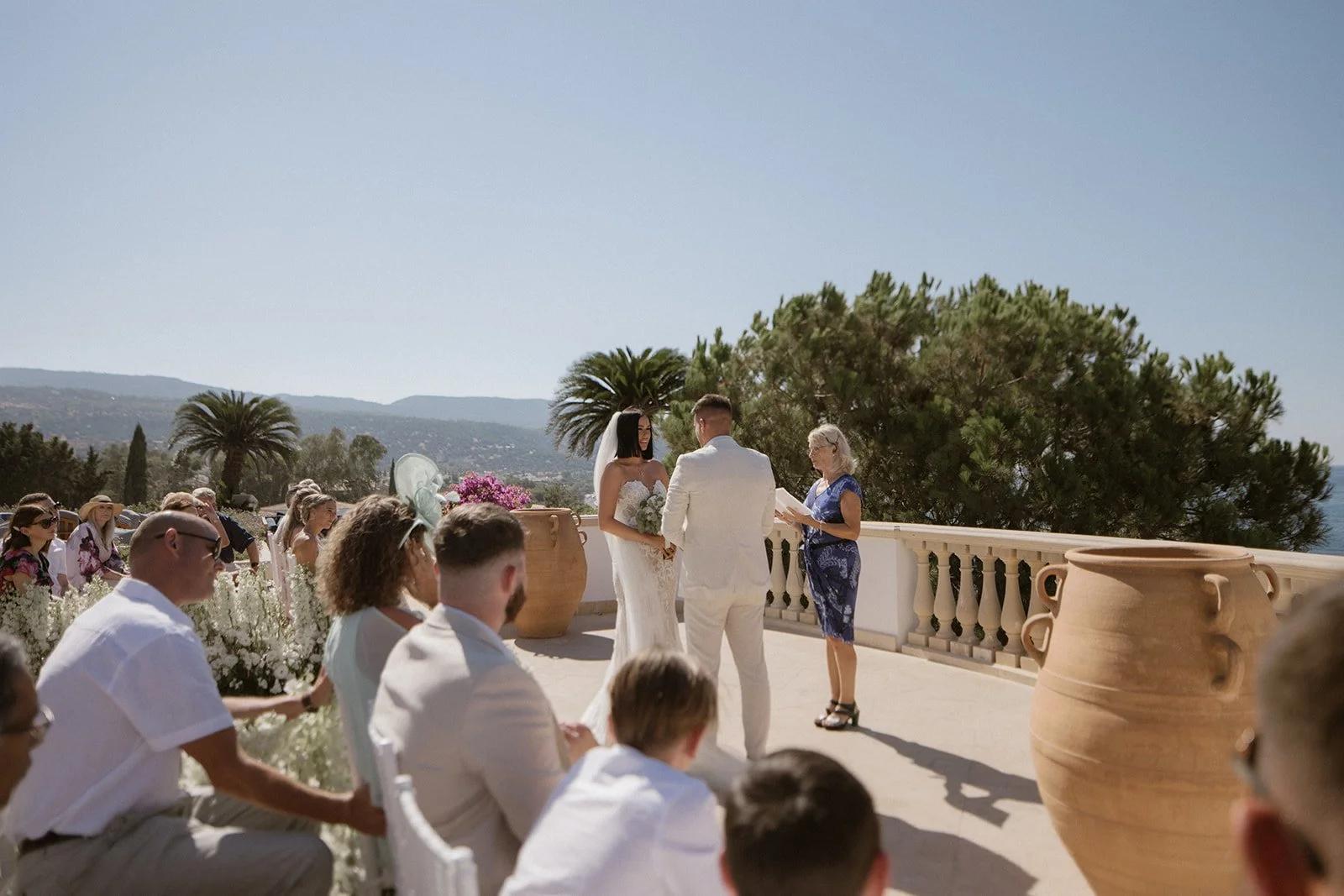
Any of the listed options remains an attractive destination for couples planning a ceremony on the island of Cyprus. Depending on the season, the format can change noticeably: a spring wedding features a mild climate and blooming landscapes, a summer wedding pleases with a sea breeze and long daylight hours, an autumn wedding attracts with calm and warm water, and a winter wedding suits intimate ceremonies and profitable offers from hotels.
Despite modern formats, traditional the Cypriot wedding with elements of ancient rites remains the preferred choice for local residents. Even in an adapted form, the celebration preserves and emphasizes respect for family, faith, and community. In this context, the Cypriot wedding continues to be a symbol of generational continuity and collective support.
Read also:
- The best local Cypriot markets. Where you can buy fresh fruits and vegetables and other local goods
- Top seafood restaurants in Cyprus. Where to find the freshest fish and seafood
- Liquid apartments in Cyprus—selection criteria, neighborhoods, and tips for investors
- Top 10 new builds in Limassol that will be delivered in 2026
- Kindergartens in Cyprus. How they work, how much they cost, and what parents need to know