
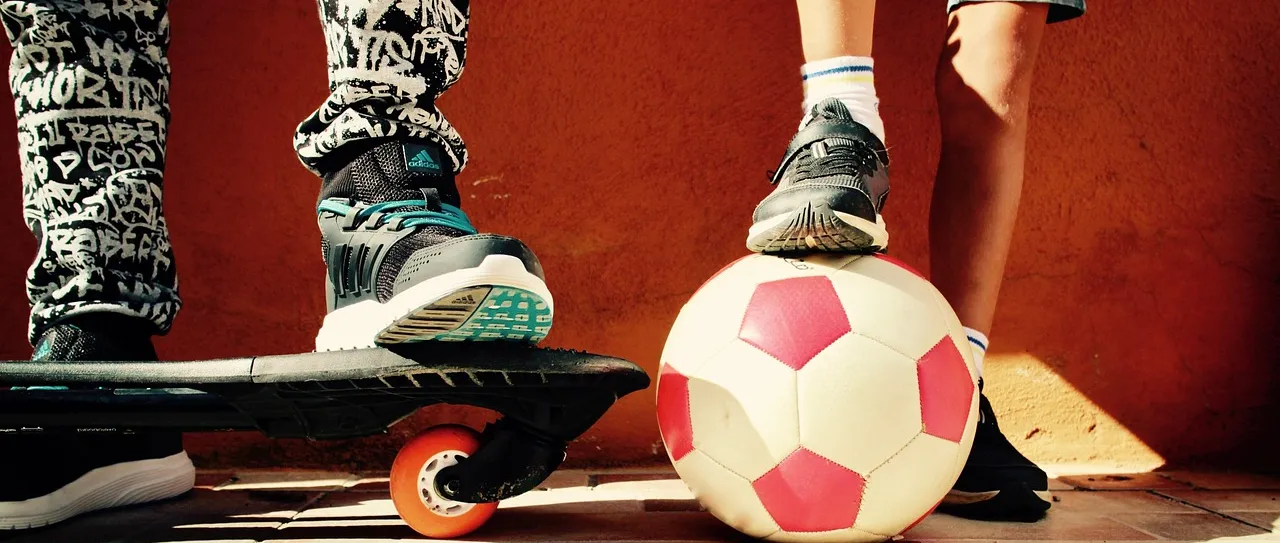
Every child needs sports: at the very least, it will become one of their hobbies. At best, it will keep them engaged for many years to come. And we’re talking about health in every aspect, from physical to mental.
In Cyprus, there’s no shortage of sports programs to choose from: the island is home to municipal sports schools, private gyms, professional clubs, and even academies. How do you choose? You need to see what your child enjoys, plan how to balance practice with schoolwork—and determine how seriously your family is prepared to get involved in their sports life.
What Sports Are Popular in Cyprus
Cyprus’s climate is ideal for most sports. You can train outdoors practically year-round, with the exception of rare rainy days or heat waves, when it’s better to choose an indoor facility with powerful air conditioning for intense workouts.
Fun fact! Cypriot sports culture has been strongly influenced by… the British and their culture. This is especially noticeable in the western part of the island, where horseback riding, golf, soccer, and tennis are highly regarded.
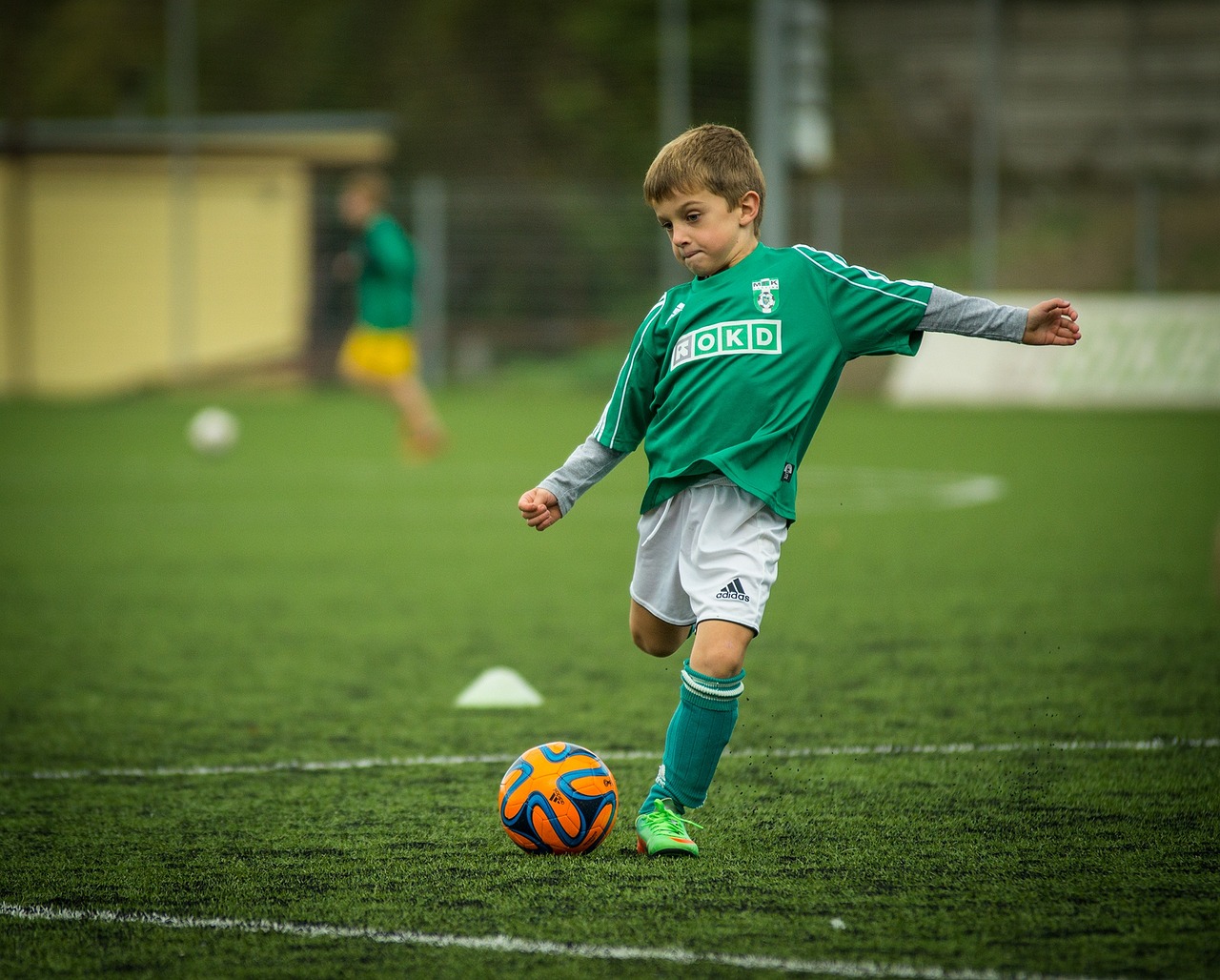
Among the popular activities for children of all ages are:
Soccer. This is perhaps the sport that Cypriots respect the most. Every city has youth teams, which means it’s easy to find a place to practice.
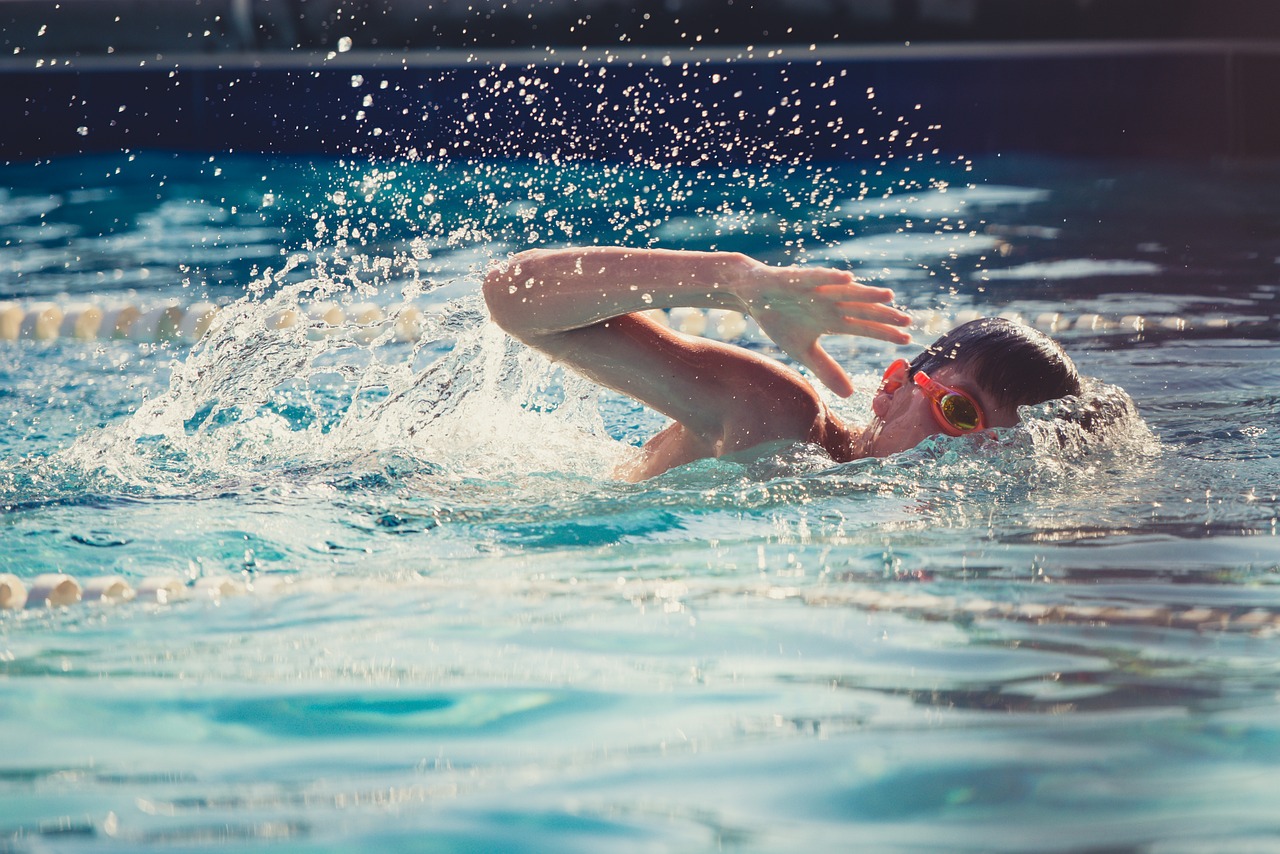
Swimming. The warm climate and abundance of swimming pools (such as those at hotel complexes) make it possible for everyone, without exception, to try this sport. Swimming is not only a sport in its own right but also a fundamental skill for more complex water sports such as windsurfing, diving, and water polo.
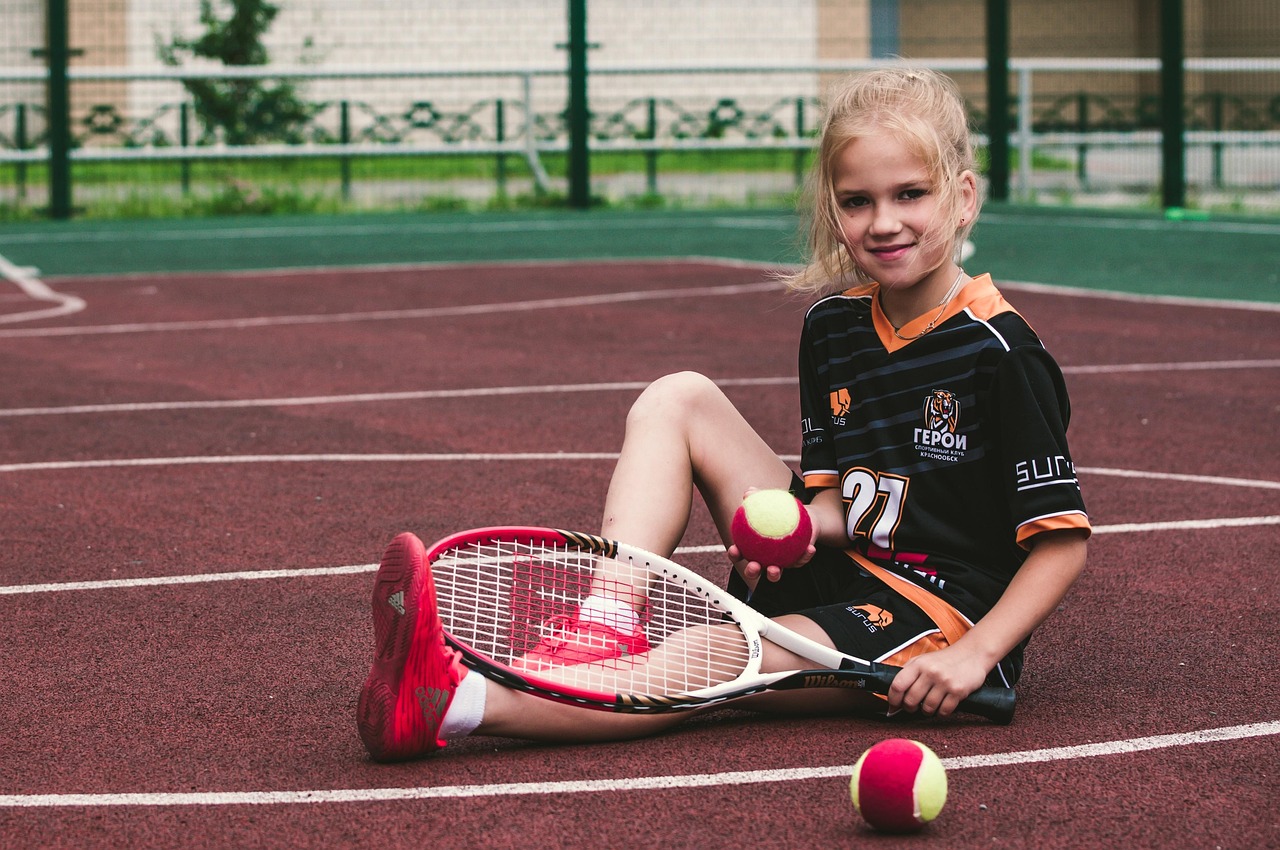
Tennis and padel. Racquet sports are particularly popular on the island, especially since they’re currently all the rage. They help develop coordination, reaction time, and concentration.
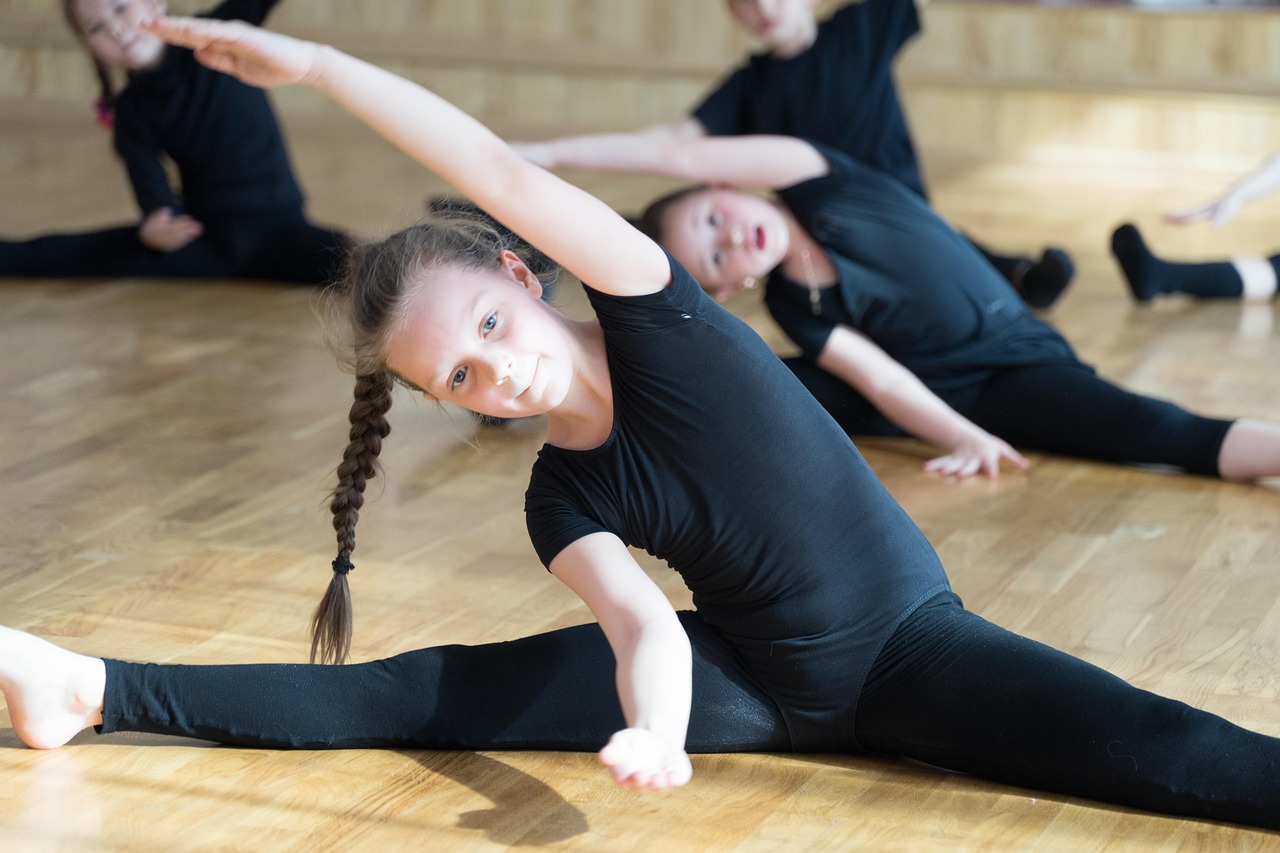
Gymnastics and dance. These are suitable for children interested in body control, flexibility, a sense of rhythm, and performing. There are both recreational and competitive options. Cypriots cherish their traditions, so not only modern dances but also folk dances are highly valued.
Martial arts. Karate, judo, taekwondo, and similar disciplines are ideal for children with attention deficits, difficulties controlling their emotions, and those who enjoy training not only for results but also for the sheer pleasure of it.
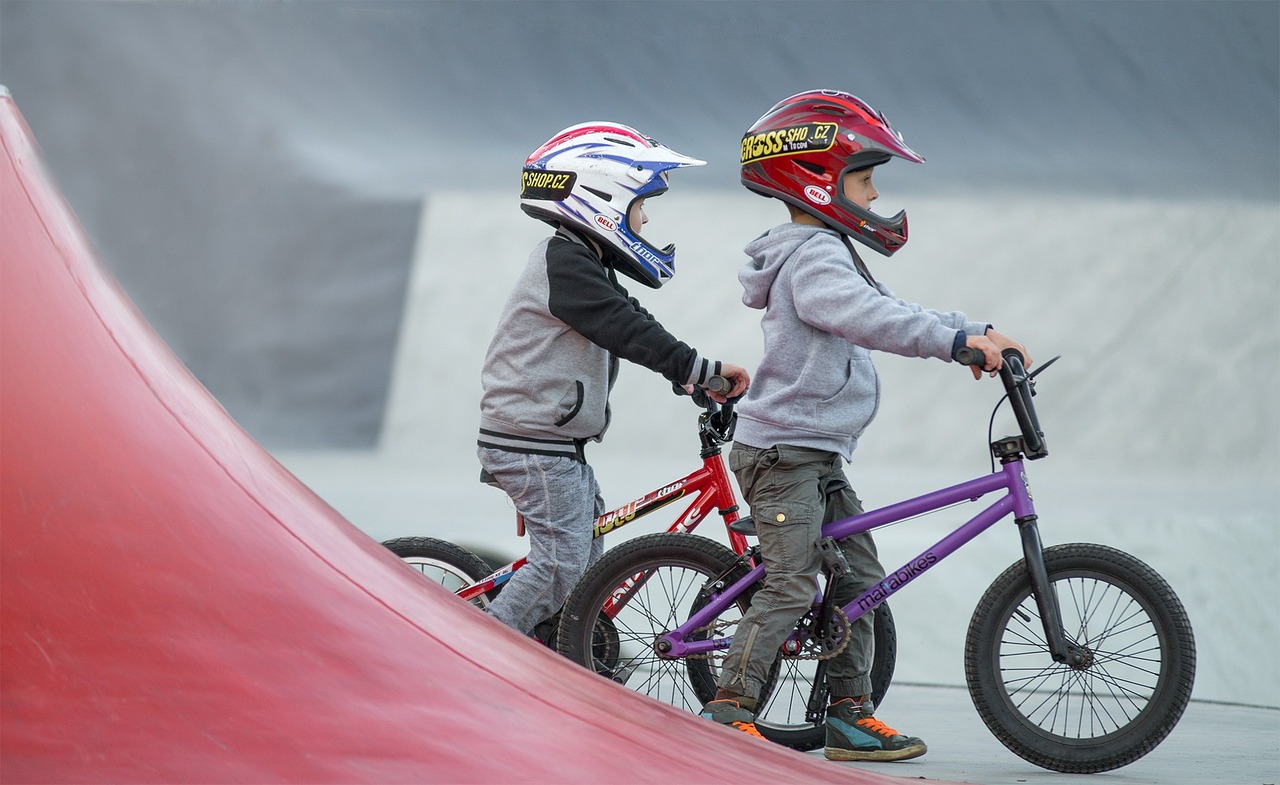
Cycling. Many children don’t just ride bikes—they seek athletic achievements, competitions, and participation in team activities.
Less obvious but no less interesting sports include cheerleading, rock climbing, basketball, golf, and archery. Cyprus also offers sports clubs in other disciplines.
Affordable Sports Clubs for Children
It’s not necessary to immediately enroll your child in an expensive private sports school—so as not to demand too much of them right from the start. Cyprus has municipal Open Schools (Ανοικτό Σχολείο); what sets them apart is that classes are held after school hours at regular schools and other public venues (such as state-run sports complexes). The programs are designed for children, teenagers, and adults, so the whole family can try out a new hobby together.
The cost at an Open School ranges from approximately 60 to 200 euros for the entire school year. The terms, schedule, and range of activities depend on the municipality itself. But overall, the idea is the same: to give children the chance to try out different activities after school, without parents spending too much money on something their child might reject a week later.
Most importantly, the reason the government organizes Open Schools is to give children the opportunity to participate in sports and creative activities close to home, alongside kids they already know—such as their friends from school.
Open School in Nicosia
For the 2026–2027 school year, the municipality has set the following rates (it’s best to check the official website for details):
80 euros per year — 1-hour sessions once a week;
100 euros per year — 1.5 hours per week;
120 euros per year — 2 hours per week;
150 euros per year — tennis;
150 euros per year — Kangoo Boots (fitness using special spring-loaded boots).
Children can choose from soccer, hip-hop, tennis, chess, Zumba, Greek folk dancing, ballet, and archery. There are also classes in art, cooking, and robotics, and these can be combined with sports (why not?).
Extracurricular activities run from October through June, excluding the Christmas and Easter breaks. Registration and payment take place throughout September to build up enrollment and allow for a smooth transition into the start of the school year.
Applications were accepted online via the NOIAZOMAI platform, and payment could be made through JCCSMART. First, you submit an application, wait for confirmation via email, and then pay the full amount. The municipality allocates spots on a first-come, first-served basis: those who register first are guaranteed a spot. If a group does not reach the required number of participants, registration is canceled and the money is refunded.
Questions can be asked by calling 22-797-870 from 8:30 a.m. to 3:00 p.m. Details are published on the Nicosia Municipality website.
Larnaca Open School
Larnaca has a similar municipal program: school and community facilities are used for extracurricular activities after regular school hours. Activities include dance and fitness—such as Pilates, yoga, and Zumba—as well as tennis, padel, and martial arts.
Registration for the new school year also takes place before classes begin, in September. Since the schedule and enrollment requirements are subject to change, it’s best to check with the municipality directly for the most up-to-date information.
Official website: asdlarnakas.com
Facebook page: Larnaca Municipality
Phone numbers: 24-822-823, 99-817-979 (Monday–Friday, 8:30 a.m.–3:30 p.m.).
Limassol Open School
The Limassol Municipal Open School has been operating for 20 years. As in Nicosia, classes are open not only to children but to the entire family. They are held in various parts of the city, so it’s often possible to find a group close to home.
The cost of participation for the 2026–2027 school year depends on the duration of the classes:
60 euros per year — 1-hour classes;
70 euros per year — 1.5-hour classes;
80 euros per year — 2-hour sessions;
90 euros per year — 1.5-hour sessions twice a week.
Private lessons are also available and cost 50 euros per month. A 10-euro discount is available for the second and each subsequent child from the same family. Recipients of public assistance, unaccompanied minors, and children in foster care may attend for free.
Contact information:
Phone: 976-67-700;
email: anoiktosxoleio@gmail.com;
official website: anoiktosxoleio.com.
Similar programs are available in other municipalities on the island, including Lakatamia, Strovolos, Lachi, Ayia Napa, Peyia, and others.
Another advantage of “Open Schools” is the ability to choose activities for several family members at once: while a child is training, parents can attend their own sports or creative classes.
Where in Cyprus Can a Child Receive Serious Sports Training?
If a child is determined not just to stay in shape but to take sports seriously, it’s best to choose classes at a good sports center—and you should focus not so much on the prestige of the club itself as on reviews of the coaches. An experienced coach is worth their weight in gold, because only they can develop a specific program and guide the child through it over the course of several years. With this approach, the child gradually masters the technique, increases the intensity of training, and participates in internal and official competitions and training camps. Under the right circumstances (primarily the child’s interest), this path can lead to a career in sports.
For example, KIDDOM operates in Limassol, offering competitive dance, cheerleading, a Wing Chun martial arts school, and a contemporary dance academy. Students from the dance studio participate in international competitions and win medals at championships.
The Vikentia Sports Center in Kato Polemidia operates an official club for competitive artistic and rhythmic gymnastics. Admission to the team follows an evaluation by a coach, and training is geared toward participation in Cypriot and international tournaments.
As a reference: regular children’s gymnastics classes at the Vikentia Center cost 65 euros per month for one session per week and 90 euros for two sessions.
Another example is the Alma Athletics Academy, located at the Lanithio Stadium. They accept children as young as five and introduce them to track and field. A monthly membership costs 60 euros for children ages 5–9 and 70 euros for children ages 10–12.
Many large sports complexes, swimming pools, and fitness centers also offer children’s groups. Qualified coaches work with the children there. The first session is usually a trial class, which costs either a nominal fee or is completely free.
How to Choose a Sports Class for Your Child
Of course, having a wide selection is great—until the first concrete question arises: “What and where should I choose?” Not all parents are willing to spend hours scouring Facebook groups, Telegram channels, and forums dedicated to children’s extracurricular activities in Cyprus. It’s worth trying to gradually narrow down your search: first, eliminate sports that aren’t a good fit, then rule out inconvenient locations. And remember: Cyprus is an island of connections—here, you can find, learn about, and check out many things through personal contacts.
Age, skill level, and interests
Every sport has its own age restrictions, and it’s not just about physical ability. Very young children aren’t always ready to follow a coach’s instructions or maintain their focus for long periods of time.
For dance, gymnastics, and acrobatics, children as young as three or four are accepted into groups; for swimming, even earlier (almost from birth); and team sports tend to become interesting closer to school age. However, there are no strict rules: if a child truly shows promising ability, a coach may agree to lower the age requirement and take on their training.
For young children, classes are organized so that almost all exercises take the form of play. At first glance, the initial training sessions may seem like nothing more than entertainment, although in reality, they are designed to be as gentle and engaging as possible to help children adapt. School-age children will be expected to do more and take things more seriously: discipline is important in sports, and coaches try to balance strictness with attention-grabbing tricks.
You definitely shouldn’t choose a sports program based solely on your own preferences. Even if everyone in the family loves soccer, your child might be more drawn to gymnastics or swimming. It’s important that the child feels a genuine desire to return to practice and is truly passionate about their new activity.
Trial Classes for Children and Placement in Sports Groups
Before purchasing a membership, it’s worth finding out if you can attend a trial session. This is an opportunity to take a look at the facility, meet and talk with the coach, assess the atmosphere, and understand how comfortable your child actually feels in that environment and around those people.
In good sports clubs in Cyprus, children are divided into groups not only by age but also by skill level. For example, beginners learn the basics while also studying safety procedures. More experienced kids can already show what they’re capable of—and the coach tailors the workout intensity to their level. Some clubs conduct a brief assessment or offer a coach’s evaluation right before enrollment. If a child is unable to follow the coach’s instructions and thereby puts themselves at risk, they will be denied participation in classes in accordance with safety regulations.
Frequency and duration of training sessions, distance from the child’s school
To start with, two training sessions a week are enough, especially if the child has never played sports before (school PE doesn’t count). Later on, the frequency of sessions can be increased, especially if the child is drawn to the coach and friends in the group. Of course, you shouldn’t overload children to the point where they have no free time left: after all, between training sessions, school, and other activities, they need breaks to rest—first and foremost, mentally (since children have plenty of physical energy to spare). It’s important for teenagers to get enough sleep—they’d sell their souls for an extra hour and a half or two in the morning, so there’s no need to rush them to morning practices.
Special attention should be paid to the location of the sports center—this is mostly a concern for parents. In Cyprus, even a short distance can turn into a long drive during rush hour, especially if you have to cross district boundaries in Limassol or Nicosia. That’s why a class near home or school is often more practical than something “cool” on the other side of town.
The Children’s Coach’s Qualifications and the Language of Instruction
Even the most modern sports facility can’t replace a good coach. Before signing up, it’s worth finding out about the coach’s education, specialization, experience working with children, and athletic achievements. You can observe how they conduct the sessions: 10–15 minutes is enough to see how well they connect with their young students.
In Cyprus, you can find coaches who conduct classes in Greek, English, and Russian. Larger clubs with a focus on professional training sometimes use several languages at once. For some children, the language barrier can be a serious problem, especially if they aren’t in school yet and don’t have friends who speak another language. Teenagers usually adapt more quickly, but it’s still important for them to understand the coach’s instructions, safety rules, and feedback.
The Child’s Equipment and the Parent’s Level of Involvement
The cost of a membership isn’t the only expense. You’ll definitely need a uniform for classes, as well as certain accessories and items that the sports school doesn’t provide. At some clubs, you can purchase equipment directly on-site, while others will ask parents to find it on their own. Before enrolling, it’s best to confirm the full list of required items and any additional fees for competitions, uniforms, or participation in events.
There’s another consideration—parents’ time. Some children’s clubs in Cyprus expect parents to simply drop off their child at the start of practice and pick them up an hour later. In some sports, especially at the beginner level, classes are held with parents present to ensure the child’s complete safety or if the child is still too young.
So it’s important to assess in advance not only the child’s wishes, their enthusiasm, and the potential of the activity in general, but also your own capabilities. If the schedule requires daily trips and the constant presence of an adult, even the most interesting club might end up being inconvenient for the whole family.
Conclusion
Cyprus offers plenty of sports programs for children of all ages and skill levels—from introductory classes at a municipal club to training at a specialized academy. Soccer, swimming, tennis, dance, gymnastics, martial arts, and dozens of other activities are available in Nicosia, Limassol, Larnaca, Paphos, and smaller towns across the island.
You can find an interesting activity not only at a private club but also through your local municipality. The key is to consider your child’s interests and your family’s circumstances, and not to rush your decision: a good program should be enjoyable, not a chore.
Thank you for visiting the DOM portal! Here you’ll find not only real estate in Cyprus for sale or rent, but also a whole catalog of articles about life on the island.