The sun in Cyprus is not just a celestial body — it is a full-fledged participant in any social interaction. It dictates the pace of life, defines the dress code, and, of course, sets its own rules of the game along the island’s endless coastlines. When a turquoise wave lazily laps the golden sands of Ayia Napa or the pebbles of Limassol, it feels as if time has stopped and the world has shrunk to the size of a beach towel. Yet behind this relaxed façade lies an entire code of honor — an unwritten etiquette that turns a chaotic crowd of holidaymakers into a harmonious ecosystem.
A Cypriot beach is not just a place for sunbathing — it is both a cultural runway and an open-air living room. Here, locals who understand the art of proper “coffee drinking” meet tourists trying to absorb a year’s worth of Mediterranean sunshine in a single day. To prevent this symbiosis from turning into a clash of civilizations, it is worth paying attention to the details that are not written on information boards but float in the salty air.
The Great Sunbed Battle: Front Row and the Law of Presence
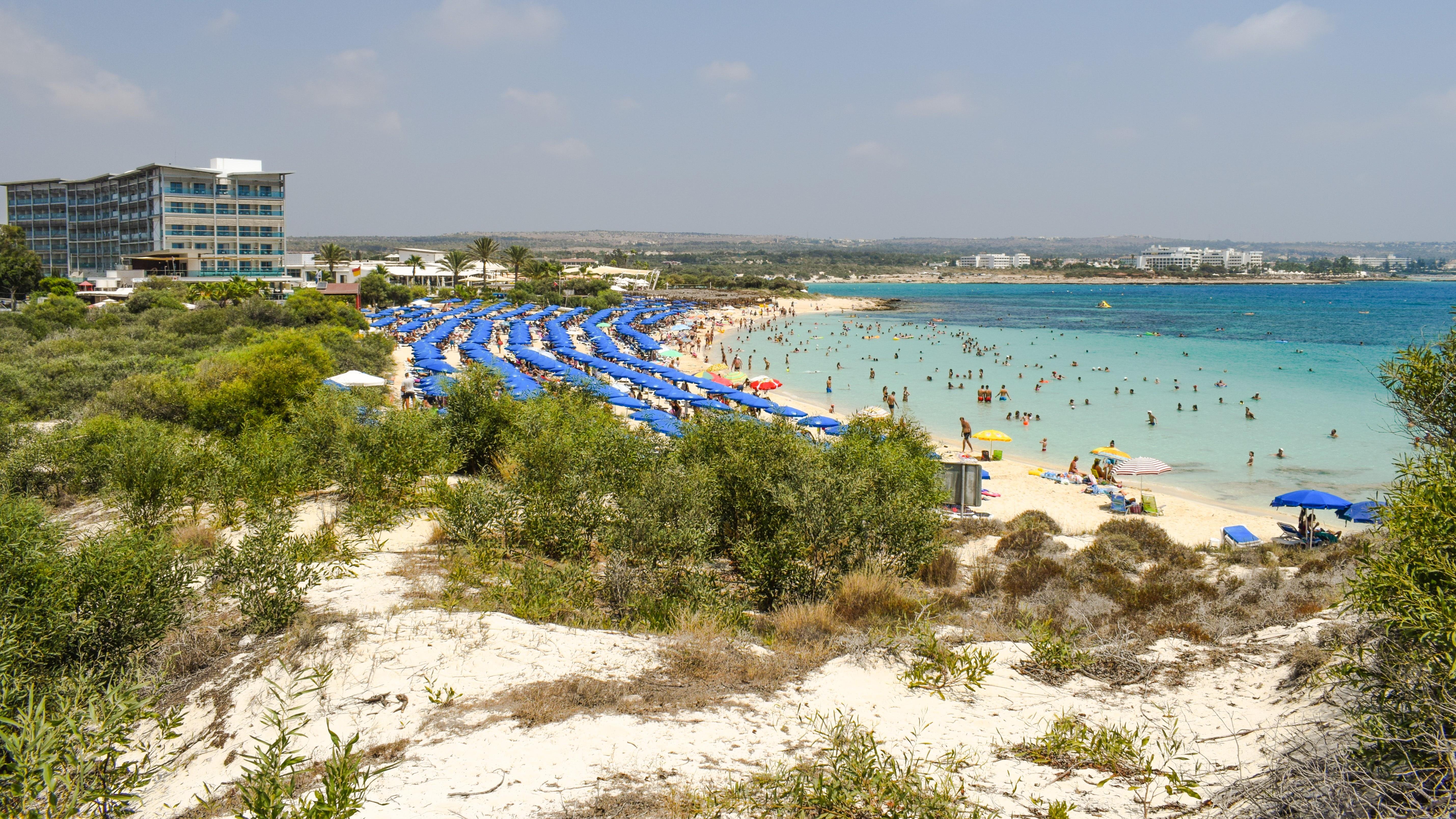
Morning on a popular beach does not begin with coffee, but with strategic planning. It is important to distinguish between two realities: private hotel beaches and public municipal beaches. At hotels, the “towel war” often thrives, where guests claim the best spots at dawn and then disappear. On public beaches, where order is maintained by local authorities, the rules are more transparent — though still with nuances.
Many have seen this scene: empty front-row sunbeds with bright towels left behind while their owners are still having breakfast kilometers away. In Cyprus, this is met with a sigh rather than aggression. Still, good etiquette suggests that if you reserve a spot with a towel, you should appear within an hour.
Taking a sunbed at 8 a.m. and showing up at noon is like holding your place in a bakery queue and then going mushroom picking. Technically you’re in line, but everyone looks at you like you’ve stolen someone else’s sea, — joke regulars at Mackenzie Beach.
It is also worth considering proximity to others. Even if the beach is half-empty, sitting right next to someone else when there is plenty of space is considered impolite. Personal space is valued in Cyprus — even if it’s limited to the radius of a beach umbrella.
The Magic of the Paper Receipt: Municipal Economy and “Kindness Relay”
On public beaches in Cyprus, where everything is regulated by municipal pricing (usually €2.50 per item), there is a unique culture around receipts. When you pay for a sunbed or umbrella, you receive a paper ticket — your proof of payment for the entire day.
Here’s where etiquette comes in. While leaving a sunbed empty for hours is frowned upon, life happens — you might leave to escape the heat or have lunch. Your receipt becomes your “passport”: you can leave, return later, and take any available sunbed on the same beach by showing it. This is completely acceptable and avoids the awkwardness of the “abandoned towel.”
But true beach diplomacy shines in the tradition of passing receipts on. When people leave for good, they often offer their tickets to newcomers.
It’s not about cheating the system — it’s a small act of coastal kindness. The municipality has already been paid. If I leave at 3 p.m., why not let someone else enjoy the umbrella? We call it beach karma, — says a Limassol resident.
Should you offer your receipt? Absolutely. Should you accept one? Of course. It’s part of the local unwritten code. The only taboo is trying to resell it.
The Cult of Frappe and Culinary Diplomacy
Food on the beach is its own chapter of the Cypriot epic. If you see someone slowly sipping a frothy iced coffee for two hours — that’s a local performing the ritual of frappe.
The rules are simple: frappe is not rushed. It’s philosophy. Loudly slurping the last drops through a straw can break the afternoon calm and draw disapproving looks.
As for snacks, locals often bring coolers filled with fruit and homemade sandwiches. But there is one rule: smells matter. Watermelon with halloumi is fine. Strong aromas like fried meatballs or fish spreading to nearby umbrellas — not so much.
The beach should smell like salt and sunscreen, not your grandmother’s kitchen — no matter how wonderful it is.
Also, glass containers are taboo on the sand — for safety and respect for those who clean the beach. Recycling bins are widely used, and locals care about keeping the shore clean.

Soundscape: Music, Children, and Joyful Noise
Cypriot beaches are not silent, but the noise has rhythm. Playing loud music from portable speakers is frowned upon — unless you’re at a beach bar where the DJ sets the tone.
Children are cherished in Cyprus, and their laughter and splashing are part of the natural soundscape. However, throwing sand on others or running over towels is not acceptable.
Beach tennis (paddle games) also requires awareness. The constant “tap-tap” of the ball can be irritating, so games are usually played near the shoreline, away from sunbeds.

Aesthetics and Dress Code: The Line Between Beach and City
Cyprus is relatively conservative despite being tourist-friendly. Topless sunbathing is not illegal but generally discouraged, especially on family beaches.
Going topless on a public beach is like visiting someone in your underwear — not illegal, but awkward.
Another unwritten rule applies when leaving the beach. Entering a shop or café in just a swimsuit is considered bad manners. Even a light cover-up shows respect.
Ecology of Soul and Sand
At the end of the day, a true beachgoer leaves only footprints. Smoking is common, but cigarette butts must be disposed of properly — leaving them in the sand is deeply frowned upon.
Beach showers should be used quickly, especially if others are waiting. Using shampoo or soap is discouraged, as it harms the marine ecosystem.
Cyprus beaches are spaces of freedom — but that freedom ends where another person’s comfort begins. A smile, a “Kalimera,” and small gestures of respect will make you feel at home anywhere on the island — from historic Paphos to lively Cape Greco.
What has your experience been on Cyprus’s public beaches? Have you had funny or awkward moments with sunbed receipts? Share your stories in the comments!
Read also: