Paphos represents a unique blend of ancient heritage and modern tourist infrastructure. Even with limited time, the city can offer a rich and diverse experience. I have created an ideal itinerary designed with logistics, opening hours of attractions, and regional gastronomic traditions in mind. It will allow you to explore key UNESCO World Heritage sites, appreciate Mediterranean cuisine, and enjoy the natural beauty of the western coastline without unnecessary rush. So, let’s begin!
8:00 Morning coffee on the Kato Paphos promenade
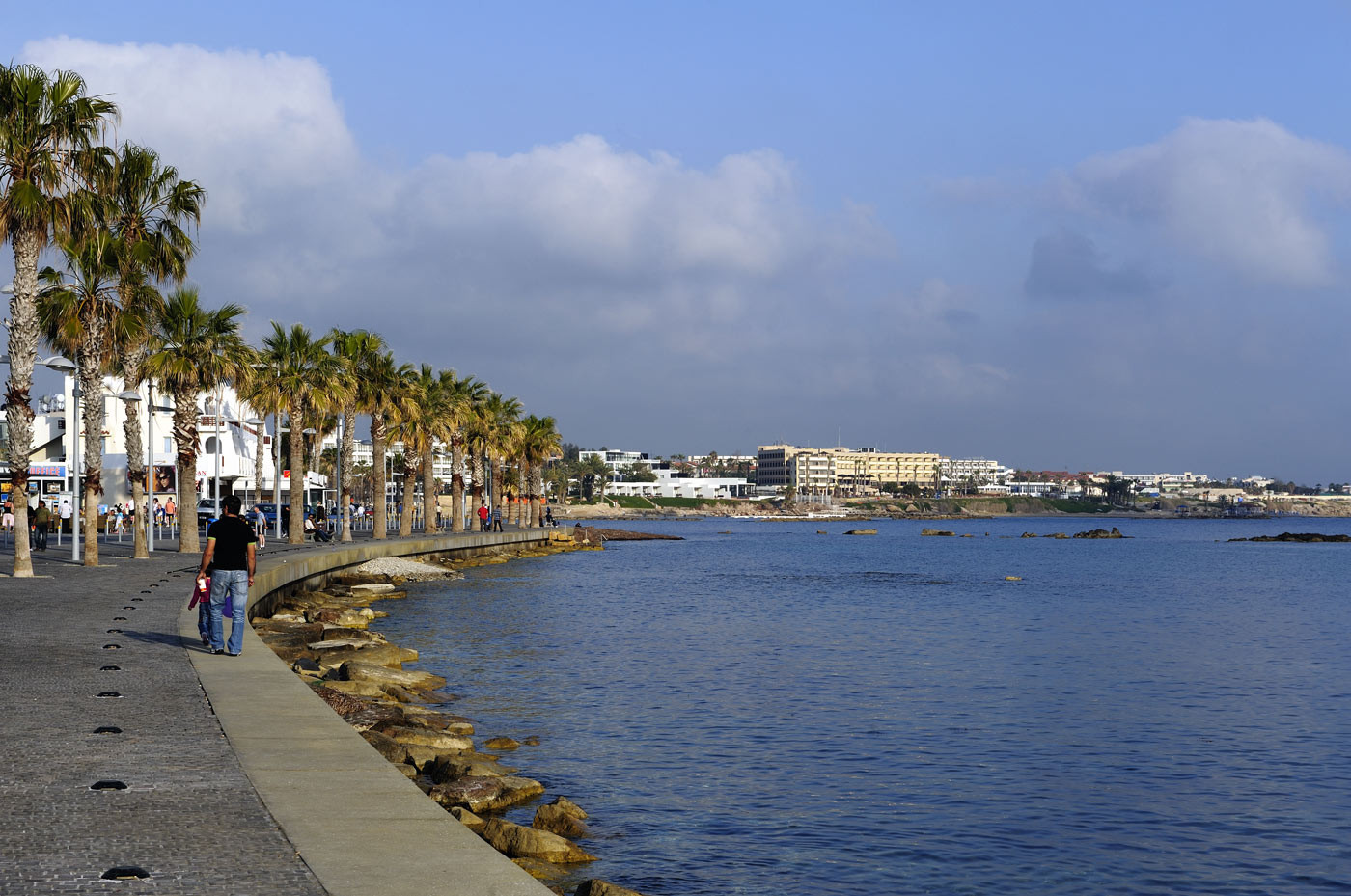
Start your morning with a walk along the promenade in Kato Paphos. The beautiful walkway stretches along the coastline, and the morning coolness invites slow reflection. At 8 AM, there are still no crowds of tourists that gather closer to midday. After building up an appetite, you can stop by one of the many street cafés serving simple but delicious breakfasts. Special attention should be paid to drinks. Coffee in Cyprus is not just a habit—it is part of the culture.
Be sure to try traditional Cypriot coffee prepared in hot sand. It has a rich taste and a unique aroma that is hard to compare with a regular espresso. If you prefer something refreshing, a classic frappé is an excellent choice—instant coffee whipped with ice. This drink is especially popular among locals during the warm season, which in Cyprus lasts from March to November.
Many cafés on the promenade are located just steps from the water, turning breakfast into a true ritual. You can sit at a table, watch the harbor, observe boats gently swaying on the waves, and fishermen preparing for work. This atmosphere creates a sense of complete relaxation and allows you to truly feel the spirit of Paphos—calm, warm, and slightly contemplative.
10:00 Paphos Castle and Archaeological Park: a step into antiquity
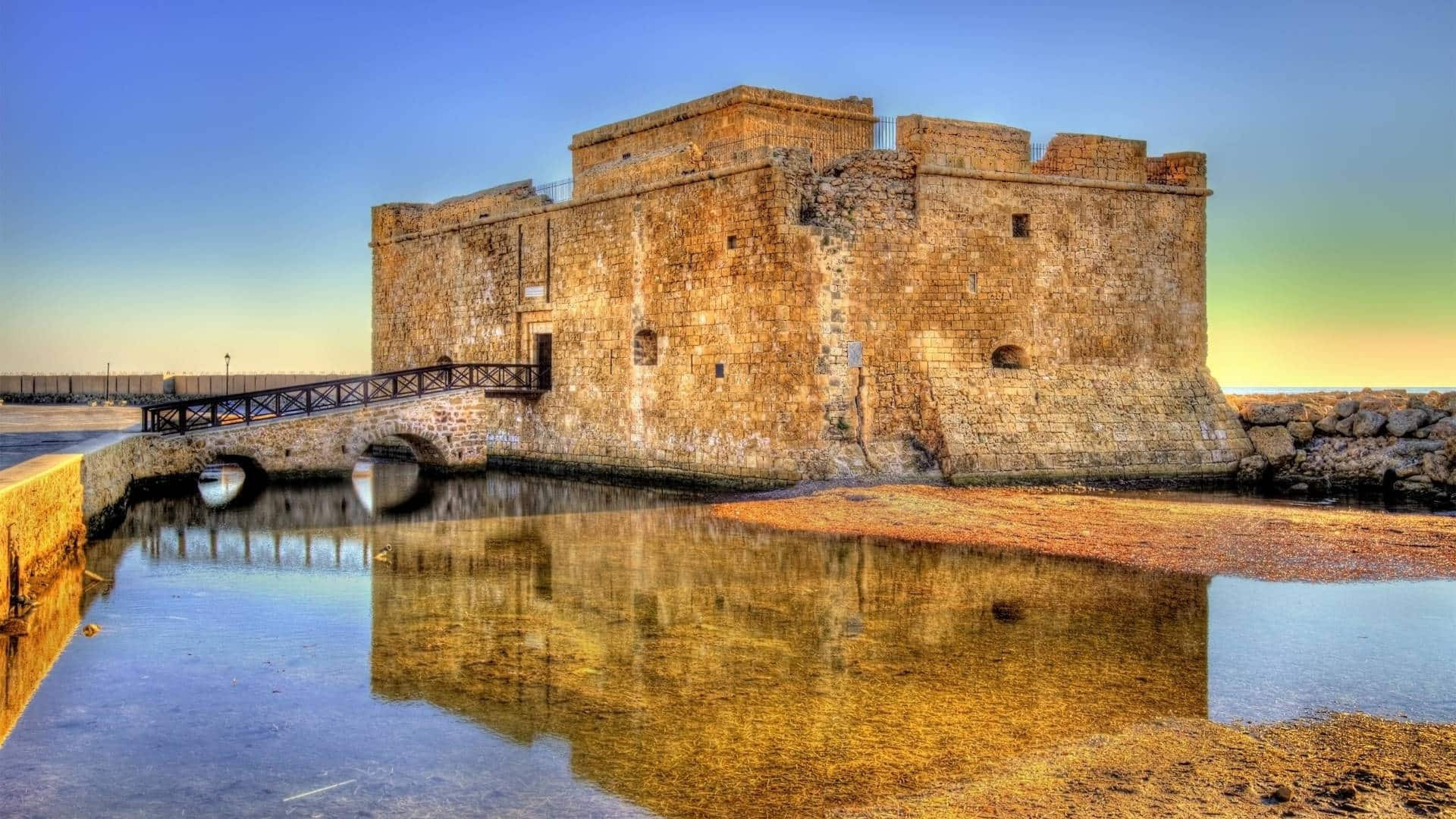
Once your coffee is finished and your thoughts are in order, it’s time to dive into history. At the edge of the harbor stands the main architectural landmark of Kato Paphos—the Medieval Castle. It’s not a vast Loire-style fortress, but rather a compact and highly photogenic structure. Originally built by the Byzantines as a fort to protect the harbor, it was later rebuilt by the Lusignans, Venetians, and Ottomans. The castle has had a rich and dramatic history: it has served as a fortress, a prison, and even a salt warehouse.
Be sure to go inside—the entrance fee is symbolic, but the experience is rewarding. Climb to the roof: the panoramic view is worth the effort. On one side lies the endless Mediterranean Sea, and on the other, the tiled rooftops and greenery of the archaeological park.
Speaking of the archaeological park—it is just a few minutes’ walk from the castle. This is not just an open-air museum, but one of the most important cultural sites in Cyprus, included in the UNESCO World Heritage list since 1980. The park is vast—you could wander for hours—but since we only have one day, let’s focus on the highlights.
Of course, this means the Roman-era mosaic floors. They were discovered in four luxurious “villas,” now known as the House of Dionysus, House of Theseus, House of Aion, and House of Orpheus. These mosaics are so well preserved that it feels as if ancient craftsmen laid them just yesterday. Scenes from Greek mythology come alive beneath your feet: Dionysus, god of wine, surrounded by satyrs and maenads; Theseus battling the Minotaur; and Orpheus charming wild animals with his lyre. Every detail—from the heroes’ muscles to birds’ feathers—is crafted with incredible precision using tiny colored stones. These mosaics are rightly considered among the finest in the eastern Mediterranean.
Set aside at least an hour for the park—preferably two. Protective shelters have been built over the mosaics, making it comfortable to explore even in the midday heat.
12:00 Lunch like a local: market and authentic tavernas
Cypriots treat food with great reverence. Cooking here is not routine—it is almost sacred. Lunch is not a quick bite but a full ritual that can last a couple of hours. Even if you only have one day in Paphos, that’s no reason to ignore tradition.
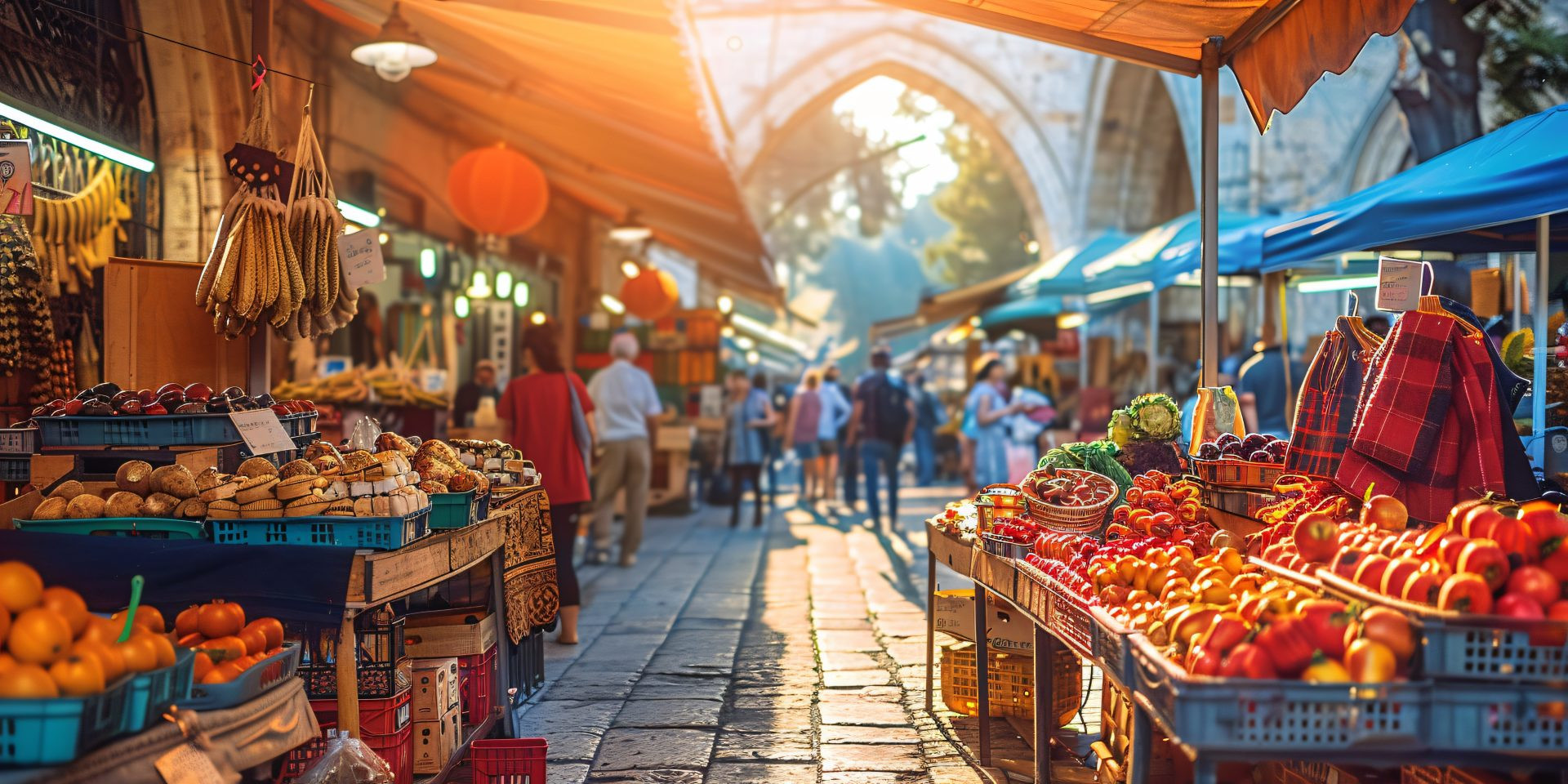
The best place for an authentic lunch is the area around the Paphos Municipal Market in the city center. It’s within walking distance from the archaeological park, about 10–15 minutes away. The market itself is a cultural landmark. Dozens of small restaurants and tavernas surround it. How do you avoid tourist traps with inflated prices and mediocre food? The secret is simple: see where locals eat. Cypriots rarely go to flashy restaurants—they prefer modest family-run tavernas where the owner takes your order and recommends the freshest dishes.
What to order? Start with traditional Cypriot meze. It’s not one dish, but a feast of ten or even twenty small plates. First come appetizers: olives, fresh bread, eggplant dip, feta with herbs, and a seasonal salad. Then stuffed vine leaves, baked vegetables, and grilled halloumi. Finally, the main highlight—meat dishes: souvla (large skewers of pork or chicken), pastitsio (a baked pasta dish), or kleftiko—slow-cooked lamb from a clay oven.
Meze is not just a tasting menu—it’s a philosophy. Don’t try to eat everything. Take your time, sip local wine (like Commandaria, once served to the Knights Templar), and enjoy the slow passage of time. At the end of the meal, you’ll likely be treated to fresh fruit or a local dessert.
Before leaving, spend another 10 minutes at the market. Buy a jar of honey-coated nuts, some fragrant herbs, or a small ceramic figurine—these souvenirs will remind you of your day in Paphos far longer than typical magnets.
15:00 Catacombs of Saint Solomoni: silence underground
In the heat of the day, it’s time to go underground. The Catacombs of Saint Solomoni are located right in the center of Kato Paphos, about ten minutes from the market, yet many tourists pass by—and miss something special.
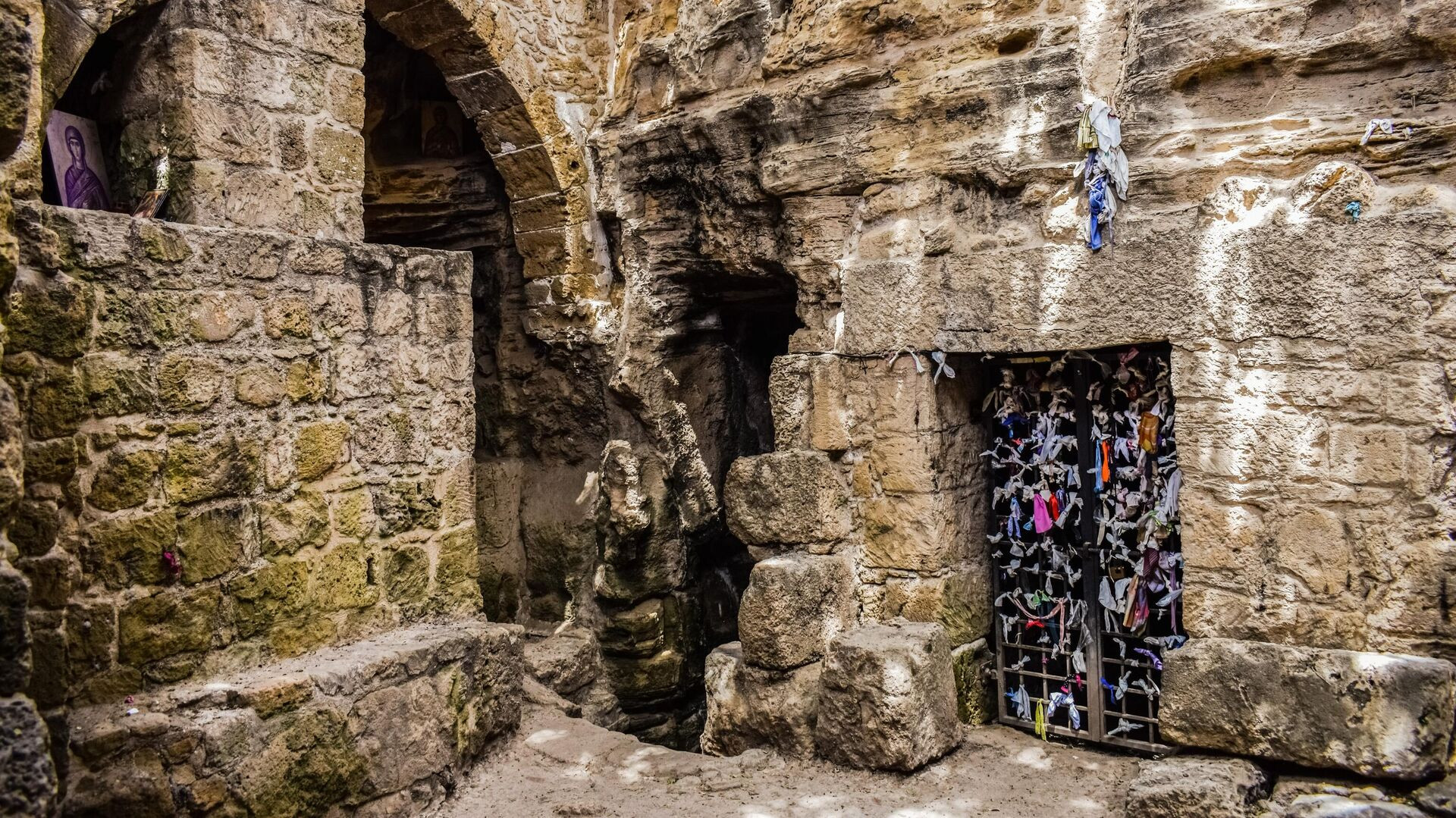
This place is more than just a tourist attraction. It feels like a place of power, where Cyprus’s deep-rooted folk faith comes to the surface. Above the entrance grows a large tree—some say it’s a pistachio, others a mulberry. Its branches are covered with colorful strips of fabric. This is not litter but an ancient tradition. Believers tie a piece of clothing belonging to someone who is ill, praying to Saint Solomoni for healing. It is said the tree has real healing power, and many pilgrims leave with hope and relief.
The church itself is a small chapel carved into the rock, part of a larger early Christian catacomb complex dating back to the Hellenistic period. Inside, there is dim light, the scent of incense, and ancient stone dust. You don’t need to be religious to feel the powerful atmosphere of peace and centuries of prayer.
The visit doesn’t take long—15–20 minutes is enough. It’s a perfect pause before a more active second half of the day.
16:00 Leaving the city: Lempa village
Now it’s time to leave central Paphos. Renting a car makes this easier, but taxis are also an option. Head northwest toward Coral Bay. First stop: Lempa village, now practically a suburb of Paphos but still retaining its unique charm.
Lempa is famous for a reason. Archaeologists discovered here one of the most important prehistoric settlements in Cyprus, dating back to the Chalcolithic period (Copper-Stone Age). Imagine—people lived here around 3900–2500 BC. Five thousand years ago. The site includes reconstructions of round houses built using the same materials and techniques as ancient builders. Inside, you’ll see pottery, tools, and even beds—all recreated as authentically as possible.
The most famous finds are female cross-shaped figurines carved from stone, believed to represent fertility goddesses. Originals are in museums, but replicas are displayed on-site.
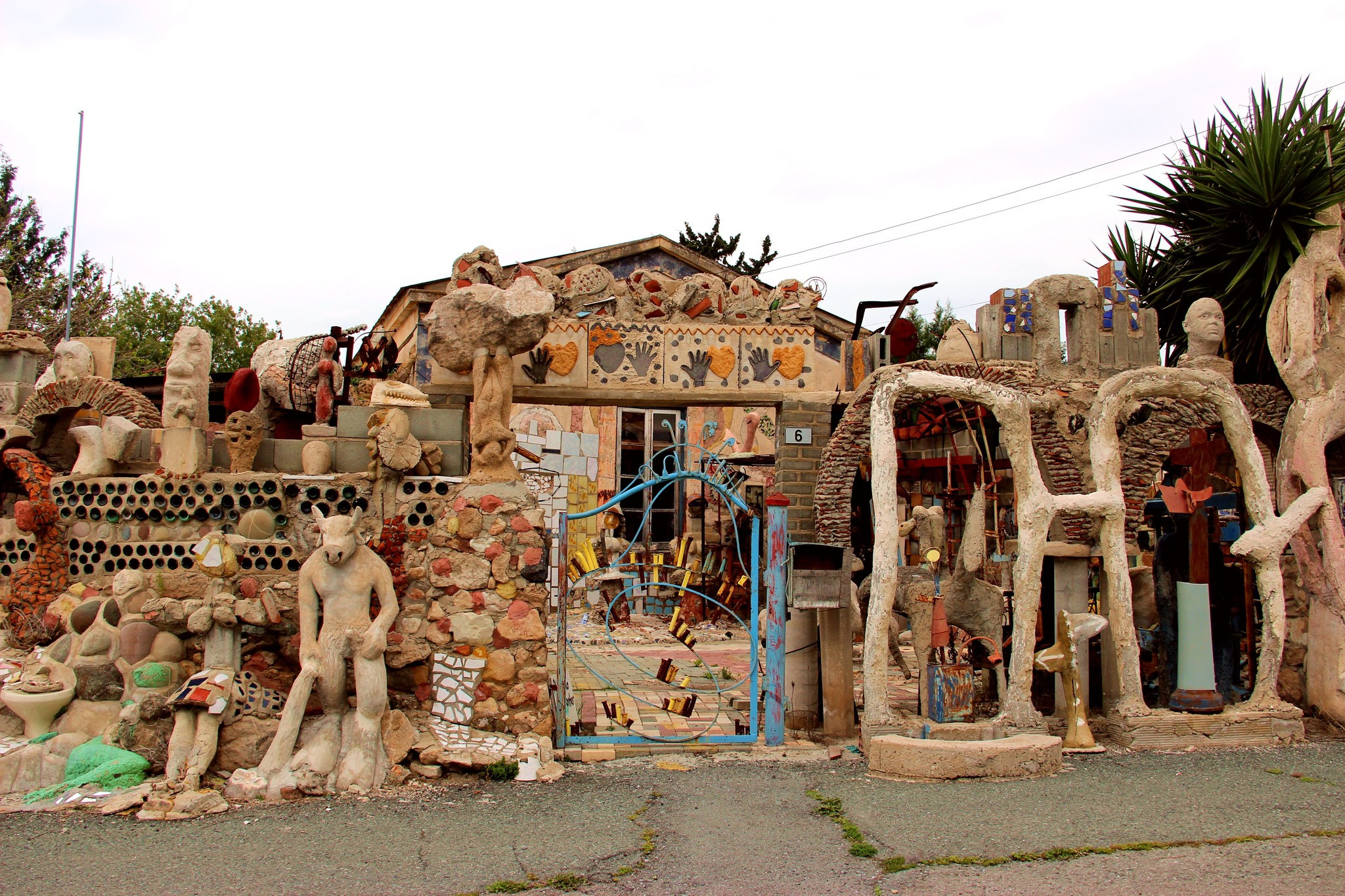
Lempa is not just about the past. It is also home to one of Paphos’s most renowned art schools. If you enjoy art, visit the gallery—students and masters often work there, and you can buy paintings or ceramics directly from the creators. Speaking of ceramics, there is a traditional pottery workshop where you can watch artisans at work and purchase authentic souvenirs. Some offer short masterclasses, but with a tight schedule, it’s better to focus on browsing. Spend about 1–1.5 hours here before heading toward the highlight of the evening—sunset at the sea caves.
18:00 Sunset and dinner at a fishing harbor
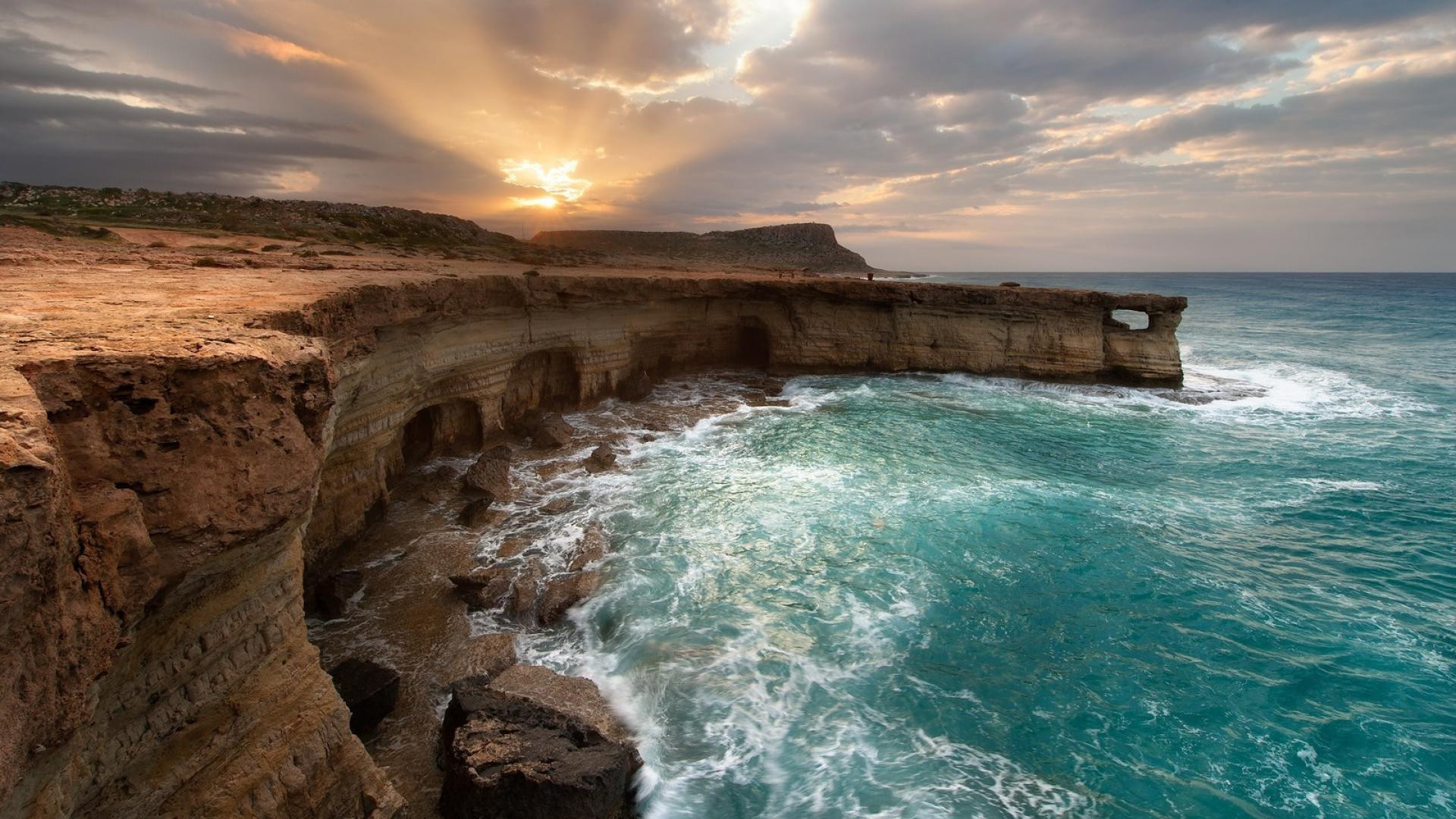
After passing Coral Bay, the road winds along the coast. Watch for the “Sea Caves” sign so you don’t miss the turn. This is a place worth visiting even if you only have six hours in Paphos. The landscape here is dramatically different—white limestone cliffs carved by wind and waves plunge into turquoise waters, forming caves and grottos.
Stop here. Sit on a warm rock or spread out a blanket. Sunset is about an hour away. You can swim in the crystal-clear water or simply watch the sun dip below the horizon, painting the sky in gold, pink, and deep crimson. The cliffs reflect the light, creating a magical glow. This is why travelers fall in love with Cyprus’s western coast.
After sunset, head west to the small fishing harbor of Agios Georgios. This is a quieter side of Paphos—no high-rise hotels or loud bars, just a stone pier and the dark, mysterious sea.
Here you’ll find PHOS Restaurant, located right by the sea. It’s a true gem, known for its elegant interior, excellent service, and outstanding cuisine. Try the ceviche, carpaccio, oysters, or small calamari. If you prefer meat, the steaks are exceptional. Desserts are also excellent—making this the perfect end to a full day.
22:30 Nightlife: brandy sour at the old harbor
If you still have energy after dinner, return to the old harbor. By day it feels calm and provincial, but after 11 PM it transforms. Lights come on, music fills the air—from jazz to modern Greek pop—and the atmosphere becomes lively and multicultural.
Choosing a bar is easy: if you like the music and there’s a table with a sea view, go in. The key here is not the decor but the atmosphere—and the drink.
Order a brandy sour. This is Cyprus’s national cocktail, created in the 1930s at the Forest Park Hotel in the Troodos mountains. It’s made with Cypriot brandy, fresh lemon juice, Angostura bitters, soda water, and lots of ice. Refreshing, slightly tart, and deceptively light, it’s the perfect drink to end the day.
You’ll feel pleasantly tired. You’ve seen ancient mosaics, explored catacombs, touched five-thousand-year-old history, watched the sunset over white cliffs, and tasted freshly caught fish. Your 24 hours in Paphos have been a success. Time to return to your hotel—though part of your heart will surely remain here, on Cyprus’s western coast, where Aphrodite once rose from the sea foam.

Useful tips
Before saying goodbye, here are some important tips. Dress in layers: mornings and evenings can be cool, while midday is hot. Bring a swimsuit and towel—even if you didn’t plan to swim, the temptation may be irresistible. Carry cash: many coastal tavernas, especially in Agios Georgios, may not accept cards. Check sunset times in advance, as they vary by season. And most importantly—don’t try to see everything. This itinerary is already full. If you feel tired, skip a stop. It’s better to enjoy less at your own pace than rush through everything.
Paphos is a city to savor, not to rush. Enjoy your trip!
Read also: