
Global oil prices have entered a downward trend, but households in Cyprus are unlikely to see the impact reflected in their electricity bills any time soon. Despite lower crude oil prices on international markets, electricity tariffs on the island will decline only gradually, as the Electricity Authority of Cyprus (EAC) is still using fuel purchased earlier at significantly higher prices.
According to global commodity markets, Brent crude is currently trading at around $72 per barrel. The recent decline has been driven primarily by OPEC+'s decision to increase oil production from August, as well as the restoration of more stable shipping through the Strait of Hormuz, where disruptions had previously occurred due to tensions in the Middle East.
Why electricity prices in Cyprus do not directly follow oil prices
Many consumers expect electricity bills to fall as petrol and diesel prices decline. However, the way electricity tariffs are calculated in Cyprus is considerably more complex. The final price of electricity consists not only of the base tariff but also includes a fuel adjustment charge, carbon emission allowance costs, strategic reserve charges, electricity network maintenance costs, VAT, and other mandatory fees.
In addition, the EAC generates electricity using fuel purchased in advance. This means that even when global oil prices fall, the utility continues to produce electricity using more expensive fuel already in storage. As a result, changes in electricity tariffs are reflected only after a delay.
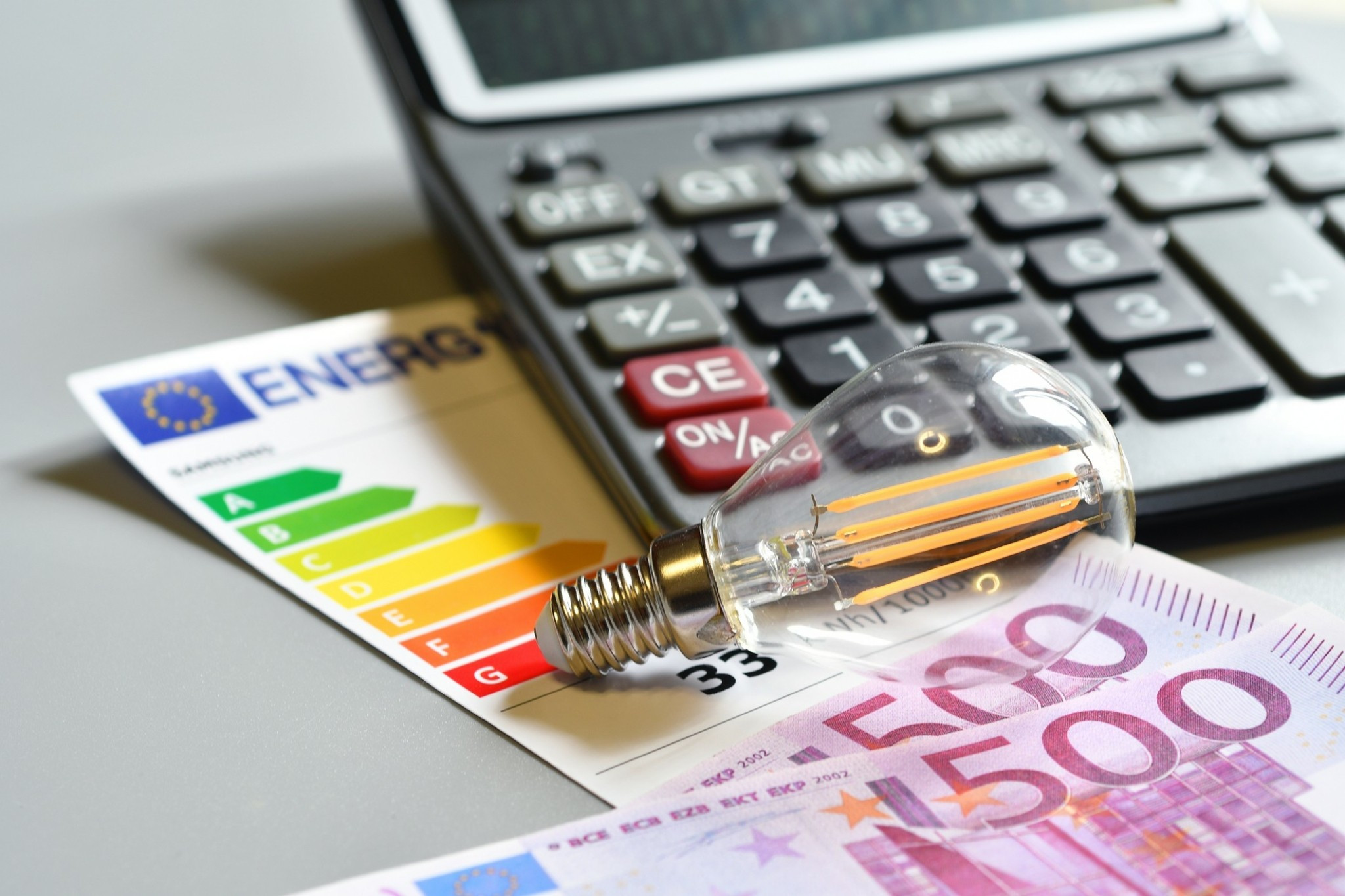
Electricity has become more expensive in recent months
Despite lower oil prices, electricity tariffs in Cyprus have not fallen recently. On the contrary, compared with two months earlier, prices have increased by approximately 6%. At present, the average cost of one kilowatt-hour for household consumers, including all taxes and mandatory charges, is around €0.30.
High electricity prices remain one of the main concerns for residents, particularly during the summer, when widespread use of air conditioning significantly increases electricity consumption.
According to preliminary estimates, the first reductions in electricity bills may become visible within one to two months, most likely after August. If global oil prices continue to fall or remain at current levels, the fuel adjustment component of electricity tariffs is expected to decline gradually, leading to lower overall electricity costs for consumers.
Experts point out that the pricing system works in both directions. When global oil prices rise sharply, the additional costs are not passed on to consumers immediately or in full. Likewise, when oil prices fall, it takes time for lower-cost fuel to be purchased, used to generate electricity, and eventually reflected in consumers' bills.
What could affect future electricity tariffs?
Electricity prices in Cyprus remain heavily dependent on imported petroleum products, as the country's energy system is still among the most reliant on fossil fuels in the European Union. At the same time, the government continues to invest in solar power generation, energy storage systems, and upgrades to the electricity grid.
Over the longer term, electricity prices could also be influenced by the wider adoption of renewable energy, the launch of new energy projects, and the implementation of the Great Sea Interconnector, which is expected to improve the resilience of Cyprus' electricity system and increase competition in the energy market. For now, however, the benefits of lower global oil prices will only become visible in consumers' electricity bills after some time.