
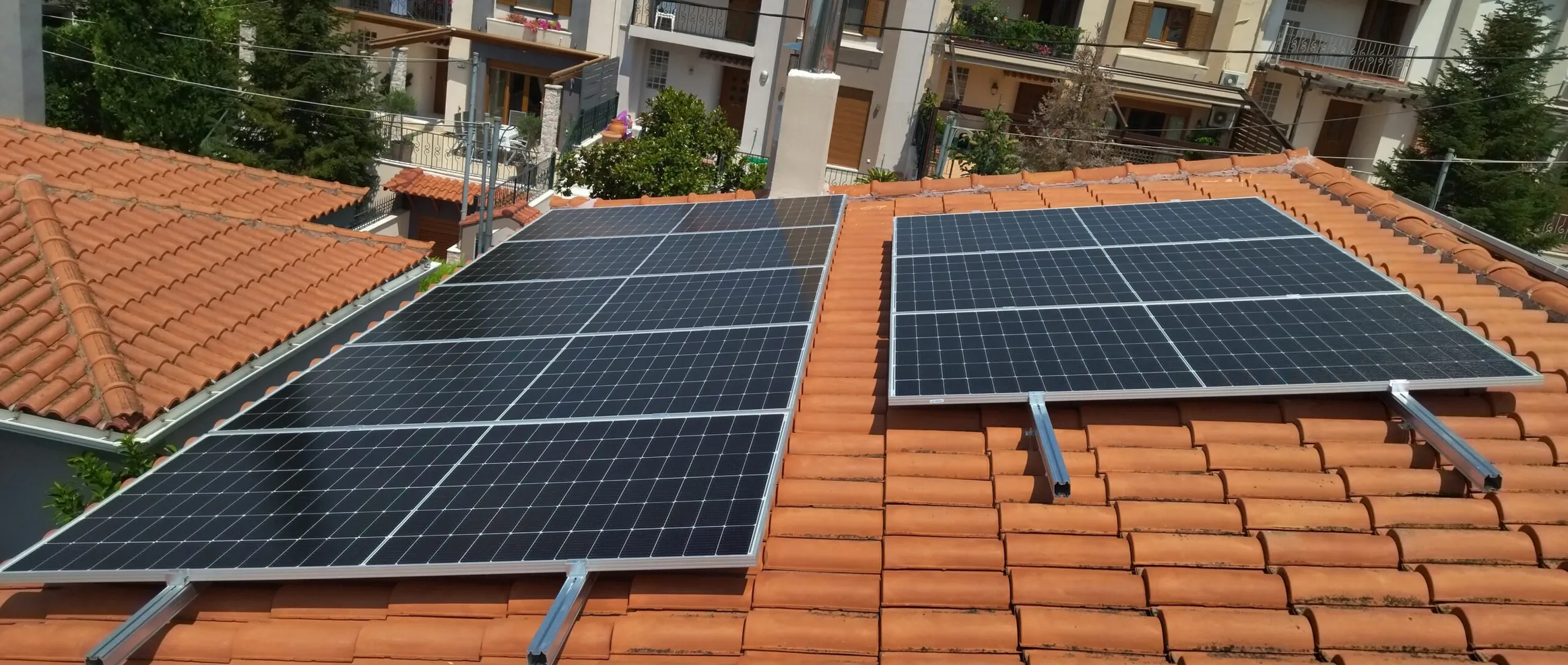
The Cyprus Council of Ministers has approved a reduction in VAT on the purchase and installation of photovoltaic systems for households. The new rate will be 9% instead of 19% and is expected to take effect after the relevant decree is published.
Details of the new measure
The VAT reduction forms part of a package of measures aimed at containing rising prices, which was approved by the Cyprus Council of Ministers on September 30. Finance Minister Makis Keravnos announced the measure. He noted that the new rate will take effect after the relevant decree is published and that the amount saved will depend on the cost of the installed system. This means solar panels will become cheaper for homeowners planning to install a system for their own electricity generation.
How much can be saved on solar panels
The amount saved depends directly on the cost of the photovoltaic system.
For example, if an installation costs €5,000 excluding VAT, the tax would amount to €950 at the 19% rate, compared with €450 at the 9% rate. The difference would therefore be €500.
If the system costs €7,000, the VAT saving would reach €700.
Unlike some temporary support measures, the VAT reduction directly lowers the cost of installation and may have a long-term effect for homeowners. Once installed, solar panels can reduce the amount of electricity a household needs to purchase from the grid. This is particularly relevant against the backdrop of rising electricity costs linked to higher fuel prices.
Who will be able to benefit from the reduced rate
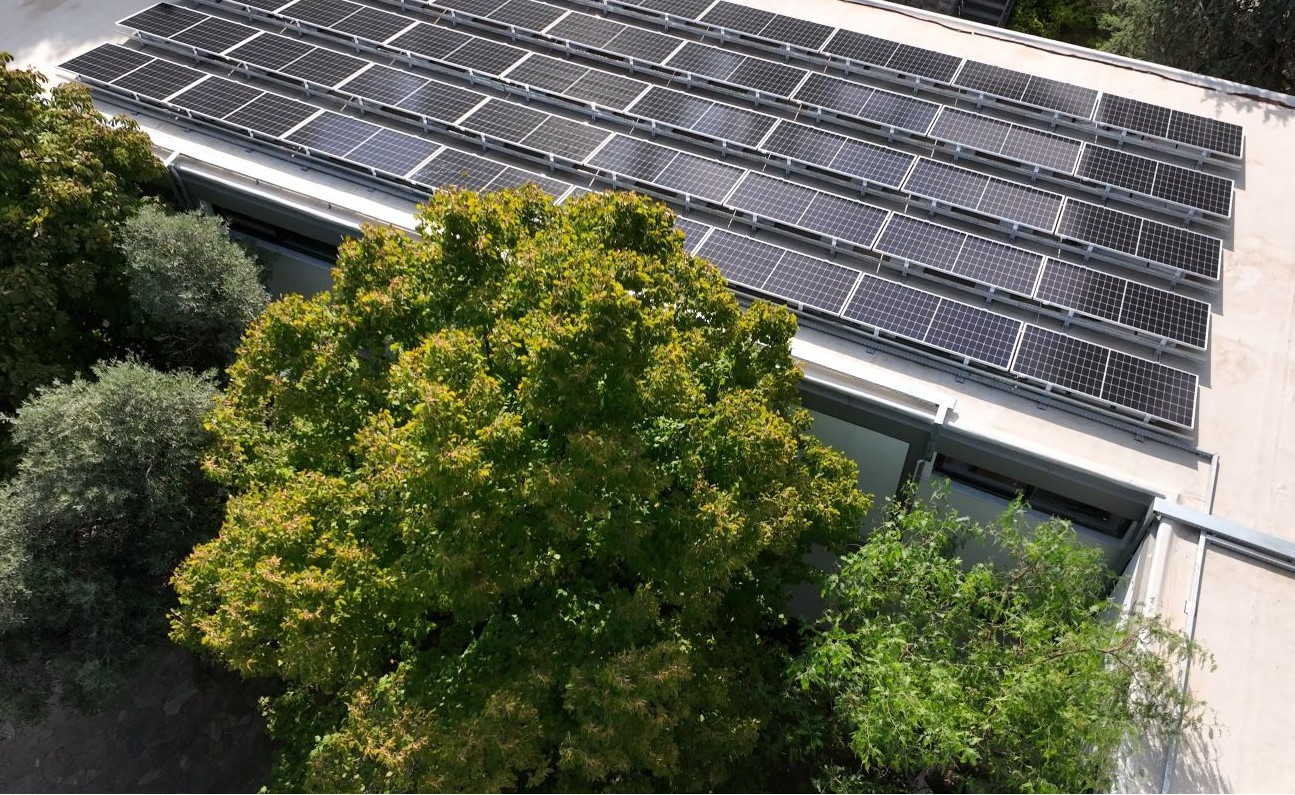
The VAT reduction primarily concerns homeowners, since they are the ones who decide whether to install a photovoltaic system. The benefit is not linked to household income. This means the reduced rate will be available not only to low-income households but also to middle-income families.
The measure is much less relevant for tenants, as solar panels can only be installed on a roof with the property owner’s consent and decision. There is also a financial limitation. Despite the lower VAT rate, purchasing and installing a system still requires several thousand euros in upfront investment.
What changed in January 2026
When assessing the benefits of solar panels, it is also important to take into account the current electricity settlement rules. Since January 2026, new photovoltaic installations have been connected under the net-billing system rather than net metering. Surplus electricity supplied to the grid by the system owner is compensated at a wholesale price, which is lower than the retail price. As a result, the financial benefit is greater for households that use the electricity generated by their solar panels directly rather than exporting a large share of the surplus to the grid.
Current support schemes are published by the Renewable Energy Sources and Energy Conservation Fund. At present, the list of open schemes includes grants for solar water heaters, while the 2024–2025 schemes for photovoltaic systems are not included among the currently open programmes.