
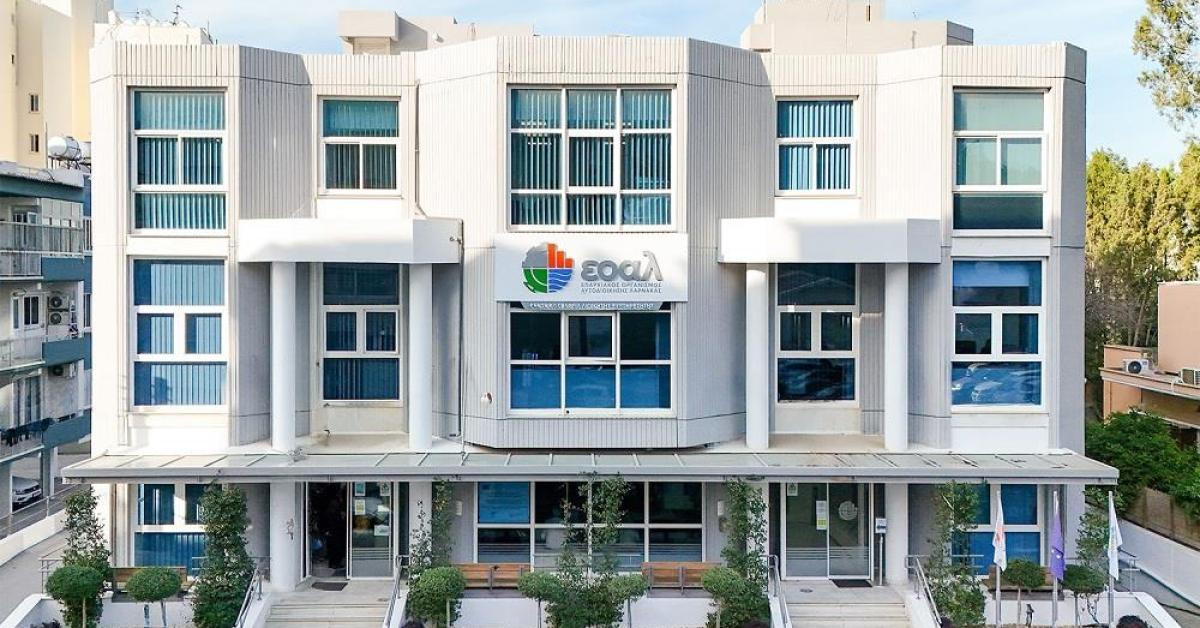
Larnaca is set to launch a major project to modernise its sewerage system. The Larnaca District Local Government Organisation (EOA) has announced a tender for the replacement and rehabilitation of existing sewer manholes. The primary objective of the project is to reduce the infiltration of brackish groundwater into the sewerage network—a problem that has remained one of the city's key infrastructure challenges for many years. The works form part of a long-term programme to upgrade Larnaca's utility networks and improve the efficiency of wastewater treatment, which is particularly important for the rapidly growing city and its surrounding suburbs.
Why the Sewerage System Needs Upgrading
According to the Larnaca EOA, parts of the first phase of the sewerage system were constructed several decades ago and now require substantial renovation. Over time, some manholes have lost their watertight integrity, allowing brackish groundwater to seep into the sewer network.
This creates additional pressure on pumping stations and wastewater treatment facilities. Larger volumes of water have to be processed, operating costs increase, and producing high-quality reclaimed water becomes more difficult. Treated wastewater is widely reused in Cyprus, including for irrigating agricultural land, parks, and landscaped areas. The issue is particularly significant in Larnaca's coastal districts, where groundwater levels are closely influenced by the surrounding marine environment.
What the New Project Includes
Under the tender, 18 existing sewer manholes located in the former oil refinery area will be replaced. In addition, the project includes preventive maintenance and repairs to another 55 manholes across different parts of the city's sewerage network. This approach will not only resolve existing problems but also help prevent future failures and leaks. Specialists note that timely upgrades of this type are considerably more cost-effective than carrying out major repairs to the entire sewerage system and help avoid serious technical failures.
The total project budget amounts to €1.2 million, excluding VAT. Funding is being provided through the Water Development Department as part of a government programme aimed at reducing the salinity and electrical conductivity of reclaimed water. The contract will run for 36 months from the start of construction. The first 14 months will focus on replacing the 18 manholes, while the remaining period will be devoted to preventive maintenance and repair works on other sections of the sewerage network. This phased approach will allow the upgrades to be carried out with minimal disruption to the sewerage system and residents' daily lives.
Why the Project Matters for the Environment and Water Resources
Efficient water management is becoming increasingly important for Cyprus. The country regularly experiences periods of drought, while climate change continues to place additional pressure on the island's water resources. As a result, the quality of treated wastewater has become strategically important. Today, reclaimed water is widely used for agriculture, irrigating parks, sports facilities, and green spaces. The less brackish groundwater enters the sewerage network, the higher the quality of the treated water and the lower the cost of processing it.
The modernisation of the sewerage system is considered one of Larnaca's key infrastructure priorities. Improving the condition of the underground network will reduce maintenance costs, enhance environmental protection, and support the city's sustainable development as both the population and tourist numbers continue to grow.
Once the project is completed, the sewerage system is expected to become more reliable, while the quality of reclaimed water will improve, benefiting both local residents and the environment.