
Carbon neutrality has been a global trend in recent years. Many countries have adopted a course to achieve zero emissions in the future. Cyprus is no exception. It intends to contribute to the reduction of greenhouse gas emissions. Thus, from 2030 all developers will be obliged to build only modern energy-efficient buildings on the island.
On Tuesday, March 12, the Parliament of the island state approved the relevant bill.
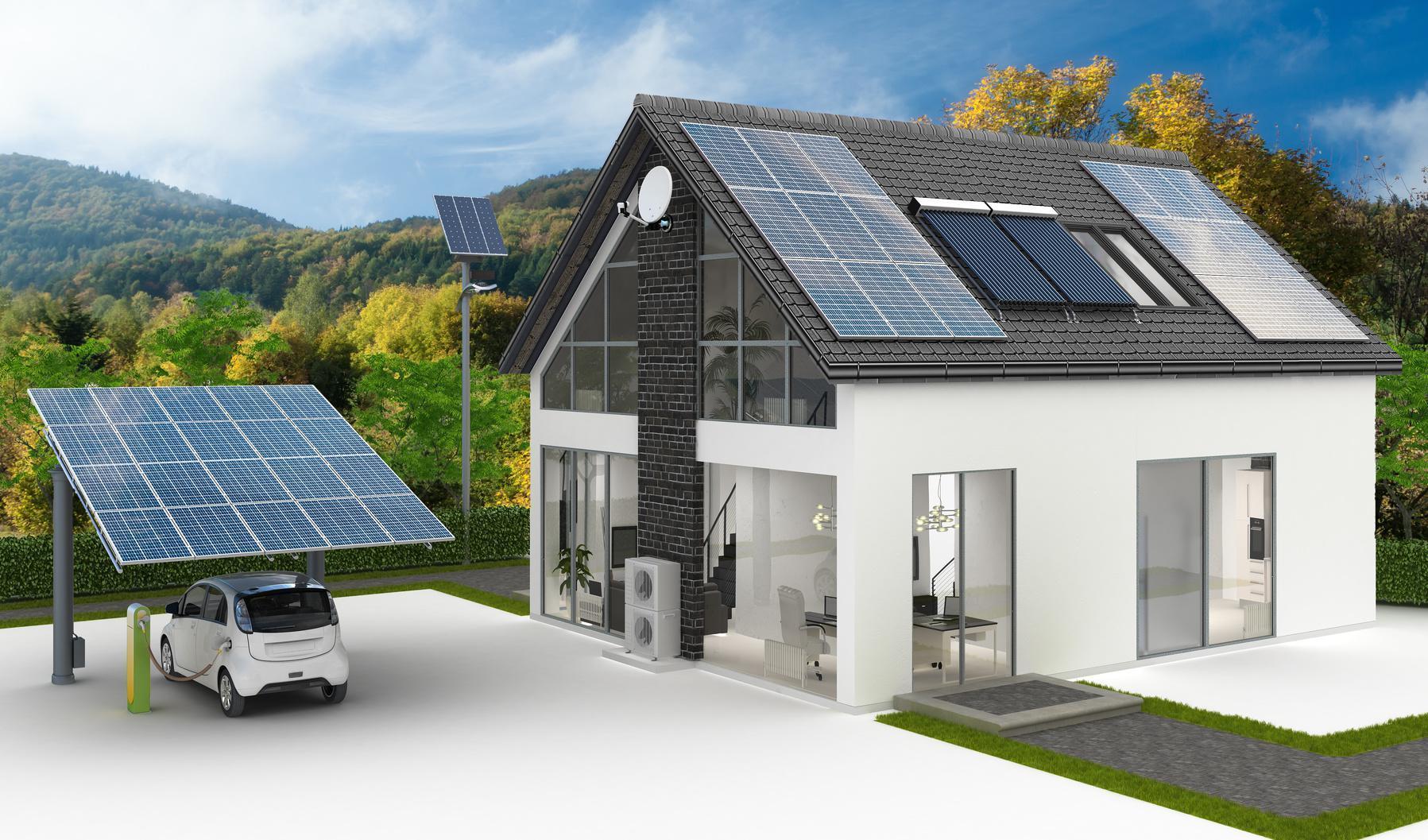
In particular, in the construction of such buildings, local companies will have to use only renewable resources, such as solar energy or wind turbines. By the way, carbon neutrality in construction can be achieved with the help of:
- Micro-combined heat and power generation: converting heat from household appliances into electricity.
- Biofuels from agricultural materials.
- Hydrogen fuel cells powered by rooftop solar panels.
- Use of eco-materials that have been produced with low energy inputs.
- Replacing energy-intensive equipment.
- Improving the thermal insulation of buildings.
Thus, by 2050, almost all buildings in Cyprus will have "zero" emissions. At the same time, exceptions will be made only for historical buildings, churches, defense structures and agricultural buildings.
It is worth noting that maximum energy efficiency limits will be set for existing non-residential buildings, based on primary energy use. All non-residential buildings will be 15% below the maximum limit by 2030 and 25% below the maximum limit by 2034.
Better and more energy-efficient buildings in Cyprus are expected to improve the quality of life of citizens while reducing their electricity bills.
The thresholds will be set based on the energy consumption of the national building potential as of January 1, 2020, and may vary depending on the building category.
The minimum energy efficiency requirements for buildings will be reviewed at least every five years, taking into account technological and economic developments in the building and energy sectors.
By the way, buildings are one of the most effective ways to reduce carbon emissions. This can be done by ensuring the efficient use of energy for heating, cooling and power, as well as obtaining energy from renewable sources.
It is worth noting that Cyprus will have to work hard to meet the EU's Fit for 55 climate program targets by 2030. Otherwise, citizens and companies will have to pay for air pollution. This is on top of the already existing air pollution fines for electricity generation, which increase the bills billed to consumers by the Electrification Department of Cyprus (EAC) by 30%. Fit for 55 is the European Union's climate program, which aims to reduce greenhouse gas emissions by EU member states by 55% by 2030 compared to 1990 (and to zero by 2050).