
Limassol Zoo will remain open. This decision was made by the city’s Municipal Council, which rejected a proposal to close the facility and transform the site into a modern ecological park and biodiversity center.
The issue sparked lively debate among local authorities and environmental organizations, but the majority of council members ultimately voted in favor of keeping the existing zoo.
How the Vote Unfolded
The decision was made during a Limassol Municipal Council meeting on Thursday, June 18. The proposal to relocate the animals and redevelop the site into a recreational space received support from 10 council members, while 14 voted against it.
Limassol Mayor Yiannis Armeftis stated that the discussion was productive and addressed a broader question—whether the concept of zoos still aligns with the values of modern society. According to him, the final fate of the facility has not yet been determined, as the municipality intends to continue exploring possible development options and reviewing new proposals prepared by relevant city departments.
At the center of the debate was a project developed by the Cyprus Centre for Environmental Research and Education (CyCere). The initiative proposed creating a new public space called “Fysi” (“Nature”) on the site of the current zoo.
The concept included an open biodiversity and urban ecology center focused on educational programs, scientific research, and public participation in environmental initiatives. The project’s authors argued that such a format would better reflect modern environmental standards and transform the area into a major educational hub for residents and visitors alike.
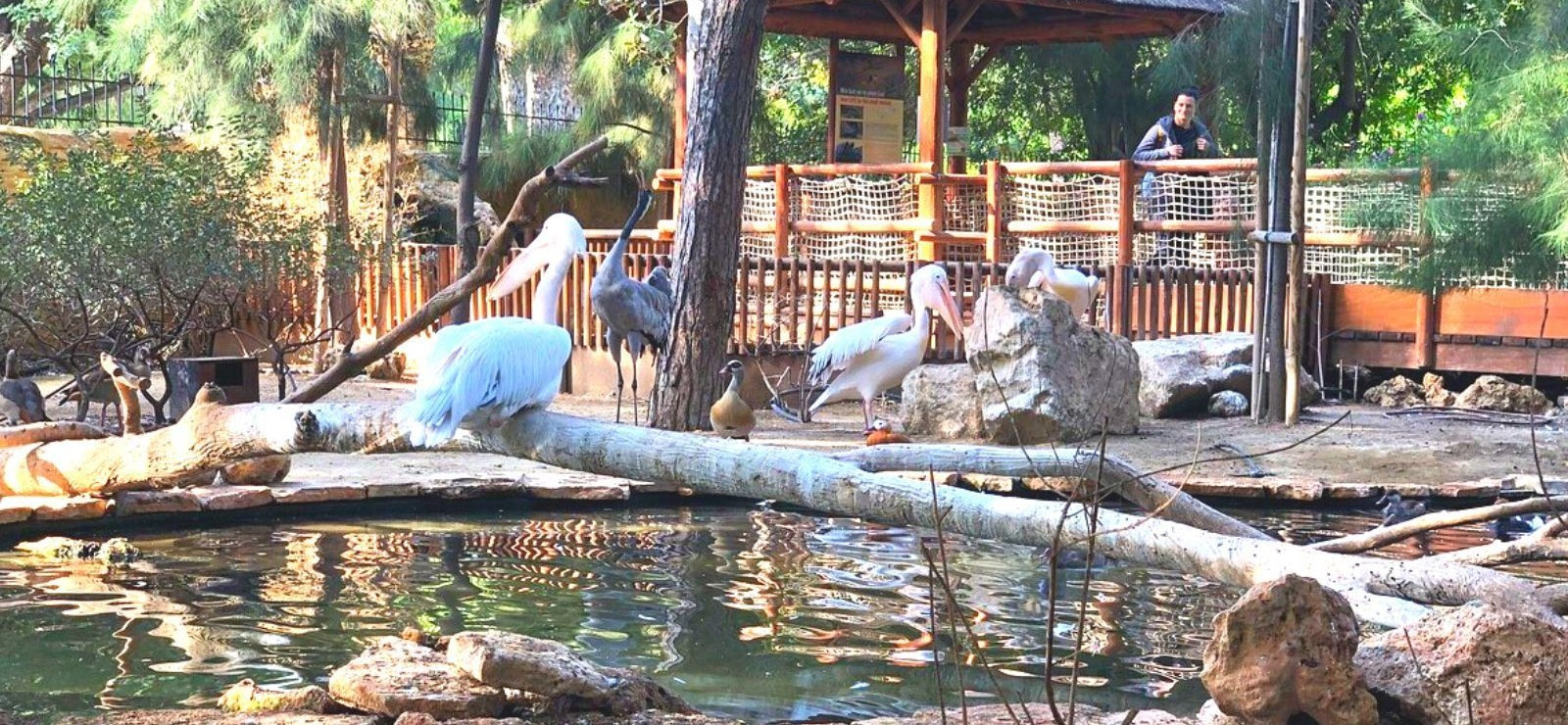
Debate Over Animal Welfare
The issue also prompted a strong response from animal welfare advocates. The Cyprus Animal Party called for a complete end to the practice of keeping wild animals in captivity. Representatives of the organization argued that preserving the historical legacy of the zoo should not be used as a justification for maintaining outdated approaches to animal welfare.
In their statement, activists noted that over the decades the zoo has housed lions, bears, leopards, monkeys, and many other species of wild animals.
Supporters of the zoo, however, point out that today’s Limassol Zoo is very different from what it was several decades ago, and that many animals are now kept under conditions that comply with current European standards.
The Discussion Is Far From Over
Despite the council’s decision, the future of the zoo remains an open question. In recent years, many European countries have been actively discussing the transformation of traditional zoos into educational and conservation centers. Some institutions have completely phased out the keeping of large wild animals, focusing instead on species conservation programs, scientific research, and environmental education.
Limassol is also seeking the right balance between preserving a popular city attraction, meeting visitors’ expectations, and adhering to modern animal welfare standards. Municipal authorities have already indicated that the issue will return for discussion in the future.
As a result, the latest vote does not mark the end of the long-running debate about what Limassol Zoo should become in the years ahead.