
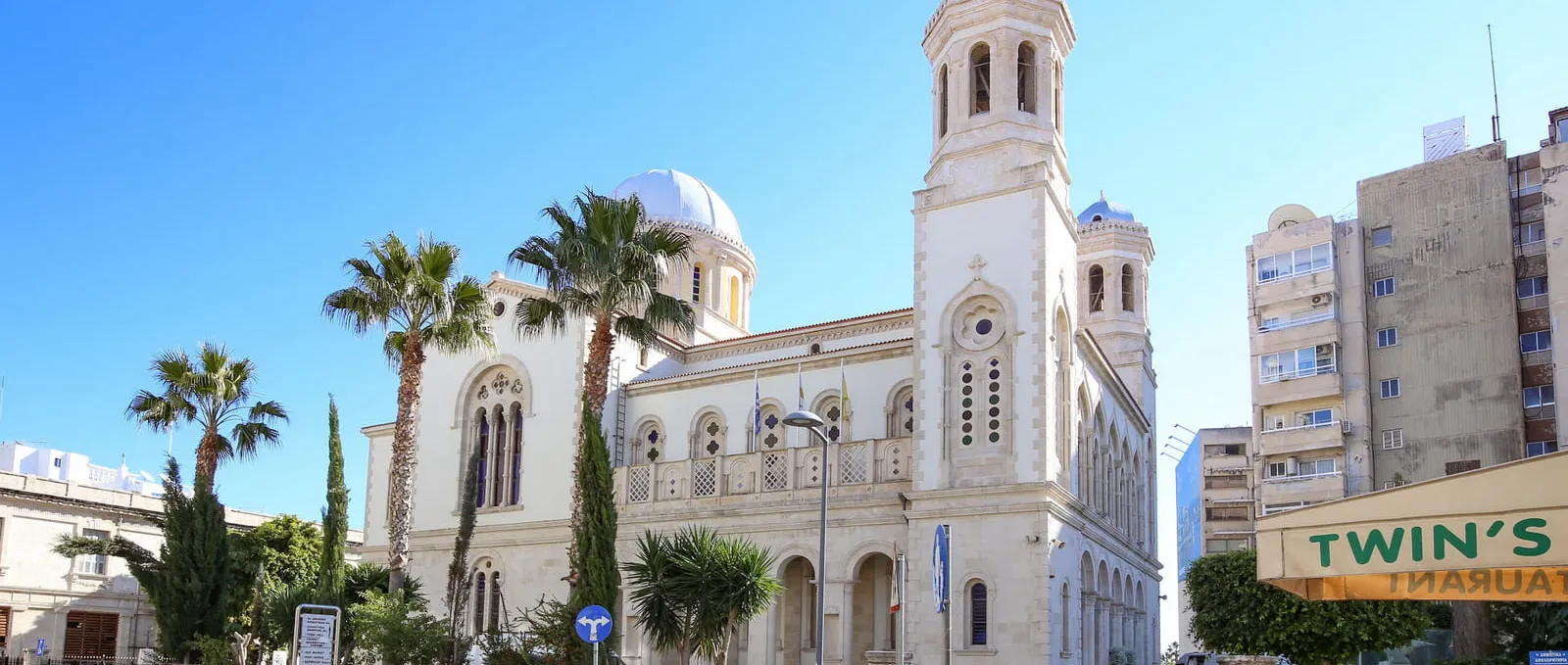
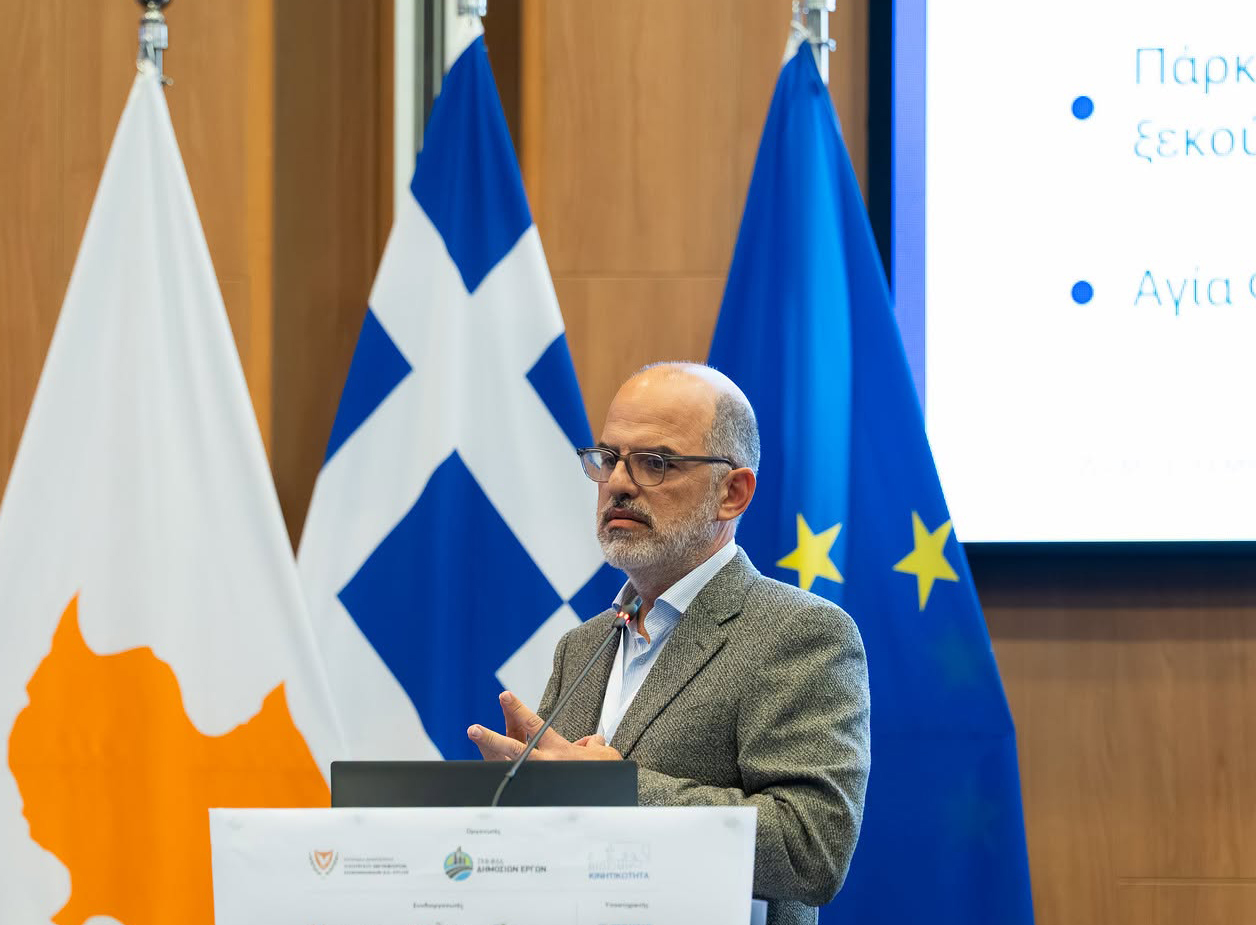
Limassol Mayor Yiannis Armeftis presented a strategy for the city’s revitalization, aimed at improving public spaces, developing eco-friendly transportation, and enhancing residential areas.
The presentation took place on October 29 at the 8th Conference on Sustainable Mobility and Intelligent Transportation Systems in Nicosia. On November 2, the municipality published details of the plan.
The strategy encompasses five main areas:
restoring the city’s connection to the coastline;
creating a network of “green routes” for pedestrians and cyclists;
the renovation of Agia Sofia Street and connecting the Garillis Linear Park to the sea;
continuing the revitalization of the historic center of Agia Fila;
improving city squares and parks.
According to the authorities’ plan, these projects are intended not only to transform the appearance of Limassol but also to make daily life more convenient for residents and travel throughout the city safer.
The waterfront, bike paths, and 20 km of green routes
One of the key priorities is restoring the connection between Limassol’s western districts and the sea. A bike and pedestrian route from the marina to Alexandria Street has already been completed. The next phase involves extending the temporary connection toward the New Port and a comprehensive renovation of the waterfront area.
To develop this area, plans include holding an architectural competition and conducting the necessary studies. In the long term, the goal is to create a continuous waterfront area featuring green spaces, safe paths for walking and cycling, as well as areas for sports and recreation.
Another large-scale project is a network of “green routes” with a total length of about 20 km. It is intended to connect residential areas, schools, parks, commercial districts, and the waterfront.
The concept is based on the “15-minute city” principle: essential everyday facilities and services should be within a short walk or bike ride. The project includes landscaping, the creation of shaded areas, and improvements to the urban microclimate. It is planned to be implemented in phases, following the necessary studies and approvals.
Special attention will be given to Agia Sofia Street. The following improvements are planned there:
renovation of 5.1 km of roads and sidewalks;
construction of a 2.55-km-long bike path;
planting 260 new trees;
the creation of 569 m² of new green spaces.
The project is also intended to connect the Garillis Linear Park with the seashore, improve traffic safety, and make getting around the area more convenient for pedestrians and cyclists.
The historic part of Agia Fila and more than 120 public spaces
Another part of the strategy concerns the historic center of Agia Fila. The municipality intends to renovate public spaces while preserving the area’s cultural and historical identity.
The first phase of the project has already been completed. The final design for the second phase is currently being prepared, and a third phase is also planned. The work includes improving access roads and pedestrian walkways, reorganizing public spaces, increasing the number of green spaces, and preserving elements of historical heritage.
A major beautification program will also affect Limassol’s squares and parks. According to the municipality, it calls for the renovation of 33 small squares and the design of 24 additional parks and squares. In addition, more than 120 public spaces are already in the process of being renovated or redesigned.
The main focus will be on landscaping and creating shaded areas for relaxation. The authorities aim to transform squares and parks into comfortable spaces for residents to gather and for community life in the neighborhoods.
Armeftis emphasized that all projects must be part of a unified urban plan, rather than separate, unconnected initiatives. Their implementation will require coordination with ministries, government agencies, and other departments.