
Larnaca is experiencing an unprecedented construction boom unlike anything seen in the city’s modern history. Just a few years ago, Larnaca was considered a quieter alternative to the more dynamic Limassol and Paphos. Today, however, it is rapidly transforming into one of Cyprus’s main investment destinations.
According to district administration data, more than 700 applications for construction, reconstruction, and property redevelopment are submitted every month. For comparison, before the local government reform this figure barely reached 100 applications monthly. Experts link the construction boom to several factors simultaneously: increasing foreign investment, redevelopment of coastal areas, major infrastructure projects, and the city’s preparation for its role as the European Capital of Culture in 2030.
Where Construction Is Growing the Fastest
Construction activity now covers almost the entire territory of Larnaca and its surrounding districts. Particularly rapid development is taking place in the former industrial oil terminal zone, as well as in Livadia, Oroklini, Pyla, Pervolia, Meneou, and Aradippou.
Dozens of new residential complexes, boutique hotels, and mixed-use tourism projects are currently under review. More and more developments are targeting both foreign buyers and affluent Cypriots choosing Larnaca as a seaside living destination. Special attention is focused on the coastal zone, where fuel terminals and industrial facilities were once located. Today, this territory is gradually transforming into the city’s new luxury waterfront.
Larnaca Is Getting Its First Skyscrapers
One of the symbols of Larnaca’s new era is the emergence of high-rise developments that would have seemed impossible for the city only a few years ago. The first prominent skyscraper project is the Marigate Larnaca residential complex near the port. The approximately 60-meter tower is expected to be completed by the end of 2026. Most apartments have already been sold to buyers from Germany, Austria, and other Central European countries.
Property prices within the project reach several million euros, reflecting the rapidly growing interest of international investors in Larnaca as a new premium Mediterranean destination. At the same time, construction continues on the Lumina Mare complex next to Radisson Blu Hotel Larnaca. The project is being developed by Israeli company SLK Developments.
The same company is also promoting one of the largest projects in the city’s history — Horizon Towers in the Livadia area. The €200 million complex will include four residential towers reaching heights of up to 86 meters, along with extensive commercial infrastructure.
European Capital of Culture Status Is Transforming the City
Larnaca’s selection as the European Capital of Culture 2030 has become a powerful catalyst for developers and investors. Many new hotel developments and infrastructure projects are scheduled for completion by 2030.
City authorities are focusing not only on residential development but also on expanding the cultural environment. One of the most important future projects will be the construction of a new House of Music and congress center on the coastline. The project is being developed with the participation of the Lefkaritis Group, while the architectural concept is being designed by the world-renowned firm Foster + Partners.
Experts believe that projects of this scale could significantly transform Larnaca’s international image and turn the city into a new center for business and cultural tourism in Cyprus.
The Port and Marina Remain the Main Megaproject
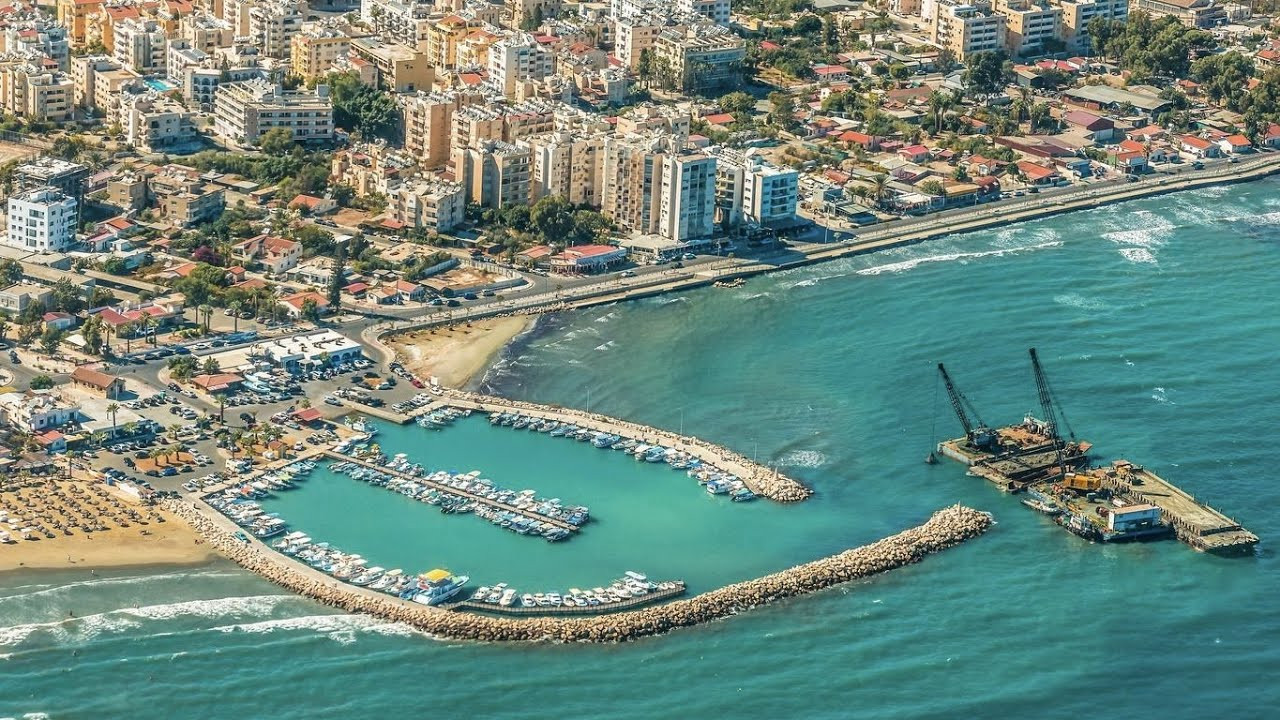
The central element of the city’s future development remains the large-scale reconstruction of the Larnaca port and marina, valued at around €1.2 billion. After the termination of the agreement with the Kition Ocean Holdings consortium, the project remained uncertain for several years, causing frustration among residents and businesses.
In spring 2026, protests even took place in Larnaca demanding faster modernization of the coastal zone. In response, the Cypriot government confirmed that further development of the port would be financed by the state with the participation of the Cyprus Ports Authority. The new master plan includes discussions about constructing a five-star hotel, congress center, restaurants, retail spaces, parks, and public waterfront areas.
The Largest Private Project in Cyprus’s History
Special attention is also focused on the Land of Tomorrow project, already being described as the largest private coastal development in Cyprus’s history. On the site of the former oil terminals, covering approximately 400,000 square meters, developers plan to create a new multifunctional district featuring residential properties, offices, commercial facilities, green zones, and direct sea access.
The project is currently undergoing licensing and environmental approval procedures, but experts believe it could ultimately redefine Larnaca’s position in the international real estate market.
Analysts note that in the coming years Larnaca has every chance of transforming from Cyprus’s most underrated city into one of the island’s leading centers for investment, tourism, and modern urban living.