
At its latest meeting, the Cabinet of Ministers decided to extend the Urban Planning Incentives Scheme for the Development of Education in Cyprus until the end of 2027. This program was first launched in 2025. Its main goal is to encourage construction activity specifically in the education sector. The decision to extend it was made after a thorough evaluation of how the scheme has worked so far. The results showed that these incentives are indeed needed by the market.
What has been achieved in the first year
In just one year, 30 urban planning applications were submitted across Cyprus for the construction or renovation of educational institutions. Of these, 10 projects are already directly benefiting from the incentives provided by the new scheme. This indicates strong demand for the program. Applications are particularly active from private schools and large educational centers looking to expand but previously facing bureaucratic barriers.
Why the program is being extended and who benefits
The main purpose of the extension is to stimulate the development of primary and secondary education institutions, as well as to speed up the process of obtaining building permits. This is especially important now, while standards for educational facilities and maximum building density ratios in urban areas are being reassessed. The revision of local plans in four major urban agglomerations is a lengthy process, and the scheme acts as a bridge, ensuring that educational development does not stall for years.
Five key incentives of the scheme
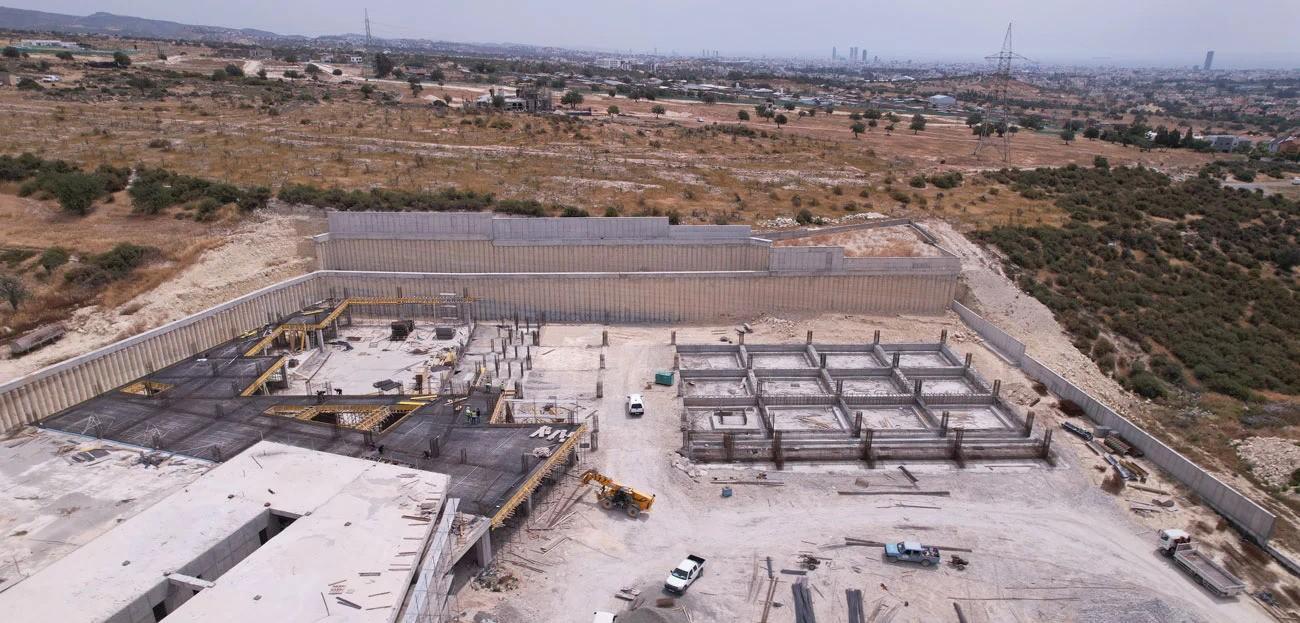
The program applies to applications for new school construction, as well as extensions and redevelopment of existing buildings for primary and secondary education. First, the scheme allows an increase in the maximum building density by 10% to 25%, depending on the area. Second, the required area for open spaces and sports facilities can be reduced by 25%, but only with approval from the Ministry of Education, Sport and Youth.
Third, a reduced compensation fee is applied for the increased building density — lower than under the standard urban planning incentives scheme for economic recovery. Fourth, all collected compensation is allocated to the Special Affordable Housing Fund of the Cyprus Land Development Corporation. This is an important social aspect: the development of schools also contributes to funding housing for those in need. Finally, fifth, an accelerated permitting process is in place for participants. The maximum application review period is just 4 months. For comparison, urban planning permits for large projects can typically take a year or more.
What’s next and why it matters
Extending the program until the end of 2027 provides investors and educational institutions with a predictable planning horizon. This is particularly relevant given the shortage of school places in rapidly growing areas of Limassol and Nicosia. Experts expect the number of applications to at least double during the remaining period. In addition, the 4-month fast-track procedure allows projects to be launched almost in real time, which is critical for areas with fast-growing populations. For parents and students, this means new modern schools with quality infrastructure will appear faster, while existing ones will finally receive long-awaited extensions and sports facilities.