
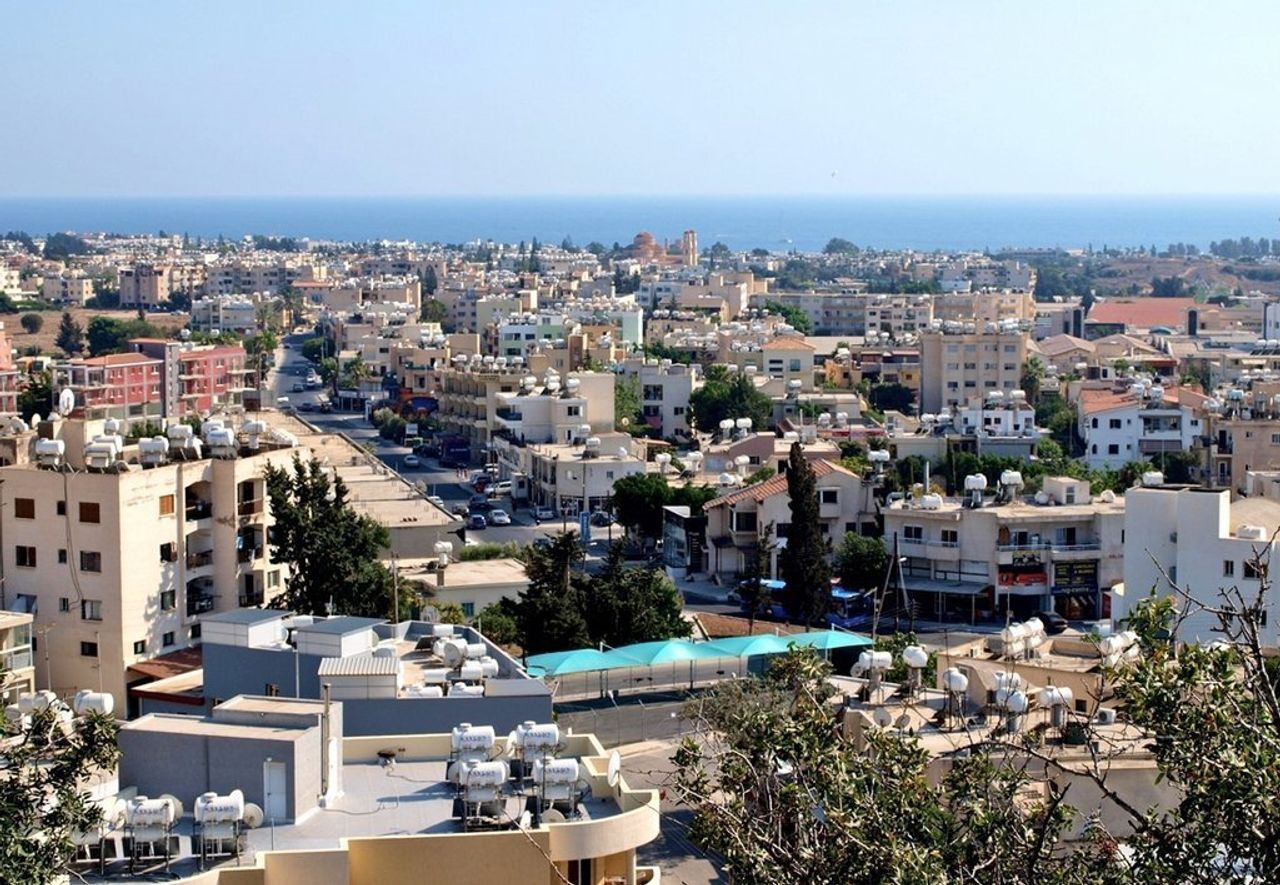
According to new data from Eurostat, housing prices in Cyprus increased by 7.9% in the second quarter of 2026 compared with the same period a year earlier. For comparison, the average increase in housing prices across the EU was 4.7%. This means that property in Cyprus is becoming more expensive significantly faster than the EU average.
Rising prices are being accompanied by an increase in the number of transactions. In the first quarter of 2026, the number of properties sold in Cyprus rose by 13.6%, followed by another 17.1% year-over-year increase in the second quarter. According to Eurostat, Cyprus recorded the highest growth in property sales among the countries for which relevant second-quarter data were available. The situation across the EU was much more stable: in the second quarter, housing prices increased by 4.7%, while rents rose by 3% year over year.
Rents are also rising in Cyprus
Housing rents on the island also continue to increase. Compared with the average level in 2025, rental prices in Cyprus rose by about 4%. For comparison:
- Romania — up 41.2%;
- Croatia — up 22.1%;
- Greece — up 6.2%.
Cyprus also has one positive indicator: only 3.5% of young people live in overcrowded housing. This is the lowest rate among the EU countries mentioned in the study. For buyers, however, the situation is more complicated, as property prices are rising at the same time as demand remains high. This is particularly noticeable in Cyprus, where the number of transactions continues to increase in 2026.
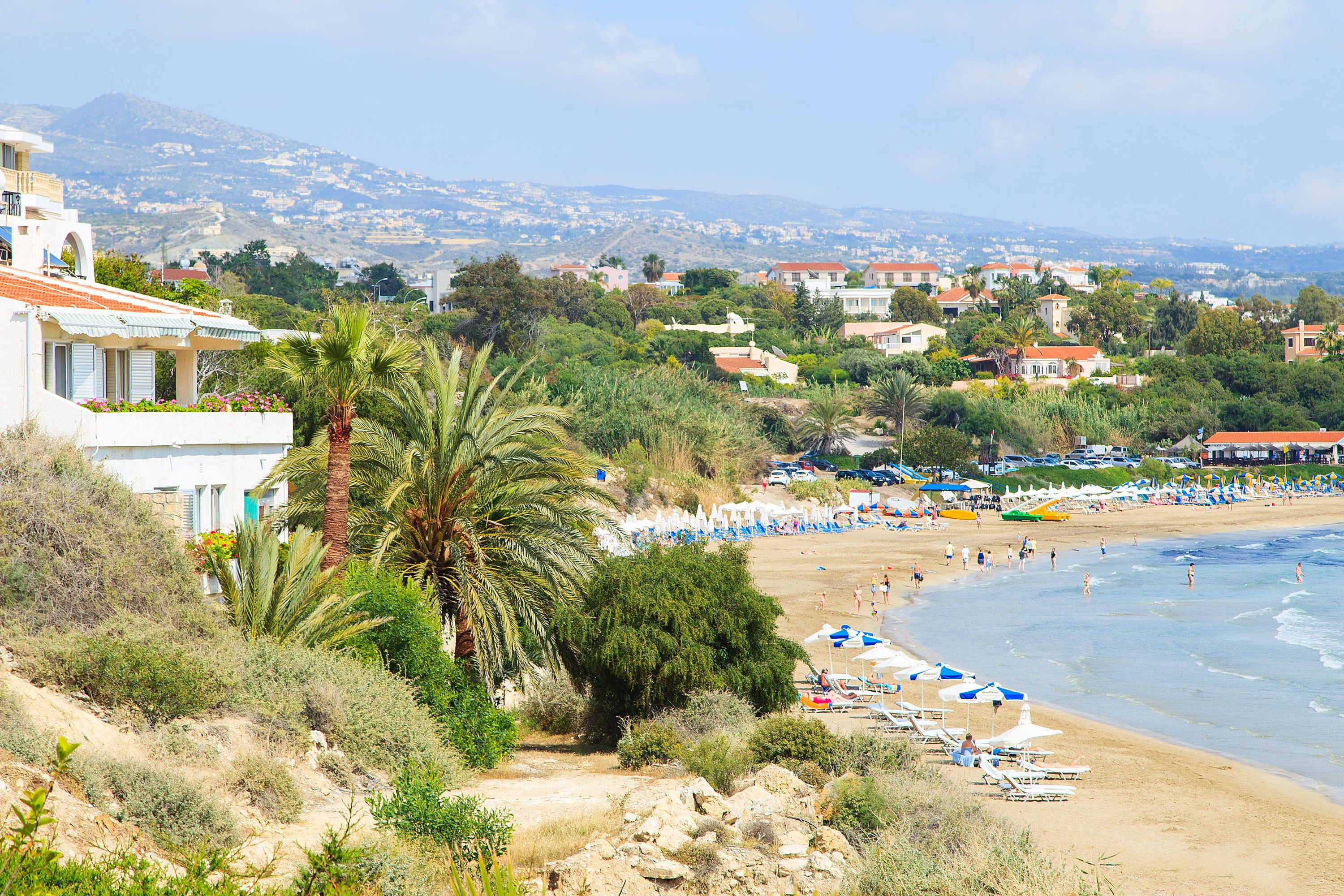
Property sales in Cyprus continue to grow
New market data show that growth continued even after the second quarter. In September 2026, 1,681 property sale contracts were registered in Cyprus. This was 13% more than in September 2025, when 1,484 contracts were registered. It was also the strongest September result since this statistical series began in 2000.
From January through September 2026, the number of contracts reached 14,969, compared with 13,173 during the same period in 2025. This represents growth of 14%, or 1,796 additional transactions.
Limassol remains the market leader, with 4,860 contracts registered during the first 9 months of the year, compared with 4,156 a year earlier. It was followed by:
- Larnaca — 3,291 versus 2,869;
- Nicosia — 3,163 versus 2,991;
- Paphos — 2,999 versus 2,531;
- the free areas of Famagusta — 656 versus 626.
Sales growth was particularly strong in Larnaca in September, rising by 29% to 393 transactions. Limassol recorded 506 transactions, up 16% from a year earlier.
Cyprus market grows while other countries see declines
The situation in Cyprus differs noticeably from several other European property markets. In the second quarter of 2026, housing sales declined:
- in Croatia — by 33.3%;
- in Luxembourg — by 35.1%;
- in Bulgaria — by 18.1%;
- in Finland — by 17.7%.
In the first quarter, housing sales fell by 42.2% in Croatia, 18.5% in Bulgaria and 8.7% in Portugal. In Croatia, sales had already declined by 4.1% in 2025, with sales of existing homes falling by 7.2%. Luxembourg, by contrast, recorded a 47.1% increase in sales in 2024, while transactions involving new homes rose by 36.2% in 2025. However, in the second quarter of 2026, the market declined by 35.1%. In Bulgaria, housing sales fell by 5% in 2025, and the downward trend continued in 2026.
Overall, Eurostat data show that the Cyprus property market currently remains resilient: prices are rising faster than the EU average, while the number of transactions continues to increase. At the same time, most transactions involve existing homes — in all countries included in the analysis, fewer new properties are sold than existing ones. As a result, the performance of the resale market plays a major role in determining the overall direction of the housing market.