
Residents of Cyprus are set to face higher waste collection costs. The increase is due to a new landfill tax that the government expects to approve in the coming weeks. If the legislation is passed, annual waste collection bills for households and businesses could rise by between €23 and €80, depending on the tax rate that is ultimately applied.
The initiative forms part of Cyprus' commitments to the European Union under the National Recovery and Resilience Plan. For this reason, the government is seeking to secure parliamentary approval before the summer recess begins.
The proposal is being considered under an accelerated procedure by the new House of Representatives elected in May 2026. The government is eager to see the legislation adopted as quickly as possible, as meeting this commitment is directly linked to European Union funding.
Once this milestone of the Recovery Plan is completed, Cyprus will become eligible to receive €23 million from the Recovery and Resilience Facility. In addition, the country will gain access to another €25 million under the THALIA programme, which supports the implementation of the "Pay As You Throw" waste management system. In total, nearly €50 million in European funding depends on the successful implementation of the waste management reform.
How Much Will Waste Collection Bills Increase?
According to government estimates, the additional financial burden will depend on both the landfill tax rate and the timing of the introduction of the "Pay As You Throw" system.
If the landfill tax is set at €10 per tonne and the new payment system is not yet operational, the average household will pay approximately €22.60 more per year. If the tax is introduced at €35 per tonne, the additional annual cost could reach around €79, representing an increase of almost 40% compared with current average waste collection bills.
Once the new payment system is introduced, future increases are expected to be more moderate. However, local authorities acknowledge that the necessary infrastructure is not yet ready for the full implementation of the scheme.
The government has already made concessions by reducing the initially proposed landfill tax from €35 to €10 per tonne. The tax is then expected to increase gradually, reaching €70 per tonne by 2039.
Why Is the New Tax Being Introduced?
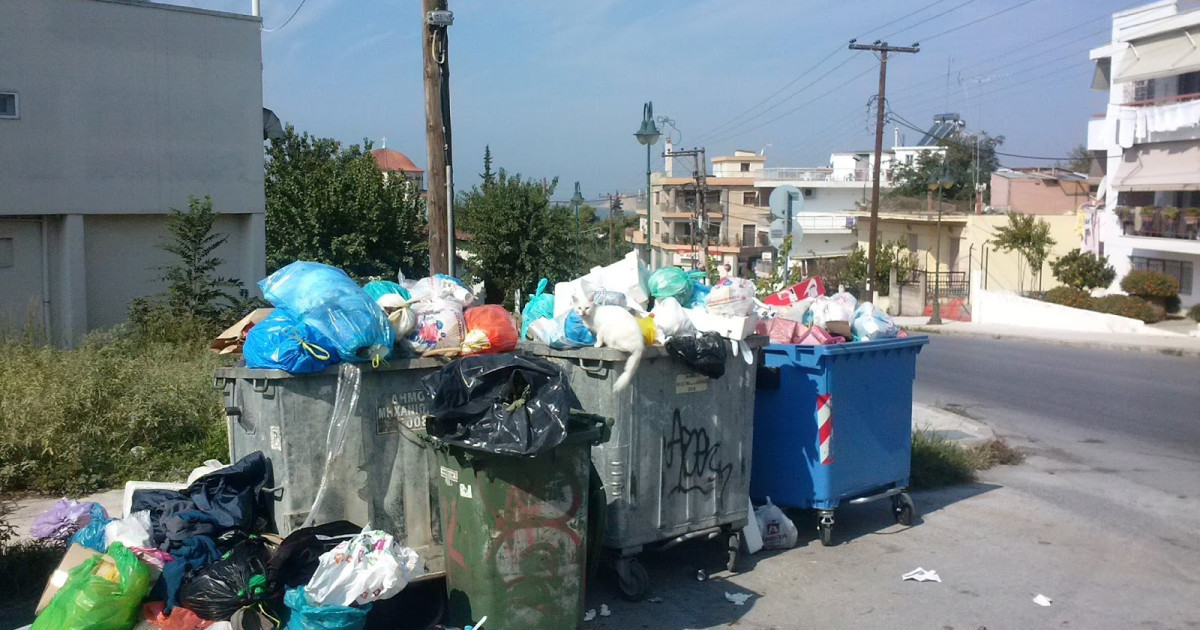
The main reason is Cyprus' poor performance in waste recycling and sorting. According to the European Commission, the country still sends too much household waste to landfill sites. By 2035, EU member states must reduce the amount of municipal waste sent to landfill to no more than 10%. To meet this target, Cyprus must significantly increase recycling rates, expand separate waste collection, and modernise its existing waste management infrastructure.
The government says that revenue generated by the new landfill tax will be reinvested directly into the waste management sector. The funding is expected to support the construction of new facilities, the purchase of equipment, assistance for municipalities, and the development of circular economy projects.
Municipalities and Businesses Oppose the Proposal
Despite government support for the initiative, many municipalities, public authorities, and business organisations have criticised the proposed legislation. Their main argument is that the tax is being introduced before the necessary infrastructure for efficient waste sorting and recycling has been established. In their view, the additional financial burden will fall primarily on households and businesses without giving them realistic opportunities to reduce waste volumes and lower their bills.
The municipalities of Nicosia and Larnaca insist that a comprehensive separate waste collection system and upgrades to the waste treatment facilities at Koshi and Pentakomo should be completed before the tax is introduced.
The Union of Cyprus Communities has also warned of a potential increase in illegal dumping, particularly in rural areas where residents may try to avoid higher charges. Political parties have also criticised the proposal, arguing that the "Pay As You Throw" system should be implemented before introducing the landfill tax—not the other way around.
What Will Change in the Coming Years?
Even if the initial landfill tax remains at €10 per tonne, the financial burden on households is expected to increase gradually over time. According to government forecasts, annual waste collection costs will continue to rise as the tax increases unless waste generation is significantly reduced.
The authorities hope the new system will encourage greater participation in waste separation and reduce the amount of rubbish sent to landfill sites. However, the success of the reform will largely depend on how quickly municipalities can build the required infrastructure and provide residents with practical ways to reduce the amount of waste they produce.
Cyprus therefore faces a difficult choice: fulfil its obligations to the European Union and secure tens of millions of euros in funding, or face growing public dissatisfaction over rising municipal waste collection charges.