
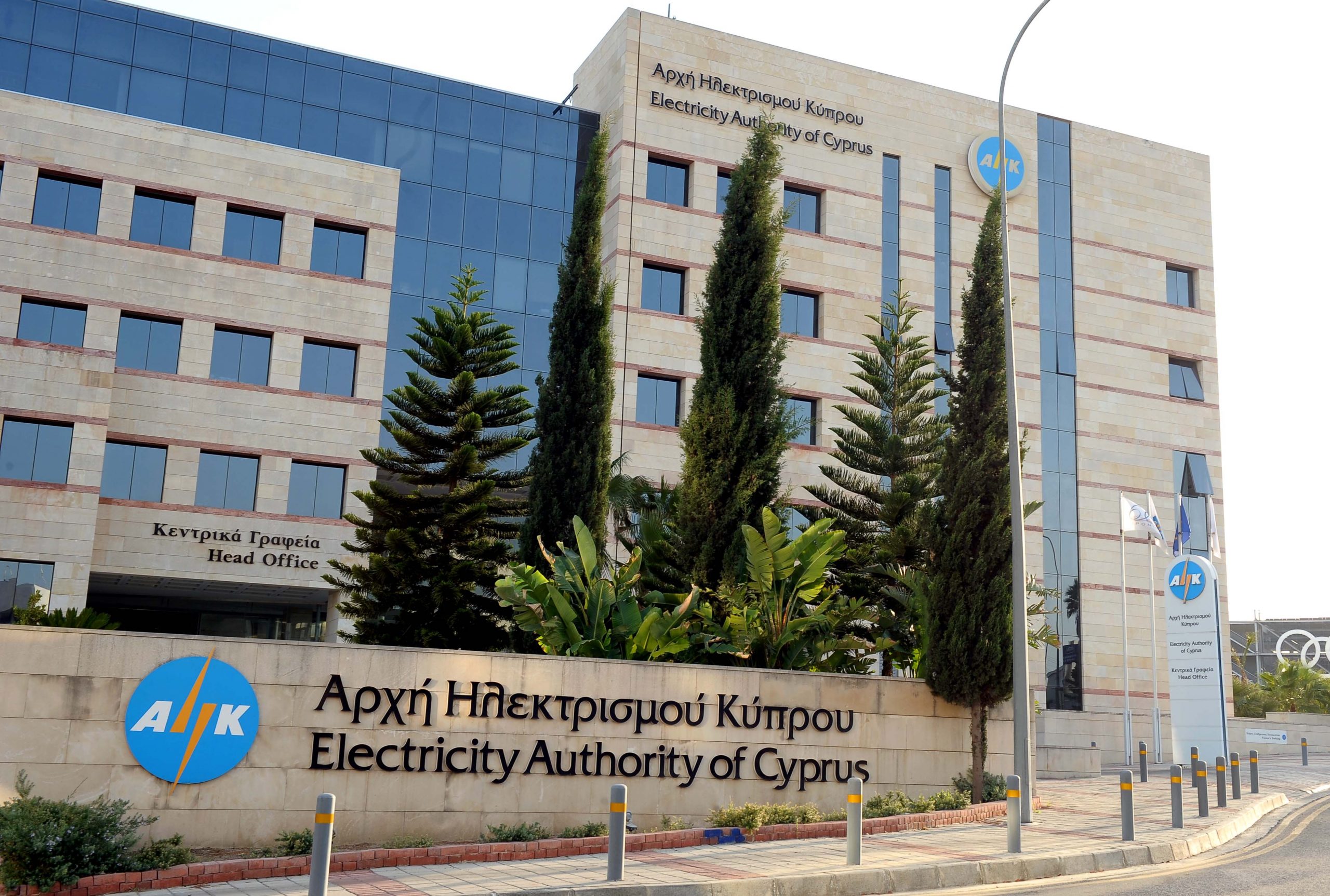
In April, electricity prices in Cyprus will decrease by approximately 5.5% compared to March. This was announced by the state energy company Electricity Authority of Cyprus (EAC). The reason is a 4% reduction in VAT. However, it may be too early to celebrate, as prices could start rising again in the near future. Everything will depend on global oil prices.
An EAC representative noted that on February 27, diesel cost $726 per tonne, while it has now risen to $1,366 per tonne. At the same time, the price of Brent crude has increased by 48% over the same period.
In 2025, the company pre-purchased around 60,000 tonnes of fuel for use between July and December to protect consumers from sharp price fluctuations. This year, suppliers did not agree to similar advance purchases, increasing the risk of tariff hikes in the second half of the year.
Fuel prices and their impact on the economy
The Director of the Consumer Protection Service at the Ministry of Energy, Constantinos Karagiorgis, emphasized that fuel prices are monitored daily to prevent unjustified increases.
From February to March 23, the average price of Unleaded-95 petrol rose by 8.1 cents per liter. For comparison, the average increase in Europe was 16.1 cents, in Greece — 16.1 cents, and in Italy — 10.6 cents.
Currently, wholesale fuel prices have increased significantly compared to levels before the start of the Persian Gulf conflict: petrol is up by 52%, diesel by 89%, and heating fuel by 88%. At the retail level, however, the increase is lower: petrol +20%, diesel +29%, and heating fuel +38%.
The country’s strategic reserves cover 90 days of consumption and amount to 542,000 tonnes of fuel. This helps smooth potential price fluctuations in the domestic market.
Impact on inflation and the economy
The head of the Cyprus Fiscal Council, Michalis Persianis, warned that a significant rise in inflation is expected in the coming months. Initial forecasts of around 2% inflation in 2026 will likely need to be revised upward.
According to Persianis, higher inflation increases nominal GDP and also helps reduce public debt. Experts note that rising electricity and fuel prices will be a key factor affecting purchasing power and household expenses in the coming months.