
Despite Cyprus' efforts to restart work on the Vasiliko liquefied natural gas (LNG) terminal project, the European Commission continues to demand the repayment of funds spent on its implementation.
In particular, the Commission is seeking €68.6 million paid in the form of grants.
As it turns out, the island's government has been unable to persuade Brussels to change its decision. The authorities intend to try again, but the chances of success are extremely slim. It is worth recalling that in July 2024, following disagreements between the CPP-Metron consortium and the Cypriot Ministry of Energy, the European Commission sent a letter listing serious breaches in the implementation of a major project. The first concerned the criteria for awarding the tender in December 2019, and the second concerned the signing of the bilateral agreement after the approval of an additional €25 million in funding in June 2022.
As a result, the Commission requested the Cypriot government to repay exactly €68,608,438.46, which is the exact amount paid by the Commission to the state-owned natural gas infrastructure company (Etyfa). This money was provided under the European Union's Cyprus Gas 2 EU project.
For its part, the European Public Prosecutor's Office (EPPO) has publicly announced the opening of an investigation into possible procurement fraud, misappropriation of EU funds and corruption in the case of the construction of the Vasiliko LNG terminal.
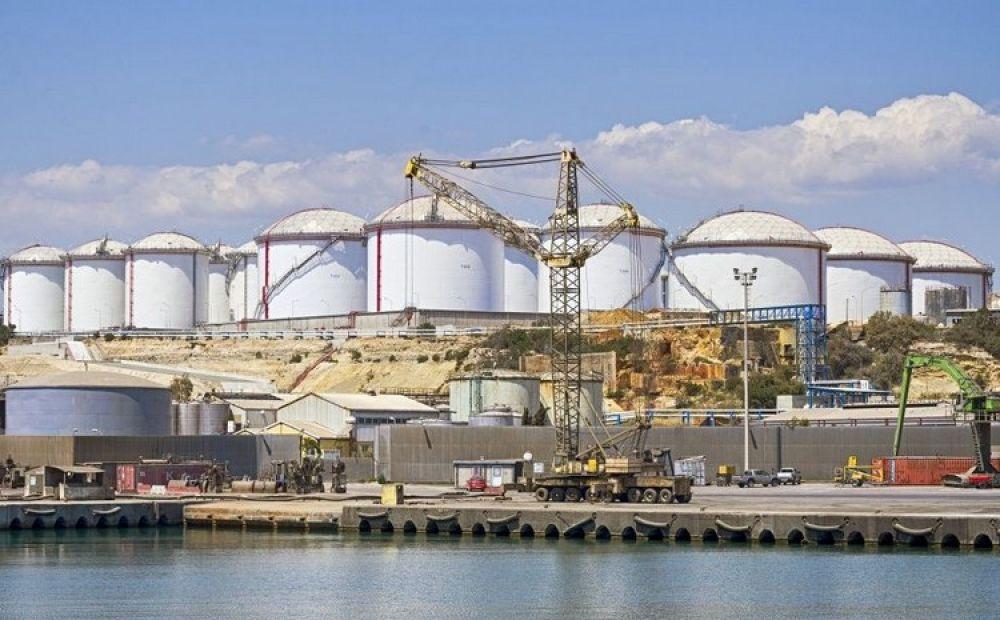
It should be noted that the initial estimated cost of the project was €500 million, but the final cost estimate reached €542 million.
The contractor's costs, initially €6 million, almost doubled as the project progressed to €11.5 million. A €25 million increase in the estimated cost of steel contributed to the additional cost increase. The construction works were estimated at €250 million and the twenty-year operation and maintenance costs would have been €210 million.
Financing for the project included a €101 million grant from the European Union, a €230 million loan from the EU and a €43 million financial contribution from the Electricity Company of Cyprus. However, the issue of subsidies hung in the balance as Brussels saw that the project was not progressing well and deadlines were not being met. Following the cancellation of the contract with the contractor, the situation deteriorated further.