
At the height of the summer season, the Cyprus Tax Department has launched a large-scale campaign of on-site business inspections across the island. As announced on Monday, July 20, by the department's Commissioner Sotiris Markides, particular attention is being given to tourist areas, where the influx of visitors and the volume of cash transactions increase significantly during the summer months.
Inspectors are checking compliance with tax legislation, the proper recording of sales, and adherence to mandatory cashless payment requirements. The authorities emphasize that the aim of the inspections is to strengthen tax compliance, ensure fair competition among businesses, and reduce the size of the shadow economy.
What Inspectors Are Checking
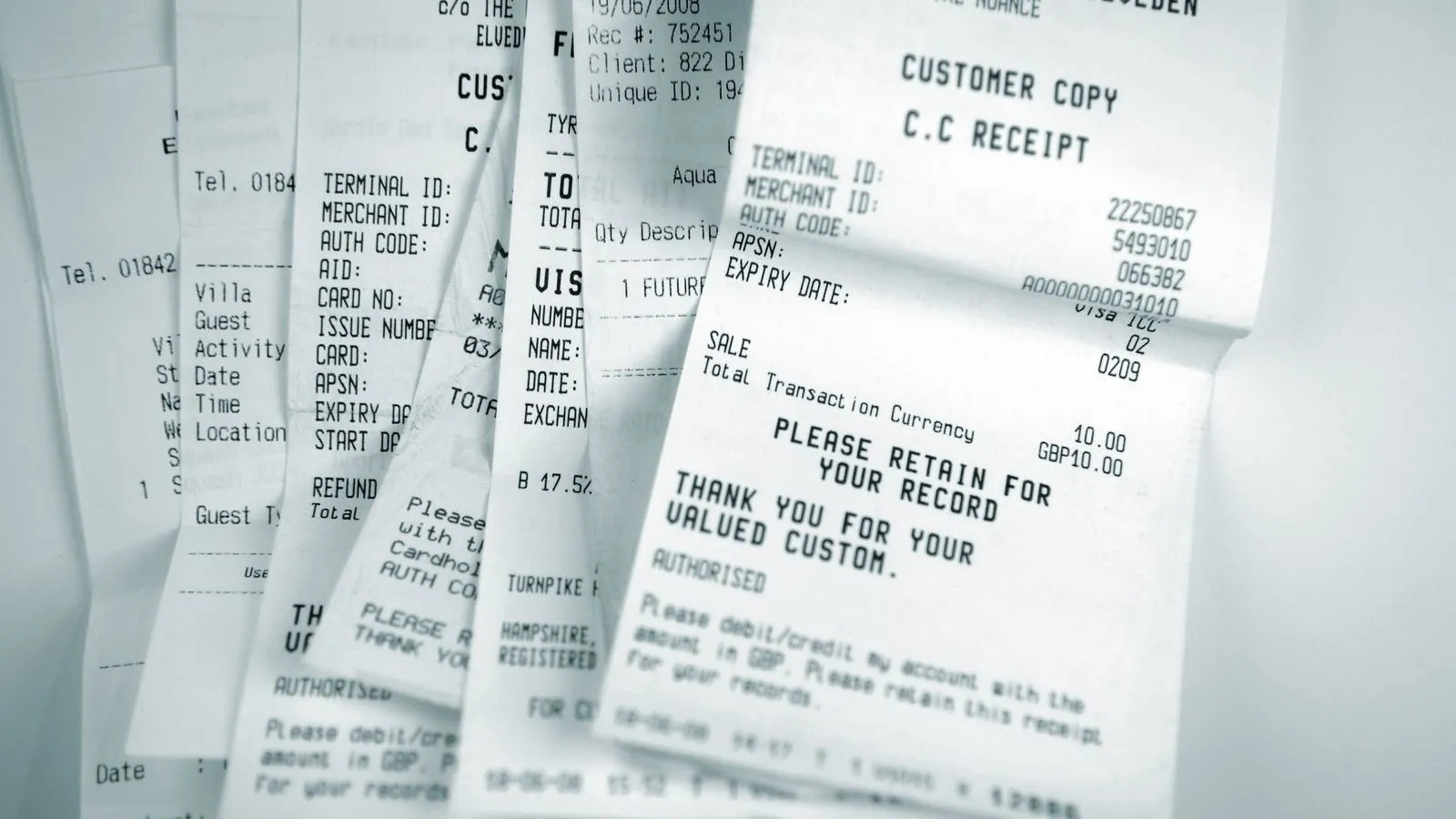
Inspections are taking place across all regions of Cyprus and may be carried out at any time of day. Over the coming weeks, the Tax Department plans to increase the number of inspections and expand the geographical scope of its enforcement campaign. During inspections, officials focus primarily on two mandatory requirements. The first is the issuance of receipts and invoices to customers in accordance with current legislation. The second is the availability of card payment facilities for customers.
According to Sotiris Markides, inspectors are required to carry out their duties professionally and respectfully, without disrupting business operations. Business owners and customers are encouraged to cooperate with inspectors if they are asked to confirm that a receipt has been issued or that card payment is available.
Why Refusing Card Payments Can Be Costly
The obligation to accept bank card payments has been in force in Cyprus since the summer of 2021. It was introduced by the Ministry of Finance under Article 30A of the Assessment and Collection of Taxes Law and applies to most retail and service businesses.
Initially, the maximum administrative fine for refusing to accept cashless payments was €2,000. However, Parliament later strengthened the penalties. Today, businesses that violate this requirement may face fines of up to €4,000. Over the past few years, the list of businesses required to accept bank cards has been expanded several times.
The requirement now applies to most shops, restaurants, cafés, hotels, service providers, and other commercial establishments. Exceptions remain only for certain types of businesses, including some manufacturing enterprises, utility providers, parts of the transport sector, and media organizations. The use of bank cards is considered one of the key measures in combating tax evasion, as cashless payments make financial transactions more transparent.
Why Inspections Have Been Intensified During the Summer
The summer months traditionally represent the busiest period for Cyprus's tourism industry. Resort towns experience a significant increase in visitors to beach bars, restaurants, taverns, equipment rental businesses, tour operators, and souvenir shops. As business turnover grows, so does the risk of tax violations. For this reason, the Tax Department conducts inspections during the peak tourist season, allowing inspectors to identify violations immediately rather than relying solely on accounting reviews after the season ends.
For both tourists and residents, this means that every purchase should be accompanied by a receipt. If a business that is legally required to accept bank cards refuses payment by claiming that its terminal is out of service or insists on cash only, the incident may be reported to the Tax Department. The authorities stress that compliance with these rules protects not only government revenue but also consumer rights by ensuring transparent transactions and strengthening confidence in Cyprus's tourism industry.