
Over the past two years, the problem of illegal short-term rental properties has intensified in Cyprus. This was recently stated by the Secretary General of the Association of Self-Catering Tourist Apartments, Konstantinos Karakondis. In particular, he said that his organization had filed 320 complaints with the Deputy Ministry of Tourism regarding illegally operating short-term rental properties. As a result, 81 cases were referred to court, as the owners of these premises failed to bring their activities into compliance with the Law.
According to Karakondis, the Association regularly receives information from the Deputy Ministry of Tourism on the progress of the complaints. Some owners obtain the required permits after official notifications, however in a number of cases the process reaches a dead end. In such situations, the matter is resolved exclusively through the courts. The situation is further complicated by the current legislation, which does not allow the Cyprus Deputy Ministry of Tourism to carry out on-site inspections, significantly limiting the possibilities for prompt enforcement.
Market scale and the role of the Association
The Association of Self-Catering Tourist Properties was established in Cyprus in 2019. Today it represents the interests of 300 companies managing approximately 6.5–7 thousand short-term rental properties. According to Karakondis, 99.9% of these apartments and villas have all the required licenses and operate legally.
At the same time, the total number of self-catering tourist properties in Cyprus is significantly higher. During the high season, from June to October, their number reaches 14–15 thousand, while in the winter period it is around 11–12 thousand. This means that a substantial part of the market remains outside official regulation.
Contribution of the short-term rental market to Cyprus tourism
The head of the Association also paid special attention to the role of the short-term rental market in the recovery and growth of the tourism sector. According to him, the tourism records recorded by Cyprus in recent years are largely linked to this accommodation format. Many travelers choose the island precisely because they have an alternative to traditional hotels.
Karakondis emphasized that self-catering properties do not isolate tourists within complexes. On the contrary, guests actively use local restaurants, shops, and services, directly supporting small businesses and regional economies.
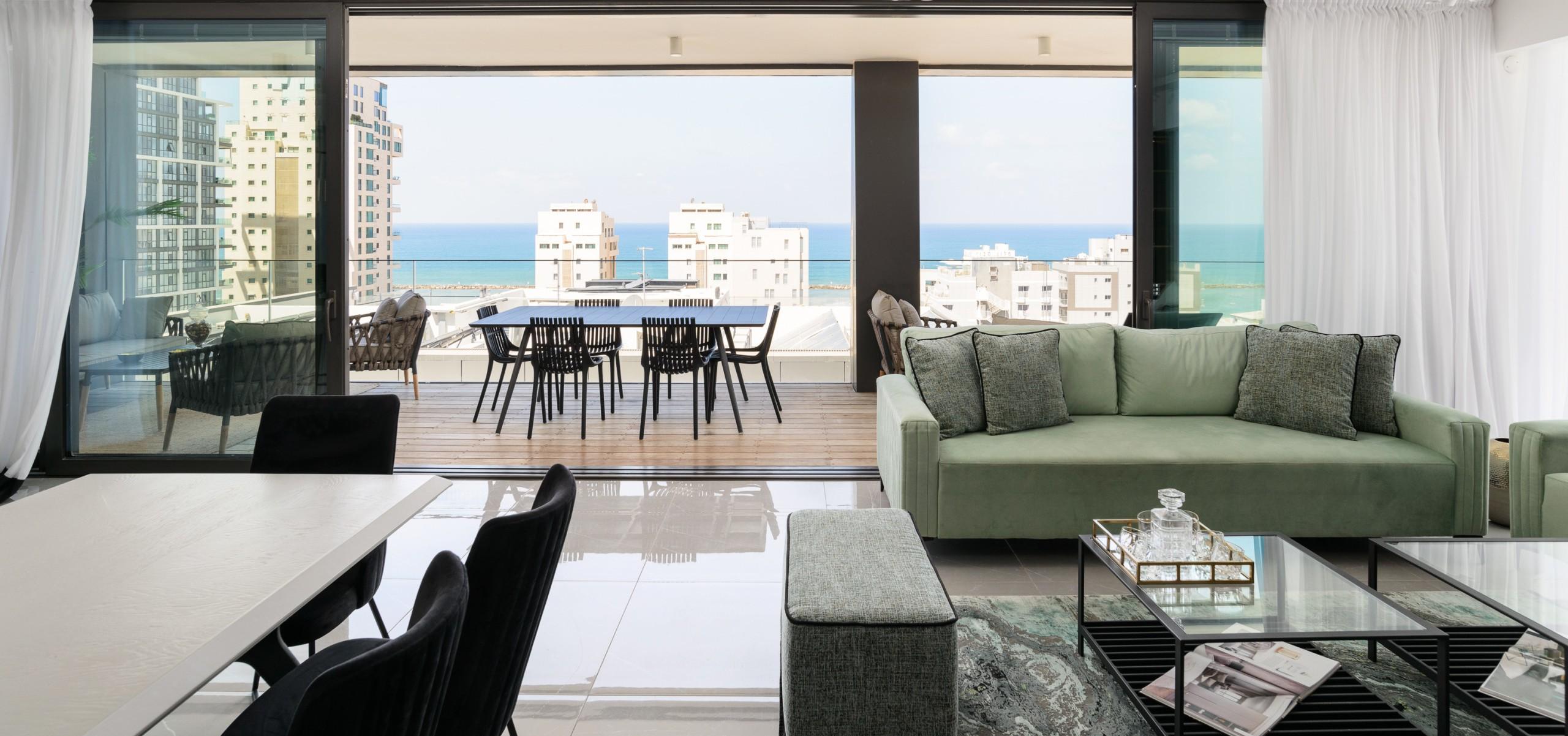
How many properties are officially registered
According to the Deputy Ministry of Tourism, 9,012 properties are currently registered in the official Register. In April 2025, the Ministry reminded that, in accordance with the Law “On the Regulation of the Establishment and Operation of Hotels and Tourist Accommodation,” advertising and renting out such properties is permitted only if they are registered, licensed, and have a registration number. This number must be indicated in advertisements, on booking platforms, and in all rental-related transactions.
Registration is carried out through the official website of the Cyprus Deputy Ministry of Tourism, where owners can submit an application and obtain a license electronically.
Fines and liability for illegal rentals
The law provides for strict sanctions for those who operate short-term rental properties without a license or after its revocation. Offenders face imprisonment for up to one year, a fine of up to 5,000 euros, or both penalties simultaneously. If illegal activity continues after a court verdict, an additional fine of up to 200 euros for each day of violation is provided.
Against the backdrop of 320 filed complaints and 81 court cases, the Association is once again raising the issue of the need to revise control rules, including the possibility of on-site inspections. Experts note that without stronger oversight, the fight against illegal short-term rentals in Cyprus will remain a difficult task, despite the obvious contribution of this segment to the development of tourism and the local economy.