
Cyprus' property market continues to face significant structural challenges. Despite strong demand from both local and international buyers, the construction of new residential developments is increasingly being delayed by lengthy planning and building permit procedures. According to industry representatives, bureaucratic delays have become one of the main obstacles to market growth and addressing the island's housing shortage.
Marinos Kineyirou, President of the Cyprus Real Estate Agents Registration Council, believes that the limited housing supply and the slow rollout of new developments continue to keep property prices high across the island. At the same time, demand remains strong, further widening the imbalance between the number of buyers and the available housing stock.
Permit Procedures Are Holding Back Investment
In recent years, Cyprus has attracted increasing numbers of international investors, but many projects continue to be delayed by lengthy administrative procedures. In addition to enhanced checks on bank transfers and the origin of investment funds, developers often face long waits for the necessary planning and building permits.
According to property market experts, the problem affects not only foreign investors. Cypriot developers, business owners, and private landowners encounter the same difficulties. As a result, many projects are delayed for months—or even years.
This directly limits the number of new homes entering the market. While applications remain under review, construction cannot begin, leaving thousands of potential homes on paper rather than becoming available to buyers. The issue is particularly acute in Limassol, Larnaca, and Paphos, which continue to attract foreign investors, property buyers, and professionals relocating to Cyprus for work and business.
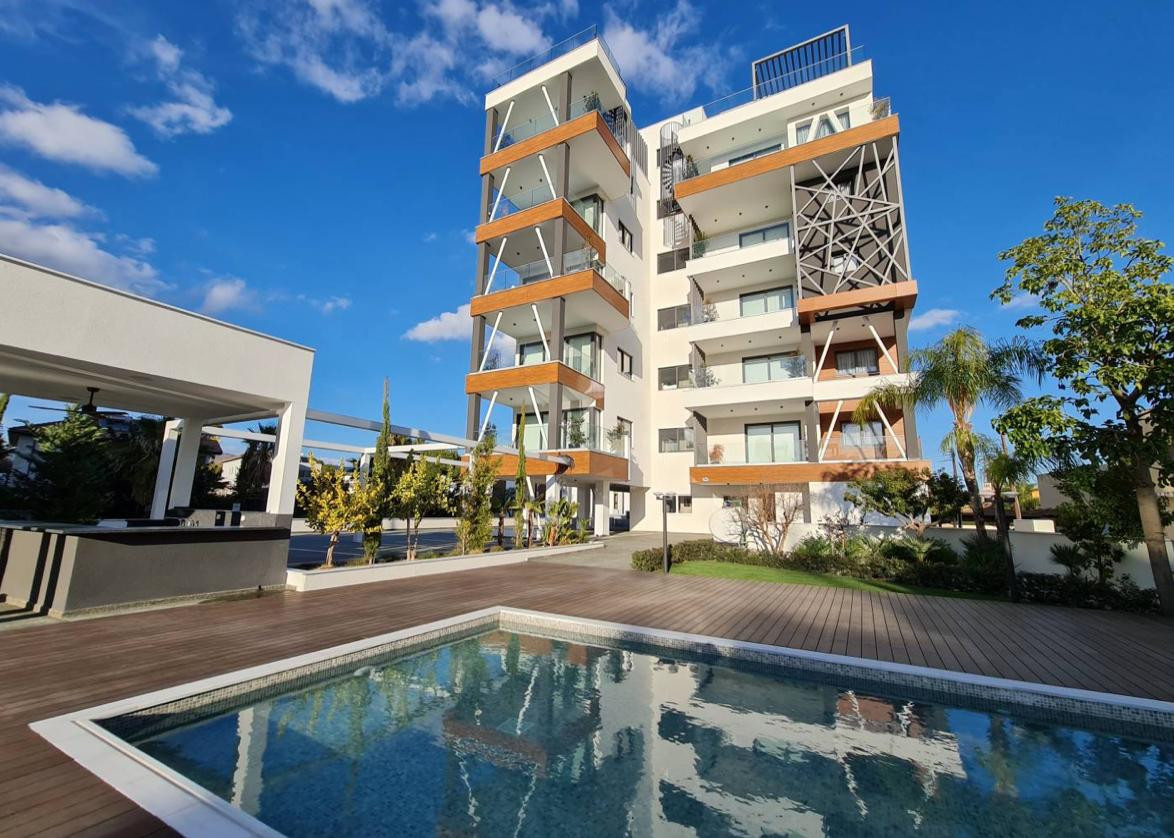
Why Housing Prices Remain High
Property market professionals stress that increasing housing supply remains the most effective way to stabilise prices. As long as too few new homes are being built, property values are likely to remain high regardless of fluctuations in demand.
According to the latest research by the Central Bank of Cyprus, apartment prices in several cities continue to rise faster than house prices. The strongest increases have been recorded in Larnaca and Limassol, where the pace of new construction has not been sufficient to meet market demand.
Economists also point out that rising construction costs continue to worsen the situation. Building materials, energy prices, and labour costs all remain above pre-crisis levels. In addition, the construction industry continues to face a shortage of skilled workers, further increasing project costs and extending construction timelines. Against this backdrop, experts agree that without faster permit approvals and increased construction activity, a meaningful decline in housing prices is unlikely in the near future.
Property Demand Remains Strong
Despite ongoing international uncertainty, Cyprus' property market continues to attract investors. The country remains popular thanks to its stable banking sector, European Union membership, favourable tax regime, and high quality of life. Buyers from Europe, the Middle East, and Asia continue to account for a significant share of demand. Mortgage financing also remains relatively affordable compared with the period of sharply rising interest rates seen during 2023–2024.
Demand is also being supported by international companies that continue to establish offices on the island and relocate foreign professionals to Cyprus. This is creating additional demand for both home purchases and long-term rentals. According to market analysts, the property market is likely to enter a period of stabilisation during 2026. Price growth may slow, although a significant decline in property values is not currently expected.
Given the continued high level of market activity, industry professionals remind buyers of the importance of carefully verifying every property transaction. For most families, purchasing a home represents one of the largest financial commitments they will ever make, making due diligence essential.
Professional organisations strongly recommend working only with licensed real estate agents and qualified legal advisers. Despite increased government oversight, unlicensed intermediaries continue to operate in parts of the market. According to industry experts, some buyers risk losing substantial amounts of money due to inadequate document checks, incorrectly drafted contracts, or dealing with individuals who are not legally authorised to operate in the property sector.
What Lies Ahead for Cyprus' Property Market?
Today, the Cyprus property market stands at a critical stage of its development. On one hand, strong demand from investors and buyers continues to support both the construction industry and the wider economy. On the other, housing shortages and administrative obstacles continue to limit future growth.
Experts believe that the next two years will be crucial for the sector. If the government succeeds in accelerating permit approvals and improving the efficiency of the planning system, the market will finally receive the additional housing supply it urgently needs.
In that scenario, pressure on prices is expected to ease gradually, giving buyers access to a wider range of properties. Until then, limited supply will remain the main factor keeping apartment and house prices at elevated levels across Cyprus.