
Housing affordability is rapidly becoming one of the most acute economic and social problems in Europe. Rising rental prices are affecting not only megacities but also relatively small markets such as Cyprus. Increasing rents affect families, young professionals, and companies competing for skilled talent. Today the issue goes beyond buying one's own home and directly concerns labor mobility, investment attractiveness, and long-term economic development.
Cyprus: is simply building more housing enough?
In Cyprus, the public discussion most often comes down to the obvious solution — increasing construction volumes. However, international practice shows that growth in new housing alone does not guarantee stabilization of the rental market. A significant share of new projects is aimed at sales, investment, or short-term rentals through digital platforms, which limits their contribution to the long-term supply of affordable housing.
The situation in the Cypriot real estate market in recent years has been characterized by active construction, especially in Limassol and Paphos, where demand from foreign investors and relocating professionals remains high. This keeps prices at a high level and reduces rental affordability for local residents. Despite the relatively low level of housing overcrowding, there is high underutilization of properties, which indicates a mismatch between the existing housing stock and the real demographic and labor needs of the country.
Build-to-Rent as a possible solution for Cyprus
In many European countries, the Build-to-Rent model is gaining popularity, which involves constructing properties specifically for long-term rental. Unlike traditional development, such projects are not sold as individual apartments but remain under unified ownership and are managed by professional companies. The main emphasis is on stability for tenants, transparent pricing policy, and quality service.
This model has long been established in the United States and is actively used in Germany, the Netherlands, and Denmark, where renting is perceived as a full-fledged and socially acceptable form of living. In the United Kingdom, the Build-to-Rent segment has significantly expanded in cities such as Manchester and London, where managed rental complexes have become a noticeable part of the housing stock.
For Cyprus, it is important not simply to copy foreign experience but to adapt it to local realities. Strengthening the long-term rental sector can become a sustainable element of housing policy if supported by transparent regulation, tax incentives, and standards of professional management.
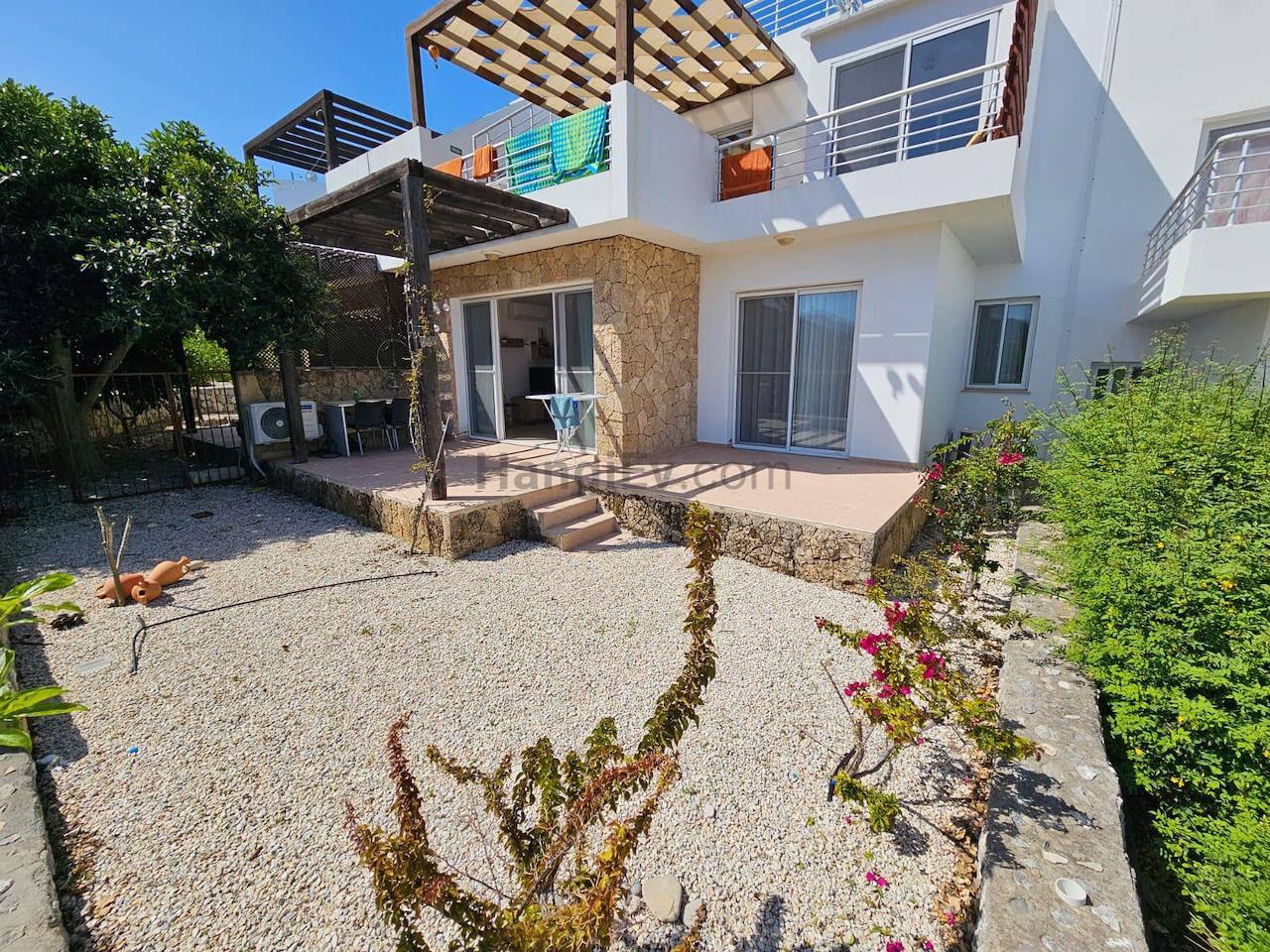
Structural shortage of rental housing on the island
Build-to-Rent will not replace the traditional real estate market, but it can close a systemic gap — the shortage of large-scale, professionally managed rental housing available on a permanent basis. The housing rental market in Cyprus still remains largely fragmented and dependent on private owners, which makes prices less predictable and increases risks for tenants.
In conditions of rising living costs and increasing competition for specialists in technology, finance, and tourism, a stable rental market becomes a strategic factor of economic development. Cyprus, positioning itself as a regional business hub of the Eastern Mediterranean, is interested in creating a sustainable housing environment capable of attracting and retaining human capital.
Thus, the key question for Cyprus concerns not only the number of square meters built but also the quality of the supply structure. The development of long-term rental housing, the introduction of the Build-to-Rent model, and modernization of market regulation may become important steps toward solving the housing affordability problem and strengthening the country’s economic stability.