
On Thursday, April 23, the Cabinet of Ministers approved a new refugee law that will become a key element in preparing for the implementation of EU-wide rules. Starting June 12, 2026, the updated EU migration package will come into force, and Cyprus aims to fully comply with these requirements before the deadline.
The adopted law aligns national legislation with European standards and grants the country access to significant funding. Approximately €190 million will be allocated to modernize the system for receiving and processing asylum applications.
How the application review system will change
The new model for handling asylum seekers in Cyprus will become more structured and technologically advanced. The main focus is on accelerating procedures and increasing transparency.
Applications will be processed in specialized reception centers located at the borders. Authorities will be able to prioritize cases and apply accelerated procedures depending on the applicant’s category and situation.
The format of interaction with migrants is also changing significantly. Communication will move to a digital environment, and all interviews will now be recorded using audio. This will improve oversight and reduce the risk of disputes.
At the same time, applicants will receive stronger legal guarantees. Free legal assistance will be available at an early stage, and an independent monitoring mechanism will enhance the protection of individuals during the review of their cases.
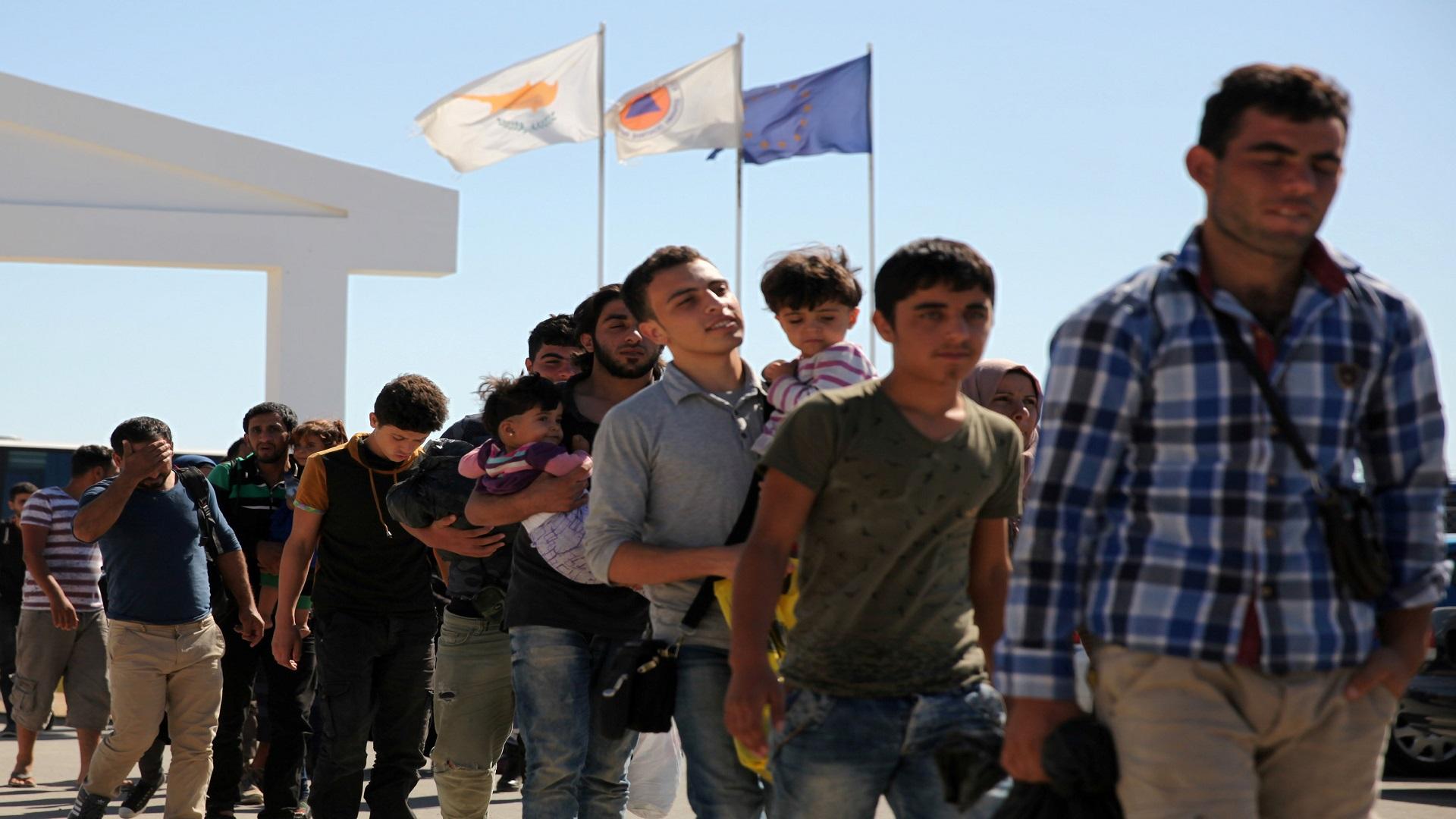
New conditions for living and integration
The law also regulates the living conditions of asylum seekers on the island. One of the key changes is access to the labor market six months after submitting an application. This measure aims to reduce social pressure and accelerate integration.
Special attention is given to vulnerable groups, including minors. The rules for family reunification have been clarified, including cases where family ties are established after arrival in Cyprus.
Why Cyprus faces migration pressure
According to the European Commission, Cyprus is among the countries experiencing increased migration pressure. Alongside Greece, Italy, and Spain, it participates in the EU’s burden-sharing system.
This means that other EU countries must either accept a share of asylum seekers or compensate their refusal through financial contributions. For Cyprus, this status provides additional resources and support from EU partners.
Funding and infrastructure
The funds allocated by the European Union will be used to build modern infrastructure. Plans include the development of new reception centers, improved data processing systems, and strengthened border control. Additionally, under the EU solidarity mechanism for 2026, measures are предусмотрены for redistributing thousands of applicants among member states or providing alternative financial support. Cyprus acts as a recipient of assistance within this system, highlighting its special position.
By the time the new rules come into effect, Nicosia expects to complete the full system upgrade, including not only the construction and modernization of facilities but also the implementation of a complete application processing cycle—from initial screening to final decision.
The reform is already considered one of the most significant developments in Cyprus’s migration policy in recent years. It is expected to improve the efficiency of handling migration flows while aligning the system with European standards—especially important amid growing pressure on EU borders.