
The issue of Cyprus joining the Schengen Area has moved to a new political level. Following a meeting between Nikos Christodoulides and President of the European Council António Costa on 4 September 2026, the Cypriot leader said he expects a political decision on the country’s application “as soon as possible”.
The European Commission has already completed its technical assessment of Cyprus’s readiness and issued a positive evaluation. In July 2026, the Commission said that the review, based on an assessment carried out in December 2025, confirmed Cyprus’s technical readiness to move forward with the process. The report is expected to be submitted to the Council of the EU in September.
The key stage now is a political decision by the member states. If approved, Cyprus will be able to move towards full participation in the Schengen Area.
What joining Schengen would mean for Cyprus
Cyprus remains the only EU member state that has not yet fully joined the Schengen Area. Bulgaria and Romania joined Schengen on 1 January 2025, after which the issue of Cyprus became particularly prominent on the European agenda. Ireland has a separate status and retains the right not to participate fully in the Schengen Area.
Today, Schengen comprises 29 countries — 25 EU member states and 4 non-EU countries. Around 450 million people live within the free-movement area. More than 3.5 million people cross internal borders every day for work, study, tourism or family visits. Around 1.25 billion journeys are made within the Schengen Area each year.
For Cyprus, the removal of regular internal border checks with other Schengen countries would primarily make travel easier. This is particularly important for the tourism sector: the island could become a more convenient destination for travellers planning trips to several European countries at once.
Hotels, restaurants, shops, transport companies and other tourism-related businesses could also potentially benefit. Easier movement could encourage multi-country trips and make Cyprus more attractive to European tourists.
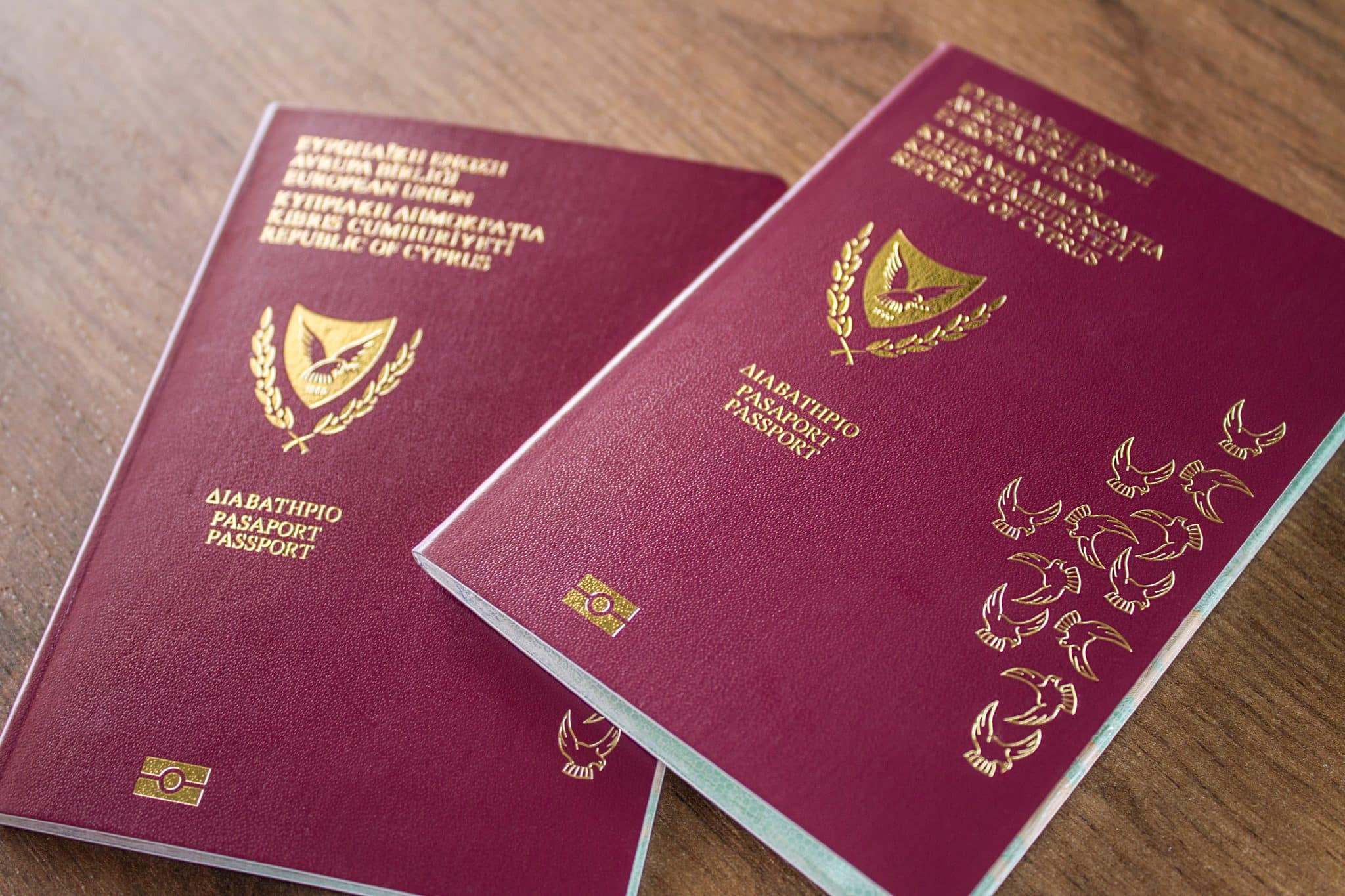
Investment, property and business: where an impact is expected
The potential benefits of Schengen are not limited to tourism. For Cyprus, which is developing its position as a regional centre for professional services, finance, technology and international business, freer movement of people could become an additional competitive advantage. Business travel between Cyprus and Schengen countries would become easier, making it more convenient for entrepreneurs and professionals to meet clients and partners, attend conferences and develop international projects.
The possible impact could also extend to the Cyprus property market. Greater mobility among foreign professionals, entrepreneurs and investors could potentially support demand for residential and commercial property, particularly in areas already popular with international buyers.
However, there is also a downside: if demand increases significantly, this could place additional upward pressure on property prices and make housing less affordable for local residents.
Potential changes could also affect education and the technology sector. Cyprus could become more attractive to international students, start-ups and professionals, while local companies would find it easier to participate in European events and seek investors and partners. At the same time, joining Schengen would not mean the abolition of customs controls on goods. The Schengen Area and the EU Customs Union are separate systems. The main economic effect for businesses would be linked to freer movement of people and lower administrative barriers for business travel.
The main issue is security and the Green Line
Cyprus’s accession to Schengen will require not only a political decision but also further improvements to border infrastructure, information systems and security mechanisms. Cyprus has the particular challenge of the Green Line, which separates the areas controlled by the Republic of Cyprus from the occupied northern part of the island. This gives the implementation of Schengen rules in Cyprus an additional layer of complexity.
The European Commission continues to monitor the situation regarding the Green Line separately. According to its 2025 report, a record 7.79 million crossings were registered through authorised crossing points, while the number of irregular crossings fell to 2,433. One of the key questions therefore remains how the new external-border rules and Schengen digital systems will interact with the existing Green Line crossing regime.
The Turkish Cypriot side has also previously stressed the need to take the interests of Turkish Cypriots into account during Cyprus’s accession process, particularly with regard to freedom of movement. At the same time, Cyprus will need to integrate into EU-wide security mechanisms, including the Schengen Information System (SIS). In recent years, the system has been strengthened with additional information-sharing capabilities and biometric tools. In parallel, the EU is introducing new digital mechanisms for managing external borders, including the Entry/Exit System (EES) and ETIAS.
What happens next
The European Commission’s positive technical assessment marked an important stage for Cyprus. However, it does not mean automatic accession to Schengen. The final decision remains with the Council of the EU. Following his meeting with Costa, Christodoulides made it clear that the government wants to secure a political decision as soon as possible. If the member states support accession, it would represent one of the most significant changes in Cyprus’s relationship with the wider European area in recent years.
For the island, the potential impact could be felt across several sectors at once — from tourism and aviation to investment, property, education and international business. However, the final timetable for accession will depend on the decision of the Council of the EU and the completion of all necessary procedures.