
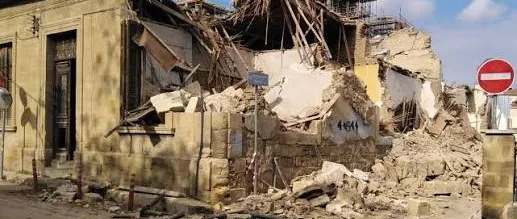
Dilapidated buildings, abandoned structures, and challenges related to the restoration of historic buildings are becoming a serious problem for Cyprus. Marinos Kinigiru, head of the Council for the Registration of Real Estate Agents, warned that the authorities must take action before another tragedy occurs.
He cited the collapse of a residential building in Limassol, which resulted in fatalities, as an example. He stated that Cyprus should not wait for new incidents to occur but should identify and eliminate hazardous situations in advance.
Three Types of Buildings That Pose a Danger
According to Kinigiru, the problem is not limited to safety: abandoned buildings detract from the appearance of cities, reduce the attractiveness of neighborhoods, and can negatively impact the value of neighboring properties. He identified three categories of buildings that pose a danger to residents and passersby:
Abandoned private homes. Some owners go for years without deciding whether to repair, sell, or renovate their properties. As a result, the buildings gradually fall into disrepair and become dangerous to those around them. Such structures are found not only in old city neighborhoods but also in tourist areas. Sometimes the authorities limit themselves to posting a “Dangerous Building” sign. However, a warning sign alone does not prevent collapse or protect passersby.
Dangerous buildings where people continue to live. Kinegiru considers this category the most dangerous. In some buildings, structural damage is already visible, but the owners do not carry out the necessary repairs and continue to rent out the apartments. In some cases, these units are offered to tourists for short-term stays.
Historic buildings under protection. The restoration of such properties is complicated by the need to obtain approvals from the Department of Antiquities and the Land Conservation Division. According to Kinegiru, the permit process can be so protracted that buildings fall into disrepair before restoration can begin. At the same time, existing financial incentives are not always sufficient to make restoration economically viable for investors.
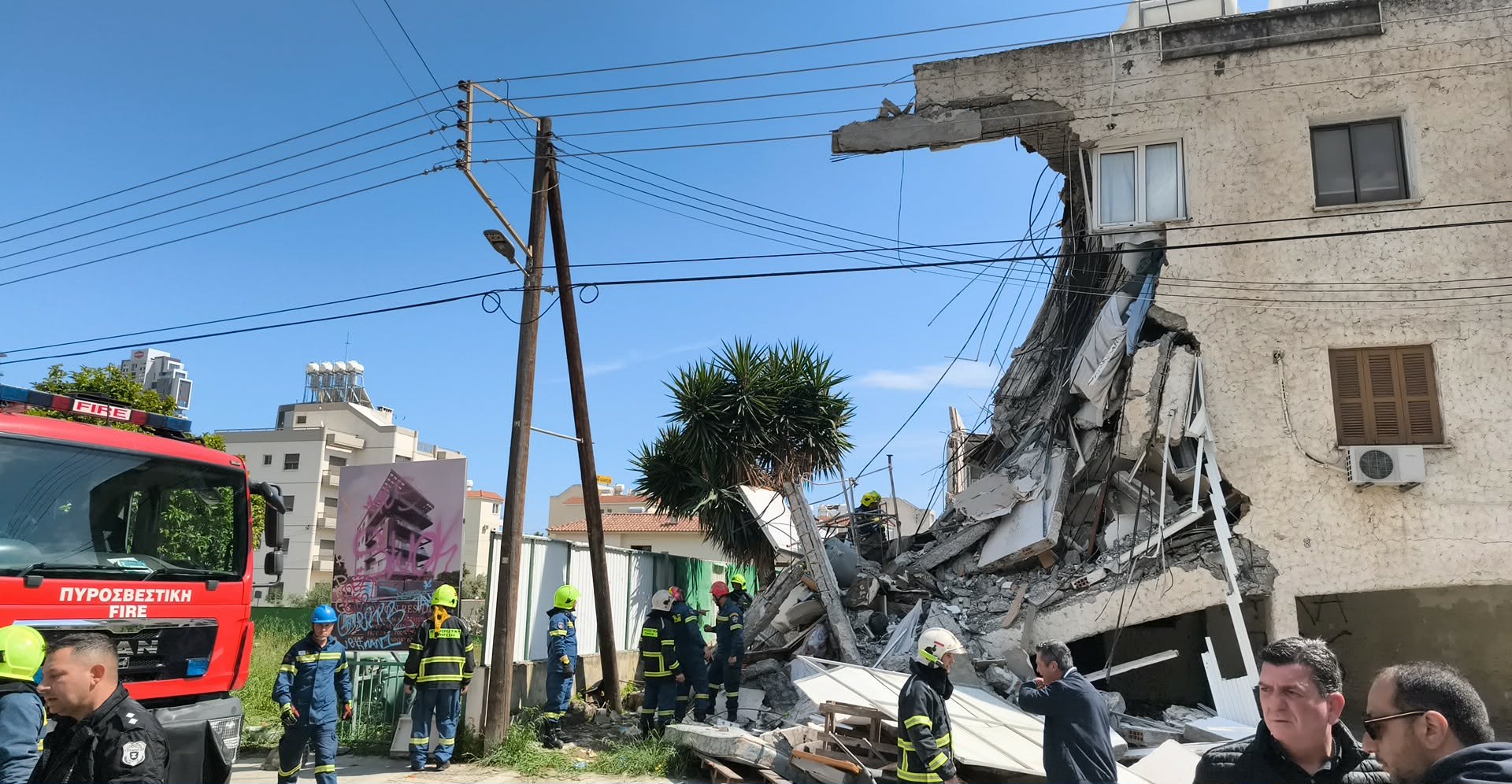
How do dangerous buildings affect the real estate market?
According to Kinegiru, abandoned and dilapidated buildings exacerbate Cyprus’s housing problem: the market needs safe housing, but some properties are gradually falling into disrepair.
Furthermore, neglected buildings detract from the appearance of streets and entire neighborhoods. This can reduce the appeal of neighboring homes to buyers, tenants, and investors, as well as negatively impact property values.
He noted that owning real estate entails not only rights but also responsibility for its condition.
The issue of building safety is already a priority for Cypriot authorities. In particular, the Limassol Local Government Organization (EOA) noted that owners and management committees of apartment buildings are responsible for the technical condition and safety of their properties. Owners are advised to arrange inspections by qualified professionals, especially if cracks have appeared in the buildings, concrete or plaster is peeling, or corrosion of the rebar is visible.
Limassol residents can also report dangerous or illegal structures to the relevant EOA department via email: epivoli@eoalemesos.org.cy.
In August 2026, a bill was introduced to update the regulations governing potentially hazardous and structurally unsound buildings. Among the proposed measures are expanded powers for local authorities, additional obligations for property owners, and stricter penalties for noncompliance. At the time of publication, this is still a legislative initiative and not yet a law in force.
The main question raised by Kinegiru is whether Cyprus will be able to move from warnings and formal procedures to the timely repair and restoration of dangerous buildings, without waiting for another tragedy to occur.