
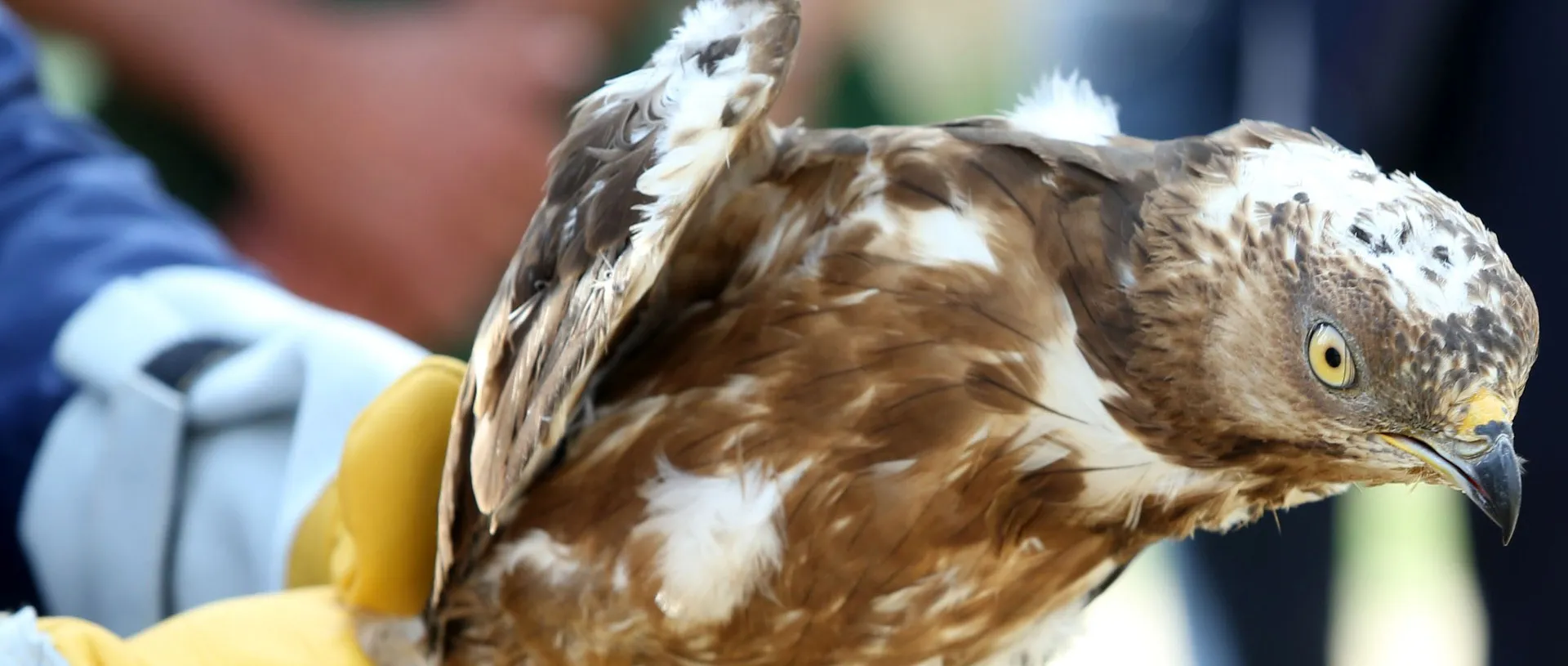
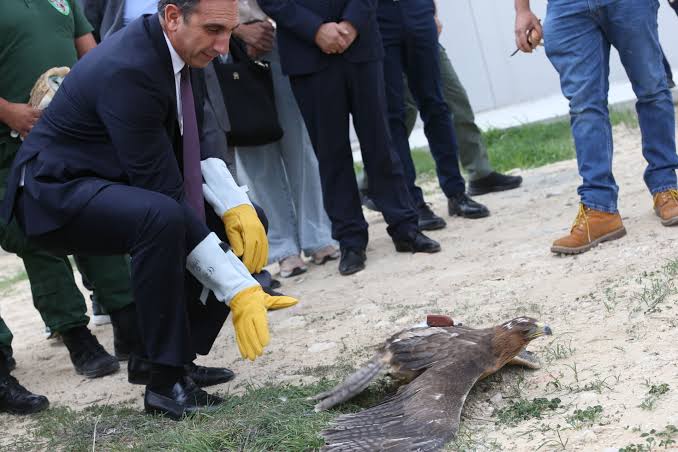
A new Wildlife Rescue and Rehabilitation Center has opened in Cyprus. It is located in the Geri district of Nicosia. The opening ceremony took place on Friday, November 6. Minister of the Interior Konstantinos Ioannou attended the ceremony.
The new facility was created to help wild animals that have been injured, fallen ill, or been orphaned. The specialists’ main goal is to treat and rehabilitate the animals and then, if possible, return them to their natural habitat.
The center was built on government-owned land. It will replace the old facilities in the Atalassa area, which have been in operation since 1995 and have taken in hundreds of wild birds and mouflons during that time. The new infrastructure will significantly improve the conditions for housing and treating the animals.
Which Animals Will Be Able to Receive Care
The center will pay special attention to rare and endangered species, including vultures. Their conservation remains one of Cyprus’s key environmental priorities.
The new complex features separate enclosures for different groups of animals. The infrastructure includes:
10 enclosures for waterfowl and land birds;
14 enclosures for birds of prey;
4 enclosures for invasive mammals;
6 enclosures for invasive birds;
special enclosures for large birds of prey and vultures;
work areas for staff and necessary storage areas.
Animals will be brought to the center with the assistance of relevant government agencies, organizations, and citizens. Here, they will receive the necessary care and veterinary treatment. Once they have recovered, specialists will assess whether it is safe to release the animals back into the wild. The Cyprus Game and Fauna Service is responsible for the center’s operations.
How much did the project cost, and what’s next?
The total construction budget amounted to 720,000 euros. The project was implemented as part of the EU’s “ΘΑλΕΙΑ 2021–2027” program.
The new center will do more than just treat animals. It also plans to educate residents about wildlife conservation, raise environmental awareness, and advance scientific knowledge about the species inhabiting Cyprus.
A second phase of development for the complex is planned for the future. Specifically, there are plans to create a 200-square-meter visitor center with special enclosures. These will allow visitors to observe birds without disturbing them with their presence.
The center’s opening is part of a broader effort to conserve Cyprus’s biodiversity. Modern facilities for the treatment and rehabilitation of wild animals should improve their chances of being returned to their natural habitats.