
Starting from June 1, 2026, Cyprus will begin large-scale inspections of residential and commercial solar power systems. The Distribution System Operator (DSO), which operates under the Electricity Authority of Cyprus, has announced the launch of a campaign aimed at identifying illegal grid connections and installations operating above their approved capacity limits.
Authorities warn that systems not complying with issued permits will be immediately disconnected from the grid. The move is driven not only by the growing pressure on the island’s power system but also by increasing problems affecting owners of fully legal solar installations. During spring 2026, some household systems were disconnected by operators up to 17 times per month due to grid overload and generation imbalances.
Which Solar Installations Will Be Inspected
Both commercial and private properties will be subject to inspections. According to energy authorities, companies and industrial enterprises are increasingly connecting grid-tied solar stations without official approval in an attempt to reduce electricity costs through self-generation.
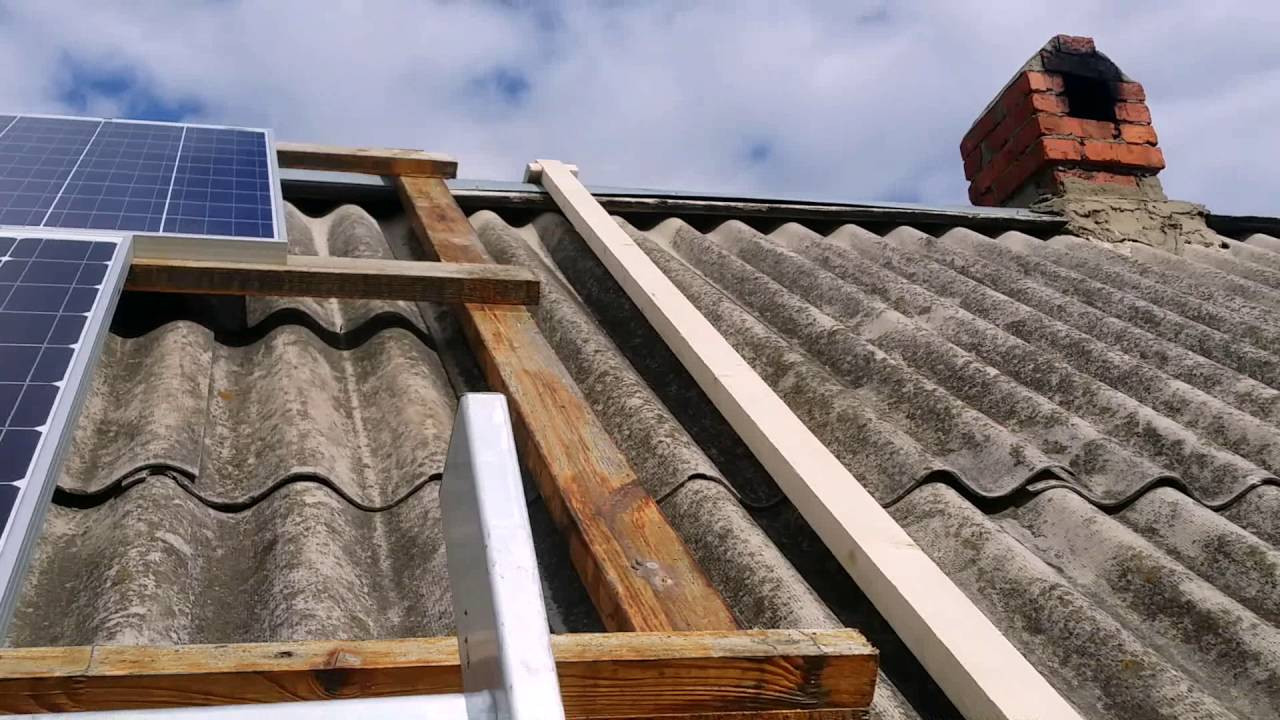
A separate issue involves private homes where owners initially receive approval for standard installations of up to 5 kW but later independently add extra panels, effectively increasing generation capacity without notifying the operator.
The EAC emphasizes that such actions create serious risks for the stability of the entire energy system. Unregistered generation capacity disrupts load forecasting, destabilizes voltage balance, and complicates network management during peak solar production hours.
Why Even Law-Abiding Solar Owners Are Suffering
Cyprus’s energy system remains isolated from European electricity networks, meaning the island cannot export excess electricity to neighboring countries. This makes the issue particularly sensitive. During sunny hours, renewable energy production frequently exceeds domestic demand. According to energy authorities, solar generation exceeded 1,000 megawatts during certain periods, while domestic demand stood at around 450 megawatts.
To avoid emergency situations, the grid operator is forced to temporarily disconnect groups of household solar systems, including fully legal installations. The more unregistered solar capacity exists within the network, the more frequently such shutdowns occur. In spring 2026, restrictions affected dozens of residential photovoltaic groups across the island. For many owners, this came as a surprise, as their systems stopped exporting electricity to the grid despite functioning perfectly.
What Violators Will Face
As part of the new campaign, the DSO will gain the authority to immediately disconnect installations violating licensing conditions. Compliance certificates will be revoked, while inspection and technical verification costs will be charged to property owners. Information about violations will also be transferred to the Cyprus Energy Regulatory Authority and the Department of Electromechanical Services, which may impose additional sanctions and fines. In certain cases, inspection materials may even be forwarded to the police, especially when unauthorized interference with electrical infrastructure is involved.
Why Cyprus Was Unprepared for the Solar Boom
Over recent years, Cyprus has become one of the EU leaders in the installation rate of residential solar panels. High electricity prices and government subsidy programs have fueled a genuine boom in photovoltaic systems.
However, power grid infrastructure has developed far more slowly. One of the key projects was supposed to be the large-scale installation of “smart” electricity meters capable of monitoring network loads and detecting abnormal consumption in real time. According to government plans, approximately 250,000 such devices were expected to be installed across the island by mid-2026, but the project has experienced significant delays. Experts warn that without grid modernization and the introduction of energy storage systems, overload problems will continue to worsen.
Cyprus’s Energy System Has Already Experienced Serious Failures
The vulnerability of the island’s energy system became especially clear during the major blackout on May 14, 2026. Due to a failure at the Vasilikos power station combined with a simultaneous drop in renewable energy generation, several areas of Cyprus were left without electricity for approximately 40 minutes.
Following the incident, authorities accelerated discussions about reforms in the energy sector, including the construction of energy storage facilities, modernization of electrical networks, and the possible connection of Cyprus to the European energy grid through the Great Sea Interconnector project. Against this backdrop, owners of solar panels are being advised to verify whether their systems comply with approved capacity limits and, if necessary, officially apply for increased capacity before the start of mass inspections.