
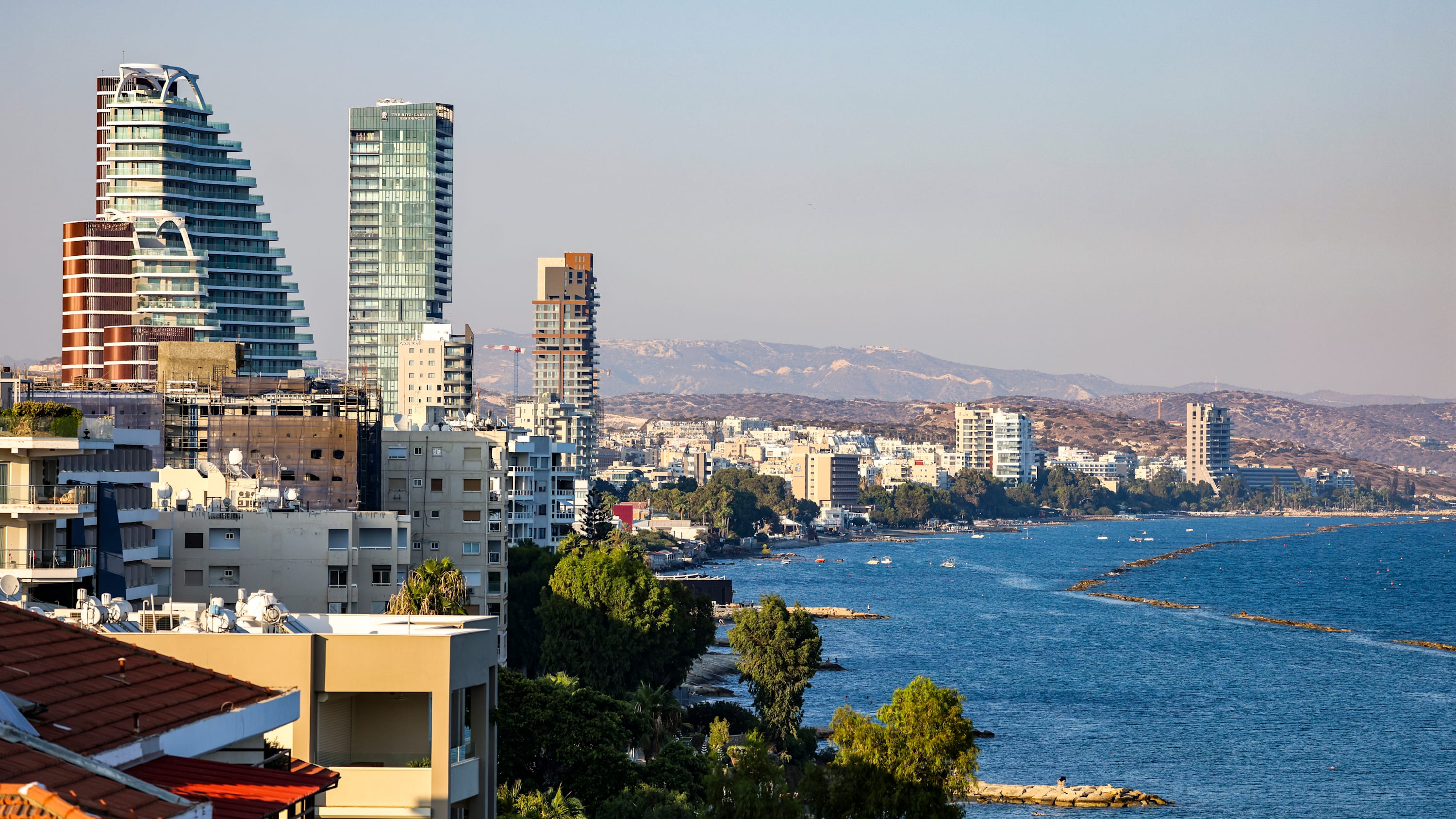
Cyprus in summer and Cyprus after the tourist season can feel like two completely different islands. In fact, the real Cyprus often becomes more visible in winter, when most tourists leave and the island is left to locals, expats, and people who enjoy a slower pace of life. For introverts, this can be an especially good time: beaches and resort towns become quieter, parties give way to long walks and evenings with a book. Below, we explain how Cypriot cities change after the high season, how much rent usually costs, and how to choose the right place for a winter stay.
When does the high season end in Cyprus?
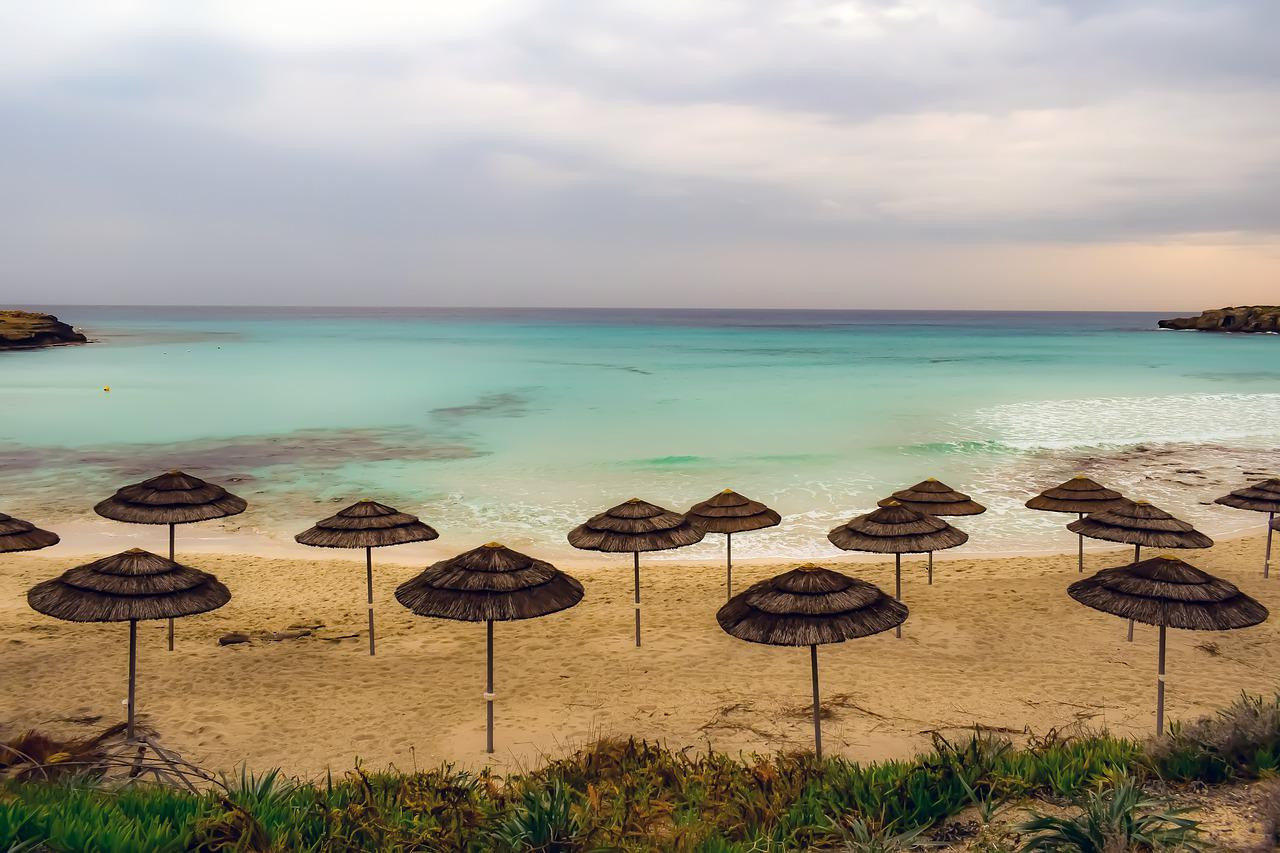
Cyprus is especially pleasant in September and October: daytime temperatures can still feel like summer, while evenings become cooler and more comfortable. Tourists gradually begin to leave, and by around late October or early November the high season is generally over. From November onward, streets become noticeably quieter. Many hotels, bars, clubs, and restaurants close until spring, while others switch to shorter opening hours. The sea cools down and swimming becomes less appealing, but the beaches become peaceful. Walking, sightseeing, enjoying nature, attending cultural events, and hiking in the mountains all become much more pleasant. The changes are most noticeable in resort destinations such as Larnaca, Paphos, and Ayia Napa.
Coastal cities slow down with the arrival of fall, and some cafes, small shops, and taverns close. Nicosia and Limassol, however, generally continue operating at roughly the same pace as they do in summer.
How rental prices change
Renting in Cyprus after the high season is a story of its own. In summer, resort areas are packed and apartments can be rented within days. In the fall, landlords often become more flexible.
Some lower the price, while others offer discounts simply to avoid leaving a property empty. As a result, finding longer-term housing in resort towns is often noticeably easier in winter.
Long-term and short-term rentals
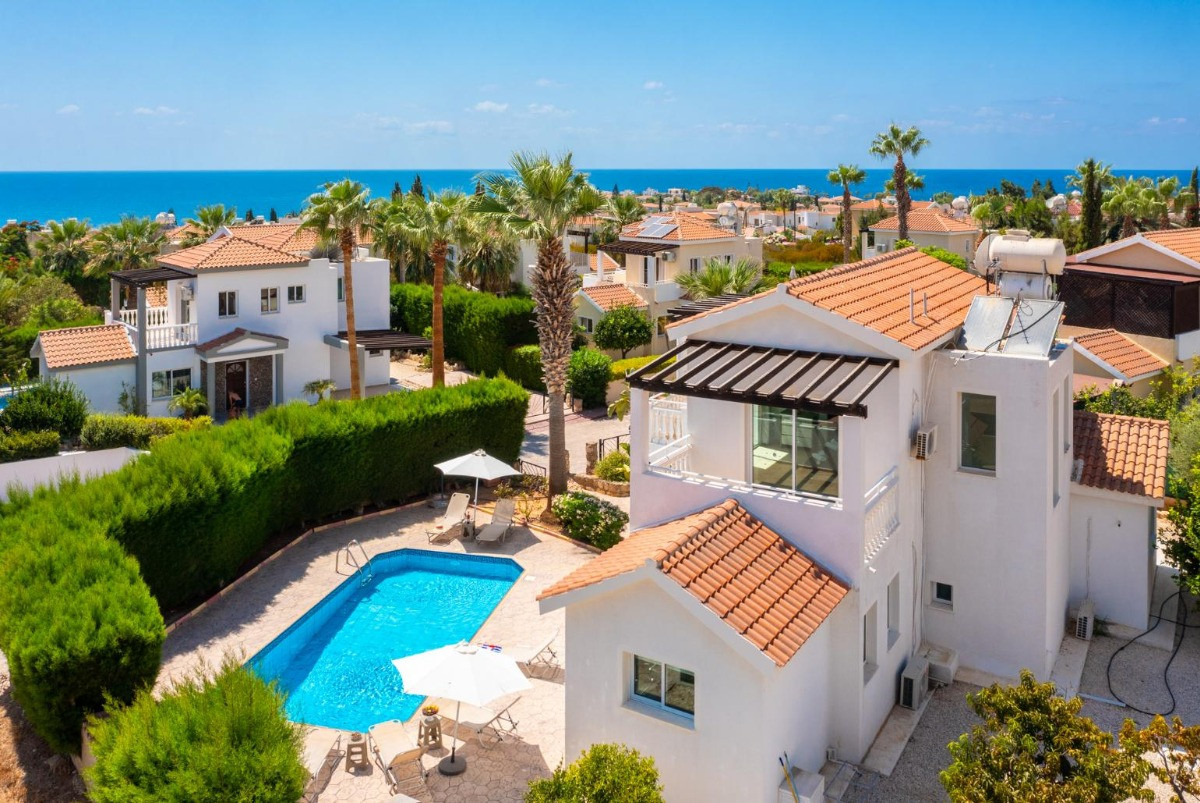
Short-term rentals include apartments, vacation homes, and villas rented to tourists for a few days or weeks. Prices rise significantly in summer, especially near the sea. Once the season ends, landlords sometimes reduce rates, offer discounts for longer stays, or are happy to secure a tenant for the entire winter. Properties with sea views, pools, or especially good locations, however, usually hold their value better.
The long-term rental market works differently. These homes are rented by people who live on the island permanently or stay for extended periods. Prices are driven by demand from locals, expats, and families, not just tourists. Good deals sometimes appear in the fall, but in larger cities renters should not expect prices to fall sharply.
According to RICS and KPMG, rental rates in Cyprus were still rising year over year in the first quarter of 2026. So a quieter tourist season does not necessarily mean the overall rental market is becoming cheaper.
Where seasonal price drops are most noticeable
Ayia Napa and Protaras
These resort towns depend heavily on tourism. During the high season, rents can double or even triple. Once the season ends, many owners are left without guests, and some become willing to rent their properties for the winter.
As a result, prices can fall by 40–60%. For example, a one-bedroom apartment that costs €1,000–1,800 per month in summer may typically rent for around €600–1,200 in winter.
Paphos
In Paphos, tourist accommodation prices also change with the seasons, especially in coastal areas and developments with swimming pools. However, the city is popular with expats year-round, so winter demand does not fall as sharply and discounts are not available on every property. During the low season, prices are usually around 30–40% lower.
In summer, a one-bedroom apartment typically costs around €1,400–2,500 per month, while in winter the price is usually around €1,000–1,500.
Larnaca
Tourists and local residents live side by side here. In coastal areas, seasonal rentals are often more affordable in fall and winter, while prices in residential neighborhoods are driven mainly by long-term demand. On average, rents may fall by around 37%. A one-bedroom apartment typically costs €1,200–1,900 per month in summer and €750–1,200 in the low season.
Limassol
Limassol is a major business hub with steady demand from working residents and international companies. For this reason, the end of summer does not always have much impact on long-term rents. Discounts can still appear on individual properties, especially when owners want to secure a long-term tenant. On average, a one-bedroom apartment costs around €1,400–2,200 per month in summer and €1,200–1,800 in winter. In other words, winter prices in Limassol may be around 14% lower than summer rates.
Nicosia
The capital does not depend on beach tourism, so seasonal differences are much less pronounced. Demand mainly comes from working expats, students, and permanent residents. This can lead to a somewhat unexpected pattern: summer rents may even be lower than winter rents. A furnished one-bedroom apartment can cost around €900–1,500 per month in summer, while in winter a similar property may cost around €1,000–1,600, a difference of roughly 7–11%.
What happens to cafes, shops, and services after the season?
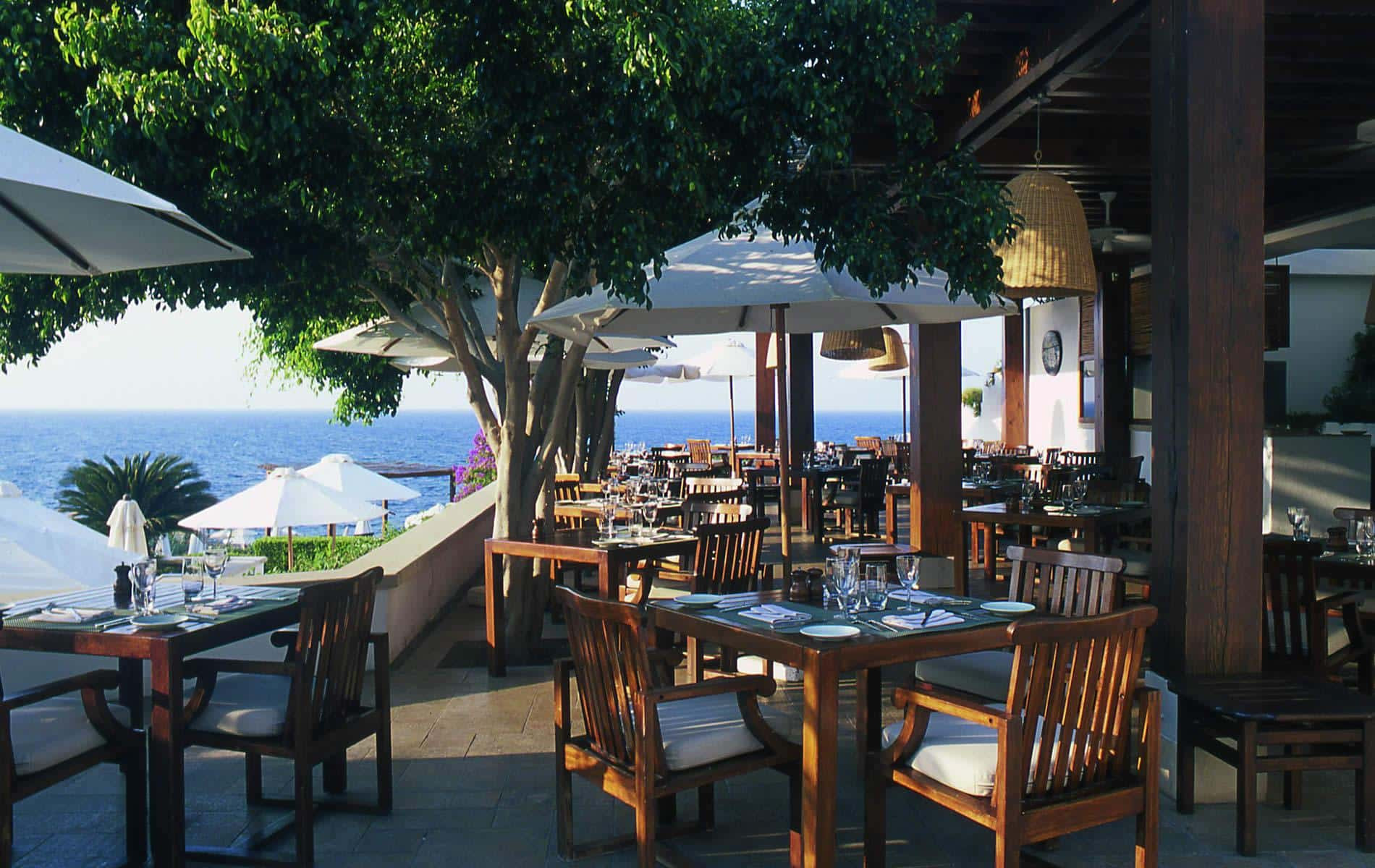
After the high season, Cyprus shifts from a faster pace of life to a more relaxed one. In resort areas, cafes and restaurants may operate on reduced schedules, while some shops and excursion companies close until spring. This is most noticeable in places where businesses depend almost entirely on tourists.
Of course, life in Cyprus does not completely stop in fall and winter. There are simply fewer entertainment options in resort areas. Ayia Napa and Protaras are good examples: from late October onward, many beach bars, clubs, tourist restaurants, excursion companies, and some hotels close.
In Larnaca and Paphos, the waterfronts become quieter, some seasonal businesses reduce their hours or close, while regular cafes and shops continue operating. Limassol and Nicosia change very little because they rely mostly on local residents and expats. Usually, only some summer-oriented venues close.
Which services remain available year-round?
Even in resort towns, nearly all essential services remain available in winter: supermarkets, pharmacies, clinics, banks, and hair salons. You can open a bank account, join a gym, get a manicure, or order delivery at any time of year. There is one caveat: on Sundays and public holidays, many banks, pharmacies, and supermarkets may be closed, while some shops on Wednesdays either close or operate for shorter hours. But this is not seasonal — it is simply part of local business practices.
How transportation changes
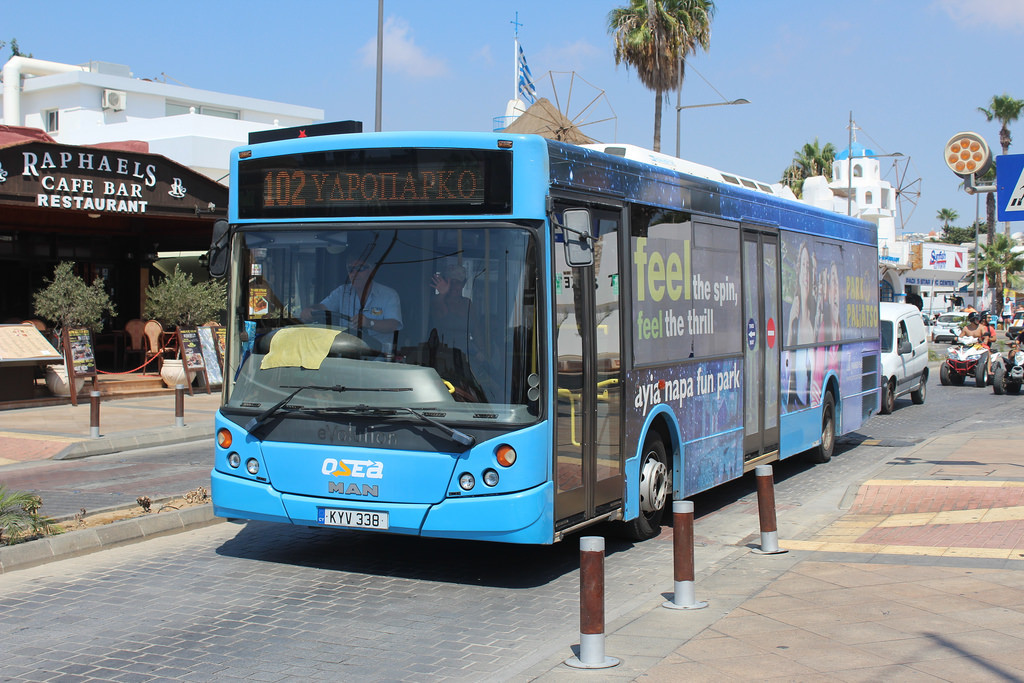
Life in Cyprus during the fall also affects transportation. City buses, taxis, and major intercity routes operate year-round, although some services may run more frequently in summer. In tourist areas, there may be fewer transportation and excursion options during winter, while car rental prices usually fall noticeably.
Buses and tourist routes
Buses in Cyprus operate throughout the year, but schedules vary depending on the route, day of the week, and school holidays. There tend to be more departures in summer, while in winter the wait on some routes may be longer. The same applies on weekends and public holidays.
Intercity buses connect the main destinations, including Limassol, Paphos, Larnaca, Nicosia, Ayia Napa, and Protaras. There are slightly fewer departures in winter, so it is best to check the current schedule before traveling. Excursions and tourist routes operate mainly in spring and summer, while some companies reduce their programs or suspend them altogether after the season ends.
Car rentals and other seasonal services
Cars can be rented in Cyprus year-round, especially at Larnaca and Paphos airports. Demand rises in summer, and so do prices. In winter, rentals are usually cheaper and there are more vehicles available. According to a 2026 market review, an economy car costs around €70–140 per week in winter compared with €200–420 in summer. The difference is significant.
Bicycles, scooters, and quad bikes follow a similar pattern. They are most popular in summer in Ayia Napa, Protaras, and Paphos. By fall, some rental shops reduce their hours or close, and the availability of specific vehicles depends on the operator.
City taxis are available around the clock in the main Cypriot cities. During winter, tourist areas may have fewer cars available during periods of low demand, while taxi availability in Nicosia and Limassol generally remains stable regardless of the season.
What Cypriot cities are like after the high season
Life in Cyprus certainly changes once the tourist season ends, but not everywhere in the same way. In larger cities whose economies depend on business, local residents, and everyday services, daily life continues almost unchanged. Resort towns, however, become much quieter in the fall: there are noticeably fewer tourists, some businesses close until spring, and beaches and waterfronts are no longer as crowded.
Limassol and Nicosia
As the island’s business and financial hub, Limassol maintains its fast pace of life. There are plenty of things happening in fall and winter: cafes, restaurants, shopping malls, and evening gatherings continue as usual. Areas closer to the sea may become somewhat quieter, and some venues reduce their hours, but the city continues to operate at its normal pace. Concerts, exhibitions, sporting events, and festivals also take place during the cooler months.
The situation is similar in the island’s capital, Nicosia. Tourism has relatively little impact on the city; in fact, Nicosia often becomes livelier with the arrival of fall. Office workers and students return, cafes and streets become busier, and the cultural calendar fills up. In October, for example, the city hosts events such as the Nicosia Book Fest and WIP Festival, which focuses on art and technology.
Paphos, Larnaca, Ayia Napa, and Protaras
Paphos sees fewer tourists in fall and winter, but the city does not empty out. It has a large expat population: some live there permanently, while others come specifically for the winter. The atmosphere becomes calmer in fall, but museums, archaeological sites, walking areas, and many restaurants remain open. Paphos attracts visitors year-round, so even in winter it remains fairly lively.
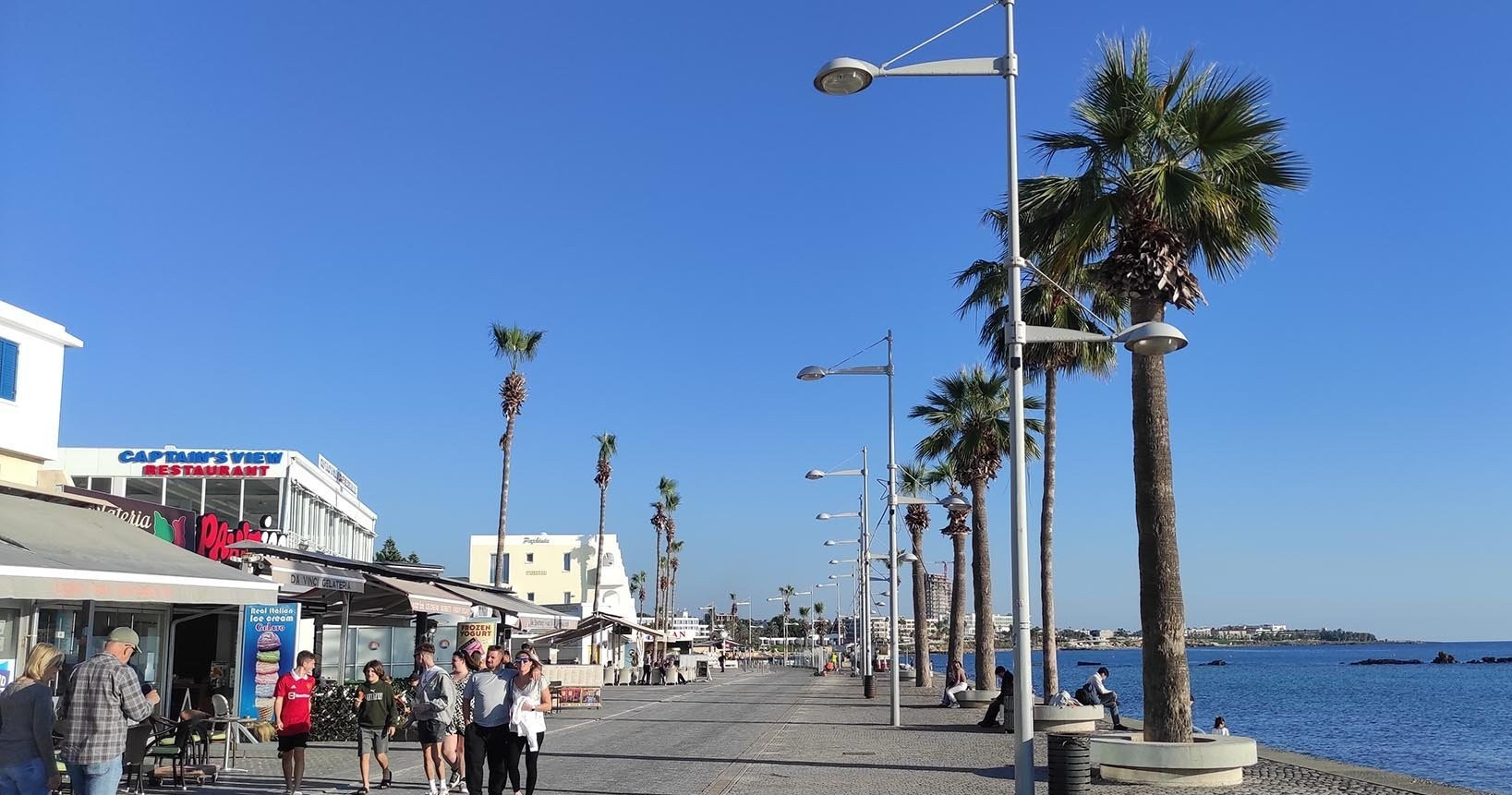
After the busy summer, Larnaca — especially the Finikoudes waterfront — becomes noticeably quieter. The number of vacationers drops, and the city seems to relax and show more of its local character. However, everyday life continues normally through winter: shops, cafes, public institutions, and services remain open.
Flamingos also arrive in winter, attracting some visitors. In addition, Larnaca International Airport continues to handle a large number of flights, so the city never truly empties after the high season.
Busy Ayia Napa becomes noticeably quieter by late October: there are fewer tourists, and by November many beach bars, clubs, hotels, and restaurants close until spring. The town becomes much calmer, although some cafes and taverns remain open. Protaras follows a similar pattern: beaches empty out, restaurant and entertainment options become more limited, and some hotels close for the winter.
Everyday life in Cyprus outside the high season
Daily life in Cyprus becomes more relaxed in the fall. You could even say that the island reveals its real character once the tourist season ends, and there is much more to Cyprus than beaches and the sea.
Beaches, walks, and entertainment
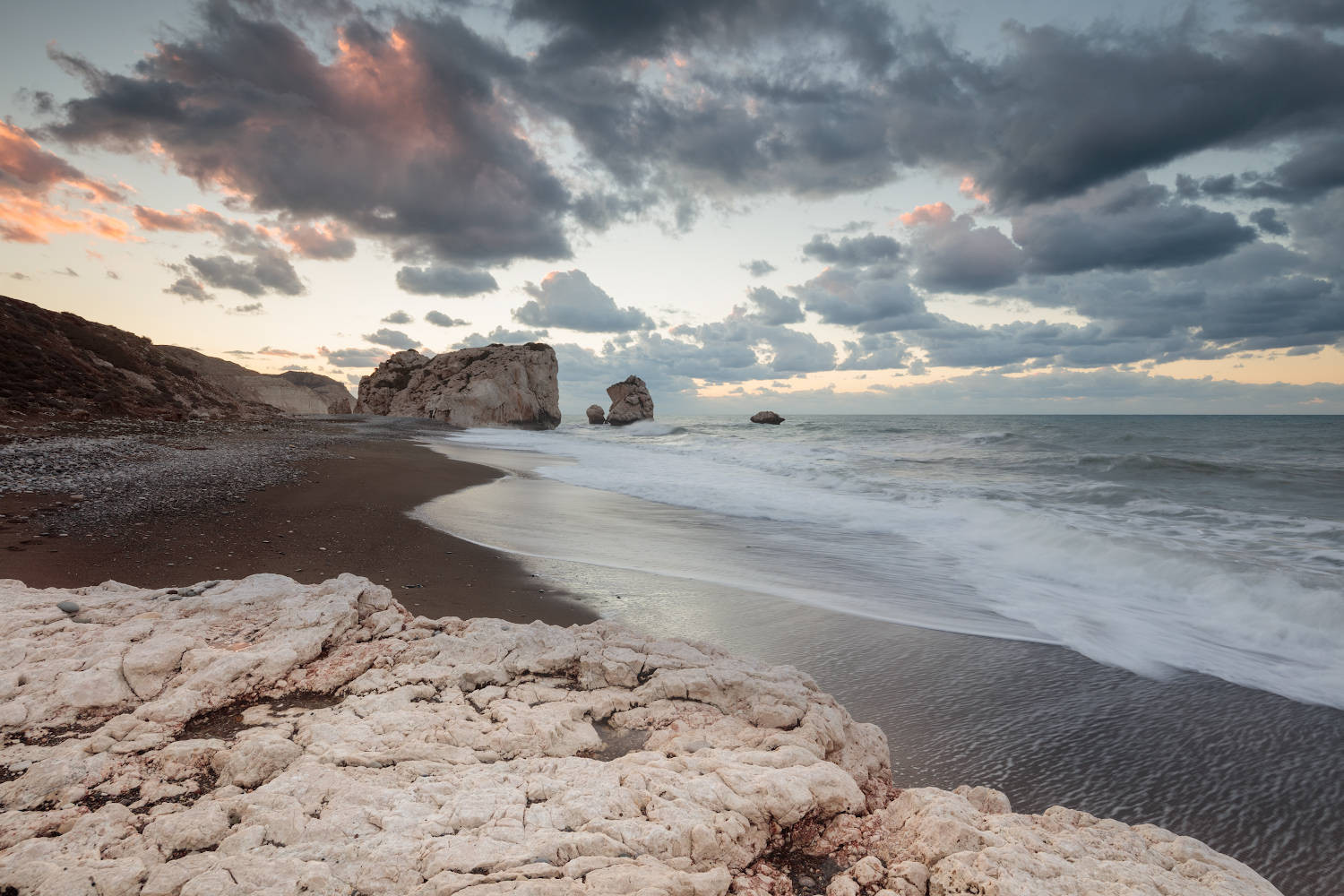
Fall usually arrives gradually in Cyprus, and September and even October can still feel like summer. By late October and early November, however, both air and sea temperatures begin to fall. Of course, some hardy swimmers continue going into the sea even in the middle of winter.
By late fall, however, habits change: instead of spending the day at the beach, people go hiking or walking outdoors, while evenings on summer terraces move indoors to cozy cafes. There are still plenty of sunny winter days, so in good weather the waterfronts and beaches are excellent for long walks and photo sessions, especially in scenic areas.
Fall is also a great time for hiking in the Troodos Mountains. Summer is often too hot for many trails, while fall and winter are much more comfortable.
Anyone who has experienced Cyprus in both summer and winter may agree that the island can be especially beautiful during the colder months. Mountains and plains turn green and become covered with lush grass, dotted with yellow oxalis and calendula flowers. In the middle of winter, snow sometimes falls in the mountains, so even skiing enthusiasts can find something to do.
The fall and winter season is often richer in cultural events as well. Cyprus’s larger cities, especially Nicosia, host numerous exhibitions, festivals, and concerts. So if you have been wanting to attend a play or visit a contemporary art exhibition, this can be one of the best times of year.
Crowds, parking, and traffic
During the peak tourist season, resort towns can become extremely crowded. Parking near popular beaches may be difficult to find, and seaside restaurants can be packed. In fall, beaches and waterfronts become much less crowded. This is most noticeable in resort destinations such as Larnaca, Ayia Napa, and Protaras. Paphos may also become somewhat quieter, although because of its large permanent expat population, supermarkets, parking lots, and roads remain fairly busy.
The same can be said of Limassol and Nicosia. In the capital, traffic can actually increase in the fall as public-sector employees return from vacation and schools and universities begin their academic year.
Who might prefer living in Cyprus after the high season?
For many people, Cyprus becomes even more attractive once the vacation season is over.
Fall and winter are cooler but still sunny, and local life seems to return to its normal rhythm: there are no crowds of tourists, packed beaches, or overflowing cafes. Resort towns slow down, and this is when you really begin to feel the famous “siga-siga” lifestyle.
Families, remote workers, and retirees
For families with children, fall and winter in Cyprus can be especially convenient. There are fewer tourists, outdoor walks are more comfortable, and playgrounds, parks, and waterfronts are less crowded, without the intense summer heat.
Remote workers also have plenty of options. Rent can be cheaper, the surroundings are quieter, and you can work not only from coworking spaces but also from cafes by the sea. When you need a break, you can simply walk along the waterfront without having to push through tourist crowds.
Winter in Cyprus may also appeal to retirees: the climate is mild, while shops, pharmacies, and clinics are always nearby in the larger cities. But a mild winter does not always mean warm weather. December and January can bring rain, cold evenings, and windy days. Many Cypriot homes also lack central heating, so indoor temperatures can sometimes feel colder than expected. Coastal humidity can make the cold feel even more noticeable.
What to consider when choosing a city for winter
When choosing a city for a winter stay, start with the climate. Larnaca, Paphos, and Limassol can feel cool and damp on rainy and windy days, but when the sun comes out, the coast is noticeably warmer than the center of the island. Nicosia is usually a couple of degrees colder in winter. If you or your family do not tolerate cold well, look for a bright home with a fireplace or split-unit air conditioning. And keep in mind that the mountains and central parts of the island are considerably colder than the coast in winter. It is worth thinking in advance about how you will heat your home on the coldest days and how much that may cost.
Housing prices work differently: in Nicosia and Limassol, the season has relatively little impact on rents. If you want to save money, consider Larnaca, Ayia Napa, or Paphos.
Infrastructure is another important factor. In the larger cities, it is generally not a problem.
In purely resort-oriented areas such as Ayia Napa and Protaras, many cafes and restaurants are closed in winter. Pharmacies, supermarkets, and banks remain open, of course, but there are fewer of them than in Nicosia or Limassol.
If entertainment matters to you, it is worth considering this in advance. Cyprus’s busiest cultural scene is usually concentrated in Nicosia and Limassol, while Ayia Napa and Protaras are much quieter in winter. Paphos and Larnaca may also offer fewer entertainment options than in summer.
Another factor is traffic and overall city congestion. If you want to avoid heavy traffic, smaller coastal towns may be a better choice. If you choose Limassol or Nicosia, be prepared for busy roads during rush hour and a much faster urban pace.
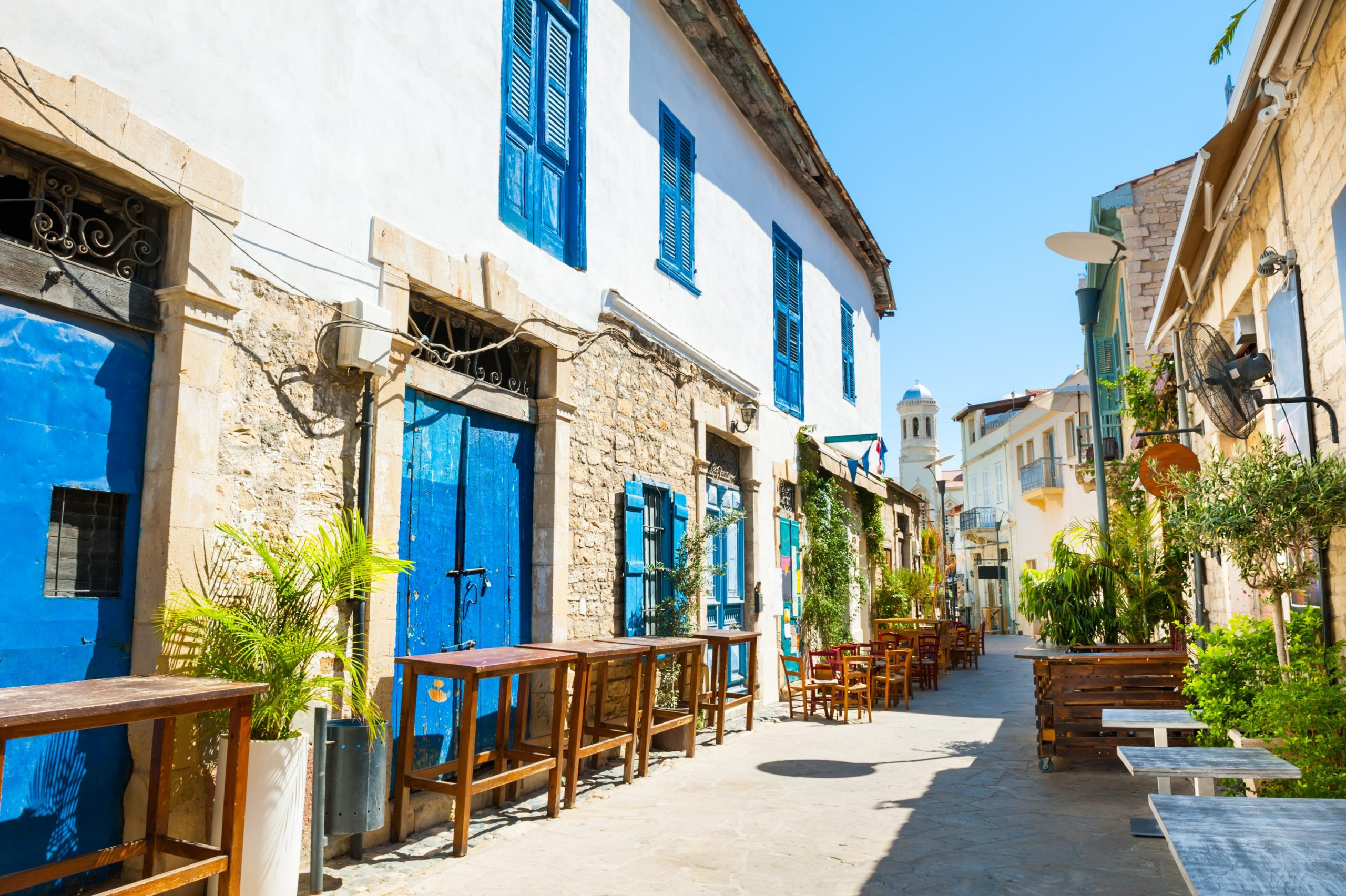
Cyprus is worth experiencing at different times of year. You may even find that you prefer it in winter. There is a reason many expats return to spend the winter here year after year. We hope this guide helps you choose the right city for a winter stay. And if you are looking for the perfect winter home, take a look at our apartment rental listings with plenty of options in the island’s most popular locations.
Read also:
- Residential Complex Rules in Cyprus — What You Need to Know
- Taxis in Cyprus: Apps, Prices, and How to Book
- Buying Used Furniture in Cyprus — Guide and Red Flags
- Curium Palace in Limassol: The Story of an Iconic Hotel Demolished for a New Project
- UV Index and Wind in Cyprus — How to Read the Weather Forecast