
Recent events and the unprecedented attack on a British armed forces base in Cyprus have affected not only the island’s tourism sector but also global fuel prices. Since Cyprus’s energy sector directly depends on oil prices, this situation may lead to a surge in electricity prices. At the same time, over the past few years Cyprus has begun actively using its renewable energy sources and expanding solar and wind generation capacity. Let us take a closer look at the Cyprus energy market and examine the challenges it faced in 2026, as well as its potential. We will also review current tariffs and explain the structure of a Cypriot electricity bill. So, stay with us!
Brief summary: electricity price forecast for 2026
In 2026, Cyprus still remains one of the 10 EU countries with the highest electricity prices. However, starting from January 1, 2026, a number of government initiatives aimed at improving the efficiency of the electricity market came into force. One of the most noticeable changes is the transition in the solar electricity settlement system — from the Net Metering system to the new Self-consumption model. Other government initiatives, such as subsidies for energy storage systems, expansion of renewable energy capacity, and the introduction of competition in the electricity supplier market, are aimed at stabilizing energy prices and promoting a more sustainable energy ecosystem.
Electricity prices in Cyprus: current tariffs and calculations
Current EAC tariffs: residential and commercial
Residential
In Cyprus, all residential consumers living in private dwellings and using electricity for personal needs are served under residential tariffs. These tariffs assume a standard low-voltage connection and may include various consumer protection elements, such as socially regulated prices, consumer discounts (for certain population categories), home solar energy programs, and night tariff options.
These premises and activities fall under the residential tariff category:
- apartments;
- houses;
- residential buildings;
- home charging of electric vehicles;
- home solar generation (self-consumption).
At present, the following residential tariff options are available in Cyprus:
01 — Standard residential tariff, which provides for a fixed rate of approximately 10.34 euro cents/kWh (according to the latest EAC data).
02 — Two-zone tariff (day/night) with two separate billing periods:
- Day: from 9:00 to 23:00 — base rate of approximately 10.76 euro cents/kWh.
- Night: from 23:00 to 9:00 — preferential tariff for off-peak consumption, with a price starting from 9.44 euro cents/kWh.
08 — Tariff for vulnerable consumers. This special preferential electricity tariff was created for vulnerable categories of consumers, such as: low-income households, pensioners, and consumers dependent on medical equipment. With an average cost of 8.48 euro cents/kWh, it is the cheapest base rate in Cyprus, usually 18–22% lower than standard residential tariffs.
In addition, from time to time government electricity subsidies are provided, which may be applied during periods of price crises.
Commercial
Commercial tariffs apply to any economic or income-generating activity and are used to pay for electricity in commercial premises, such as:
- shops;
- offices;
- restaurants and cafes;
- hotels;
- real estate agencies;
- clinics;
- small companies.
In addition, if you have a home office used for your business activity, or if you operate licensed AirBnB accommodation, the electricity consumed at these properties must also be paid under commercial tariffs.
Attention! Commercial tariffs are generally higher compared to residential ones.
There are 4 main types of commercial tariffs in Cyprus:
- Low Voltage — for small businesses (home offices, private practice, small retail, and so on). Low-voltage (LV) supply is connected to the same physical 400V / 230V network as residential users. Base rates usually range from 10.5 to 12.8 euro cents/kWh.
- Medium Voltage tariff — suitable for large office buildings, hotels, universities, hospitals, and supermarkets. It usually provides for an 11 kV grid connection, with base rates starting from about 9–11 euro cents/kWh.
- High Voltage tariff — suitable for industrial facilities (heavy industry, airports, large data centers). They are connected to 66 kV or 132 kV lines, and base rates start from 8.48–9.65 euro cents/kWh (according to EAC data).
- Wholesale Tariff — used by licensed electricity suppliers, large industrial consumers (high voltage), desalination plants, aggregators, and energy traders. Prices under the wholesale tariff vary depending on the consumption period:
- Off-Peak — from 8.48 euro cents/kWh
- Shoulder — from 9.65–10.50 euro cents/kWh
- Peak — from 12.80 euro cents/kWh
It is important to note! MV and HV commercial tariffs also include an additional maximum power charge (“demand charge”), and their base tariff rates are calculated as follows: energy used (kWh) + maximum power demand (kW).
Thus, such enterprises pay for the load on the power grid during peak consumption periods in addition to the number of kilowatt-hours consumed. Meanwhile, residential consumers and commercial users on the low-voltage tariff pay only for the volume of kilowatt-hours consumed. This practice results in large enterprises paying significantly more on electricity bills compared to residential consumers.
Breaking down the electricity bill: what are you really paying for?
The electricity bill in Cyprus consists of many elements added to the nominal tariff, so it is no surprise that the final amount is significantly higher compared to the base tariff rates. After reviewing the main residential and commercial tariffs, let us examine the other components of the electricity bill.
1. Basic Energy Charge. It can be easily calculated as follows: kilowatts consumed × residential tariff price.
2. Fuel Adjustment Price. It can amount to up to 30–40% of the total bill and is calculated by the government according to the following formula: (current fuel price — 300) × coefficient = Fuel Adjustment Price.
Please note that the Fuel Adjustment Price is extremely volatile and is reviewed by the government monthly.
3. Transmission Systems Charge. This is the cost of using Cyprus’s national high-voltage power grid and covers electricity transmission, as well as expenses for substations and the system operator. The charge is applied for every kilowatt consumed and amounts to approximately 0.87 euro cents/kWh.
4. Distribution Network Charge. Covers the cost of delivering electricity to your home, including cables, transformers, maintenance, and repairs. The amount of the charge depends on the voltage level. The average cost is approximately 3.66 euro cents/kWh.
5. Ancillary / System Services Charge. Covers the maintenance of grid stability, including: frequency control, reserve generation, and voltage balancing. Its cost is approximately 0.64–0.65 euro cents/kWh.
6. Public Service Obligations (PSO). This is a mandatory government levy that covers electricity supply to remote areas, social electricity programs, and uniform pricing. According to the latest EAC information, the PSO amounts to 0.051 euro cents/kWh.
7. RES & Energy Saving Fund — RES/ESF. This is another mandatory government levy supporting renewable energy programs and compliance with EU climate requirements. It amounts to approximately 0.5 euro cents/kWh.
8. Supply & Metering Charges. This covers billing, meter reading, and customer support. It is charged as a fixed rate of 0.48 euro cents per month.
9. VAT. A reduced VAT rate of 9% applies to the subtotal of the bill, excluding RES and PSO charges.
According to the latest news, the Government of Cyprus has decided to extend the reduced 9% VAT rate on electricity until March 31, 2027.
For commercial users, the electricity bill has a similar structure, except for the additional demand charge, which amounts to approximately:
- 6–9 euros/kW per month for Medium Voltage consumers
- 4–7 euros/kW per month for High Voltage consumers
Large businesses and production facilities also pay a Capacity Charge and a Power Factor Adjustment charge if the equipment used leads to inefficient energy consumption. In addition, the standard VAT rate of 19% applies to commercial bills, excluding RES and PSO charges.
Thus, the cost per kilowatt depends on the network the consumer is connected to (high-, medium-, or low-voltage), the transmission system used, and whether grace periods (specific days and hours) apply. The final bill is not simply the number of kilowatts consumed multiplied by the cost. Other expenses are also included: connection, service, and power. Therefore, the TOTAL cost per kilowatt will be two or even three times higher, on average 30-35 eurocents.
Solar electricity
Starting from January 1, 2026, the national regulatory authority CERA introduced the new Self-consumption system, replacing the previous Net Metering scheme. Let us see how this change has affected the billing structure.
Before January 2026, all excess solar electricity was exported to the grid, and the consumer received a 1-to-1 credit in kWh. With the introduction of the Self-consumption model, exported electricity is no longer compensated under a 1:1 scheme. Instead, consumers are expected to use solar energy at the moment it is produced. Under this model, imported electricity is paid at the full retail price, while excess energy is sold at the market / wholesale price.
It is important to note: compared to the previous Net Metering system, under which exported energy was purchased at the retail price, the new Self-consumption model offers a lower wholesale price. Thus, the key difference of the new system is that savings depend on energy consumption at the moment of production rather than on the total volume of generation.
Advantages:
- Reduced dependence on the Fuel Adjustment Price
- Compliance with EU requirements
- Promotion of sustainable energy use
- Increase in long-term property value
Disadvantages:
- Lower financial return compared to the previous system
- High cost of solar batteries
- Longer payback period for solar installations
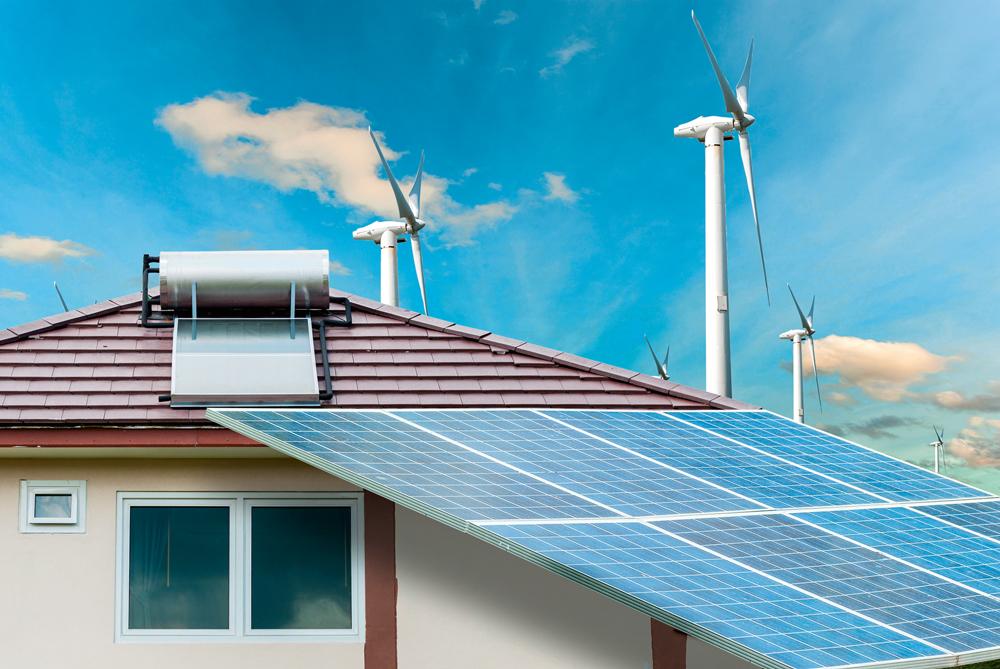
Key factors shaping energy prices in Cyprus in 2026
The impact of the Vasilikos LNG terminal on fuel costs
Since Cyprus depends heavily on heavy fuel oil for energy production, the construction of the LNG terminal in Vasilikos should become a major breakthrough. The project is expected to reduce fuel costs and emissions, stabilizing high electricity prices and ensuring a smooth transition to renewable energy sources. The terminal, located in the Vasilikos area on the island’s southern coast, will include:
- a floating storage and regasification unit (FSRU);
- port infrastructure;
- pipelines connecting the terminal to nearby power stations.
Many place great hopes on this project, since it was designed to help Cyprus import and store liquefied natural gas (LNG) for electricity generation, reducing dependence on heavy fuel oil.
However, as of today the project is in its infancy. Although construction work began back in 2020–2022, it has faced numerous difficulties and delays, as a result of which its completion timeline remains uncertain.
Renewable energy (solar and wind)
In recent years, Cyprus has taken a significant step toward sustainable development by increasing the number of renewable energy projects. In 2025 alone, about 122 MW of new solar power generation capacity was added on the island. In 2026, these figures reached 957 MW. Given this, solar energy is expected to provide about 20–22% of all electricity generation this year.
At present, Cyprus is becoming one of the fastest-growing solar energy markets in Europe, and government programs will continue in 2026. Some of these programs include: Cyprus’s initiative to subsidize solar systems + batteries, as well as support for consumers under the self-consumption model.
Wind energy
Wind energy is the second most important sustainable energy source in Cyprus. There are several wind power stations on the island, with a total installed capacity of 157 MW. However, compared to solar energy, wind electricity accounts for a small but stable share of total renewable energy generation in Cyprus.
Energy connection with Europe: the Great Sea Interconnector project
Adopted by the European Union as a “Project of Common Interest of the EU,” the Great Sea Interconnector will connect Cyprus with Greece and Israel through a giant underwater cable. With an estimated cost of 2–2.5 billion euros, this ambitious project is expected to provide an initial capacity of 1,000 MW, which may later be increased to 2,000 MW. The Great Sea Interconnector will become one of the longest underwater cables in the world, stretching more than 1.2 thousand km at a depth of 3 thousand m. Once completed, the project will open a two-way energy flow, providing exports of renewable energy as well as cheaper imports. This will help establish renewable energy integration between continental Europe and the Eastern Mediterranean. However, completion of the project is currently in limbo. After the departure of the project’s original developer — EuroAsia Interconnector Ltd in 2023, the project completion dates were postponed to 2028–2029.
Carbon cost: the policy of the EU Emissions Trading System (ETS)
The EU Emissions Trading System (ETS) is a policy requiring power plants and large industrial enterprises to buy emission allowances for every ton of CO2 they produce. Recently, the EU tightened ETS rules even further as part of the “Fit for 55” climate plan, aimed at reducing carbon emissions in Europe by 55% by 2030.
Key changes include:
- fewer available emission allowances;
- higher prices;
- incentives for the development of renewable energy and electrification
Since the cost of carbon emissions has risen sharply over the past several years, this policy has directly affected Cyprus and local consumers, increasing electricity prices. As a rule, ETS costs are passed on to consumers through the Fuel Adjustment Charge. On the other hand, the stricter ETS policy is one of the main factors driving recent renewable energy projects and initiatives in Cyprus.

Detailed electricity price forecast for Cyprus in 2026
Projected price range
According to official sources, electricity prices in Cyprus in 2026 are likely to reach approximately 30 euro cents/kWh. Such a scenario is most likely if everything remains unchanged in 2026 and major energy projects, such as the Vasilikos terminal, are not completed, while renewable energy production does not replace fuel-based electricity generation.
Optimistic, realistic, and pessimistic scenarios
Optimistic scenario
According to a government study, if the country’s dependence on heavy fuel oil decreases and gives way to the use of natural gas and renewable energy sources, the projected electricity cost may fall to 22—25 euro cents/kWh. However, this result will largely depend on the stability of global fuel prices, as well as the completion of the Vasilikos terminal and the expansion of solar energy infrastructure.
Realistic scenario
Given the uncertainty surrounding the completion of the Great Sea Interconnector and Vasilikos terminal projects, electricity prices are projected to remain at the level of the latest official figures — 30—31 euro cents/kWh. However, this is possible only if EU carbon emission tariffs remain close to last year’s levels and global fuel prices do not rise sharply.
Pessimistic scenario
If oil prices rise sharply and the cost of EU carbon allowances continues to increase, electricity prices may climb to 33—38 euro cents/kWh. Such a scenario may arise if the ongoing tensions in the Middle East lead to rising oil prices and renewable energy production in Cyprus proves insufficient to offset these costs.
Analysis: factors raising and lowering prices
Geopolitical and economic factors
Since energy production in Cyprus largely depends on imported fuel, the cost of electricity is closely tied to global oil prices. This makes prices highly volatile and dependent on various geopolitical events that can lead to an increase in electricity costs.
Changes in policy
The ongoing increase in EU carbon emission tariffs may significantly raise the cost of energy production on the island.
Geographical factors
Because of its isolated energy system, Cyprus has limited options for importing energy and less flexibility in dealing with supply shortages and price fluctuations.
Renewable energy production
At present, the growing popularity of solar photovoltaic systems (PV) is helping reduce the country’s dependence on fossil fuels. Further expansion of renewable energy infrastructure will gradually lower electricity prices.
Impact on the average household
According to official statistics, the average Cypriot household consumes approximately 300–500 kWh per month. Given the projected average price of 28—32 euro cents/kWh, the average household may expect to spend from 85 to 160 euros per month on electricity.
Below is a more detailed calculation of estimated costs:
- 250 kWh — 75–80 euros per month
- 350 kWh — 105–112 euros per month
- 450 kWh — 135–144 euros per month
- 600 kWh — 180–192 euros per month
How to prepare for and manage future electricity expenses
For households: smart savings and investments
One of the best ways to reduce electricity expenses is to install solar photovoltaic systems (PV) on the roof. The initial investment pays off over time by reducing dependence on the grid, lowering electricity bills, and increasing property value.
In addition, the recently announced 35 million euro government renewable energy support program provides subsidies for home batteries working together with solar installations.
Smart energy consumption
Experts also recommend using smart meters and energy monitoring apps to track electricity consumption in real time.
In addition, the following measures can significantly reduce energy consumption:
- switching to LED lighting;
- using energy-efficient appliances (A++ and above);
- choosing the “eco” mode on household appliances (if available);
- improving home insulation;
- installing smart thermostats.
If you already have solar panels installed, it is recommended to shift energy-intensive activities to daytime, when solar generation is at its maximum. It is also useful to follow updates from relevant energy institutions’ newsletters to stay informed about the latest news and initiatives. And, of course, it is better to make maximum use of the Mediterranean climate by using natural lighting and solar warmth in winter, as well as natural ventilation in summer, in order to reduce electricity consumption.
For business: optimizing energy for profitability
When choosing an office building, it is important to pay attention to the energy rating — class A buildings can help significantly reduce energy costs in the long term. In addition, there are natural ways to improve the energy efficiency of buildings, such as improving insulation and using natural ventilation and lighting.
As with residential users, it is recommended to invest in commercial solar photovoltaic systems. It is also extremely useful to use energy-efficient technologies and equipment, such as:
- LED lighting;
- efficient HVAC systems;
- smart energy management systems.
In addition, there are a number of government subsidies for businesses investing in renewable energy sources, including: a program for installing battery systems for solar installations and subsidies for improving building energy efficiency.
Frequently asked questions
Will energy prices in Cyprus necessarily rise by 2027?
Since the Cyprus electricity market remains highly volatile, it is not yet clear whether prices will rise significantly by 2027. However, there are strong grounds to believe that they may remain approximately at the current projected level of around 31 euro cents/kWh or slightly higher. This forecast may change depending on the geopolitical situation, global fuel prices, and the efforts of the Government of Cyprus to develop autonomous energy sources.
What single action is the most effective for reducing my electricity bill?
At present, installing rooftop solar photovoltaic panels (PV) remains the most effective long-term energy-saving strategy.
How do projected prices in Cyprus compare with other Mediterranean EU countries?
Electricity prices in Cyprus remain among the highest in Europe. According to the latest European Commission data, Cypriot households will pay about 31 euro cents/kWh, which is significantly higher compared with the European average of 25 euro cents/kWh.
Are new government initiatives planned for 2026—2027?
In 2026 and beyond, the Government of Cyprus will continue implementing and expanding the national renewable energy system. The introduction of subsidies for energy storage systems, the increase of solar and wind power capacity, and market liberalization are just some of the measures aimed at reducing electricity costs.
Future prospects: Cyprus’s development trajectory after 2026
In the long term, energy prices in Cyprus will largely depend on the successful implementation of government initiatives. Recent events in Cyprus prove that current energy reforms and investments in solar energy and storage systems can gradually stabilize electricity costs. At the same time, the country faces a pressing need to reduce dependence on imported fuel and accelerate Cyprus’s transition to a more sustainable energy system.
Read also:
- Wedding traditions of Cyprus — rituals, symbols, and features of local celebrations
- Cycling tourism in Cyprus: the best routes and an expert guide for 2026
- TOP 10 new buildings in Limassol that will be completed in 2026
- Kindergartens in Cyprus. How they work, how much they cost, and what parents need to know
- Childbirth in Cyprus. Cost and citizenship procedures 2026