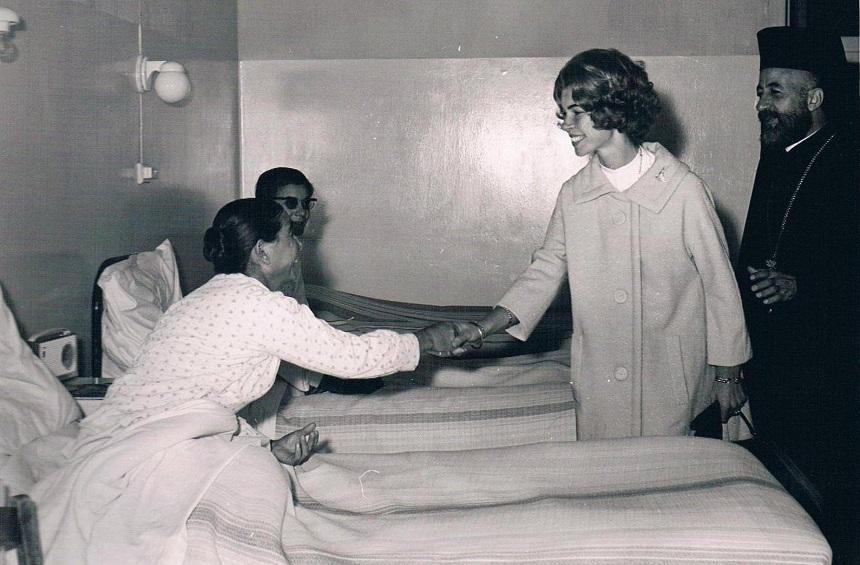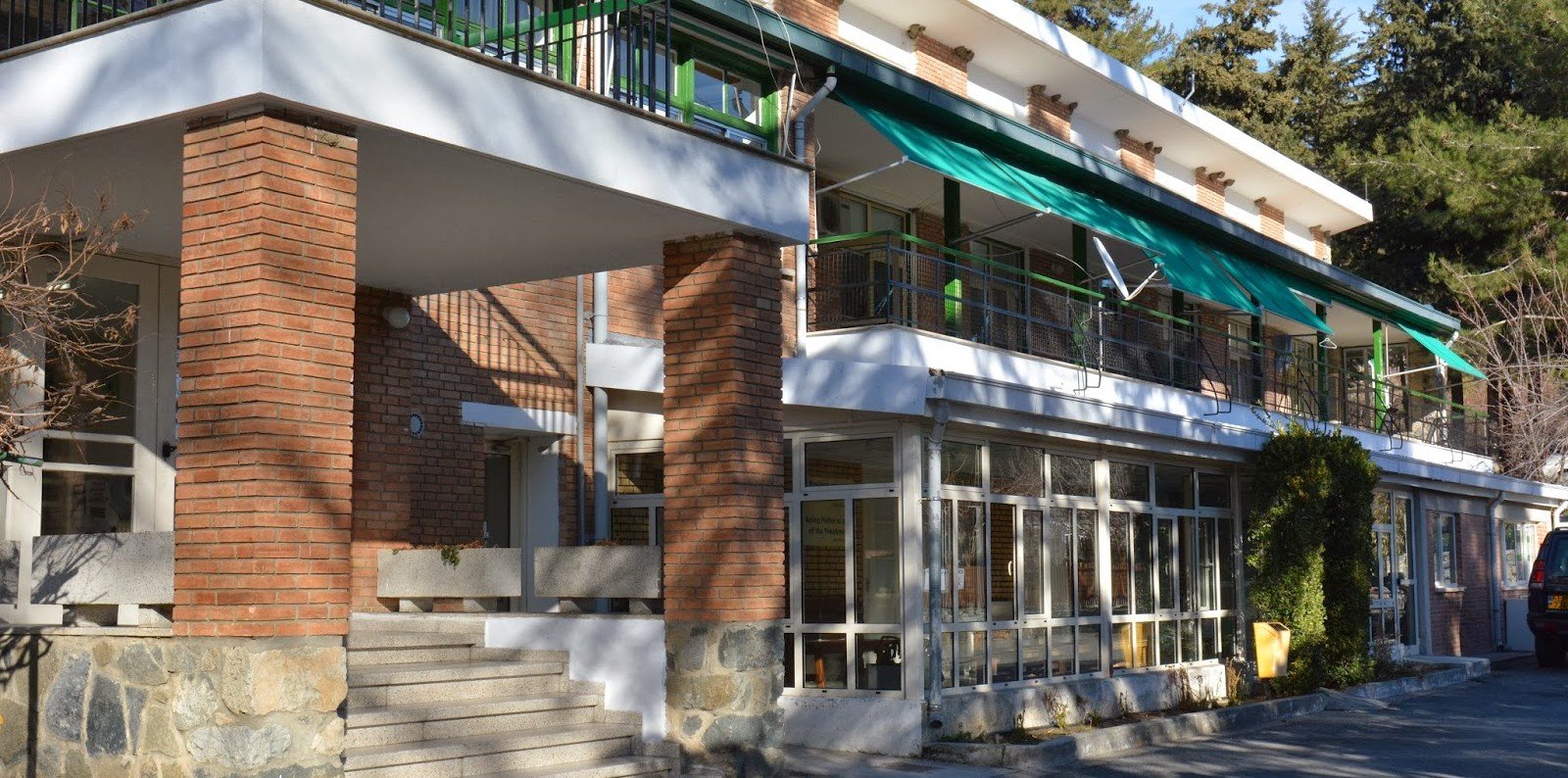
The sanatorium in Kyperounta is one of the most interesting and underrated examples of Cyprus’s colonial architecture. This building not only shapes the first impression of the village, but also preserves an important part of the island’s history.
Built in an era when tuberculosis was considered one of the most dangerous diseases, it became a symbol of change. Here, architecture, medicine, and the social fears of the past intertwine, turning an ordinary-looking structure at first glance into a significant historical site.
A stone giant by the road
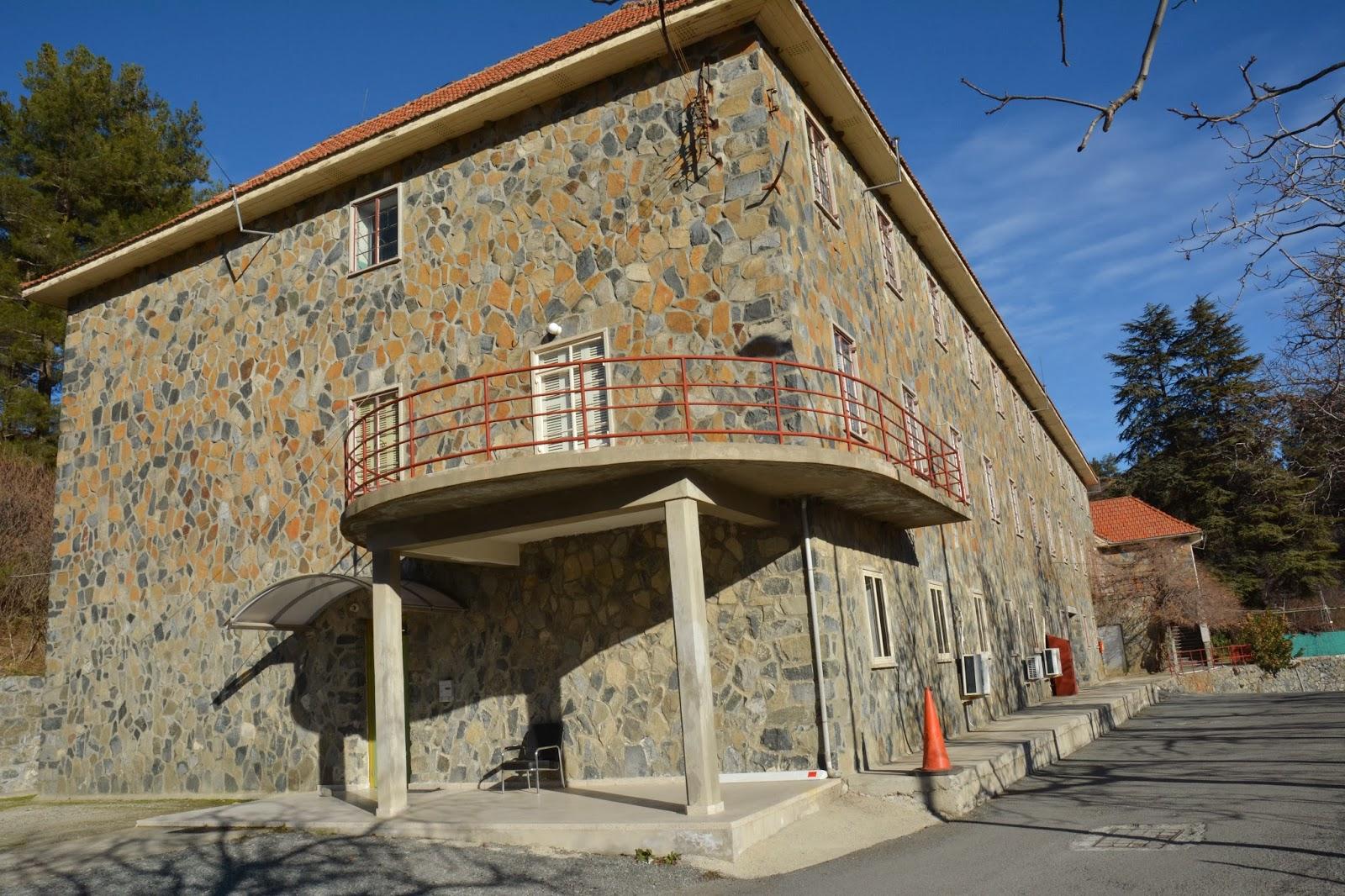
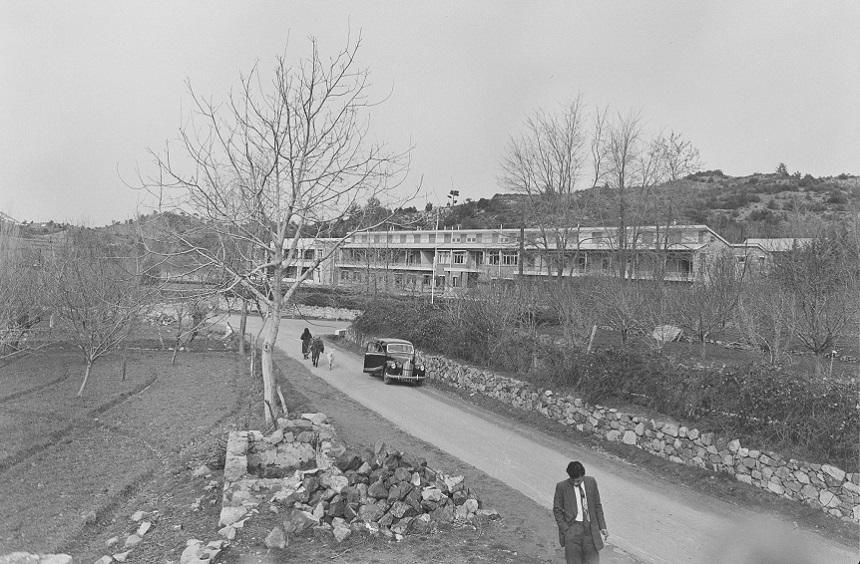
When you approach Kyperounta, your gaze is inevitably drawn to the large stone building on the left side of the road. It does not shout about its importance, but it is impossible not to notice it. Built almost eight decades ago, it is organically integrated into the natural landscape and looks as though it has always been part of the local scenery.
The building’s architecture is a vivid example of the colonial style characteristic of Cyprus in the first half of the 20th century. Simple lines, massive stone walls, large windows, and thoughtful orientation in relation to the sun and wind all create a sense of strictness and harmony at the same time. In those years, architecture served not only aesthetics but also practical tasks, especially when it came to medical institutions.
It was precisely the climate that played a key role in choosing the location. Clean mountain air, abundant sunlight, protection from cold northwestern winds, and low humidity made Kyperounta an ideal place for treating patients.
Fear and prejudice: how it all began
Today it is hard to imagine, but in the 1940s tuberculosis was perceived almost as a death sentence. The disease was shrouded in fears, myths, and prejudice. People feared not only the illness itself, but also those who suffered from it.
When the decision was made to build the sanatorium, the reaction of local residents was far from enthusiastic. Many saw it as a threat. Initially, it had been proposed to build the sanatorium in the villages of Mandria, Spilia, or Fini, but local residents reacted negatively to such a neighborhood. The protests forced the search for another place.
The solution came thanks to a man whose name is worth remembering — Yorgos Fakas. As the head of the Kyperounta community, he donated a plot of land near the village. This became a turning point in the history of the sanatorium. However, even after construction, the fear did not disappear. Villagers passing by would turn their faces away from the building. To them it seemed a symbol of danger, not salvation.
The sanatorium that changed everything
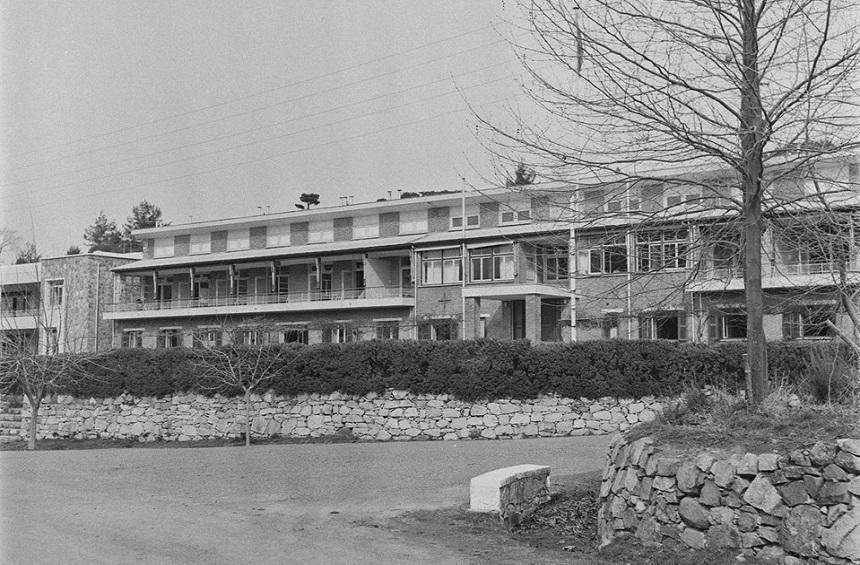
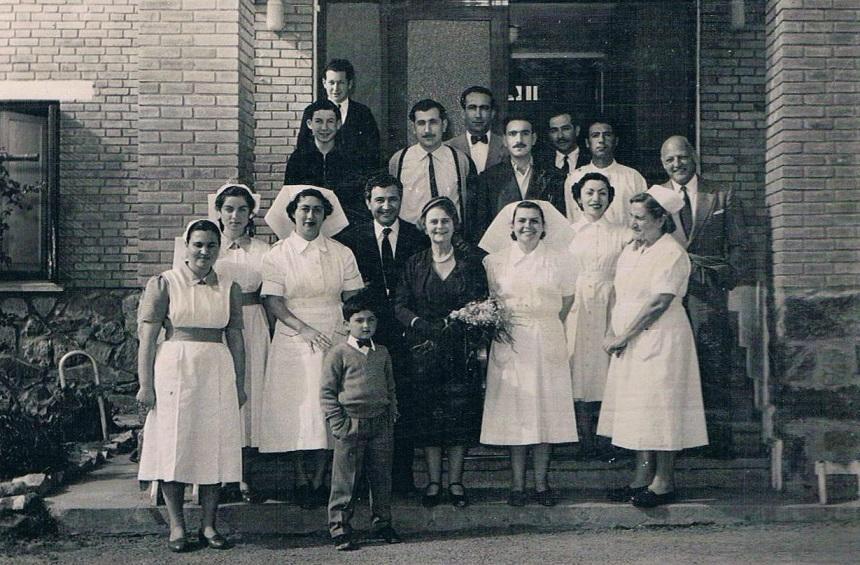
Despite the initial rejection, the sanatorium quickly proved its importance. Opened in 1940, it became the largest and most organized medical institution of its kind on the island. At that time, it accommodated about one hundred patients, which was a significant achievement for Cyprus in those years.
In conditions of poverty, large families, and difficult life in rural areas, access to treatment was extremely limited. People often did not receive timely diagnosis, while fear and superstition only worsened the situation.
The sanatorium in Kyperounta became a real breakthrough. It not only helped treat the disease, but also gradually changed society’s attitude toward it. People began to understand that tuberculosis was not a curse, but an illness that could and should be fought. Over time, fear gave way to respect. The building that people once turned away from became a symbol of hope.
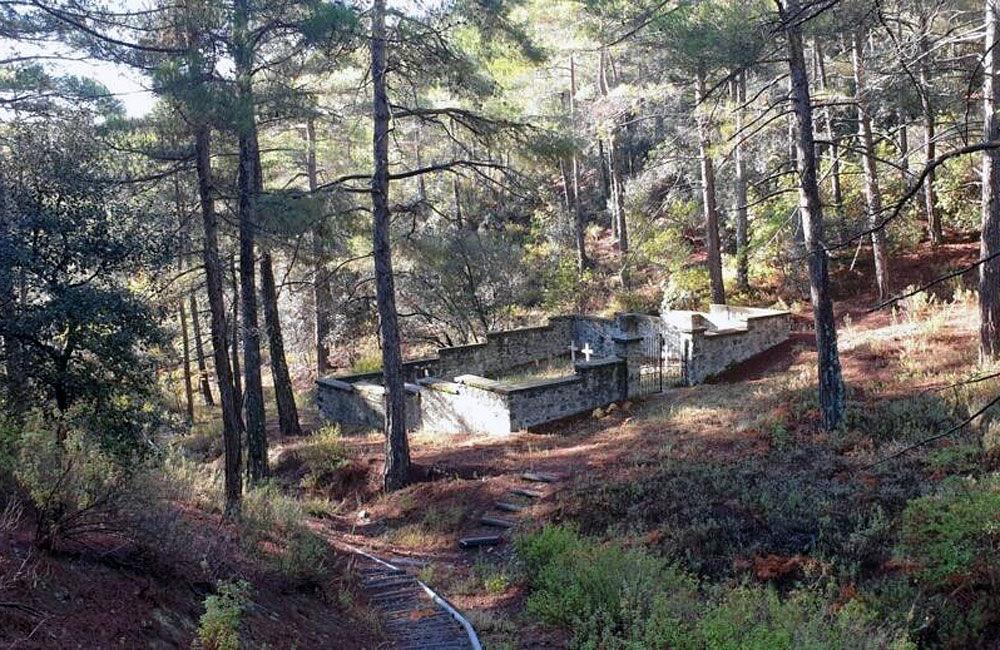
Interesting fact: Because of strong fears and deeply rooted superstitions, many families in those years did not dare to collect the bodies of their relatives who had died from tuberculosis. The disease frightened people so much that even after death a person remained isolated from their loved ones. As a result, in 1946 the sanatorium administration made a difficult decision — a small cemetery was created not far from the village of Karvounas for those whom no one came to collect. In total, about 50 people found their final rest here. They were buried modestly, without inscriptions or crosses, so today it is impossible to determine exactly who lies in the graves.
Architecture thought out down to the details
Cyprus’s colonial architecture is often perceived as something strict and utilitarian, but in the case of the sanatorium in Kyperounta it reveals a special side. Here every detail is subordinated to the idea of recovery.
Large windows ensured the maximum penetration of sunlight, which was considered an important element of therapy. Spacious rooms allowed air to circulate freely. Stone walls preserved coolness in summer and warmth in winter, creating comfortable conditions for patients.
The building seemed to breathe together with the surrounding nature. It did not oppress, but supported the patients. This is where the true beauty of colonial architecture lies — in its functionality and respect for the human being.
From sanatorium to modern hospital
After 1974, the situation with tuberculosis in Cyprus improved significantly. The disease ceased to be so widespread, and the need for a large sanatorium gradually disappeared.
However, the building was not abandoned. It was given a new life by becoming a regional hospital. Today, a pulmonology clinic continues to operate here, diagnosing and treating respiratory diseases. Thus, the sanatorium was not merely preserved — it remained part of the country’s medical system, continuing to fulfill its mission.
Today, the building of the former sanatorium is not only a medical institution, but also an important part of the cultural heritage. It reminds us of a time when fear and ignorance could determine people’s destinies, and of how knowledge and effort are capable of changing society.
Walking near this building, it is difficult not to feel its special atmosphere. There are no loud tourist signs here, but there is history that can literally be felt.
Kyperounta is proud of this place. And although people once turned away from it, today it has become a symbol of resilience, progress, and human care.
Why this place is worth seeing
The sanatorium in Kyperounta is a rare example of how architecture, medicine, and history intertwine in one space. This place is not about luxury, but about meaning. Not about outward beauty, but about depth. If you are interested in Cyprus’s colonial architecture or simply want to see something truly authentic, this building is worth your attention. It tells a story without words — and does it better than any guide.
And perhaps when you pass by, you will no longer turn away as people did decades ago. On the contrary — you will stop to look at it more closely.