In Cyprus, becoming a volunteer is quick and easy — even without knowing the language. The island has a large and multinational community of kind and caring people who are ready to help the world around them.
Caring for animals is often the first thing that comes to mind when volunteering is mentioned. Dogs, cats, and wild animals (birds, fish) all need human protection and are vulnerable. This is especially true considering that urbanization and human activity in Cyprus can have a negative impact on nature. You can support Cypriot organizations both on-site and remotely. There are many opportunities available, and if you are willing to help, there is certainly something suitable for you.
How Animals Are Treated in Cyprus: Legislation and Unwritten Rules
Cyprus is generally known for its friendly attitude toward animals. Cats, in particular, have been regarded as the island’s saviors for nearly two thousand years. Other animals receive no less care, and the laws of the Republic of Cyprus regarding animal welfare continue to become stricter.
Cats
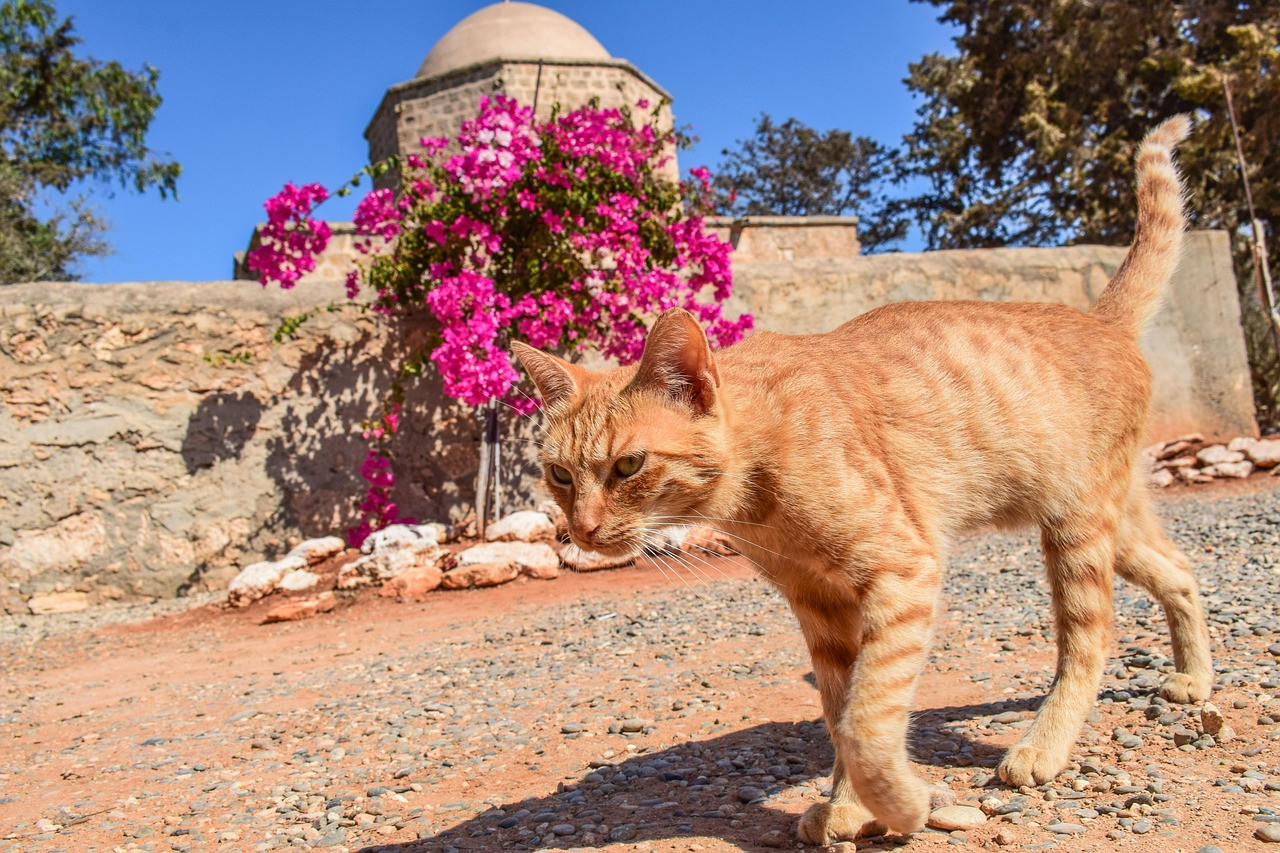
Cats saved Cyprus from snakes. This beautiful legend may well be true, but Cypriots do not even question its historical accuracy. They simply love cats, with no further explanation needed! Cats are fed throughout the island, welcomed into cafés and onto beaches, and given medical care. The government allocates funds for their sterilization, while private organizations in Cyprus work to find loving homes for these furry companions.
Dogs
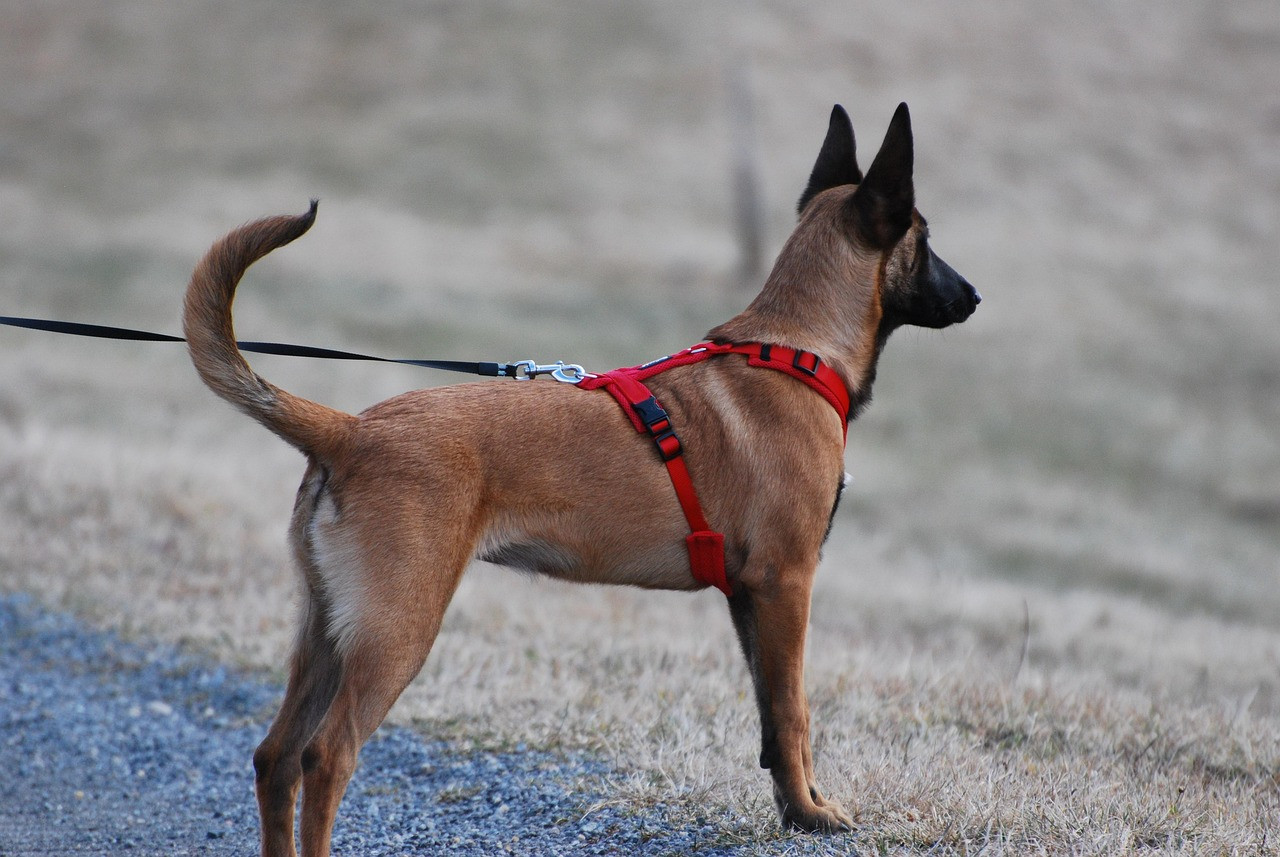
The attitude toward dogs in Cyprus is somewhat different: the approach to these pets is more serious and responsible. It differs noticeably from that in Russia and therefore requires a closer look.
For example, a law has long been in force on the island prohibiting the ownership of certain dangerous dog breeds. There are only four such breeds:
- American Pit Bull Terrier;
- Dogo Argentino;
- Brazilian Mastiff (Fila Brasileiro);
- Tosa Inu (Japanese Mastiff).
Crossbreeds involving any of the above breeds are also prohibited from ownership. Importing such dogs into Cyprus is not permitted.
Note! A license is required to own any dog breed. An annual fee is charged, and the amount depends on the breed category.
In 2026, an updated set of regulations came into force, requiring owners to take a more responsible approach to acquiring and caring for dogs. The changes were widely reported in Cyprus news:
- registration and microchipping became mandatory;
- euthanasia of healthy animals, including strays, was prohibited;
- the ownership tax (license fee) was increased;
- the list of assistance dogs was expanded and now includes more than just guide dogs;
- dogs are now required to wear a collar with a tag displaying the license number and owner’s contact details;
- walking dogs off-leash was prohibited, with violations potentially leading to criminal liability; the only exception is hunting dogs while hunting.
Authorities are paying greater attention to the capture and rehoming of stray dogs. Overall, Cyprus is becoming a country with fewer abandoned and homeless animals — and that is certainly encouraging.
Wild Animals
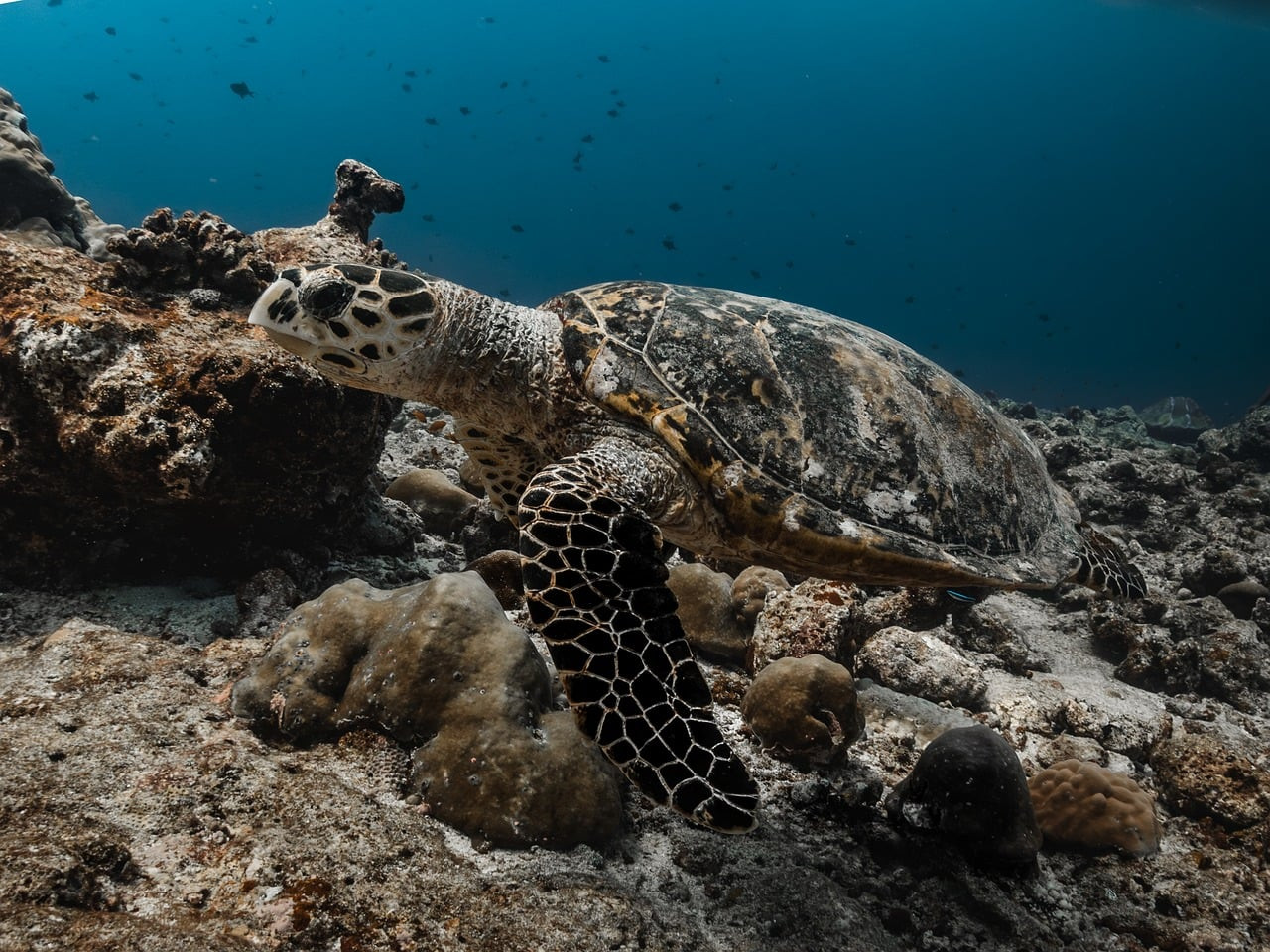
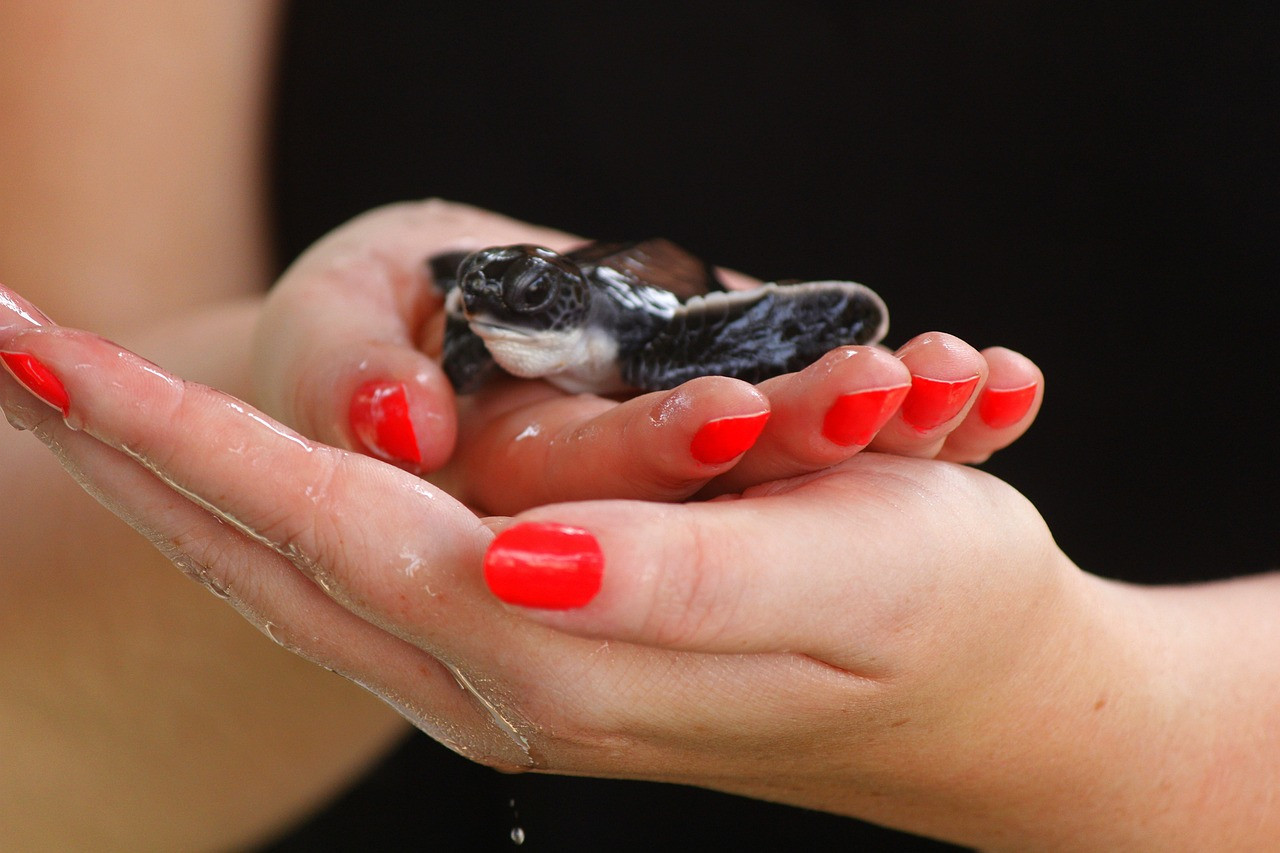
Cyprus is home to rich and diverse wildlife. Nature reserves across the island protect endemic species as well as birds, mammals, and reptiles listed in conservation registers. The main focus of charitable organizations is on sea turtles and birds inhabiting the protected areas of the Akamas Peninsula.
These are precisely the two groups that volunteers can help if they wish to become more closely acquainted with Cyprus’s natural environment. Assistance programs for wild animals are mainly organized by government agencies and non-profit organizations. Through them, it is possible to join a volunteer program that typically lasts from one to four weeks.
What It Takes to Become a Volunteer in Cyprus
It may sound obvious, but the first thing you need is a genuine desire to help others selflessly. The main rewards of volunteering are personal satisfaction and the opportunity to meet wonderful people. Some organizations not only offer valuable volunteer experience but also provide accommodation and meals.
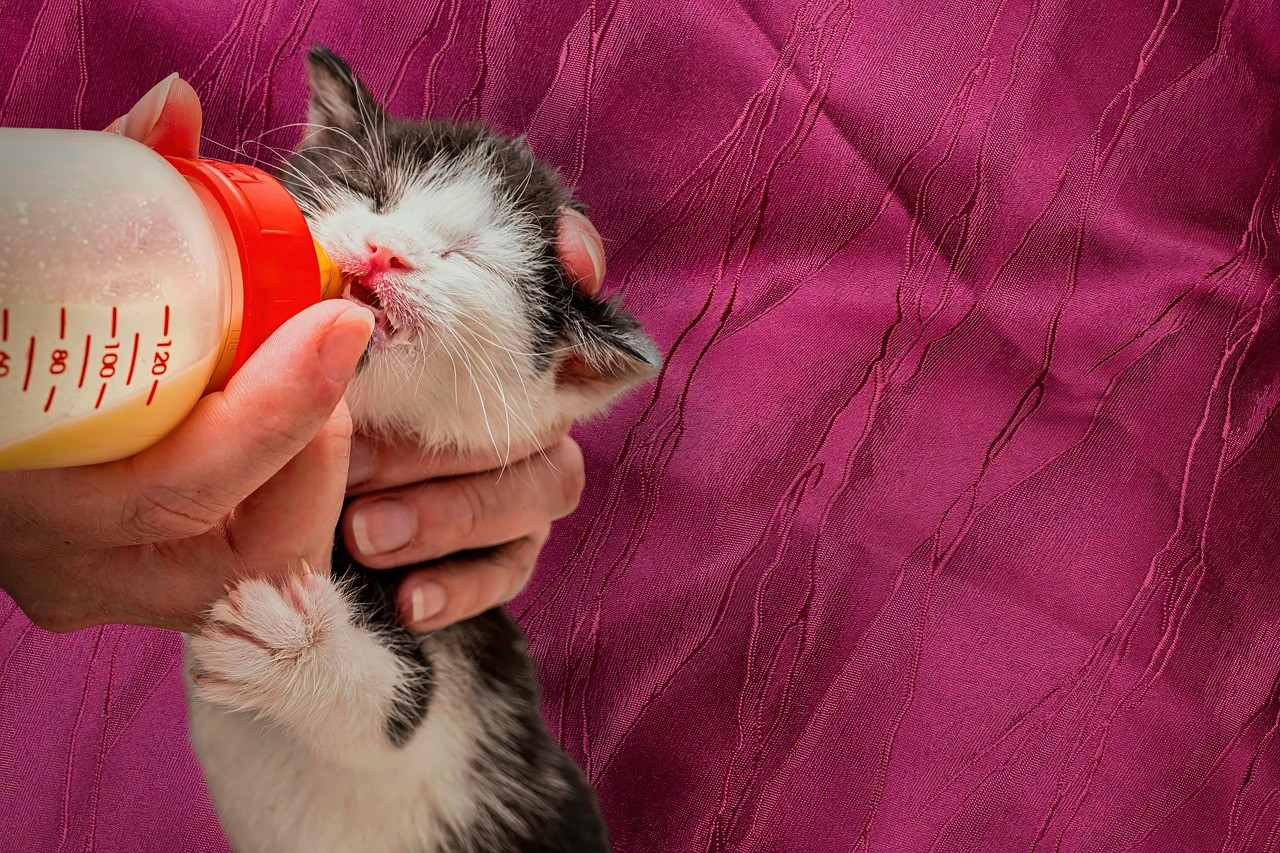
The simplest and most common option is to visit a shelter, farm, rescue center, or similar facility and help care for animals directly. Volunteers feed and water animals, clean enclosures, interact with and socialize them, walk dogs, and help create safe habitats for wild animals. None of this requires special qualifications, although it can sometimes be physically demanding or inconvenient.
However, there are many other ways to contribute:
- Animal transportation by land or air. This is a rare but highly valuable role. You can volunteer with private organizations that specialize in pet transportation.
- Fostering. You can take an animal into your home, care for it, and help socialize it until a permanent family is found. One side effect of this type of volunteering is that it can be difficult to part with a pet you have grown attached to.
- Helping first-time pet owners. If you are an experienced pet owner, you can support others who are welcoming a new animal into their lives. Shelters often provide such guidance, but you can also offer your assistance independently or through a shelter.
- Remote assistance. You can make a difference online without leaving home by managing social media accounts, searching for adopters or foster homes, and organizing fundraising or charity events.
There is also the option of contributing your professional skills. You do not necessarily need to become a regular volunteer to help. If you are a veterinarian, you can perform medical procedures; if you are a photographer, you can take professional photos; if you are a builder, you can supervise construction or repair work; and so on. Remember: even a one-time contribution can make a tremendous difference.
List of Shelters and Organizations Helping Animals in Cyprus
This list is by no means exhaustive. Many more organizations and independent volunteers can be found through Russian- and English-language resources.
Animal Shelters
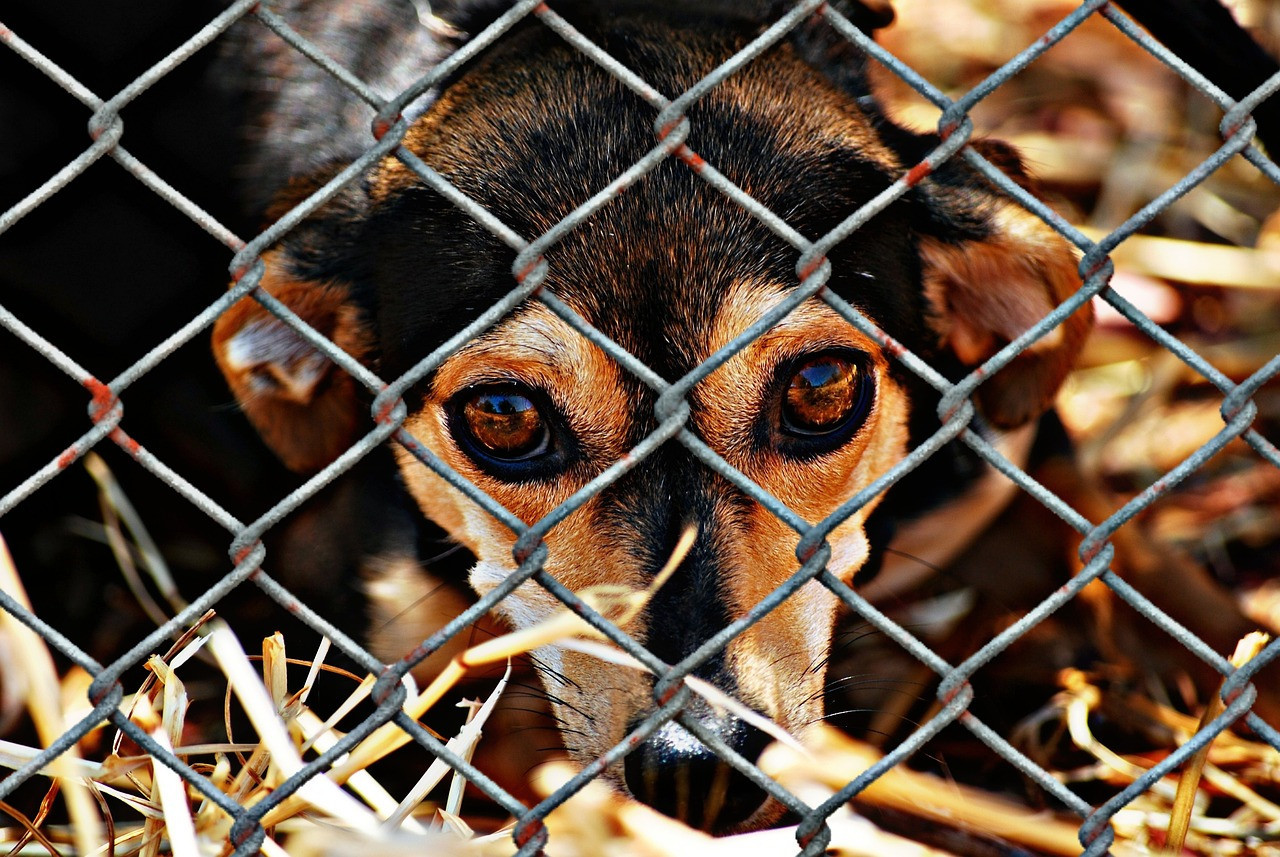
Simba Animal Aid. A shelter in Nicosia that rescues and rehomes dogs. It has a strong community network and welcomes volunteers, even those with no previous experience caring for dogs.
Cyprus Pride House. A shelter located in the Troodos Mountains that cares for both cats and dogs. The organization offers volunteer opportunities with accommodation for international volunteers.
Cyprus Dog Rescue. A dog shelter in Ayia Napa that regularly seeks volunteers and fundraising support.
Malcolm Cat Protection Society. More than just a shelter, this is a comprehensive cat welfare organization. It helps both stray cats and those searching for a new forever home.
Wildlife Conservation Organizations
Wildlife Rescue and Rehabilitation Center. This organization rescues barn owls, pigeons, pelicans, mouflons, and protected turtle species that nest in Cyprus. It is a well-established conservation center where support can come not only through donations but also through hands-on involvement. The center accepts volunteers and provides accommodation and three meals per day. A contribution of €30 per day is required.
EuroTurtles. An organization dedicated to protecting the endangered loggerhead sea turtle (Caretta caretta). It has been operating since 1970 and accepts volunteers for specific programs that have relatively high entry requirements.
Terra Cypria. A non-governmental organization focused on protecting sea turtles and their habitats. Founded in 1992 and based on the Akamas Peninsula, it regularly organizes educational programs and seminars, making it possible to get involved not only as a volunteer but also as a participant in training activities.
Volunteering in Cyprus is a wonderful opportunity to make a positive impact, discover a different side of the island, meet new people, and gain valuable experience. You might even find a new pet along the way! It is also worth remembering that volunteering opportunities in Cyprus extend far beyond animal welfare. The island offers numerous social programs and initiatives where volunteers can support wildlife conservation, children, people in need, and even business start-ups. Some hotels and farms welcome volunteers by providing accommodation and meals, while educators are often needed for community events and public activities.
Read also: