Traditional architecture in Cyprus is a true encyclopedia of the island’s history and culture. From colorful stone village houses to refined urban buildings and mansions of the Ottoman period, local structures are outstanding examples of sustainability and engineering ingenuity.
What makes Cypriot architecture so distinctive? Which construction technologies and materials were used in the past? Let us uncover the secrets of traditional Cypriot homes.
Neolithic Origins
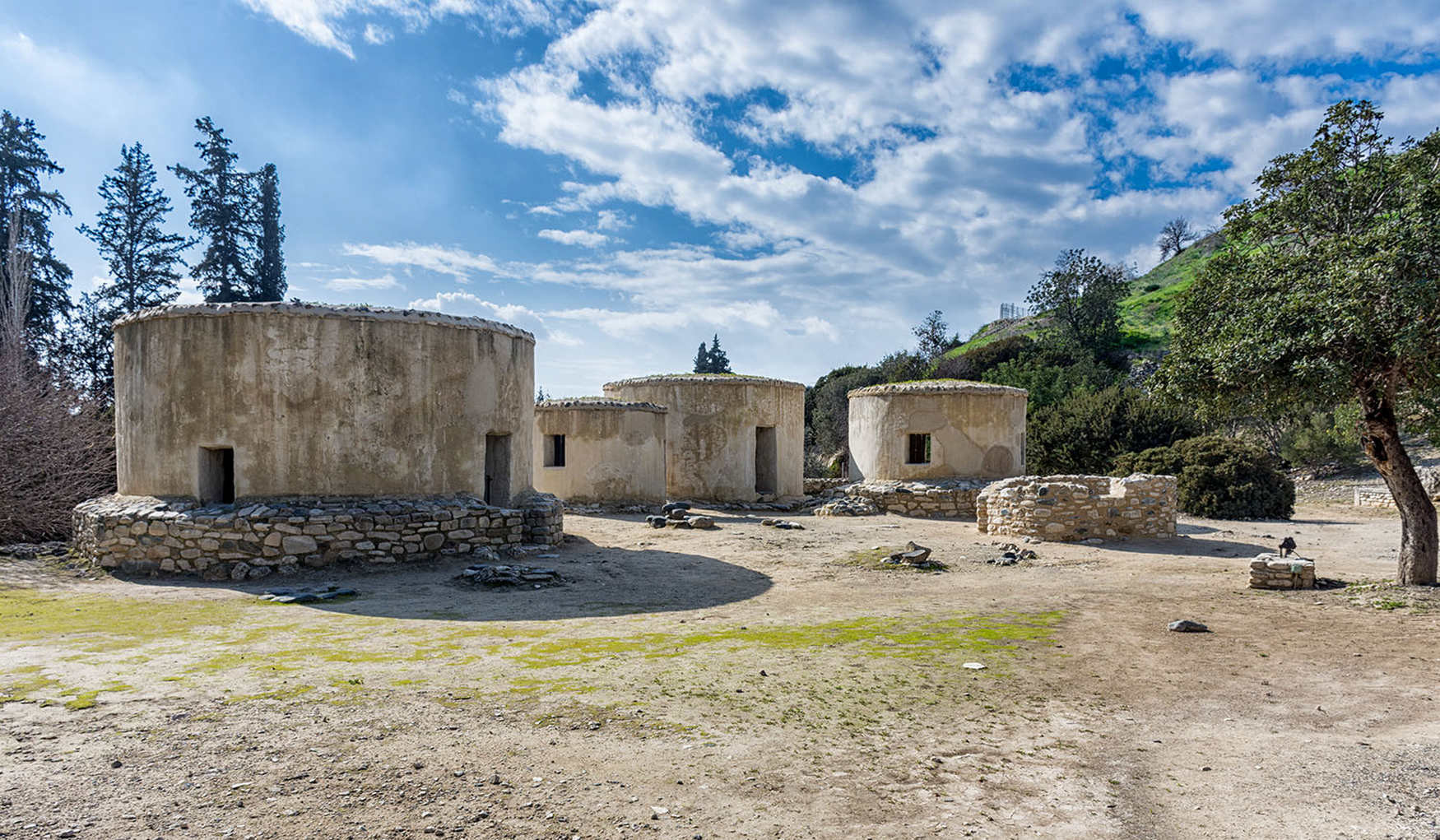
The first settlements in Cyprus appeared during the Neolithic period (7000–5800 BC). Visitors to Choirokoitia can still see the remains of these ancient dwellings. Their circular shape helped prevent the walls from overheating under direct sunlight and also enhanced structural stability. At the same time, it created a natural thermal envelope that maintained a comfortable indoor temperature and minimized exposure to external conditions. The foundations were also circular and built of stone, providing stability and protecting the houses from moisture.
Since cement did not yet exist, builders used a mixture of clay and earth as a binding material. The walls were made of adobe, constructed from sun-dried mud bricks. These bricks were formed from clay mixed with straw and other plant fibers, with water added to create a workable mass. The bricks were then molded and dried in the sun. Because adobe is made of natural porous materials, it provided excellent thermal insulation, protecting interiors from the summer heat while retaining warmth during winter. The material also allowed the building to “breathe.” By absorbing and releasing excess moisture, it reduced the likelihood of cracking, unlike modern concrete.
Archaeologists believe the roofs were flat and consisted of wooden beams covered with branches, reeds, and brushwood. A layer of clay was applied on top to protect against rain and improve insulation. Unlike later houses, these circular Neolithic dwellings consisted of a single interior space with no separate rooms. A central hearth was used for cooking and gathering on cold winter evenings. The circular shape also had deep symbolic meaning, representing fertility, the cycle of life, protection, and continuity between generations. Excavations at Choirokoitia uncovered burials beneath the house foundations. Human remains were placed in pits under earthen floors, often in a fetal position, and accompanied by jewelry and stone vessels.
These circular Neolithic houses served as the center not only of an individual family, but of an entire lineage. In a literal sense, everyday life unfolded above the graves of ancestors: families cooked, rested, raised children, and gathered together. The house thus became both a shelter and a sacred center linking generations. Site selection was equally important. Builders carefully considered topography, access to water, and prevailing winds. Houses were often oriented to avoid the harsh midday sun and ensure effective ventilation.
Village Houses: A Continuation of Tradition
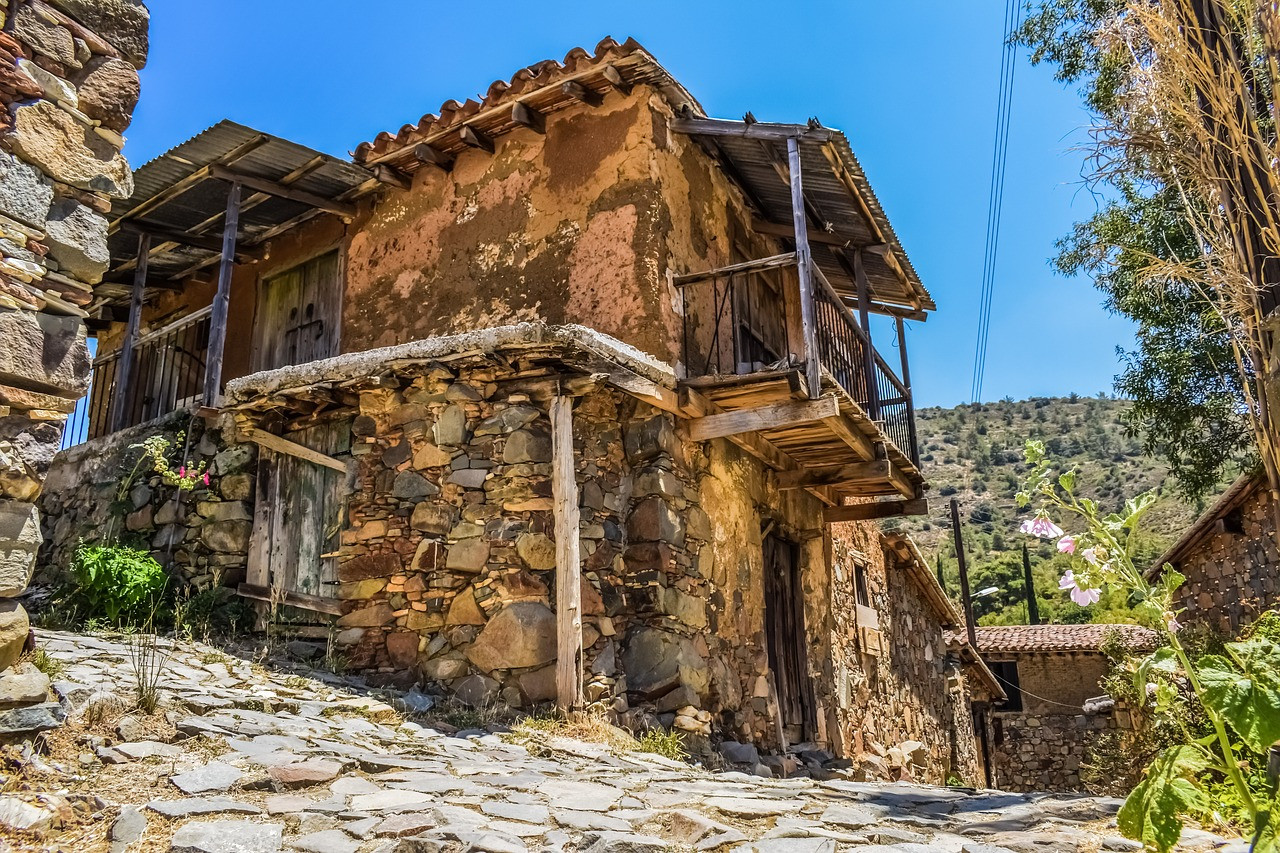
In later periods, traditional Cypriot houses adopted rectangular forms but preserved many Neolithic features, including thick adobe walls, multifunctional spaces, and harmony with the surrounding landscape. In mountain villages around the Troodos range, houses appear to cascade down the slopes, stacked one above another. Although they may seem fragile at first glance, these structures were the result of precise calculations and careful planning. Many were literally built into the rock, with the rear wall often forming part of the mountainside, which increased their structural strength.
The lower walls were particularly robust, designed to withstand soil erosion, seismic activity, and the weight of upper levels. Builders used thick load-bearing masonry with interlocking stonework, strengthened with lime or clay mortar. Upper floors were usually lighter and featured thinner walls.
Like Neolithic settlements, later Cypriot villages developed organically. As a result, houses often have irregular shapes, while winding streets follow the contours of the terrain. Multi-level terraces formed the basis of these settlements. In some cases, the roof of one house served as the foundation level of another. This arrangement created shade, protected against the summer sun, and sheltered homes from winter winds.
Only local materials and stone were used, which explains the distinct appearance of villages across the island. Houses in the high Troodos mountains, such as in Kakopetria and Kalopanayiotis, were built from volcanic rock in shades of brown, beige, gray, and ochre.
In other regions, including villages such as Lefkara and Omodos, homes were built from white limestone. As a result, traditional Cypriot architecture blended visually with the surrounding landscape and became an inseparable part of it.
Mountain houses featured pitched triangular roofs to protect against snowfall, while homes on the plains and near the sea had flatter roofs. Although the ancient practice of burying family members beneath house foundations disappeared, traditional Cypriot homes continued to serve as the center of extended family life. Houses expanded as families grew. When children married, new rooms were added or additional floors were constructed.
For Cypriots, a house has always been more than just real estate. It symbolizes a spiritual connection to ancestors, family honor, and continuity between generations. The Neolithic central hearth evolved into the traditional oven, built from adobe and stone with clay, straw, and ceramic fragments to improve heat retention. Its rounded form still echoed ancient architectural traditions.
This is especially evident in the village of Fikardou, where the rounded dome-shaped oven forms part of the architectural identity of many houses. One side of the oven is integrated into the outer wall, while the open side faces the interior, allowing homes to be heated efficiently during winter. The dome and thick walls distributed heat evenly and reduced the amount of firewood required.
Known in the local dialect as the “fournos” (φούρνος), the oven remained a central feature of Cypriot homes, serving not only practical purposes but also ritual and social functions. As in ancient times, it was associated with fertility, the feminine principle, and strong family ties. Several generations often lived in neighboring houses connected by a shared courtyard, which contained storage and utility spaces and served as a gathering place for the entire family. Over thousands of years, the defining characteristics of traditional village houses remained their compactness, privacy, sustainability, and emphasis on family bonds.
The Refined Charm of Urban Buildings of the Venetian and Ottoman Eras
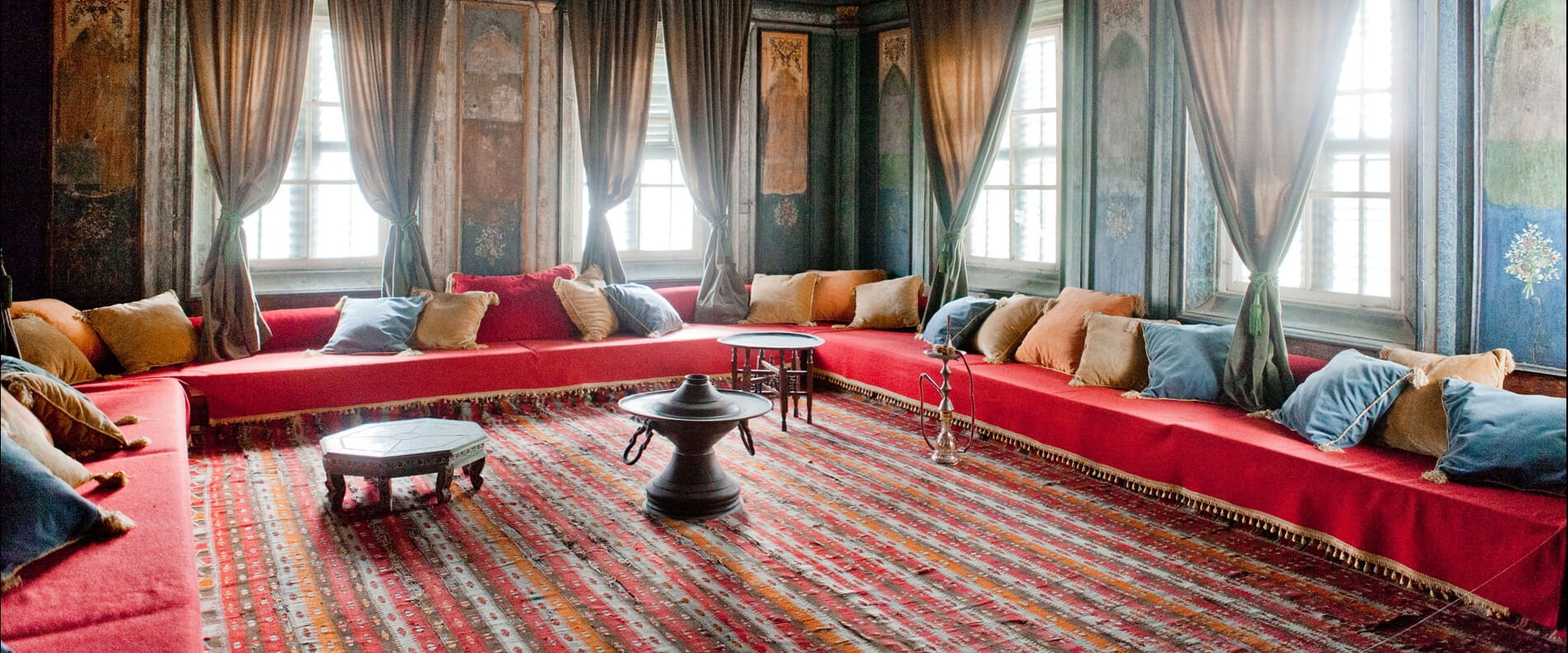
During Venetian rule (1489–1571 AD), Cypriot houses acquired many new decorative features. Urban residences and spacious mansions were built in stone and distinguished by symmetrical facades, arches, ornamental loggias, inner courtyards, and Gothic details. During the Ottoman period (1571–1878 AD), homes became even more private and climate-responsive. Daily life centered around internal courtyards. The outer walls were relatively plain and served primarily as protective barriers. Yet behind them lay true oases with lush gardens, spreading trees, and fountains that provided shade and coolness during the intense summer heat.
Another characteristic feature of the period was the covered veranda known as the “iliakos.” This “sun room” overlooked the courtyard and functioned as a summer living room or reception area. Traditional urban houses were, in fact, a synthesis of Venetian, Ottoman, Byzantine, and Levantine styles. They are renowned for their stone arches, elegant balconies, and richly decorative details. Their most distinctive features include high ceilings, massive wooden doors, and tall windows with wooden shutters.
As with earlier buildings, the walls were constructed of adobe and clad externally with limestone. Their thickness, often between 50 and 80 centimeters, provided excellent thermal insulation and created opportunities for built-in storage. Wide window sills could serve as shelves, while niches in the walls were used to store decorative items, dishes, and food supplies.
Inside these houses, rooms are typically of similar size, measuring approximately three to four meters in both width and length. This is linked to an interesting old tradition. When a daughter was born, her father would plant a grove of cypress trees. According to local custom, the bride’s family was responsible for providing housing for the newlyweds, either by building an extension or constructing a new house. Cypress timber was commonly used for roof beams. In earlier centuries, girls often married at around sixteen years of age—just enough time for the trees to grow to the required length. Interestingly, rooms in ancient Roman houses were often of comparable dimensions.
To appreciate the beauty of traditional urban architecture, one should walk through the streets of the Old City of Nicosia within the Venetian walls. Highlights include the House of Hadjigeorgakis Kornesios and the Lusignan House.
A Living Legacy
Today, a growing number of young Cypriots are returning to their roots. This trend extends to construction methods, as more architects, researchers, and homeowners take an interest in traditional architecture. Compared with many concrete buildings of the twentieth century, which often provide poor protection against heat, cold, moisture, and noise, traditional houses stand out for their excellent insulation and natural ventilation, significantly reducing energy consumption.
Researchers have discovered that ancient builders were using principles of eco-design long before the term “green architecture” was coined. These principles include cross-ventilation, shaded transitional spaces, atriums, passive cooling systems, and seasonal adaptation of living areas.
Workshops on traditional building crafts are becoming increasingly popular across the island. These include courses in stone masonry, carpentry, adobe brick production, and traditional oven construction. At the same time, Cypriot architects are incorporating more traditional ecological elements into contemporary projects.
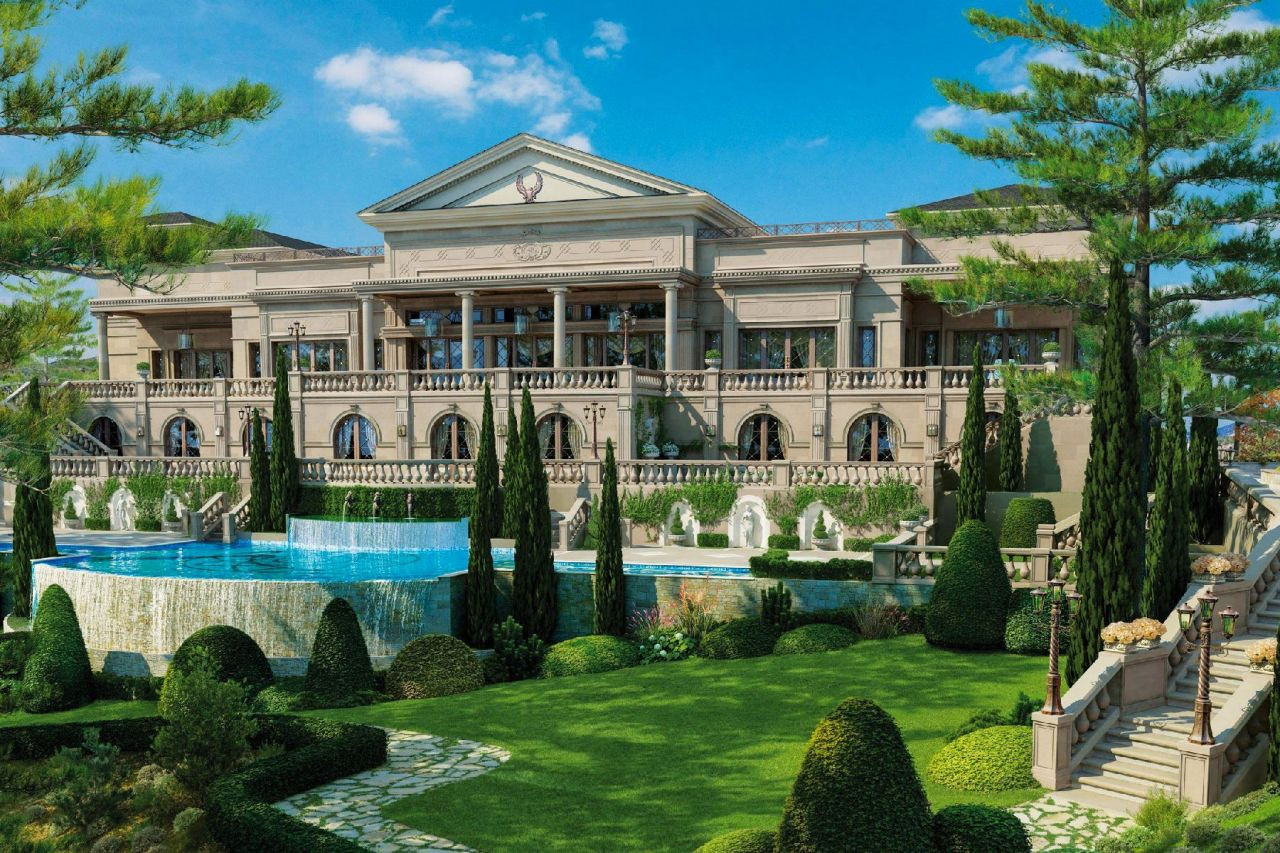
Traditional architecture in Cyprus is not merely a colorful expression of local identity. It is also a compelling example of how ancient builders skillfully adapted homes to the island’s climate and terrain. Cypriot houses form a bridge to the land and to ancestors. Their natural shapes and textures capture the very essence of the island, with its seasonal rhythms, brilliant sunlight, enduring traditions, and deep continuity between generations.
Read Also:
- The Cost of Living in Cyprus in 2026
- Cyprus: The Island That Gave the World Copper
- Kyperounta Sanatorium: A Forgotten Gem of Cyprus’s Colonial Architecture
- Giving Birth in Cyprus: Costs and Citizenship Procedures in 2026
- A Cyprus Summer Without Surprises: How to Rent the Perfect Home and Enjoy Your Vacation