Have you ever experienced that special feeling when you know something important just a little earlier than everyone else? As if the curtain had been lifted for you and you were allowed backstage while everyone else was still standing in line at the ticket office. This is roughly what pre-sale looks like in the real estate market — a format that allows you to become the first owner even before the project is officially presented to the wider public.
Today, we will take a detailed look at what pre-sale in Cyprus is, why it is one of the most profitable ways to invest in property, who this format is suitable for, and, most importantly, how to choose the right developer and minimize risks.
What Is Pre-Sale and How Does This Mechanism Work?
Pre-sale is a sales stage during which a developer begins offering properties long before the official launch of the project. At this stage, the complex is not yet listed in open catalogs or on real estate websites. Only a narrow circle of people knows about it: company partners, specialized agencies, and clients who remain in постоянном contact with the developer.
For developers, pre-sale solves several tasks at once. First, it is a test of real interest in the project: if units begin to be reserved even at the documentation stage, it means the concept has been chosen correctly. Second, it provides early investments that help finance construction without relying on expensive bank loans. Third, it allows developers to receive feedback from the first buyers and, if necessary, adjust layouts or options.
However, the greatest benefit always remains on the buyer’s side. And here is why. The Cyprus real estate market has demonstrated steady growth in recent years. According to the RICS and KPMG report for the first quarter of 2026, apartment prices on the island increased by 4.5% year-on-year, while house prices rose by 4.1%. And these are only the official statistics across all properties. But what happens to a specific project from the pre-sale stage to the moment of completion? The difference can reach 20–30%. When you buy at the launch stage, you lock in a price that, in a year or two, will seem incredibly attractive.

Entry Price: Why Pre-Sale Is 10–20% Cheaper
The most obvious and compelling argument in favor of pre-sale is the price. Property at this stage is usually significantly cheaper than market value. Experts in Cyprus confirm that housing purchased at an early stage can cost 15–20% less compared to completed properties in the same area.
Why does this happen? By selling properties during the pre-sale stage, the developer receives construction funding without the need to take out interest-bearing loans. They are willing to share part of their future profit with those who believe in the project and are ready to join at an early stage. It is a classic model where the developer reduces financial risks while the buyer receives a discount.
But the discount is not the only advantage. Many developers during the pre-sale stage are open to negotiations. You may discuss bonuses such as free parking, a storage room, upgraded finishing, or the inclusion of household appliances in the price. During the official sales stage, when demand is high, such concessions become much rarer.
In addition, it is important to remember the tax aspects. Cyprus offers a reduced VAT rate of 5% on new real estate for individuals purchasing property for permanent residence. However, this rule applies only to the first 130 m2. At the same time, the total value of the apartment or house must not exceed €350,000, and the total area must not exceed 190 m2. This means that the earlier you enter the project, the more time you have to structure the transaction properly.
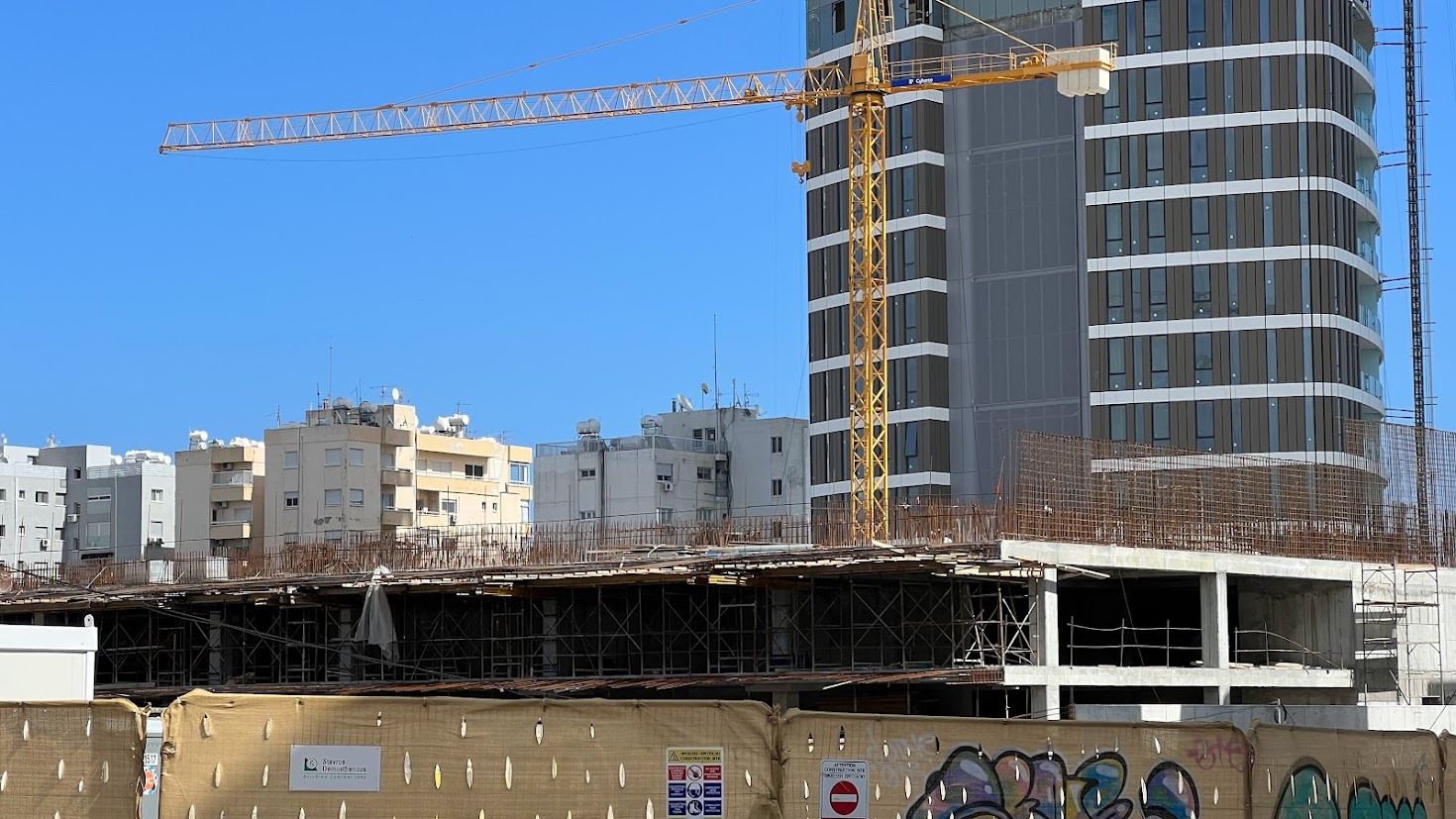
Maximum Choice: The Best Units Go First
Imagine walking into a store an hour before opening time. All the shelves are fully stocked, the most popular items have not yet been taken, and the consultants are ready to give you their full attention. That is roughly what pre-sale looks like, except we are not talking about supermarket goods, but corner apartments with panoramic windows, penthouses with rooftop terraces, and sea-view properties.
At the pre-sale stage, every option is available. You can choose from the entire range: the best floors, rare layouts, and properties with the most attractive views. This is especially important if you are buying real estate for yourself and want to secure that exact perfect option rather than whatever is left after active sales begin.
Once the project enters the open market, the most desirable units are sold within the first days, and sometimes even hours. Those who joined during pre-sale have already made their choice. Those who waited for the official launch often hear: “That apartment is no longer available, but there is a similar one on a lower floor.” Similar does not mean the same — especially when it comes to the view or a unique layout.
It is also important to consider the current market situation. According to 2025 data, the number of apartment transactions in Cyprus increased by 23% compared to the previous year, while house transactions rose by 31%. Demand for quality housing remains high, especially in Limassol — the island’s business capital — where the median price of a new-build property reached €650,000. Under such conditions, the ability to enter a project at an early stage becomes a competitive advantage that directly translates into money and comfort.

Growth Potential: How Value Increases from Launch to Completion
When you buy during the pre-sale stage, you benefit from two factors at the same time. The first is the natural growth of the market. The second is the premium added simply by the completion of construction.
Imagine a simple calculation. You enter a project at the excavation stage for €300,000. Six months later, when the walls are up and the windows installed, the developer raises the price to €330,000. Another six months later, during the final finishing stage, the price reaches €360,000. And by the time you receive the keys and register ownership, the market value is already around €380,000–390,000. The difference between your entry price and the final value is your potential profit.
Of course, the figures may vary depending on the location, project class, and overall market conditions. However, the principle remains unchanged: the closer the project gets to completion, the higher the developer’s price becomes. You enter the game from the strongest possible position — earlier than everyone else and at the minimum price.
It is worth adding that apartments and houses in Cyprus have shown steady growth in recent years. According to the Central Bank of Cyprus, housing prices increased by 10.4% year-on-year in 2023, by 7.6% in 2024, and by 8% in 2025. Forecasts for 2026 are also positive: experts expect growth of 5–8% in the standard segment and up to 10% in the premium segment. Investments in pre-sale properties make it possible to achieve returns above the market average precisely because you secure the property at the lowest possible price.
In addition, it is important not to overlook rental potential. New developments in Cyprus are in high demand among tenants — both long-term residents and tourists. According to RICS data for the first quarter of 2026, the average rental yield for apartments in Cyprus reached 5.42% annually. If you purchase during pre-sale and then rent out the property after completion, your total income consists of both capital appreciation and rental payments. This is one of the most reliable ways to preserve and grow capital.
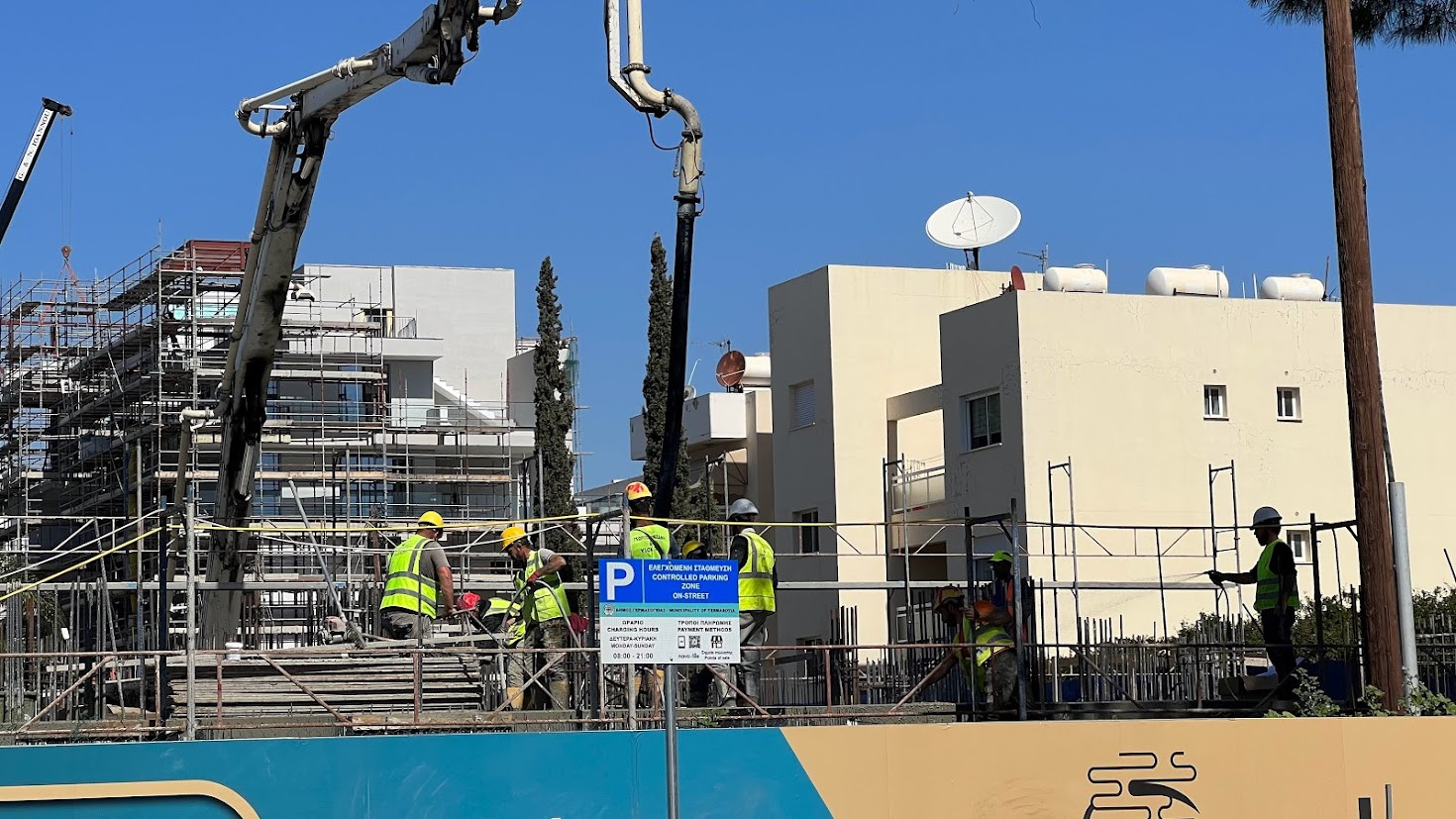
How to Check a Developer and Avoid Mistakes: Practical Tips
Now let us move on to the most important part — the aspect that raises the greatest number of questions and concerns among buyers. Pre-sale truly offers enormous advantages, but it also carries certain risks. The main one is the reliability of the developer. How can you make sure the company will fulfill its obligations and that you will receive the promised apartment on time and with proper quality?
Cyprus has transparent real estate legislation, and cases of defrauded buyers are far less common here than in many other countries. However, this does not mean you should rely on luck. Checking the developer is a mandatory step that must not be overlooked.
The first thing you should do is study the company’s reputation. How many years has it been operating in the market? Which projects has it already completed? It is a good sign if the developer has a long history in a particular city. In Cyprus, many companies have worked in the same location for decades, building unique experience and expertise. Such developers usually have a solid client base and a deep understanding of the specifics of each municipality.
The second step is to look at completed projects. Ideally, you should visit and inspect the buildings in person. What do the facades look like? What condition are the entrances and surrounding areas in? In Cyprus, construction quality requirements have only become stricter over time, but a building that is 10–15 years old should not be visibly deteriorating. If everything looks well maintained, that is a good sign.
The third step is to check the legal background. Make sure the developer has all the necessary construction permits. Find out who owns the land plot and whether there are any encumbrances or mortgages on it. This is critically important. In the practice of Cypriot lawyers, there have been cases where land was mortgaged to a bank, and after the developer encountered financial difficulties, construction was frozen for years.
Fourth, study the company’s financial position. The most reliable developers build using their own funds rather than borrowed money. If a company operates transparently, it will never hide the financing structure of the project. Do not hesitate to ask direct questions. You have every right to know what funds are being used to build your future home.
Fifth, review the Sales Agreement with a lawyer. Do not rely solely on your intuition or online translators. Cypriot legislation has its own nuances, and a qualified specialist will notice details that an ordinary person might miss. The agreement should clearly specify the price, completion deadlines, payment schedule, the developer’s liability for delays, and warranty obligations.
Sixth, pay attention to the payment structure. Standard practice in Cyprus involves staged payments linked to specific phases of construction. For example, 20–30% upon signing the contract, followed by equal installments as the foundation, walls, roofing, and finishing works are completed. This protects your interests because you pay only for the work that has already been completed. Never agree to full prepayment before receiving the keys. And finally — use professional assistance.

Who Is Pre-Sale Suitable For and When It May Not Be the Best Choice
The pre-sale format is not suitable for everyone, and it is important to honestly ask yourself: does this option match my goals and circumstances? Pre-sale is ideal for investors who think ahead. If you want to buy a liquid asset at the lowest possible price and profit from its appreciation by the time the property is completed, this is your option. You are prepared to wait one or two years, understanding that in the end you will receive not only an apartment or house, but also a substantial difference between the entry price and the market value.
Pre-sale is suitable for those who want to choose “their” perfect option. You are not willing to settle for what is left over — you want the best floor, the most convenient layout, and the best view. Pre-sale gives you this opportunity.
Pre-sale is also for those who value exclusivity and access to off-market opportunities. There is a special atmosphere in being among the first. It reflects your awareness, speed in decision-making, and ability to spot opportunities before others.
However, there are situations when pre-sale may not be the right fit. If you need to move into a new home immediately — for example, if you are relocating to Cyprus in the coming months — it is better to consider completed properties. A new development at the excavation stage will not be ready for at least a year to a year and a half, and sometimes even longer.
If you are not prepared for temporary uncertainty. Even the most reliable developer may face delays caused by weather conditions, bureaucratic procedures, or contractor-related issues. Usually, schedule deviations amount to several months, but you should be mentally prepared for such a scenario.
If you do not want to dive into details and prefer to trust the process “at face value.” Pre-sale requires involvement. You need to verify the developer, review the contract, and monitor the stages of construction. This is not the kind of situation where everything can simply be left to chance.
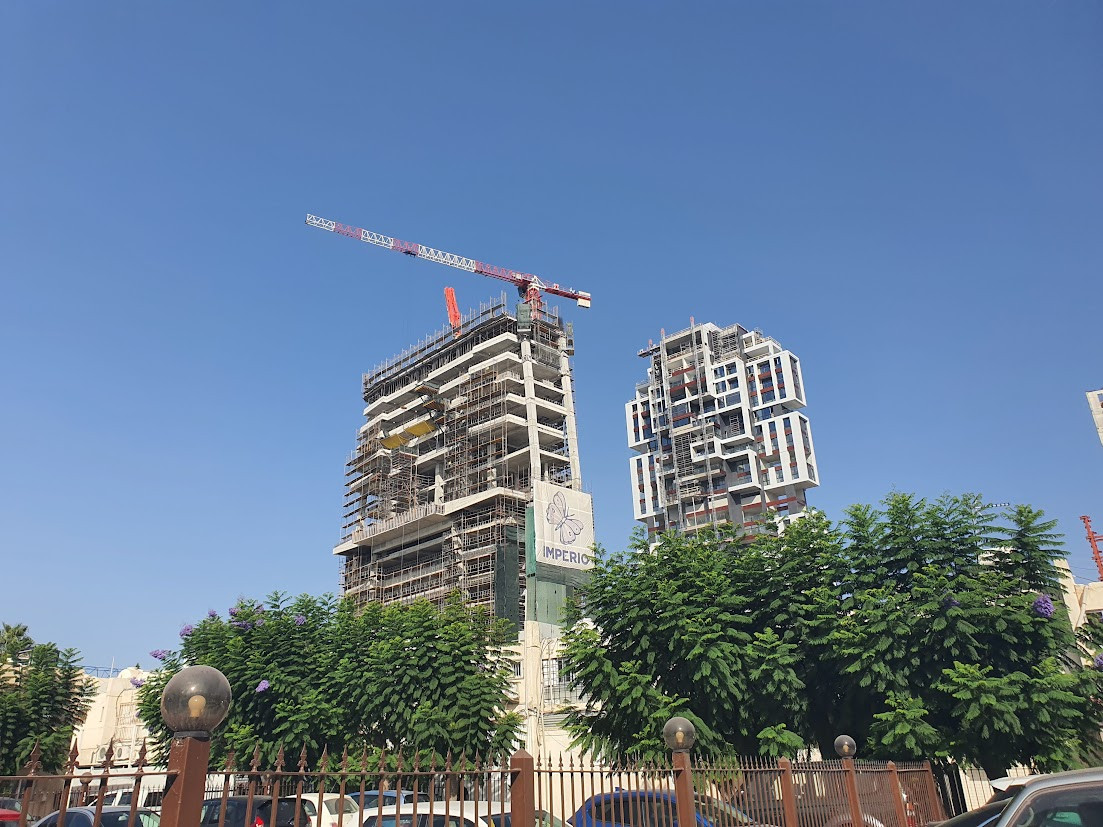
Why Pre-Sale Is About Strategy and Calculation
Pre-sale in Cyprus is not about spontaneous decisions. It is about careful calculation, a well-thought-out strategy, and confidence in the future. It is an opportunity to enter a project with maximum advantage while the best units are still available and the price is working in your favor rather than against you.
The Cyprus real estate market continues to grow. Demand remains high. Preferential tax conditions are still in effect, although the timeframes for their application are limited. All of this creates ideal opportunities for those who act quickly but thoughtfully.
The key is not to rush your decision, but also not to postpone it indefinitely. Check the developer carefully. Hire a good lawyer. Read the contract down to the last detail. Then your pre-sale purchase will become not just a profitable investment, but a foundation for your future — whether it is a personal home by the sea, a rental apartment, or an asset for resale with a strong margin. Pre-sale opens the door behind the scenes. The only question is whether you are ready to step inside.
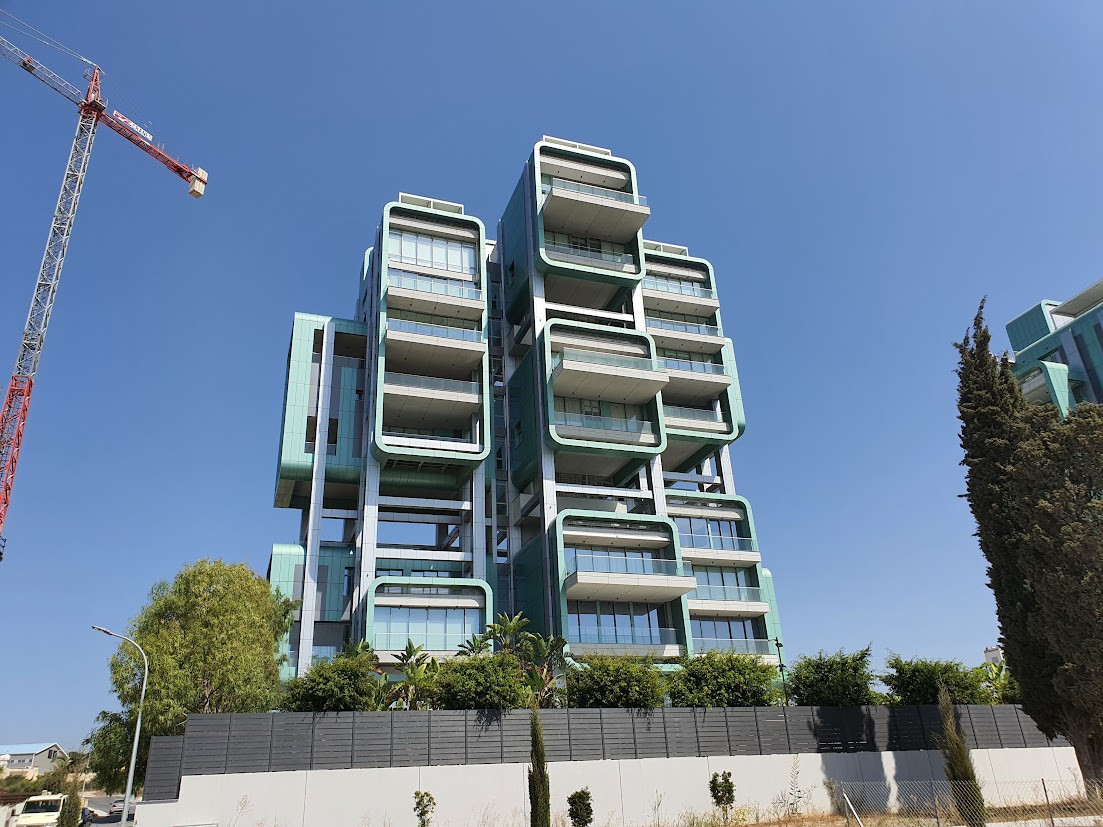
How to Find Pre-Sale Projects
If you want to get into the most profitable projects early on, it's important to stay connected with professional brokers and the market as a whole. The best pre-sale offers are often not publicly available and are available to a limited number of clients before the official launch of sales. Therefore, the key strategy is not to wait for publications, but to establish direct contact with experts who work with developers and are the first to receive information about new complexes.
In practice, it's simple: submit a consultation request and stay in constant contact with brokers while you're searching for your perfect property. This way, you can access closed listings, choose the best floor plans, and enter projects on the most favorable terms even before they hit the mass market.
Submit a request to search for pre-sale projects
Read also:
- The Cost of Living in Cyprus in 2026
- Cyprus — The Island That Gave the World Copper
- Halloumi in Cyprus: An Authentic Recipe from Village Housewives and the Secrets of Cheesemaking
- Hanane Auri: In Cyprus, Business and Lifestyle Are Not a Compromise but a Synergy
- Selling an Apartment in Protaras with a Tenant: Nuances Realtors Keep Quiet About