Leaving your furry companion behind while travelling can be stressful. But sometimes it is unavoidable and with the right arrangements, you can enjoy your trip knowing your four legged companion is safe and sound.
Cyprus offers a thriving pet care scene with plenty of pet sitting services: from dedicated dog hotels to home boarding and verified pet sitters. However, choosing the right arrangement requires careful planning. To get the guesswork out of this process we have prepared this guide for arranging safe and reliable care for your dog. From evaluating local kennel facilities and home-boarding options to managing peak holiday demand and local environmental challenges, we’ve got you covered!
Fast Track: Quick Choices for Your Dog's Care
Choosing the right type of care for your dog can feel overwhelming, especially if you're arranging boarding or pet sitting for the first time. From selecting the most suitable care option and booking well in advance to preparing the necessary documentation — there are many important factors to consider.
To take the stress out of this process we have created a brief overview of available pet care models to match your schedule, budget, and your dog's specific temperament.
Kennels vs. Home Boarding vs. House Sitters
Cyprus’s pet care market offers a variety of dog boarding options: from dedicated kennels facilities and dog hotels to family-style environments and private house pet sitters. Let's take a look at their pros and cons.
— Commercial kennels and pet hotels are purpose-built boarding facilities staffed by trained caregivers. Dogs usually follow a structured daily routine that includes feeding, exercise, and supervised rest. It could be a perfect option if your dog is well-socialised and doesn't get stressed in unfamiliar settings. It is one of the cheapest accommodation options, starting from 15—30 euro p/night. However, such facilities might be less flexible when it comes to individual routines.
— Home pet boarding offers a more «homely» and family-style experience. Instead of staying in a kennel, the dog lives in the home of an experienced pet sitter, often with fewer animals and a more personalised routine. It is great for more sensitive dogs and provides owners with more control over their pet’s daily routine. Pricewise, it could be slightly more expensive than kennels, starting from 20—35 euro p/night.
— House sitting or in-home pet sitting allows the dog to remain in its own home while a professional sitter either visits several times a day or stays in the house. Pet sitting is ideal if you have a dog that gets stressed easily or has some medical conditions that require a strict daily schedule. House sitting offers more flexibility to the owners and a highly individualised approach to their pet. The prices range depending on individual sitter and their level of experience and can range from 30 to 40 euro p/night.
The Expat Summer Bottleneck
Summer months, particularly July and August, are the busiest vacation season on the island. Everything piles up together — school holidays, hot weather and local public holidays. So, whether you want to escape the August heat or go on a family vacation, you must arrange your furry companion’s stay well in advance. Because of such high demand, most reputable facilities on the island often reach full capacity weeks or even months in advance. On top of that, smaller, high-quality businesses tend to fill up quickly, as regular clients often reserve the same dates every year. Some facilities even maintain waiting lists or require deposits to secure summer reservations.
Private house pet sitting providers can also be busy or away on holidays during this time.
That's why it is highly recommended to start the process weeks and sometimes months before your trip.
Mandatory Health and Vaccination Checks
Most kennels and trusted pet sitters in Cyprus will require proof that your dog is healthy and up to date with all the vaccinations before accepting a booking. So, before arranging your dog's stay, ensure your pet's veterinary health booklet (pet health record) is current. While individual requirements may vary, some of the most common prerequisites are:
- Up-to-date core vaccinations, particularly against canine distemper, parvovirus, infectious hepatitis, and rabies where applicable.
- A recent kennel cough (Bordetella) vaccination.
- Current flea, tick, and intestinal worm treatments.
- Good overall health, with no signs of contagious disease.
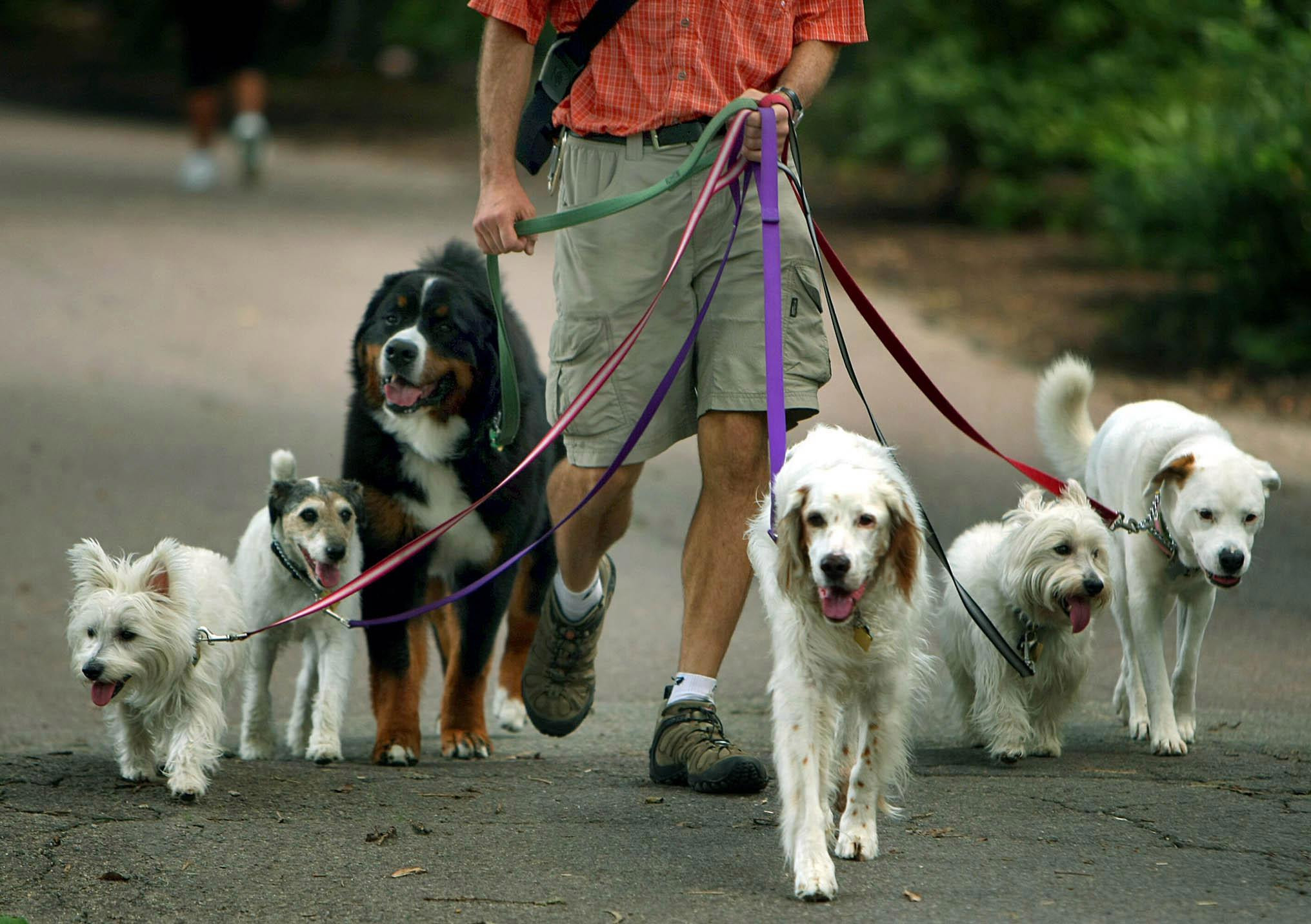
Commercial Kennels and Pet Hotels: The Resident's Evaluation
Dedicated kennels were long used as a traditional dog-boarding facility in Cyprus.
They provide safe boarding, where dogs stay in individual indoor/outdoor kennel runs, are fed on schedule, exercised once or several times a day, and supervised by staff. While some kennels are very good, others might provide only the basic facilities.
At the same time, dog hotels are growing in popularity. They are often marketed as premium pet boarding facilities. In addition to accommodation, they often provide: climate control, larger exercise and play areas, more human interaction and enrichment. Some extra services such as grooming, training, daycare or pet taxi, can also be offered.
Some of the top-rated dog hotels include:
- Noah's Retreat Dog Hotel & Daycare in Pano Polemidia.
- The Little Stars Dog Hotel, Nicosia.
- Home from Home Dog Hotel, Limassol.
- Dog Hotel in Koloni, Paphos.
- Louis Little Star Kennel Hotel & Training in Aradippou, Larnaca.
So let's explore how to ensure your dog handles the stay without severe stress.
Climate Control and Heat Management
Cyprus is known for some of the hottest summers in Europe. Quite often the temperatures can reach up to +40C. Also, it's very sunny and dry — it is quite common to spend the whole summer without a drop of rain or a cloud in the sky. This makes air-conditioning a necessity rather than a luxury. Dogs cannot handle the extreme heat well, especially sensitive breeds. So, boarding facilities that rely solely on outdoor kennels, shade structures, or electric fans could be dangerous for your dog’s health. Before selecting a kennel make sure they have sufficient indoor facilities equipped with air conditioning and climate control. However, not all facilities advertising themselves as «air-conditioned» live up to their standards. So make sure to check whether they have genuine indoor, temperature-controlled accommodation where dogs can rest during the hottest part of the day.
Additionally, check whether dogs have access to cool indoor spaces throughout the day, not just at night, fresh drinking water is available at all times and they have contingency plans for power outages. And, of course, it is best to visit and inspect the facility in person before entrusting your pooch to their care.
Exercise Yards and Facility Security
Exercise and outdoor activities are absolutely paramount to a dog's health and happiness. So, when visiting a dog hotel take a look at their exercise yards and outdoor facilities. These are the telltale signs that they are safe and secure:
- Fencing is tall enough to prevent dogs from jumping over, with no gaps beneath or between panels, where smaller dogs could squeeze through.
- Gates have secure locking mechanisms.
- The surface is clean, well-drained, and free of hazardous objects or toxic plants.
- Sufficient shading is provided in order to eliminate the direct exposure to the sun.
Another important factor is whether dogs spend their exercise and playtime together or separately. Some boarding facilities favour supervised group play sessions, while others provide individual exercise. It is recommended to ask in advance how these sessions are structured and discuss your dog's personality, temperament, and specific requirements with the staff.
Managing Noise and Separation Anxiety
When choosing the dog hotel or a kennel it is good to consider the noise levels as well. The sound of multiple dogs barking, unfamiliar smells, and a completely new routine can be overwhelming, especially for dogs that normally live in quiet apartments or family homes.
Another issue is separation anxiety.
While some dogs adjust within a day or two, others may remain anxious throughout their stay.
Before committing to a kennel, ask them how they handle the stress in new arrivals.
Some facilities may offer quieter accommodation areas or individual boarding for dogs that become distressed in busy environments.
Packing familiar items such as the dog's usual bedding and favourite toys and items with your scent may help make the transition less stressful.
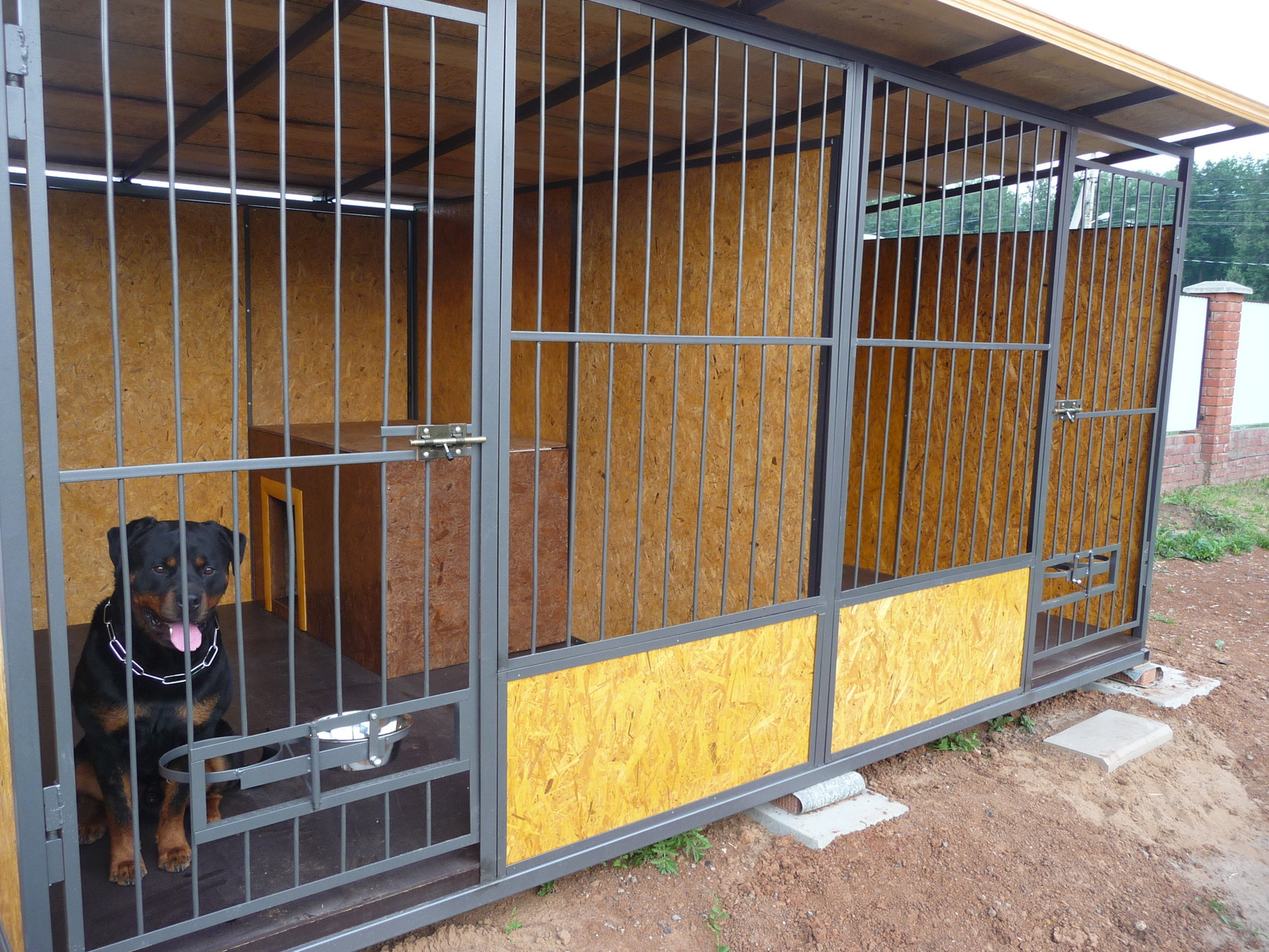
Home Boarding and Independent Sitters: The Community Alternative
Recently, the Cyprus dog owners have started moving away from structured pet hotels and kennels towards home boarding services and independent community pet sitters. This shift took place due to a growing expat population who tend to trust their fellow community members over kennel facilities. As more expat pet owners and pet care enthusiasts settled in Cyprus a vibrant pet lovers community was formed, creating a bustling pet-sitting niche. Currently, there's a plethora of dedicated online platforms and community forums connecting home boarding and house-sitting providers with dog owners. Generally, in Cyprus they are two main options:
- Home-boarding — where your pet would spend the time at the carer’s place.
- House sitting — where the carer stays in the dog owner’s home in order to maintain their pet’s exact routine.
Home boarding provides a more personalised service within a relaxed homely environment. Many dog parents want to make sure their pup gets plenty of love, affection and personalised care — things that are often more difficult to achieve in generic kennels. It's good to keep in mind though that compared to house sitting dog boarding might imply that your dog could be staying with other animals. On the other hand, house pet sitting is a perfect alternative for very sensitive dogs who get easily stressed in unfamiliar environments.
Finding Trusted Handlers in Local Networks
Finding a trusted person to take care of your furry friend can be a real challenge. So let's discover how to navigate trusted local platforms in order to find verified animal lovers who open their homes for boarding.
Amongst the most popular platforms are Petsly and WoofyCare as well as various dedicated Facebook groups.
Some pet owners also use big international platforms such as TrustedHousesitters, where for a small membership fee they can find pet sitters. However, their experience levels may vary as it is primarily a house swapping model rather than a professional dog-sitting platform.
Worthy of mention is an online directory — Pet Lovers Cyprus with verified listings of pet sitters, groomers, vets and more.
Official platforms typically verify contact details, provide client reviews and offer secure payment options.
Facebook has many local pet-owner groups organized by city or region. These groups are a great source of information as members provide recommendations based on their personal experiences.
Before booking a sitter it is important to follow these steps:
- Review the sitter's profile carefully. Look for previous boarding experience, clear photographs of the home, information about other pets and genuine client reviews.
- Arrange a meet-and-greet and introduce your dog to the sitter in person.
- Discuss your expectations in advance. It's important to confirm feeding and exercise schedules, sleeping arrangements, emergency contacts, communication during your pet's stay and any extra requirements you might have.
Some of the top rated local dog sitting services are:
- Charlie’s Home in Paphos
- Awesome Pawsome Pet Sitting & Dog Walking in Nicosia
- Paw Professionals in Limassol
The Meet and Greet Protocol
The casual meet-and-greet is an essential step when choosing a pet sitter. Seeing someone’s profile online is one thing, meeting them in person is quite another — it could either reinforce the good impression or make you cautious or wary.
It also offers a great opportunity to observe interaction between your dog and the caregiver. Pay close attention whether the sitter approaches the dog calmly, respects your pet's boundaries and demonstrates confidence and patience.
It's important to discuss your dog's preferences and daily routine: from feeding and exercise schedules, medical conditions and medications to your dog’s favourite toys, behavioural quirks and any triggers that may cause stress or anxiety.
If you are planning a house-sitting arrangement, it is also a good opportunity to explain house rules, emergency procedures and any extra requirements.
If home boarding is being considered, ask to see the property before confirming the booking.
Ideally, the first meeting should take place in a neutral, low-stress environment, such as a local park or a pet-friendly café. This allows the dog to interact naturally with the sitter without the added pressure. When making the final decision the best piece of advice would be to follow your gut feeling — a successful meet-and-greet should leave you feeling relaxed and with a peace of mind.
House Sitting: Keeping Your Dog in Familiar Territory
Sometimes the best option is to keep your dog in a familiar environment and have a pet-sitter stay at your place. It works especially well if you're going on a long trip or your dog is extra sensitive or has medical conditions. Most pet-sitters offer to take care of your plants, pick up your mail and other small miscellaneous tasks. Plus, an occupied house will be less attractive to potential burglars.
Entrusting your beloved pet and your property to an unfamiliar caretaker is an important decision, which requires planning and safety measures.
Before committing to a booking, it's a good idea not only to check the profile of the sitter, but also to prepare a written care guide, covering the dog's routine, veterinary contact information, emergency procedures and any responsibilities related to the property. It's also a good practice to prepare a sufficient supply of dog food, treats, medications, and other pet care items for the length of your absence.
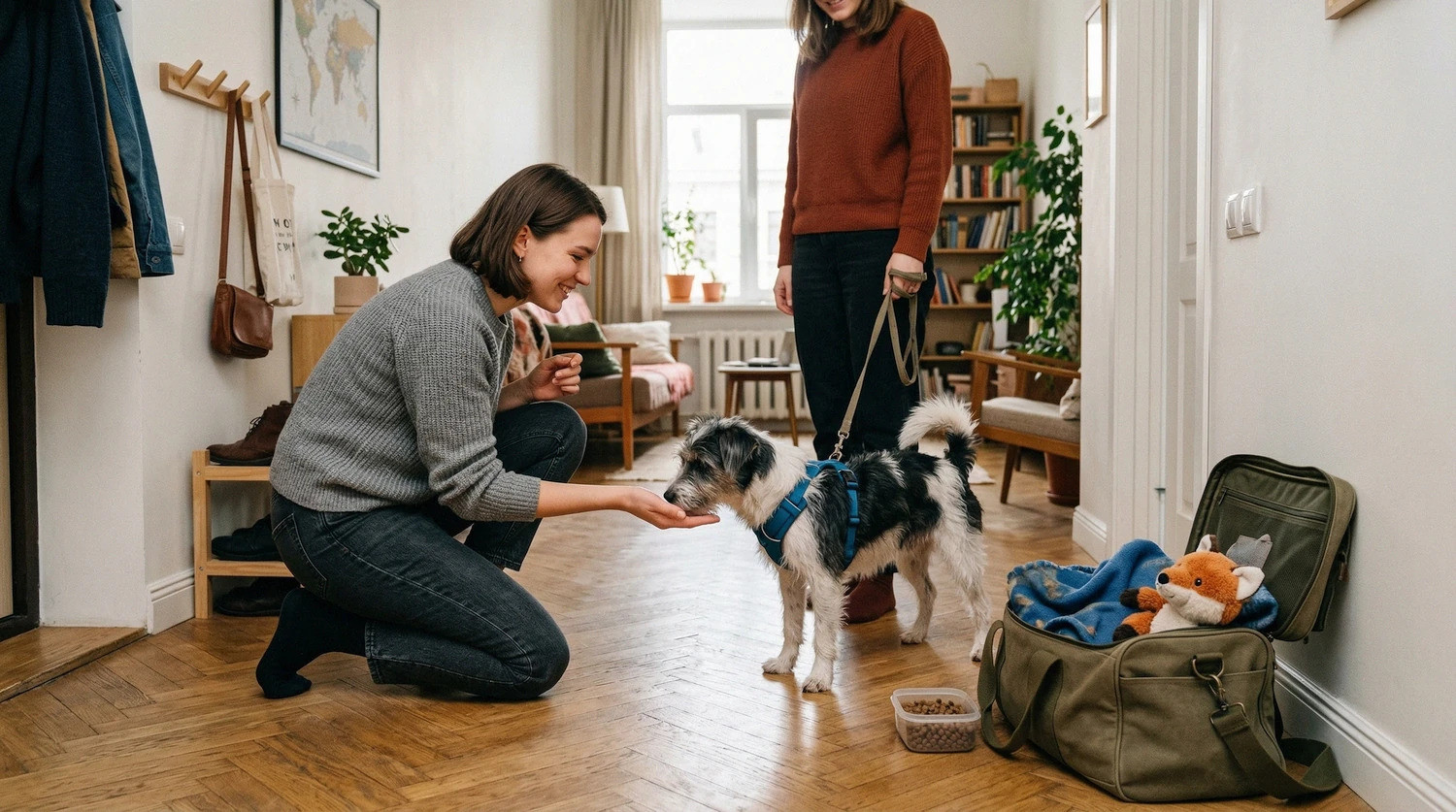
Island-Specific Realities: Daily Routines and Environmental Risks
Caring for a dog in Cyprus comes with a unique set of local challenges. The island's intense heat, local parasites, and large stray cat population require owners and caregivers to be well prepared. Here are some of the most common island-specific risks and hazards.
The Burning Asphalt Danger: Shifting Walking Windows
Cyprus summer is famous for its sweltering temperatures. While it could be above +40C in the atmosphere, the pavement and other surfaces can reach well above +50 C in the shade and over +65—80 C under the blazing sun. Even on days that feel comfortable to humans, road surfaces can heat up enough to cause painful burns on paw pads within minutes. This means adjusting the dog walking schedule and implementing safety measures is a must.
Typically, the best times for walks are early mornings and late evenings — from 05:30 till 08:30 am in the mornings and between 20:30—23.00 in the evenings. Keep in mind that even if the air has cooled, the surfaces release heat much slower.
So, owners need to discuss these hours with caretakers, as well as alternative walking routes such as grassed areas, parks, or shaded walking paths.
Also, consider using special dog shoes/«dog booties» with heat-resistant soles, if your dog tolerates them. As a general rule of thumb, in order to determine whether the pavement is safe you can place the back of your hand on the surface — if you cannot hold it more than 5—7 seconds, it isn't safe for your dog.
Hydration and Heatstroke Awareness
Apart from external burns, summer heat can lead to heatstroke and dehydration.
Dogs cannot regulate their body temperature as well as humans, making them more vulnerable and prone to overheating even on short walks.
Recognising early that your dog is overheated can potentially be lifesaving.
Some of the most common signs of heat stress include:
- excessive panting,
- drooling,
- slowing down and seeking shade or lying down unexpectedly,
- uncoordinated movement,
- bright red gums,
- rapid heart rate,
- noticeable lack of responsiveness.
Without timely intervention, this can easily escalate into heatstroke, which is a life-threatening emergency.
If heat stress is suspected, immediate action is required:
- Move the dog to a shaded or cool area.
- Offer small amounts of water.
- Begin gradual cooling using lukewarm (not ice-cold) water on the paws, belly, and neck.
Veterinary attention should be sought urgently, even if the dog appears to get better, as internal complications can continue developing after the initial episode.
Main causes of heatstroke are dehydration and spending too much time under direct sunlight. So, owners must instruct caretakers to opt for shaded walking routes and always carry water and collapsible bowls even on short-distance walks.
Navigating the Stray Cat Population
According to statistics there are more cats than humans in Cyprus, so, the encounter with local felines is inevitable. While some dogs might ignore them, others may be highly reactive.
That's why owners should explain how their dog typically reacts to cats. They should also identify any local areas where cat colonies are known to be present and suggest alternative walking paths.
Protection Against Ticks, Fleas, and Sandflies
Protecting your pet from external parasites is a must all year round as they can create lots of unpleasant consequences for your dog. In Cyprus specifically there are several pests to be aware of:
- Ticks are extremely common on the island, especially around parks and forested areas. They can carry many diseases including ehrlichiosis, babesiosis and anaplasmosis.
- Fleas are active all year round due to the warm climate and can cause itching, irritation and allergic reactions for your dog.
- Sandflies are very widespread in the Mediterranean region. They are active after dusk and can transmit Leishmaniasis, causing symptoms such as: weight loss, enlarged lymph nodes, skin lesions, hair loss around the eyes and ears, nosebleeds, kidney disease and lethargy.
There are several ways to protect your dog:
- Using insecticidal or repellent collars or spot-on products. These are effective from ticks and fleas and sometimes from sandflies.
- Keeping dogs indoors from dusk until dawn during peak sandfly season, if possible.
- Considering vaccinations against leishmaniasis are discussing alternative prevention protocols with your vet.
So, it's very important to discuss these potential risks and prevention methods with the sitter before leaving on a trip.
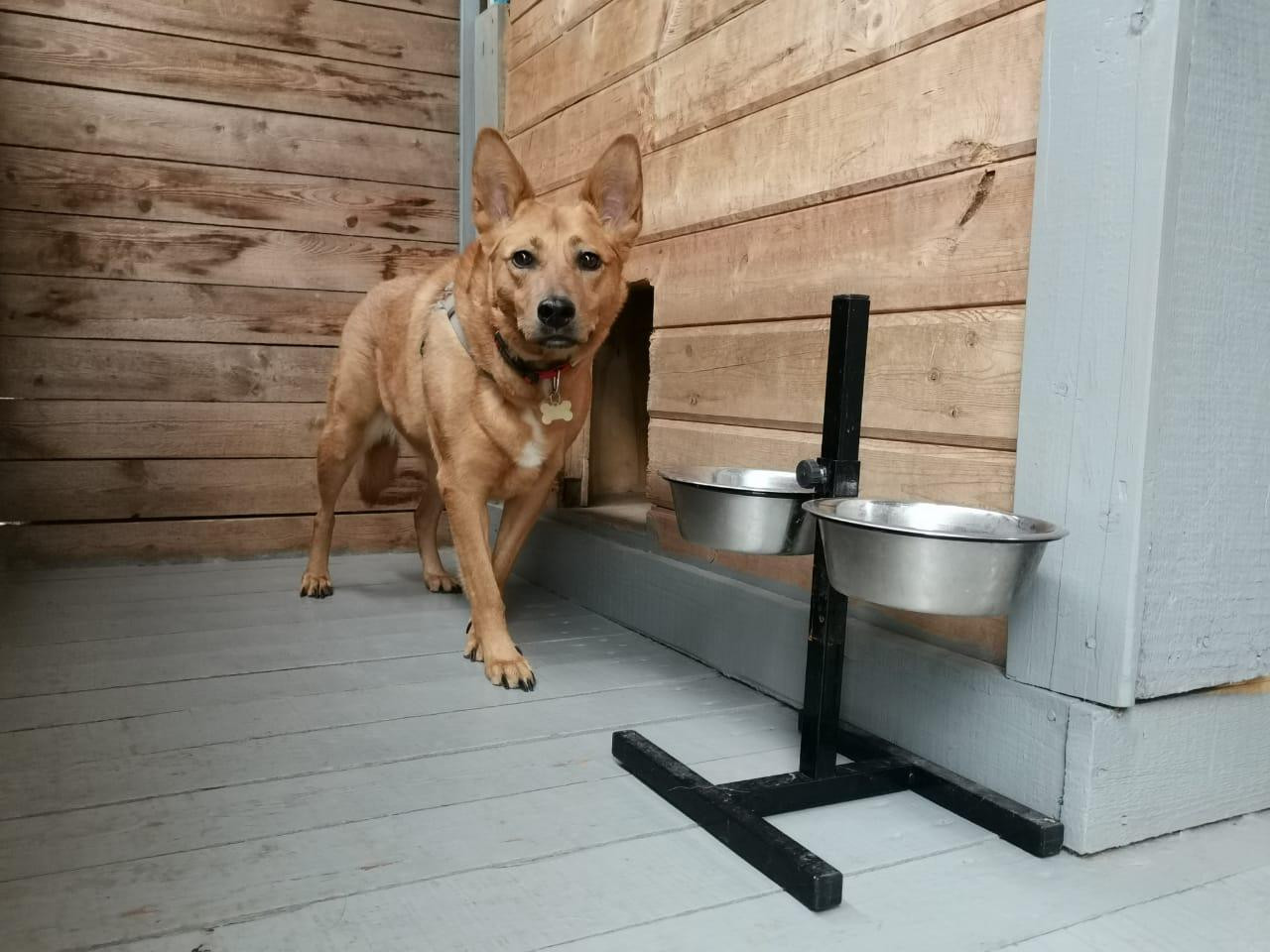
Emergency Protocols: Setting Up a Safety Net
Once you've booked the sitter and prepared the necessary supplies for your dog it might look as if everything is in place and you're ready to go. But, what to do in case of emergencies?
We have prepared a foolproof backup plan so you can board your flight without anxiety.
The Veterinary Authorization Letter
We always hope for the best and that our pet will be safe and sound. But it's important to prepare for an unexpected vet visit even if your dog is perfectly healthy. When you are away and your dog needs medical attention the last thing you want to worry about is the veterinary authorisation letter. It is an important document that gives your trusted caregiver permission to seek veterinary treatment on your behalf.
A typical veterinary authorization letter should include:
- Your full name, address, and contact details.
- Your dog's name, breed, age, microchip number, and any known medical conditions.
- The name and contact details of your preferred veterinary clinic.
- The full name and contact information of the authorized sitter or boarding provider.
- A statement authorizing the caregiver to seek veterinary examination and emergency treatment if necessary.
- Information about any allergies, medications, or ongoing treatments.
- Your preferred emergency contact if you cannot be reached.
- Instructions regarding financial responsibility for veterinary expenses.
- Your signature and the date.
It is also important to provide a sitter with a copy of your ID and dog's vaccination record or pet passport in order to help verify ownership and have all the medical records in one place.
The next important step is to inform your veterinarian that you're leaving and someone else will be caring for your dog. Provide them with the caregiver's name and contact details. Also let your sitter know your preferred veterinary provider and make sure to also provide them with an emergency contact in case you are not accessible via call.
Making all these arrangements in advance would eliminate panic or confusion in case of an emergency situation.
Financial Buffers for Weekend Emergencies
Paying for vet visits is another important subject to discuss both with your vet and the sitter. Some vets offer flexible options, while others work only with instant payments. Either way, it is always a good idea to leave an emergency cash float for immediate clinic runs outside of standard working hours. You should always make your expectations clear with your sitter in terms of accessing these funds. For instance, they might have all the freedom to use these funds for emergency visits, but before paying for non-urgent treatments they might need to consult with you first.
Frequently Asked Questions (FAQ)
What is the average nightly rate for a home dog sitting in Limassol?
The cost varies depending on the type of service and the sitter's experience. Home pet sitting typically ranges from 20 to 35 euro p/night. Additional charges may apply for taking care of puppies and multiple pets, as well as for administering medication, or for public holiday bookings.
Can I find a pet sitter in Cyprus who speaks English or Russian?
Yes, thanks to a large English and Russian-speaking population, especially around Limassol and Paphos, it's easy to find a sitter who speaks your language. The best way to find them are dedicated expats forums and pet owners’ groups.
Do local kennels provide food, or do I need to pack my own supply?
Most kennels and pet hotels provide standard dog food as part of the boarding fee. But if your dog follows a special diet, you should always supply enough food for the entire stay and provide clear feeding instructions.
What happens if my dog falls ill while I am away from the island?
Most boarding facilities and professional pet sitters will contact you immediately. If urgent treatment is required, they will usually take your dog to your nominated veterinary clinic or the nearest available vet. That's why before travelling, it is recommended to provide contact details for both your preferred veterinarian and an emergency contact in Cyprus.
Is it common practice to get daily video updates from Cyprus pet sitters?
Yes, it is a customary practice in Cyprus, especially with private providers. Commercial pet hotels and kennels also provide updates, but their frequency can vary, depending on how busy they are. So, if receiving daily updates is important to you, discuss this before confirming your booking.
Going on vacation, or for business without your pet is never easy, yet by taking the right steps you can make this transition as smooth as possible for both you and your four-legged friend. In fact, choosing your dog’s lodging arrangements can be just as important as selecting your own. We hope this guide was helpful and you will enjoy your trip, knowing that your pet is well looked af
ter until your return!