Today’s technology boom has a hidden side that is rarely discussed at conferences: it is incredibly energy-hungry. While the valuations of AI giants and cryptocurrency companies continue to break records, the true foundation of this growth is electricity. Modern neural networks consume enormous amounts of power—one AI query requires several times more energy than a standard Google search. This has created a situation where shares of energy companies are beginning to compete with technology stocks in terms of growth, as investors have realized a simple truth: without stable power generation, no algorithm can run.
At the same time, Cyprus is an isolated energy system that still lacks the ability to import electricity from abroad, making domestic generation a matter of strategic importance. Official figures confirm the island’s growing appetite for energy: in 2024, peak load rose to 1,294 MW (compared with 1,243 MW a year earlier), while total electricity sales exceeded 4,211.2 GWh. Since conventional generation remains concentrated around a single key player, every new solar project becomes part of the foundation of Cyprus’s energy independence.
A Paradigm Shift: How the Market Has Changed in Two Years
To understand the scale of the opportunity, it is worth looking at how rapidly the sector has transformed over the past 24 months. We are now at a point where the old strategy of “simply owning an asset” no longer works — the market has become highly professionalized.
How the Photovoltaic Park Business Works
What Is a Photovoltaic Park and How Does It Generate Income?
A utility-scale solar park is essentially a clean infrastructure asset. Unlike thermal power stations, there are no turbines, smoke, or fossil fuel combustion. Electricity is generated silently at the molecular level as silicon cells capture solar radiation and instantly convert it into usable energy.
Technical Cycle: From Photon to Power Outlet
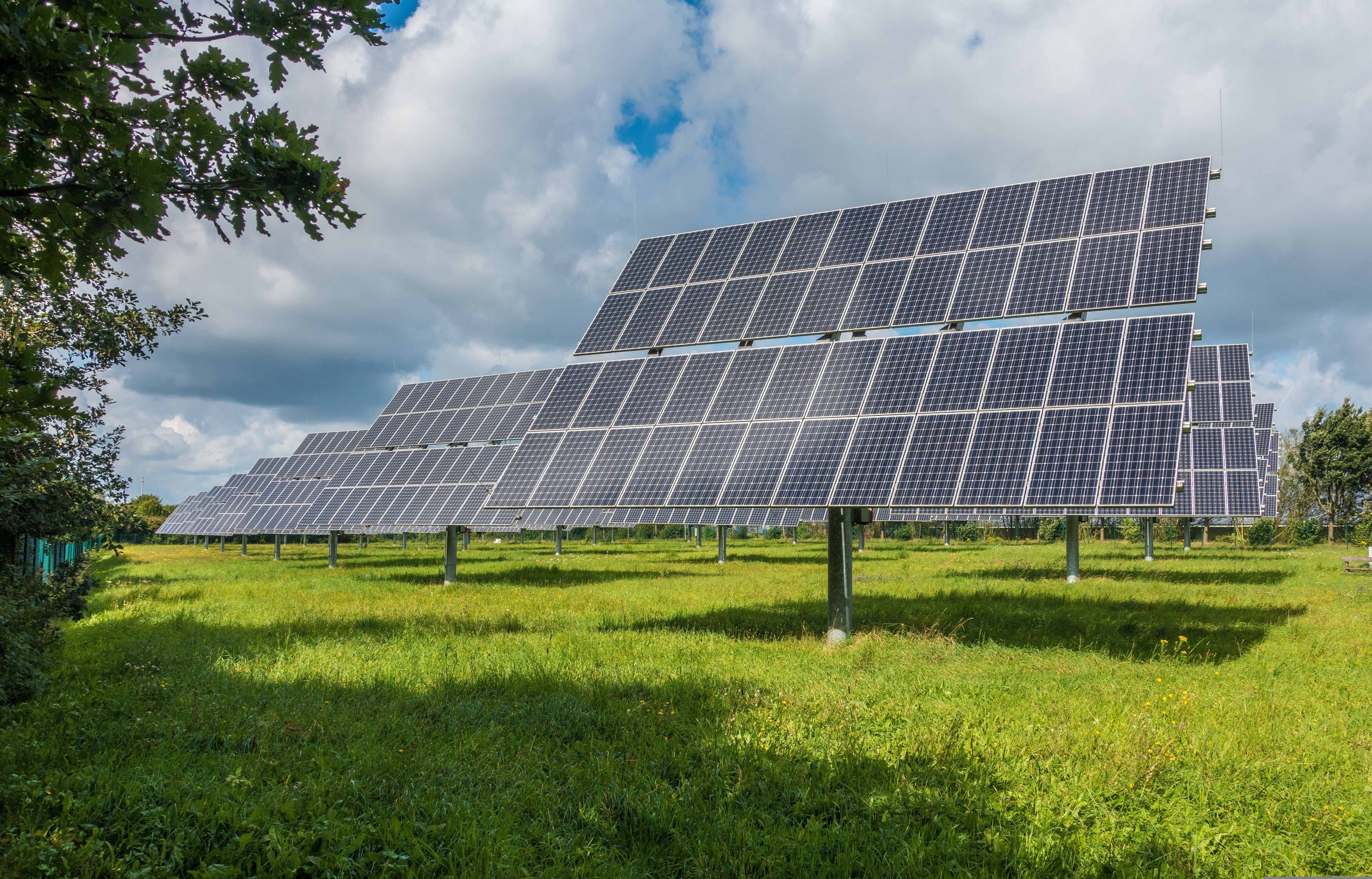
A modern solar park in Cyprus is a sophisticated engineering system. A 1 MW facility typically requires between 1,500 and 1,800 next-generation solar panels. The panels generate direct current (DC), which is then sent to inverters—the “brains” of the system. The inverters convert it into alternating current (AC), which is fed into the island’s grid through transformer substations. As solar power plant owner Nikita Pavlenko notes, this business is attractive because of its operational simplicity:
You produce a universal commodity that is in demand 24/7. There is no marketing uncertainty or seasonal demand in the traditional sense.
Sales and Buyers
With the opening of the market in October 2025, the monopoly on electricity purchasing became a thing of the past. Power is now sold through a pool of licensed traders and suppliers. By early 2026, dozens of counterparties were active in the market, creating healthy competition and protecting producers’ revenues.
Environment and Land: Do Solar Panels Harm the Soil?
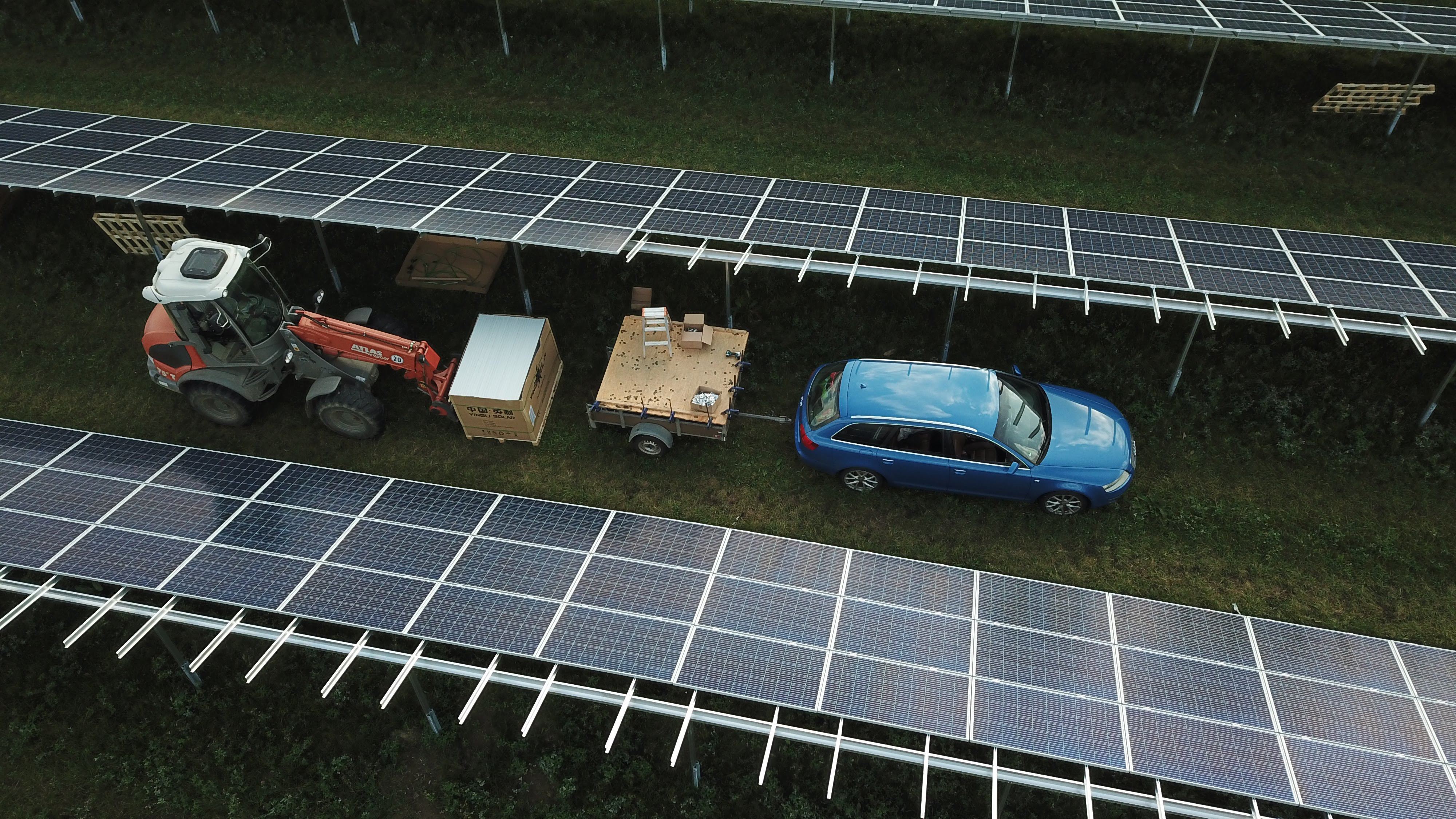
Photovoltaic projects are among the most environmentally gentle uses of land. They do not pollute the soil and do not damage landscapes with aggressive industrial structures. On the contrary, the panels create natural shade, helping the ground retain moisture in Cyprus’s hot climate. At the end of the project’s life cycle (after 25–30 years), the facility can be easily dismantled, restoring the land to its original condition without harming the terrain.
Project Economics: Sunshine Versus Fuel Oil
The main economic advantage of solar energy is that its “raw material” is free. While Cyprus’s traditional thermal power plants must cope with volatile imported fuel prices and carbon emission taxes, solar businesses replace these risks with a one-time investment in equipment (CAPEX). The result is extremely low and highly predictable operating expenses (OPEX).
What Determines Revenue Stability?
Revenue depends on electricity output and the selling price. Since electricity in Cyprus remains among the most expensive in the EU, local projects often achieve higher margins than similar projects in continental Europe. Nikita Pavlenko emphasizes that stable profitability depends not only on sunshine, but also on flawless operation and maintenance (O&M), which transforms the plant into an efficient financial instrument. This includes:
- Monitoring. Proactive supervision of equipment to prevent downtime.
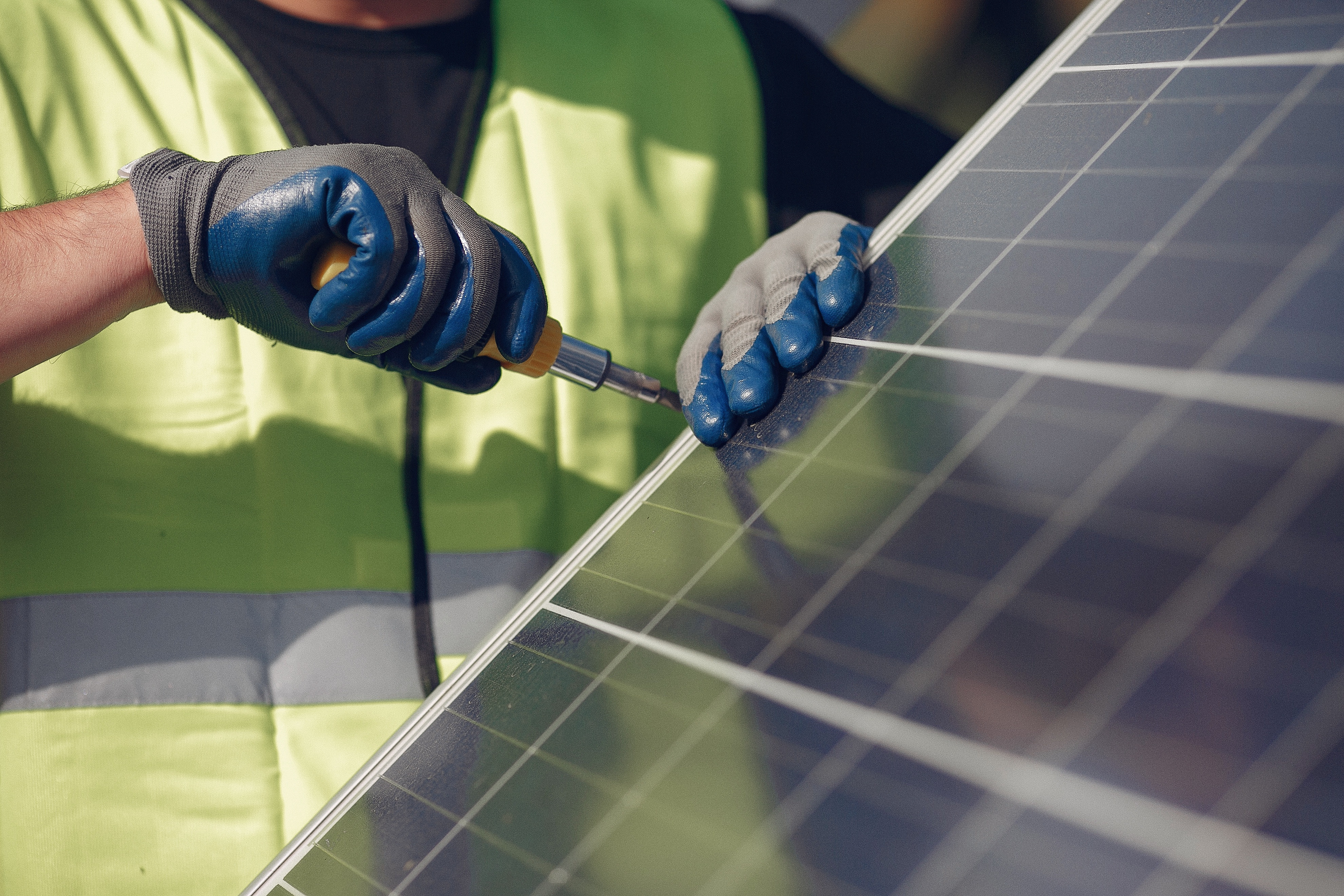
- Panel Cleaning. In Cyprus, regular cleaning is essential to maintain efficiency. Removing dust can prevent losses of 5–15% in output and preserve design capacity.
- Minimal Wear and Tear. Unlike real estate, a solar park is not affected by the human factor. Equipment has clearly defined degradation schedules (typically no more than 0.5% per year), allowing financial results to be forecast decades in advance.
Why Cyprus Is an Ideal Jurisdiction for Investors
The island’s attractiveness lies in a combination of physics and law. On one hand, Cyprus offers a unique natural resource: more than 300 sunny days per year and exceptionally high solar irradiation. On the other hand, strict EU regulation makes the expansion of renewable energy unavoidable.
European directives require the share of green energy to reach 42.5% of the energy mix by 2030. For Cyprus, where this figure stood at approximately 24.1% in 2024, this means years of guaranteed growth supported by European legislation.
Barriers to Entry
Do not assume this business is simple just because the sun shines equally for everyone, — warns solar power plant owner Nikita Pavlenko.
These barriers to entry are precisely what create the high value of projects that are already operational:
- Grid Capacity Constraints. The island’s transmission capacity is limited. Securing a grid connection permit is currently the most difficult and valuable part of any project.
- Regulatory Complexity. The path from concept to generation can take years because of environmental and technical approvals.
- Land Availability. The number of plots suitable in terms of topography and proximity to substations is rapidly declining.
In practice, this means that a project with a confirmed grid connection is worth significantly more than any project that exists only on paper.
An Alternative: Investment Funds
For most investors, attempting to navigate the photovoltaic development process independently can mean becoming entangled in bureaucracy for years. A more efficient solution is participation through professionally structured funds. According to DOM Invest experts, the fund model solves the key challenges:
- De-risking. The fund already owns assets that have passed the most difficult licensing stages and secured grid access.
- Comparison with Real Estate. A solar park operates autonomously. It is a cleaner form of passive ownership: no tenants, no furniture depreciation, and no vacancies.
- Status and Permanent Residency. Investment in such a fund in Cyprus can serve as a legal basis for obtaining permanent residency. The investor gains both immigration status and a high-yield asset in a single transaction.
Who This Type of Investment Is Suitable For
This market is designed for entrepreneurs and family offices seeking an infrastructure anchor for their portfolios. It appeals to investors who value predictable cash flow and want to own an asset whose value is protected by the scarcity of grid capacity and land.
Energy in Cyprus is no longer a short-term trend — it is a matter of infrastructure advantage. The sector has entered a mature phase in which the greatest profits are earned by those who control grid access and benefit from professional management.
Investors are no longer buying just square meters — they are acquiring a stake in the country’s essential infrastructure, — concludes solar power plant owner Nikita Pavlenko.
Solar parks have become exactly that kind of asset, offering a rare combination of high barriers to entry, environmental sustainability, and stable income for decades to come.
Read also:
- Cost of Living in Cyprus in 2026
- Cyprus — The Island That Gave the World Copper
- Halloumi in Cyprus: An Authentic Recipe from Village Housewives and the Secrets of Cheesemaking
- Giving Birth in Cyprus: Costs and Citizenship Procedures in 2026
- Cyprus Summer Without Surprises: How to Rent the Perfect Home and Enjoy a Stress-Free Holiday