
Today, Cyprus’s climate may seem ideal to many: hot summers, sunny and pleasant transitional seasons, and mild winters (with snowfall even in the mountains!). However, the island actually faces challenges that increase the risk of climate-related damage each year.
A brief overview of Cyprus’s climate
Cyprus has a subtropical Mediterranean climate. Subtropical regions are characterized by relatively high humidity, hot summers, and mild winters with a short period of heavy rainfall. Simply put, summers are never cold, and there is plenty of sunshine all year round. Comfortable temperatures last for about 7–8 months. The most pleasant months in Cyprus are considered to be March–May and September–December, with peak heat in August and the rainiest month being January.
Weather in Cyprus by month.
The subtropical climate allows certain trees and plants to bear fruit year-round, which positively affects agriculture on the island. However, in recent years, Cyprus’s climate has raised concerns among environmentalists: it is quite possible that by the end of the century the country could resemble an arid region similar to parts of Africa.
Historical perspective: it used to be cooler!
Looking far into the past, it becomes clear that Cyprus has always experienced fluctuations, with its climate changing significantly over thousands of years. Here’s how it looked over time:
- Around 6,000 years ago, a global cooling event occurred — this was when the Sahara turned into a desert. Cyprus, located relatively nearby, also experienced significant changes and drought.
- About 4,500 years ago, the climate became warmer and more humid. This supported vegetation growth, and people returned to the island to live comfortably.
- From 500 BC to 1200 AD, the climate was distinctly subtropical: summers were similar to today, while winters were about 5 degrees warmer. Snow still fell in the mountains.
- Between 1300 and 1800, the climate fluctuated between drier and more humid conditions. People did not always adapt easily, and harvests were sometimes poor due to drought.
- The past 100 years have been marked by a gradual increase in average annual temperatures and more days without rain.
It can be said that in the past, temperatures in Cyprus rarely exceeded 35–37°C. Today, that threshold has long been surpassed, which is a cause for concern.

Clear skies ahead — and that’s worrying
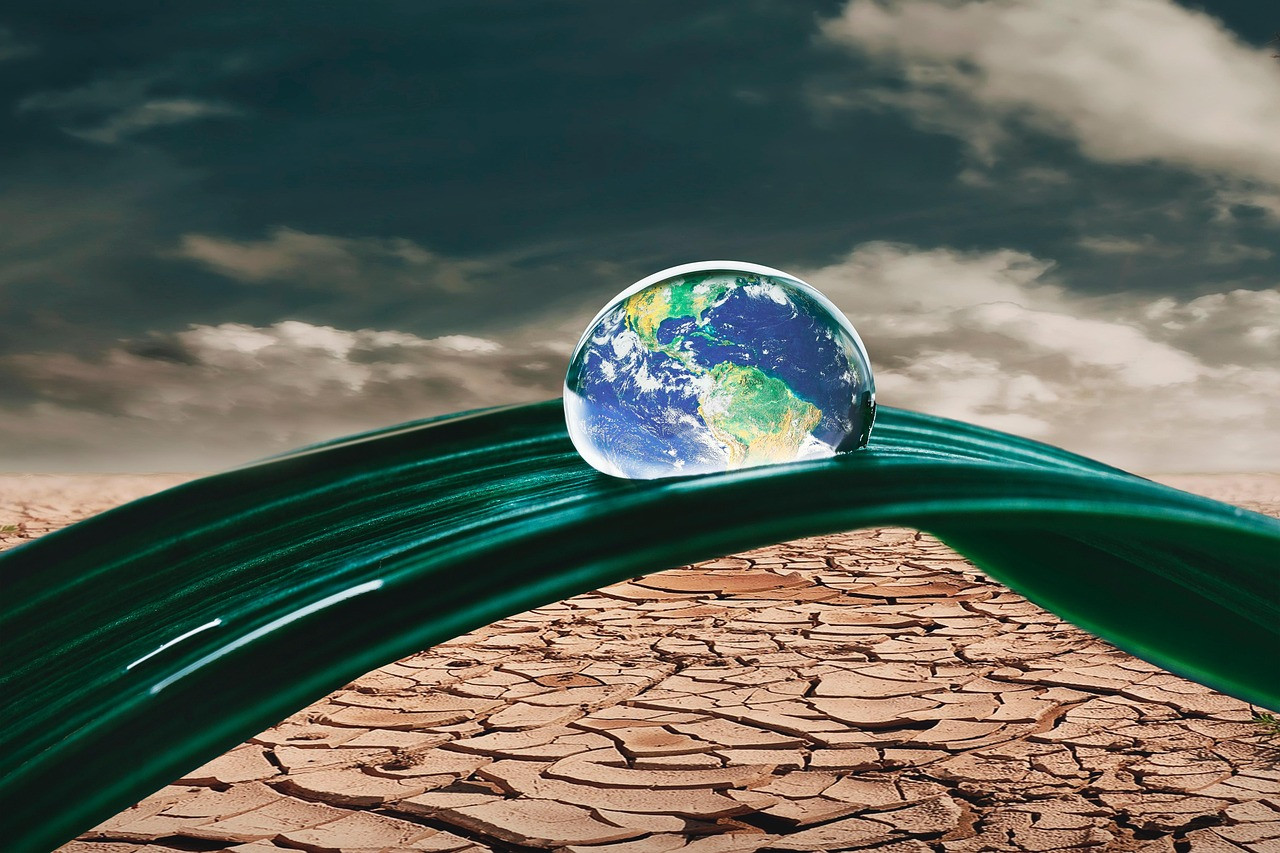
Clear weather often means no rain — and for Cyprus, already struggling with freshwater shortages, this is alarming. Today, locals know that every summer is a challenge for farmers: reservoirs, which are essentially the only sources of freshwater, do not fill sufficiently during winter, and water evaporates quickly in summer. There is a critical shortage of water for irrigation, and in some villages water supply may even operate on a schedule.
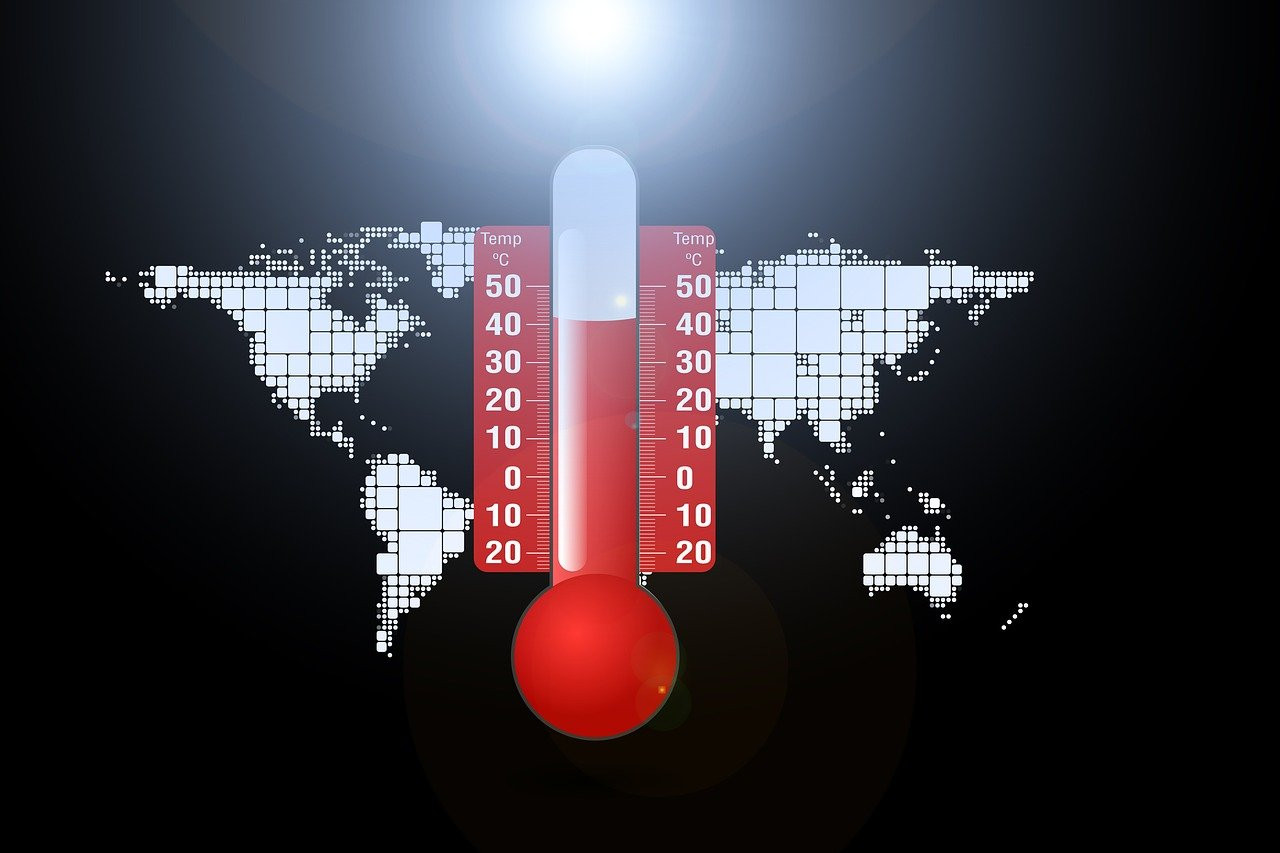
The decline in rainfall is not the only concern. According to environmental observations, the average annual temperature in Cyprus is steadily rising and is expected to continue doing so. For example, it was 15.5°C in 1983, 17.5°C in 2000, 18°C in 2016, and 18.3°C in 2024, with peak temperatures exceeding 43°C.
Based on this, the outlook is troubling: at this rate, the average annual temperature in Cyprus could increase by 3.5–5°C by the end of the century. These numbers may not seem large, but they are close to catastrophic. If this happens, the island could turn into a desert, becoming nearly uninhabitable.
How to slow down temperature rise
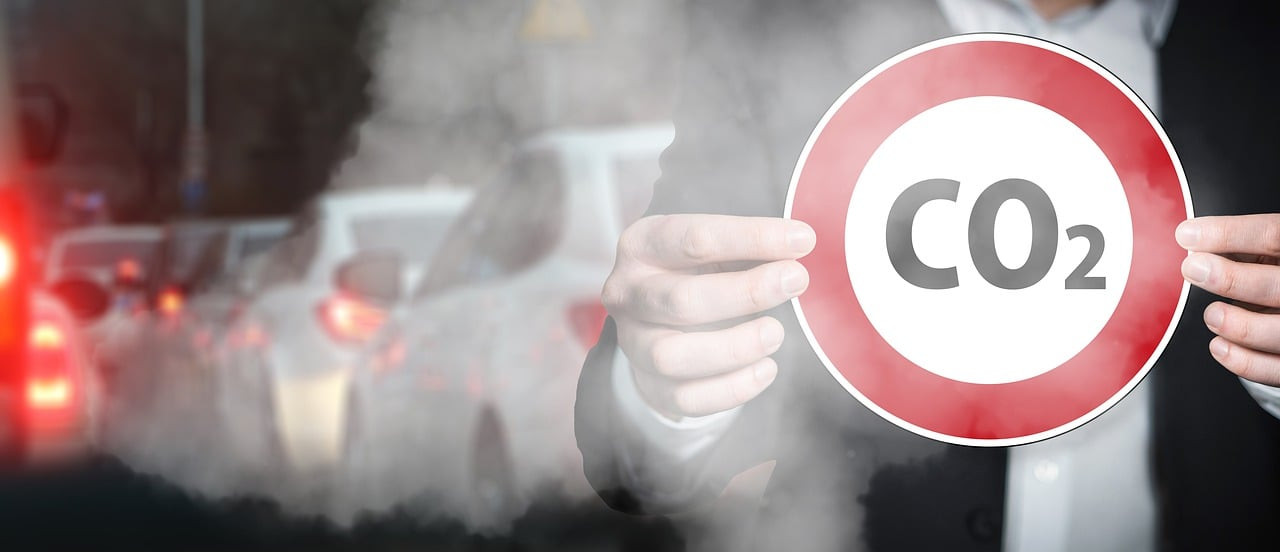
Research shows that global warming is not caused solely by humans — natural processes also play a role. However, human activity accelerates climate change, with CO₂ emissions being the primary factor.
On one hand, governments and large industries must address this issue by shaping policies and laws that support environmental sustainability. But can individuals make a difference?
Yes — because individuals together create large-scale impact. In Cyprus, three main types of “high-impact” consumers stand out:
- Heavy reliance on cars. While owning a car is almost essential on the island, emissions from fuel-powered vehicles are significant. A solution is to reduce the number of cars per household and switch to electric vehicles.
- Unconscious consumption, especially of meat. Livestock farming is a major source of CO₂ emissions. Reducing meat consumption to necessary levels can help lower environmental impact.
- Uncontrolled use of plastic. Awareness remains low, but reducing plastic waste, reusing materials, and recycling can make a difference. Even simple habits like bringing reusable bags can be a starting point.
Global warming threatens not only Cyprus, but the island is particularly vulnerable and may become uninhabitable within the next century. Can this be changed? Scientists believe it is worth trying. In the meantime, we can enjoy the good weather — and start with small steps, like avoiding plastic bags.

And the people in power? Do they drive along with their eyes closed? Do they not see the environmental impact of what’s going on?
Tourists do!
There appears to be little appetite to educate, punish or clean up the mess that is often mentioned in tourism social media posts.
I’ve joined in on clean ups but, within a week, it’s back again. Very disheartening.
What we humans are doing to this world with our hatred for others, our wars and personal behaviours is unforgivable.