Summer in Cyprus is a story of endless blue seas, the aroma of grilled halloumi cheese, and dazzling sunshine that turns the island into a true paradise on earth. However, for many travelers, this idyllic scenario begins to crack already at the planning stage — namely, when choosing accommodation. Blinded by bright photos of pools and turquoise bays, tourists often forget about the harsh reality.
To ensure that a long-awaited vacation does not turn into a series of amusing but costly misunderstandings, it is worth taking a look at the common traps that await seekers of Mediterranean hospitality. As one expat saying goes: “In Cyprus, you either learn from your mistakes, or you simply pay a bit more for them than you planned.”
The “sea breeze” mirage and the great battle with the heat
A traveler choosing a traditional-style villa somewhere in a quiet suburb of Paphos often dreams of sleeping with open windows, letting in the fresh night sea air. This is the first and most deceptive illusion. In July and August, “freshness” in Cyprus is a mythical concept. The air is thick, hot, and still — like cooling syrup.
“Air conditioning in Cyprus is not just an appliance — it’s your only chance not to turn into a sun-dried tomato by noon,” local guides often joke.
Experienced renters know: if the listing does not specify air conditioning in every bedroom, it’s a serious red flag. Sometimes a powerful unit is installed only in the living room, while the bedrooms are left to the mercy of nature. As a result, instead of peaceful sleep, tourists spend the night chasing any hint of airflow and wake up feeling like freshly baked pita — soft, hot, and slightly flattened.
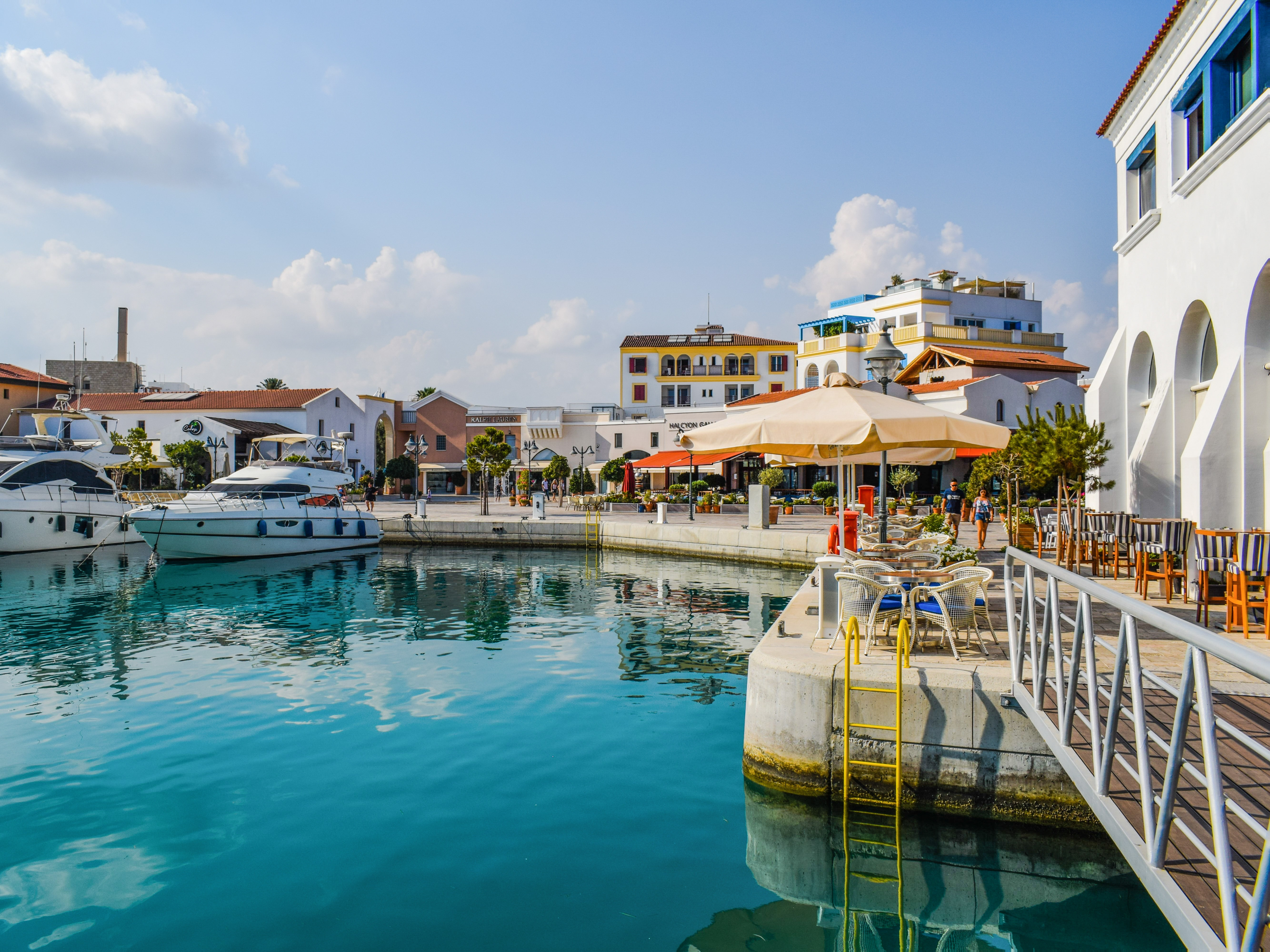
Google Maps math vs. Cypriot terrain
When your smartphone shows an attractive “500 meters to the beach,” your heart skips a beat. It sounds like a pleasant walk in flip-flops. But digital maps don’t account for one crucial detail: elevation. In Cyprus, the road to the sea often feels like a workout in an elite gym.
“Five minutes to the sea in Cyprus is just enough time to realize the scale of the climb ahead,” jokes a popular travel forum quote.
Imagine carrying a watermelon, an inflatable mattress, and a pair of flippers up those “mere 500 meters” in +40°C heat. In such moments, distance is measured not in meters, but in drops of sweat. In the end, “proximity to the sea” becomes more theoretical than practical, and a car becomes essential even for short trips to the beach.
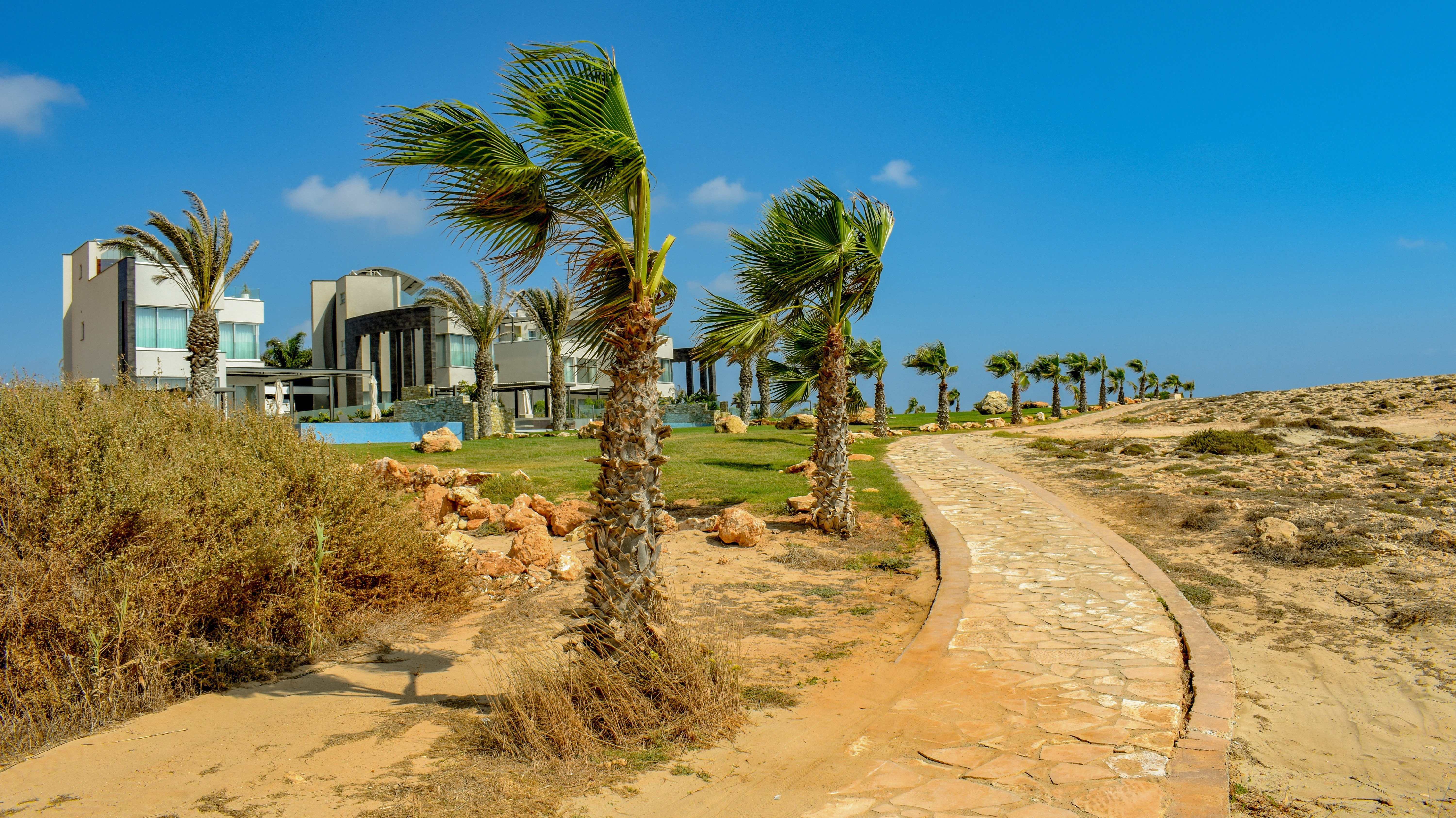
Electricity: the quiet guest that leaves last
Cyprus has a particular rental tradition that many only discover upon checkout — electricity bills. Often, the contract states in fine print that electricity is not included in the price.
“Electricity on the island costs as if it were generated by the gods of Olympus themselves,” jokes a property owner in Limassol.
An unsuspecting tourist leaves the air conditioning running at full power, even when heading out for lunch. Upon return, they may face an unpleasant surprise. Electricity is expensive, and unnecessary usage can easily add an extra €100–€200 to the vacation budget. On departure day, the traveler may find the host with a calculator, turning the last of their holiday money into payment for cool air.
The charm of the “first line” and its noisy reality
Many dream of a terrace overlooking the endless sea. The logic is simple: the closer to the water, the more elite and peaceful. In reality, first-line properties in popular resorts are often at the center of nightlife.
“If you choose a sea view in the city center, be prepared that the sea will be the only thing you won’t hear over the bass of the nearby bar,” experienced travelers warn.
Instead of waves, you get karaoke, engines, and late-night parties. Thin walls in holiday apartments often can’t block the noise. True peace in Cyprus is usually found on the second or third line, deeper in residential areas.
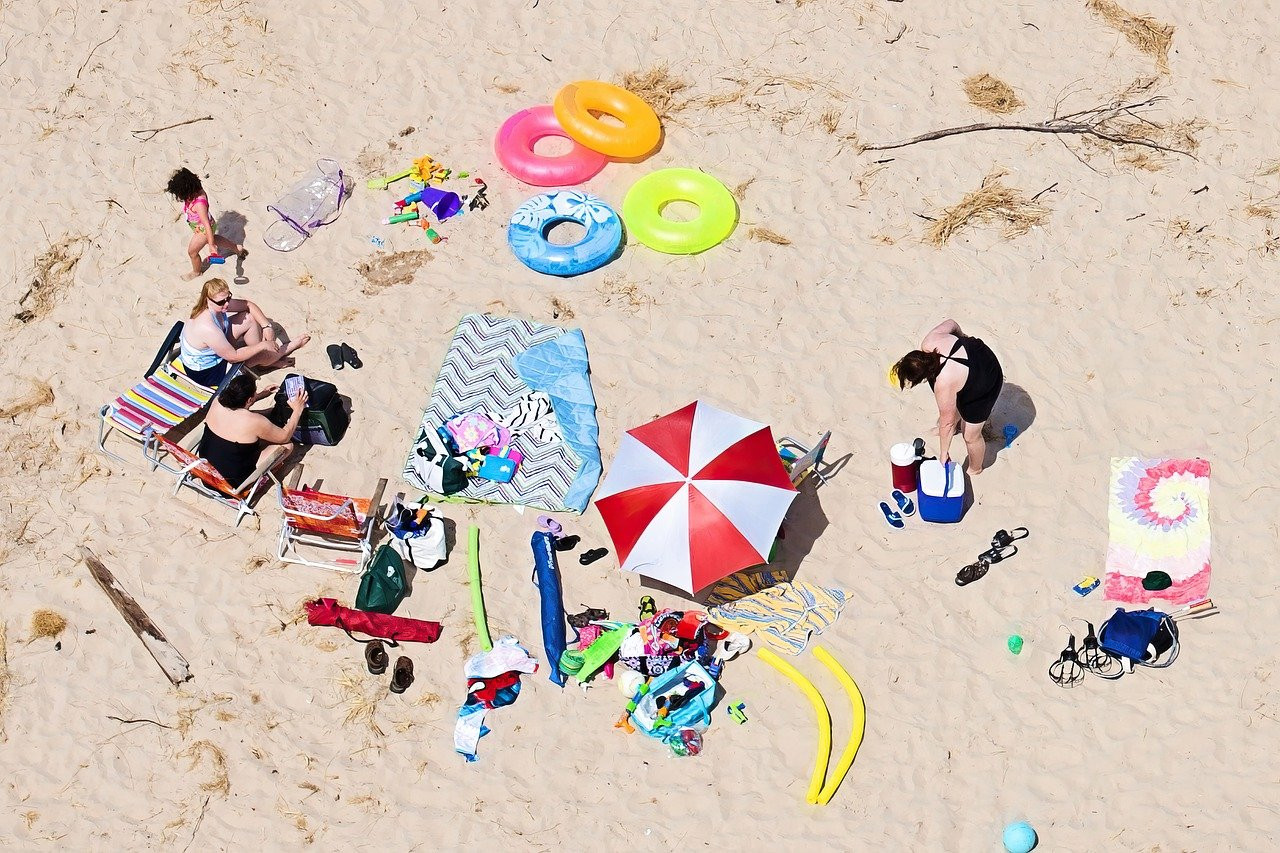
The bus lottery and freedom of movement
Many try to save money by relying on public transport. After all, the island is small and roads are excellent. However, Cypriot buses have a character of their own.
As one British tourist put it: “A Cypriot bus is like a rare bird — you know it exists, but seeing it in the wild is pure luck.”
For someone staying in a remote village, not having a car becomes a challenge. Grocery shopping turns into an expedition, and visiting a nearby beach becomes a half-day event. Experienced travelers know: Cyprus reveals itself only to those behind the wheel.
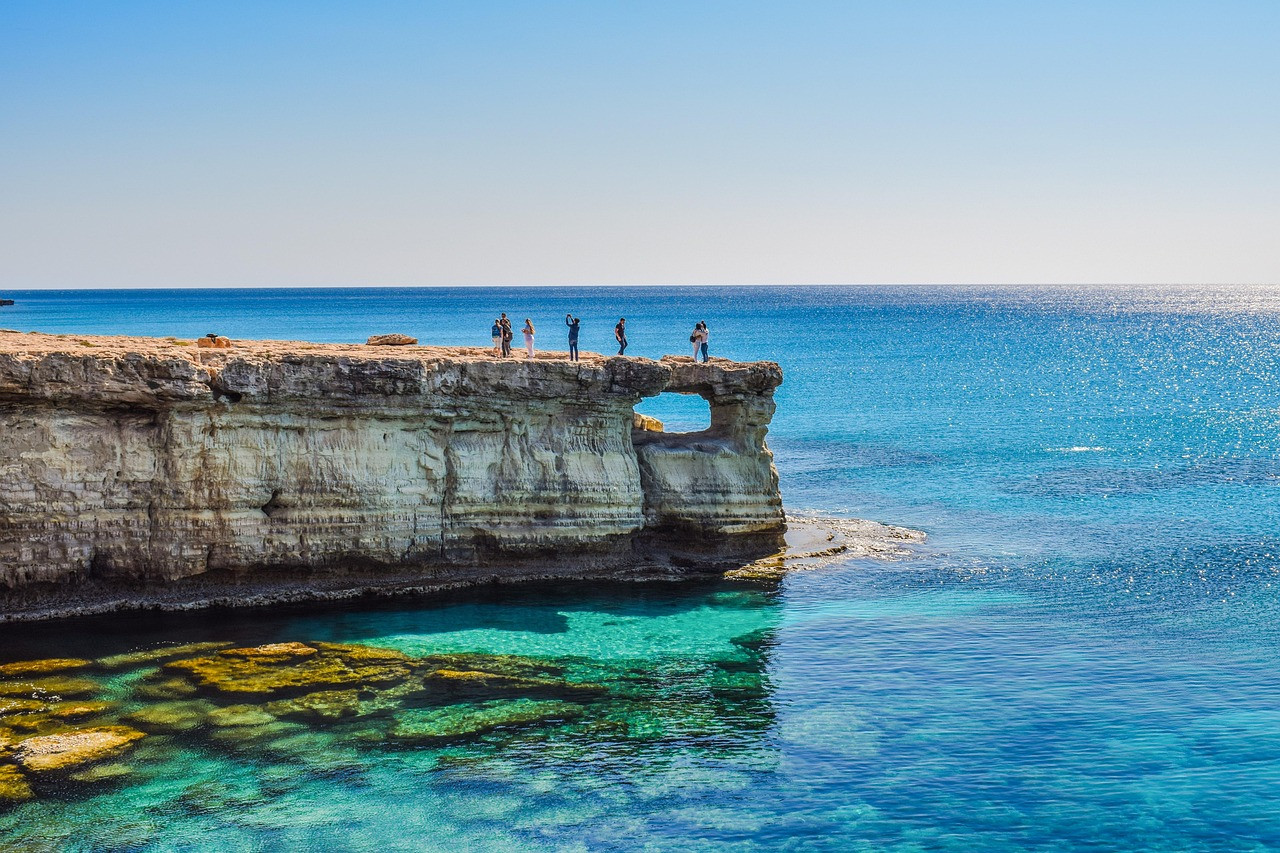
Cypriot trust and the “magic” mailbox
Cyprus is one of the safest and most relaxed places in the world. It’s normal to check into a house without ever meeting the owner. Everything is based on trust: keys are often left under a doormat, and on departure, you simply drop them into an open mailbox.
But to avoid misunderstandings, it’s wise to follow one simple rule: “trust, but record.”
“Cypriot hospitality is endless, but a short video upon arrival is the best way to keep both memories and your wallet intact,” seasoned travelers advise.
A quick 30-second video when entering the apartment is enough to confirm everything is in order. It’s not about distrust — it’s about peace of mind.
The “last-minute” trap in peak season
Cyprus is a popular destination. While it may seem like there’s plenty of accommodation, the best options disappear by spring. Travelers hoping for last-minute deals often face disappointment.
“Looking for the perfect villa in July is like trying to find a free sunbed at Nissi Beach at noon — theoretically possible, practically impossible,” tour organizers say.
Prices skyrocket, and only less desirable options remain. Those who delay booking often end up paying more for less.
In summary, renting accommodation in Cyprus is not a lottery but a game with clear rules. The island is ready to offer unforgettable experiences if travelers pay a little more attention and trust beautiful photos a little less. As locals say, good accommodation is half the success — the rest will be handled by the sea and a glass of cold wine.