Anyone moving to Cyprus or buying a home here sooner or later faces the local bureaucracy. A weird garbage collection bill arrives, a street lamp burns out right outside your house, or a neighbour decides to put up a solid fence. Where do you run, and who do you complain to?
Before summer 2024, things were somewhat familiar, but then a massive local government reform kicked in. The rules of the game changed quite a bit: old departments closed, new ones opened, and powers were generously reassigned. Let's figure out how this system works now and where to send your requests so you don't waste time in pointless queues.
How Local Government Is Organised
So, a couple of years ago, they decided to simplify the system to save the budget and make services the same for everyone on the island.
Cyprus Municipalities and Municipal Districts
Today, there are 20 enlarged Cyprus municipalities operating in the free territories. These are no longer just "cities" in the usual sense. A modern municipality combines several neighbouring municipal districts at once. The idea is simple: gather the taxes, equipment, and people of nearby areas under one roof. An elected mayor and city council run this process.
Community Councils
Small settlements are run by Community Councils. There are 286 of them on the island. Calling them just "villages" would be wrong. When dealing with a local council Cyprus residents quickly realise these are real authorities with their own budgets and specific tasks. To make it easier for people to get certificates and solve issues, they recently launched 30 Community Service Clusters. They serve several neighbouring communities at once, saving money on admin staff.
District Local Government Organisations
In the summer of 2024, a completely new format of departments appeared — District Local Government Organisations (also called EOA or DLGO). They were created specifically to take some of the heavy lifting away from city halls. EOAs work at the level of a whole district (say, Larnaca or Limassol) and handle global infrastructure that local boards simply couldn't reach before.
What Municipalities Handle
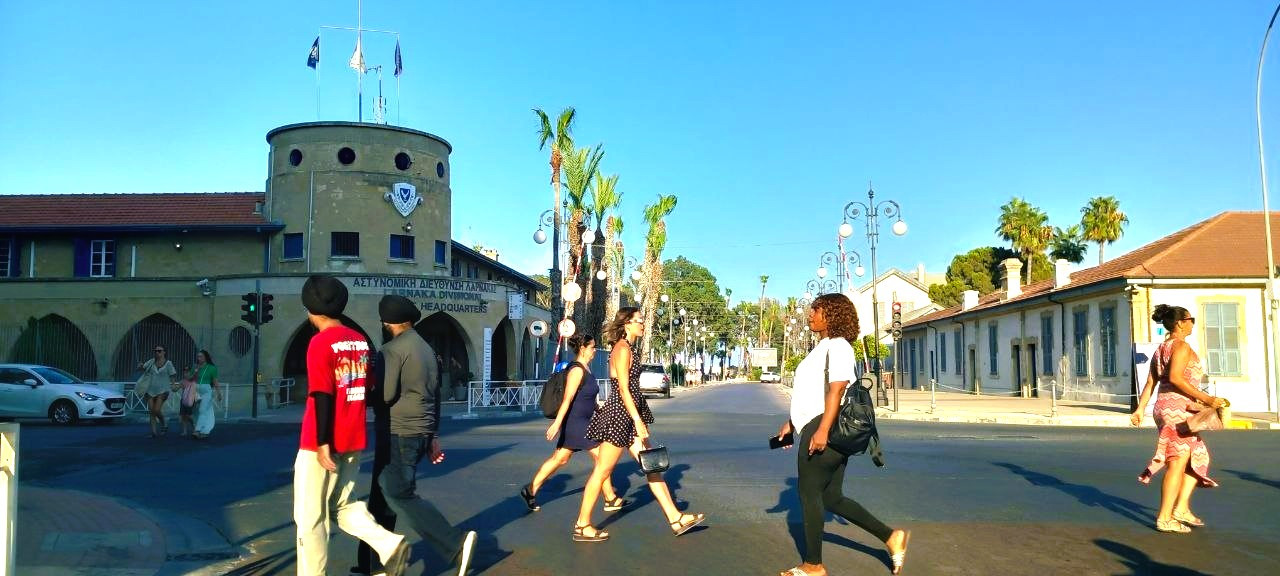
Even though some tasks went to the district level, your everyday street problems are usually solved by the local administration. To get the best out of municipality services Cyprus has to offer, you need to know who does what.
Waste Collection and Recycling
Cleaning duties are now split. Cyprus municipalities and community councils still sweep the streets, clean parks, and keep neighbourhoods tidy. But the global solid waste management system has completely moved under the control of the district EOAs.
Local Roads, Lighting, Parks and Pavements
Patching asphalt in yards, watering flower beds, and lighting streets remain with local authorities. If the lamp on the pole outside your house goes out, you need to write to the technical department of the town hall or community. The energy company has nothing to do with it — the city changes the bulbs.
Parking, Local Permits and Public Spaces
Want to put cafe tables on the pavement? Need a pass for municipal parking? For all this, you go to the city administration. By the way, local inspectors have every right to write fines if someone abandons a car in the wrong place on their territory.
Noise, Nuisance and Public Health Complaints
Complaints about loud music at night, garbage on a neighbouring plot, or other conflicts (nuisance issues) can initially be taken to the municipality. They will see if it falls under their rules. If not, they will officially pass the case to the police or sanitary service. For instance, the Nicosia municipality handles these initial checks for the capital.
What District Organisations Handle
The reform seriously changed the rules for property paperwork and paying utility bills.
Planning and Building Permits
The development licensing process was split. To get the green light to build a house (building permits), you now need to apply to your EOA through the single electronic portal IPPODAMOS. But town planning (planning permissions) is still handled by a separate state department — the Town Planning and Housing Department.
Water Supply and Sewerage
The old independent Water Boards and Sewerage Boards were merged and included in the new district organisations (DLGO). Now these enlarged departments are centrally responsible for pipes, sewerage, and storm drains. But there is an exception. A transition period applies in some communities. Until the territory finally passes to the EOA, the local Community Council continues to be responsible for water there. This could last right up to the 2029 elections.
District-Level Development Services
For an ordinary person, the difference comes down to scale. District organisations pull projects that affect the whole region and require serious engineering solutions. Meanwhile, a municipality deals with cosy squares, benches, and pavements on your street.
What Municipalities Do Not Handle
Foreigners sometimes come to the city hall with questions that officials physically cannot solve.
Police, Immigration and Central Government Services
The mayor's office doesn't issue residence permits, process visas, or catch criminals. The migration department and the police are a strict vertical of the central government of the Republic of Cyprus.
Electricity, Telecommunications and Private Utilities
If the lights go out in your home due to an accident or non-payment, calling the city hall is useless. The state energy company handles this. The same goes for home internet, phones, and satellite TV — private providers do all this under direct contracts with residents.
How to Find Your Municipality
Sometimes neighbouring streets belong to different administrations, and guessing the border by eye won't work.
Checking the Address and Municipal District
How do you find out exactly who services you? The most reliable way is to look at your Title Deeds or recent utility bills. With so many municipalities in Cyprus, they always clearly state the name of the local authority on official papers.
Properties Outside Municipal Boundaries
This question is especially important when moving across Cyprus. For example, if you are looking for housing and are interested in renting a property in Paphos or another area, check the address carefully. Even if you are moving to Nicosia, a villa might stand within the city limits, or it might belong to one of the neighbouring municipalities. This dictates which municipality you will pay fees to and where you will go to complain about a pothole in the road.
How to Contact a Municipality
Communicating with local officials requires a little patience and knowing the right addresses.
Phone, Email and Online Forms
Phones are easy to find on the official websites of administrations. If you just need to ask a question, it's faster to call. Finding the right Nicosia Cyprus tel number online takes seconds. But if you want to record a problem (like reporting an illegal dump), write an email or fill out a form on the website. This way, you have ironclad proof of your request. Any local council Cyprus has will prefer a written trail.
Citizen Service and Technical Departments
People go to KEP (Citizen Service Centres) for state papers: to apply for benefits, get identified, or get a certificate. They do not deal with municipal affairs. Broken park bench or collapsed asphalt outside your house? You need to write directly to the technical department of your town hall. Using proper municipality services Cyprus offers saves a lot of time.
Reporting Urgent and Non-Urgent Problems
If something dangerous happens (like a tree falling on the road), call the emergency numbers — every administration has them. Send current issues that can wait to email. The letter won't get lost in offices, and you can calmly track the status. This is a key part of municipality services Cyprus provides.
Municipal Bills and Local Fees
All residents are obliged to pay on time, otherwise, penalties are automatically applied.
Refuse and Property-Related Charges
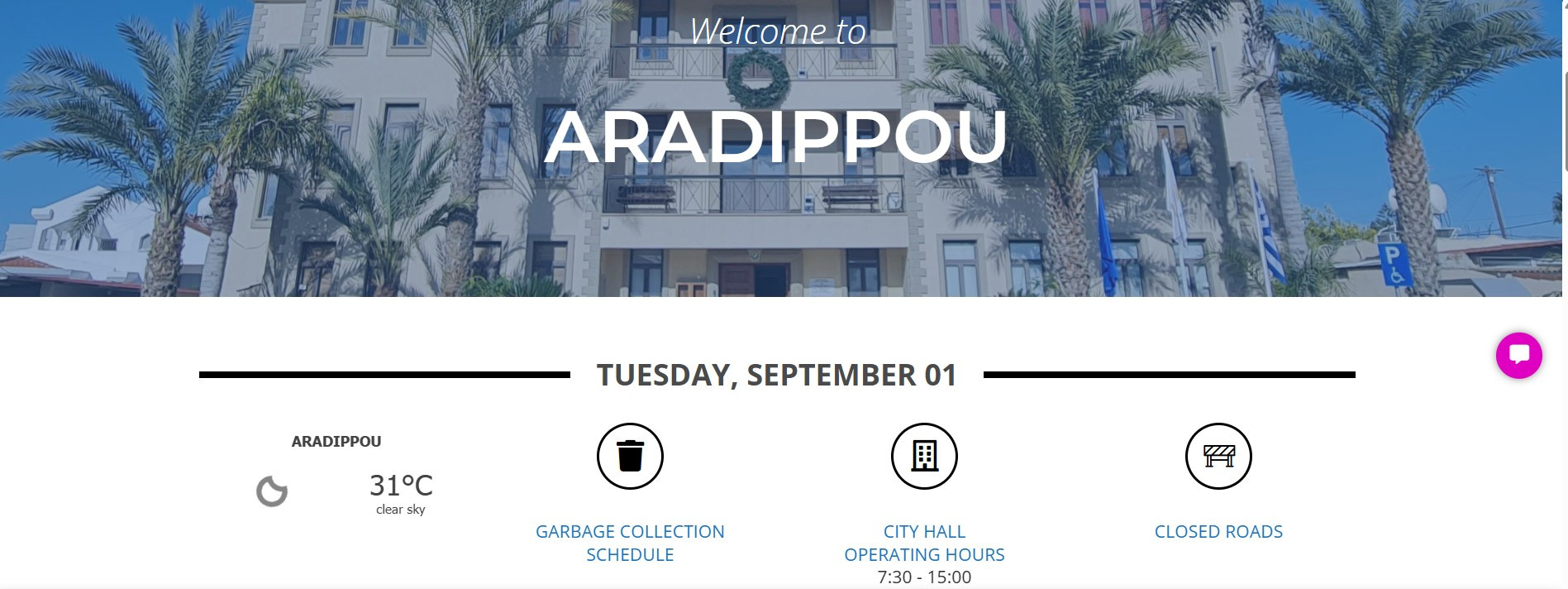
You pay various local fees (refuse charges, municipal fees) to your local administration. But water or sewerage bills might now come from the district EOAs. Exactly how to pay depends on your town and the type of fee. Some accept bank transfers, some send you to online platforms, and sometimes you have to go straight to the cashier. The most reliable option is to check the instructions and details on the bill itself or check the official website. For example, the Nicosia municipality clearly lists its payment methods online.
Parking and Permit Payments
Parking payment formats differ greatly on the island. There are many municipalities in Cyprus, and each sets its own rules. One area has familiar coin or card machines, another asks you to send an SMS or download an app. Just look at the info signs next to the parking lot.
Complaints and Escalation
If it comes to a conflict with departments, gather your papers.
Keeping a Reference Number and Evidence
When sending a complaint, always ask them to assign it a reference number. Attach photos and coordinates of the place. Without a number, your email can easily get lost among thousands of other requests any local council Cyprus handles.
Following Up With the Correct Authority
Sometimes local authorities stay silent even after a second letter. Before complaining further, check — is it really their competence? If yes, you can go higher: to district structures, ministries, or, if there is a serious reason, to the Ombudsman. But without a history of official correspondence with officials on the ground — be it the Nicosia municipality or a village board — they most likely won't even talk to you. If you've had to resolve issues like this, be sure to share your experience in the comments! And remember, navigating Cyprus municipalities gets easier with practice. Finally, mastering municipality services Cyprus is a true expat milestone.